Stress Echocardiography to Detect Exercise Pulmonary Hypertension in Patients With Chronic Thromboembolic Pulmonary Disease
Adam Dhayyat, Knut Stavem, Øyvind Jervan, Janne Mykland Hilde, Diyar Rashid, Jostein Gleditsch, Waleed Ghanima, Kjetil Steine

TL;DR
The study shows that stress echocardiography can effectively detect exercise-induced pulmonary hypertension in patients with chronic thromboembolic pulmonary disease.
Contribution
This is the first study to validate stress echocardiography as a non-invasive alternative to catheterization for detecting exercise pulmonary hypertension in CTEPD patients.
Findings
Stress echocardiography correlated well with invasive measurements of pulmonary pressure during exercise.
Exercise systolic pulmonary pressure and mPAP/CO slope from echocardiography predicted ePH with high sensitivity and specificity.
Abstract
This study was aimed at determining whether stress echocardiography could detect exercise pulmonary hypertension (ePH) in patients with mild chronic thromboembolic pulmonary disease (CTEPD) as compared with right‐heart catheterization (RHC). Thirty‐six symptomatic patients with persistent residual perfusion defects detected using ventilation/perfusion scintigraphy underwent a haemodynamic assessment by RHC and echocardiography at rest and during exercise. We compared pulmonary pressures in echocardiography with RHC values using the definitions in current ESC/ERS guidelines for ePH [mean pulmonary artery pressure/cardiac output (mPAP/CO) slope > 3 mmHg/L/min] and PH (mPAP > 20 mmHg). Ten of the 36 patients (28%) exhibited an increase in the invasive mPAP/CO slope of > 3 mmHg/L/min. The correlation between echocardiographic and invasive measures of the mPAP/CO slope and systolic…
Genes, proteins, chemicals, diseases, species, mutations and cell lines named across the full text — each resolved to its canonical identifier and authoritative record.
Click any figure to enlarge with its caption.
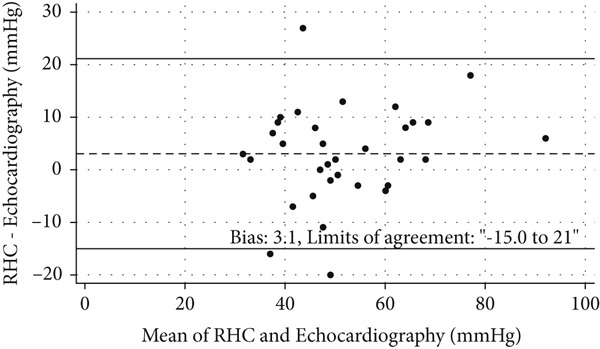 Figure 1
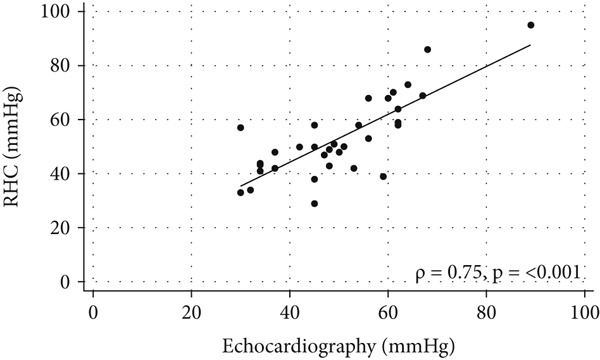 Figure 2
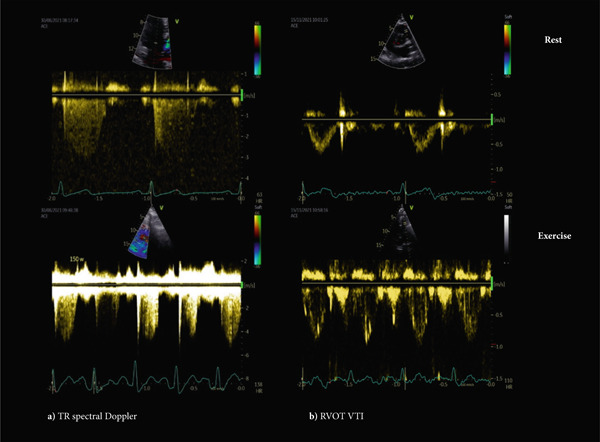 Figure 3
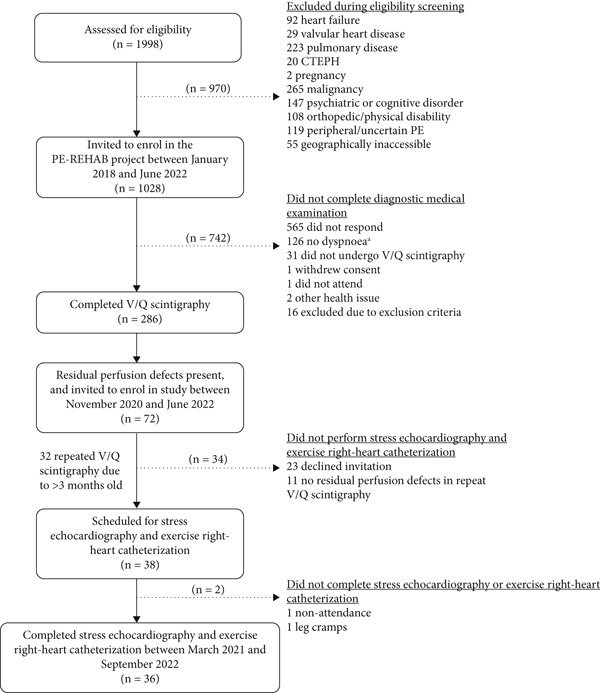 Figure 4
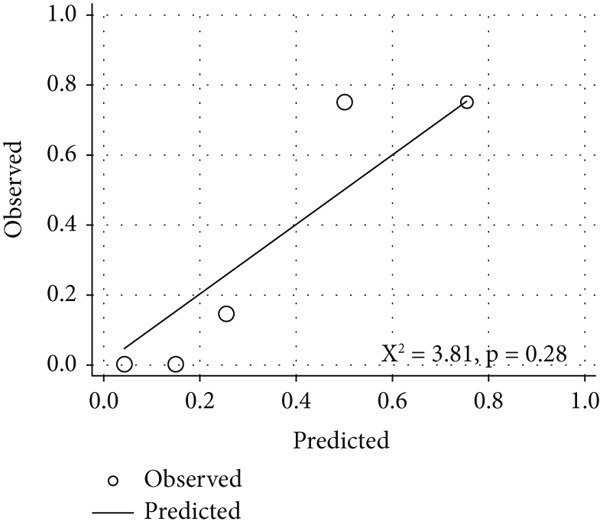 Figure 5
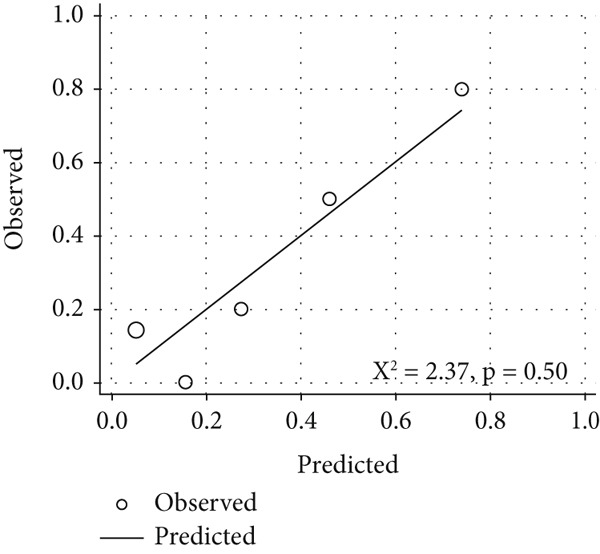 Figure 6
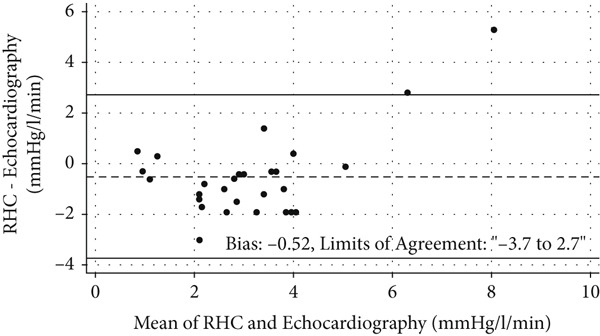 Figure 7
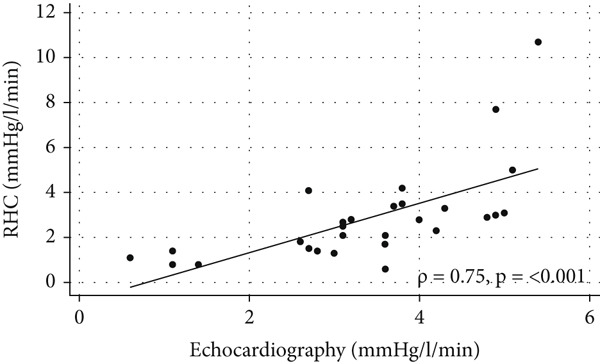 Figure 8
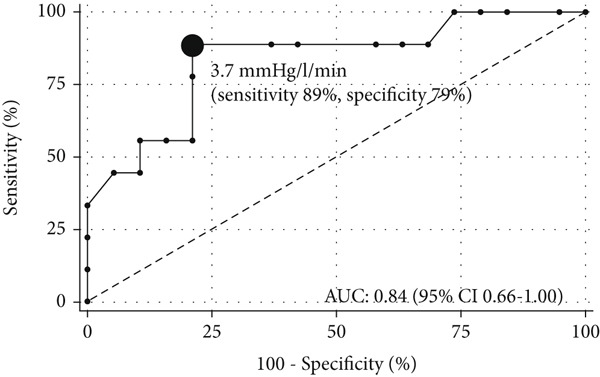 Figure 9
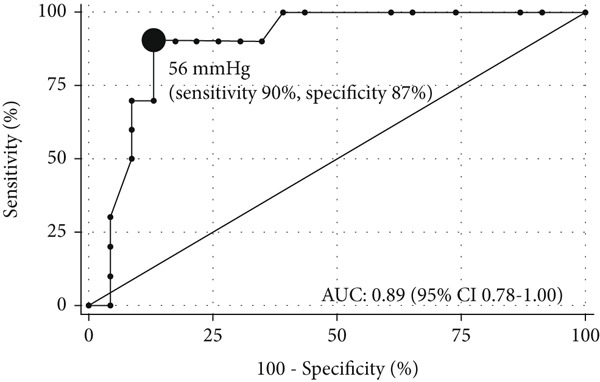 Figure 10
Peer Reviews
No public reviews on file for this paper yet. If you reviewed it on a platform where reviews are public (OpenReview, ICLR, NeurIPS, ICML), you can paste yours below so the community can read it here.
Videos
No videos yet. Explain this paper in a talk, walkthrough, or lecture? Add one.
Taxonomy
TopicsPulmonary Hypertension Research and Treatments · Cardiovascular and exercise physiology · Cardiac Valve Diseases and Treatments