The Burden of Antimicrobial‐Resistant Pseudomonas aeruginosa Isolates in Children With Cystic Fibrosis: Molecular Characterization and Genotyping Analysis
Erfaneh Jafari, Babak Pourakbari, Mohammad Reza Asadi Karam, Reza Azizian, Mohammad Reza Modaresi, Setareh Mamishi

TL;DR
This study finds high rates of drug-resistant Pseudomonas aeruginosa in children with cystic fibrosis in Iran, highlighting the need for better infection control and treatment strategies.
Contribution
The study provides new insights into the genetic diversity and resistance patterns of Pseudomonas aeruginosa in a pediatric cystic fibrosis population in Iran.
Findings
94.9% of Pseudomonas aeruginosa isolates were nonsusceptible to at least one antimicrobial agent.
blaVIM was the most frequently identified carbapenemase gene among resistant isolates.
RAPD–PCR revealed significant genetic heterogeneity, grouping isolates into 24 distinct clusters.
Abstract
Pseudomonas aeruginosa poses a significant therapeutic challenge in pediatric patients with cystic fibrosis (CF) due to increasing multidrug resistance (MDR) and carbapenem resistance, underscoring the need for surveillance to guide treatment strategies. In this study, sputum and throat swab samples were collected from inpatient and outpatient CF children with pulmonary infection at the Children's Medical Center in Tehran, Iran. Isolates were identified using standard culture and biochemical methods, followed by antimicrobial susceptibility testing. Carbapenemase production was assessed phenotypically and by molecular detection of resistance genes, and genetic diversity was also evaluated using Random Amplified Polymorphic DNA (RAPD)–polymerase chain reaction (PCR). A total of 117 P. aeruginosa isolates were recovered (prevalence 17.41%), of which 94.9% were nonsusceptible to at least…
Genes, proteins, chemicals, diseases, species, mutations and cell lines named across the full text — each resolved to its canonical identifier and authoritative record.
Click any figure to enlarge with its caption.
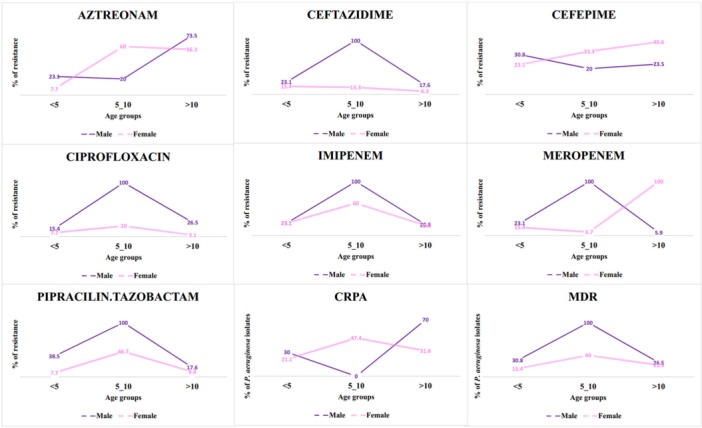 Figure 1
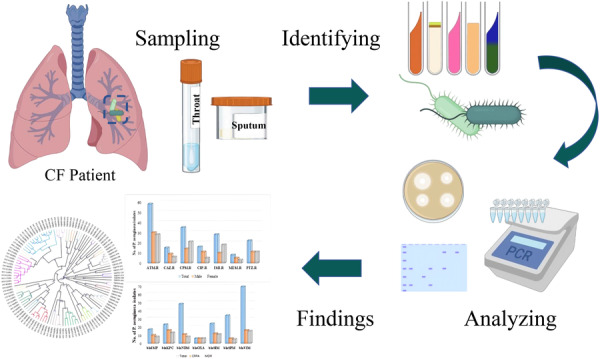 Figure 2
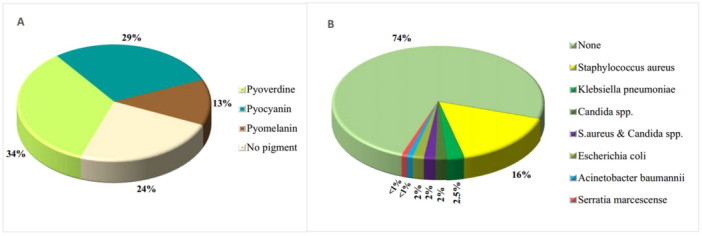 Figure 3
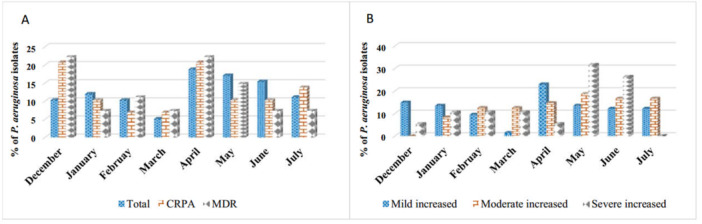 Figure 4
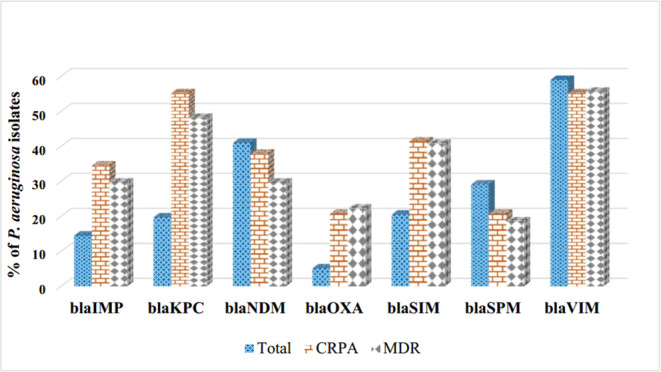 Figure 5
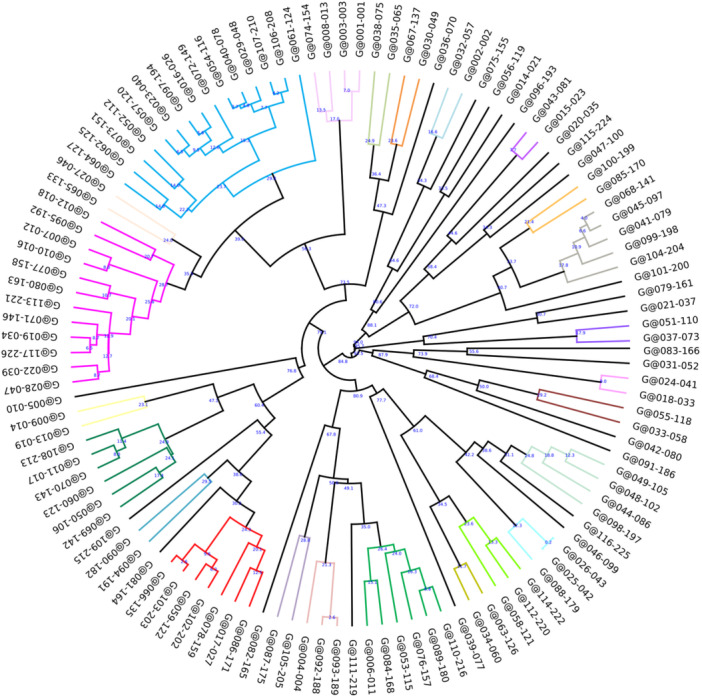 Figure 6
Peer Reviews
No public reviews on file for this paper yet. If you reviewed it on a platform where reviews are public (OpenReview, ICLR, NeurIPS, ICML), you can paste yours below so the community can read it here.
Videos
No videos yet. Explain this paper in a talk, walkthrough, or lecture? Add one.
Taxonomy
TopicsAntibiotic Resistance in Bacteria · Bacterial biofilms and quorum sensing · Cystic Fibrosis Research Advances