Pyridoxamine reduces inflammatory and microcirculatory abnormalities in metabolic dysfunction-associated steatohepatitis and modulates key factors in the hepatic AGE/ALE signaling pathway
Raquel Rangel Silvares, Beatriz Peres de Araujo, Evelyn Nunes Goulart Da Silva Pereira, Karine Lino Rodrigues, Juliana Magalhães Chaves Barbosa, Juliana Florencio da Silva, Vivian Vieira Dias da Silva, Marjo Van de aarenburg, Jean Scheijen, Kristiaan Wouters, Casper Schalkwijk

TL;DR
Pyridoxamine reduces liver inflammation and microcirculation issues in a mouse model of MASH by modulating the AGE/ALE signaling pathway.
Contribution
Pyridoxamine's novel impact on rebalancing the hepatic AGE/ALE pathway in MASH is demonstrated through metabolic and hepatoprotective effects.
Findings
Pyridoxamine reduces weight gain, hyperglycemia, and fat accumulation in MASH-affected mice.
Pyridoxamine lowers proinflammatory cytokines and reactive dicarbonyls like glyoxal and 3-deoxyglucosone.
Pyridoxamine modulates AGE/ALE signaling by downregulating RAGE and upregulating detoxifying mediators like glyoxalase-1.
Abstract
Metabolic dysfunction-associated steatohepatitis (MASH) is an increasing public health concern for which new therapies are urgently needed. As growing evidence suggests that the advanced glycation/lipoxidation end products (AGE/ALE) pathway contribute to disease progression, we investigated how pyridoxamine modulates hepatic AGE/ALE-related signaling in a murine model of MASH, as well as its pharmacological impact on key features of MASH. C57BL/6 mice were fed either a standard diet (Control) or a high-fat, high-carbohydrate diet with 2% cholesterol (HFHC + CHOL2%) for 12 weeks. From weeks 6–12, subgroups of both diet groups received pyridoxamine (200 mg/kg/day), while the remaining mice received vehicles. Body and liver weights, blood glucose levels, adipose tissue distribution, liver histology, serum biochemistry, microcirculation, inflammatory cytokines, oxidative stress, and AGE/ALE…
Genes, proteins, chemicals, diseases, species, mutations and cell lines named across the full text — each resolved to its canonical identifier and authoritative record.
Click any figure to enlarge with its caption.
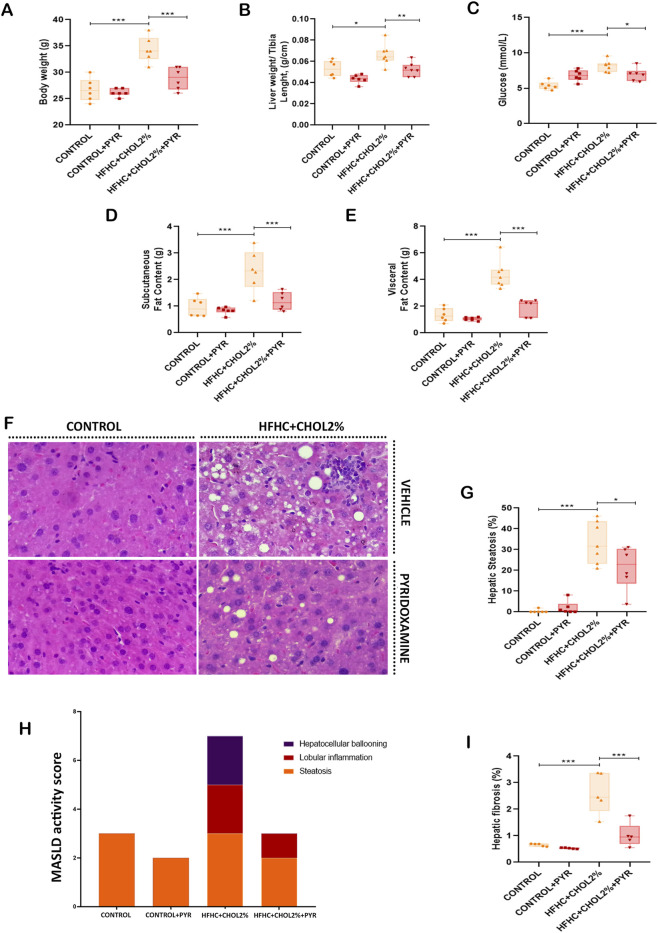 Figure 1
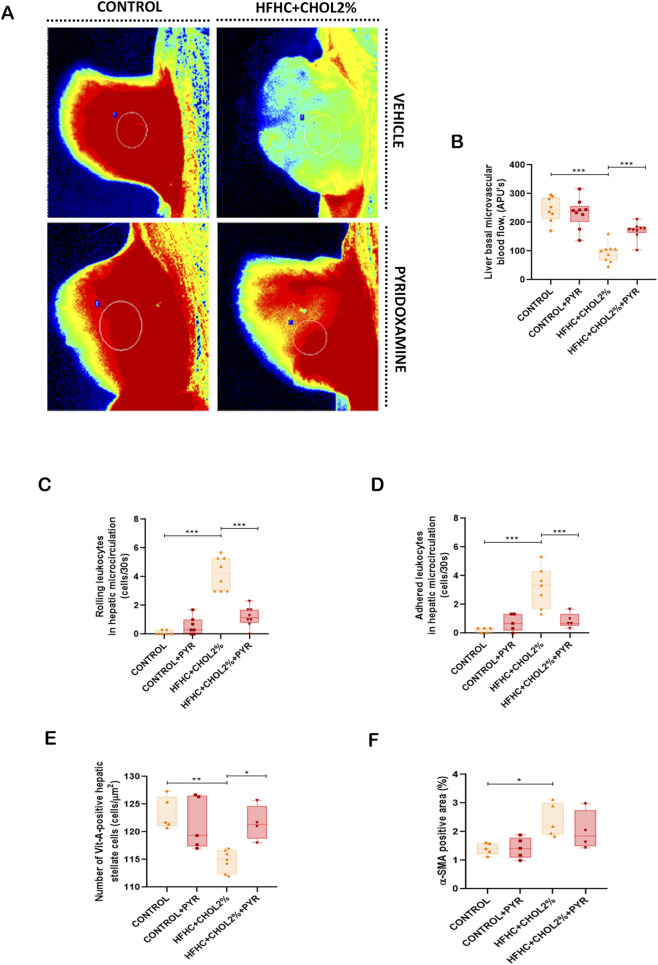 Figure 2
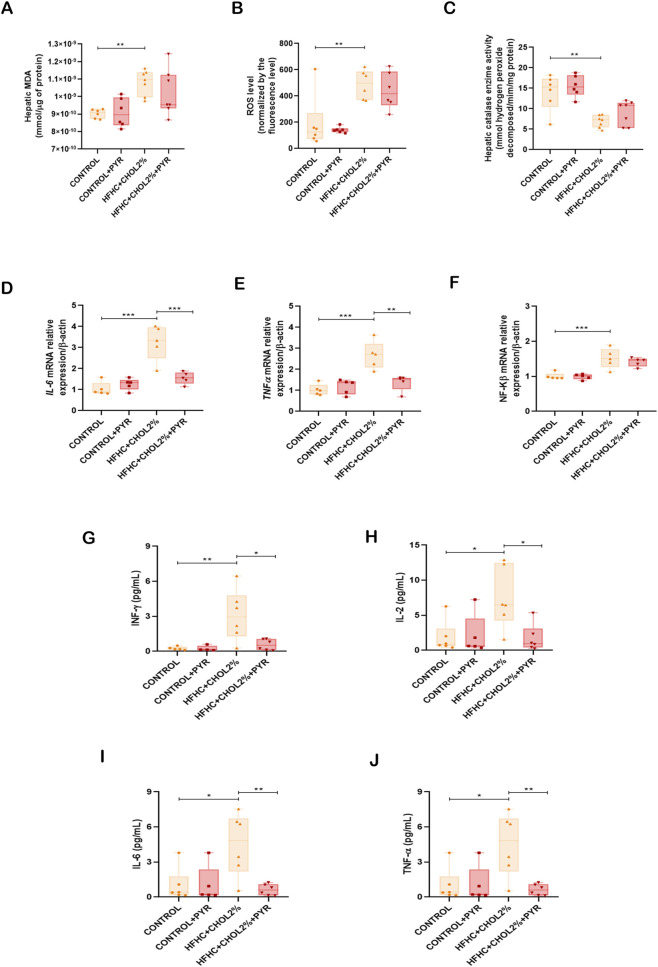 Figure 3
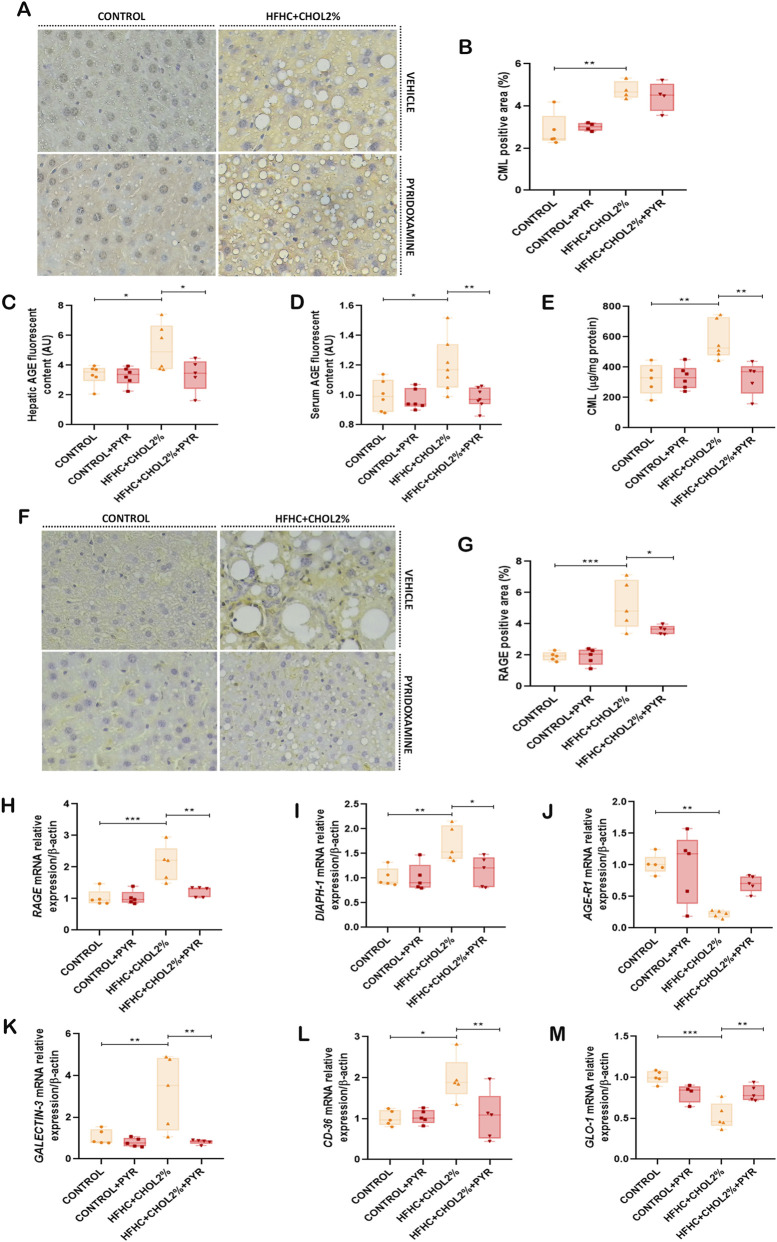 Figure 4
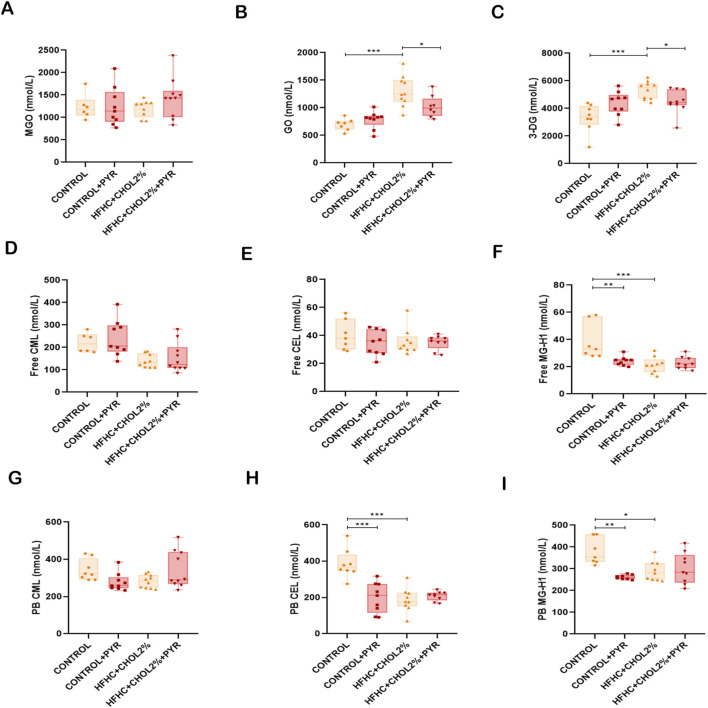 Figure 5
Peer Reviews
No public reviews on file for this paper yet. If you reviewed it on a platform where reviews are public (OpenReview, ICLR, NeurIPS, ICML), you can paste yours below so the community can read it here.
Videos
No videos yet. Explain this paper in a talk, walkthrough, or lecture? Add one.
Taxonomy
TopicsAdvanced Glycation End Products research · Liver Disease Diagnosis and Treatment · Glycosylation and Glycoproteins Research