Post-activation potentiation enhancement induction strategies with different rest intervals on jump performance: a meta-analysis
Ying Zhou, Xiaoqin Zhang, Jian Wang

TL;DR
This study finds that post-activation potentiation training improves jump performance, with best results using back squats, moderate intensity, and 3–7 minute rest intervals.
Contribution
The study identifies optimal PAPE strategies for jump performance based on exercise mode, intensity, and rest intervals.
Findings
PAPE significantly improves jump performance with a large effect size.
Back squats and moderate intensity yield the largest improvements in jump performance.
A rest interval of 3–7 minutes is most effective for PAPE.
Abstract
This meta-analysis aimed to systematically evaluate the effects of post-activation potentiation enhancement (PAPE) on jump performance and explore its optimal induction strategies. Randomized controlled trials (RCTs) investigating the influence of PAPE training on jump performance were retrieved from Web of Science, PubMed, Scopus, and EBSCO. Literature screening was conducted using the Cochrane Risk of Bias Tool. Quality assessment and statistical analyses were performed using RevMan 5.4 software, while sensitivity analysis and funnel plots were employed to evaluate result stability and publication bias. A total of 22 RCTs involving 468 participants were included. The meta-analysis demonstrated that PAPE significantly improved jump performance [SMD = 1.36, 95% CI (0.89, 1.83), P < 0.0001]. Subgroup analysis indicated that exercise intensity might be a source of heterogeneity across…
Click any figure to enlarge with its caption.
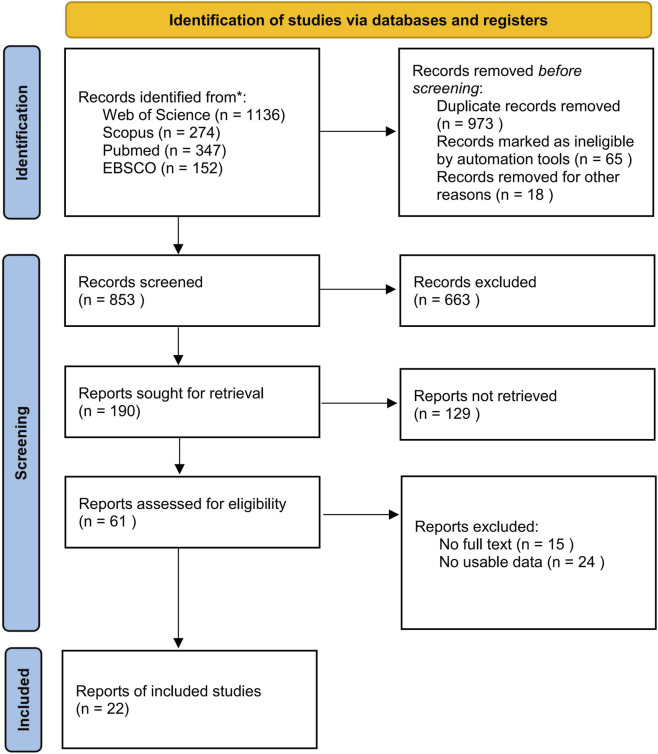 Figure 1
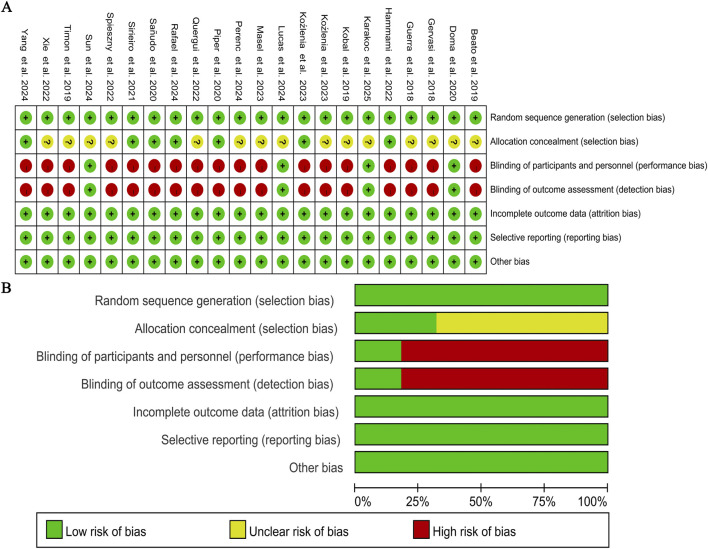 Figure 2
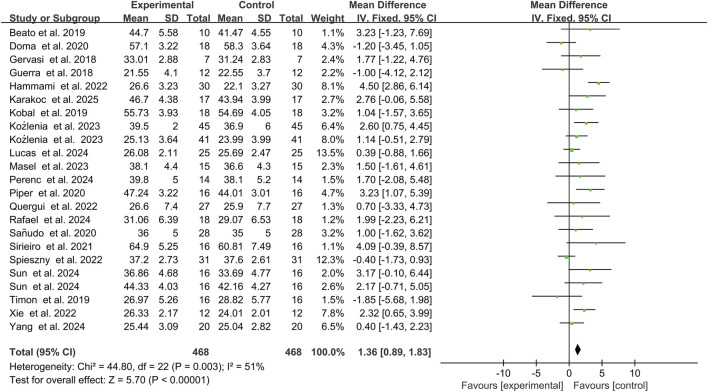 Figure 3
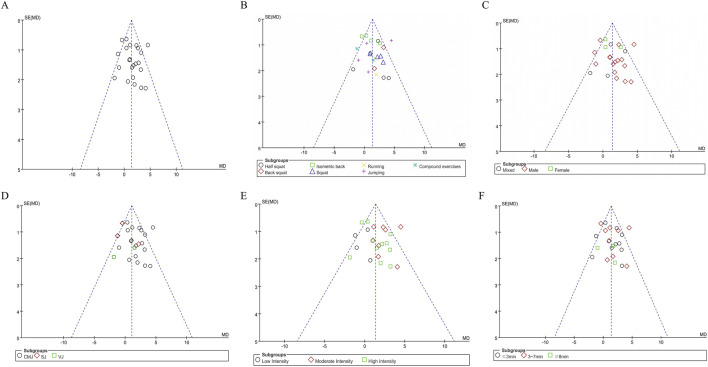 Figure 4
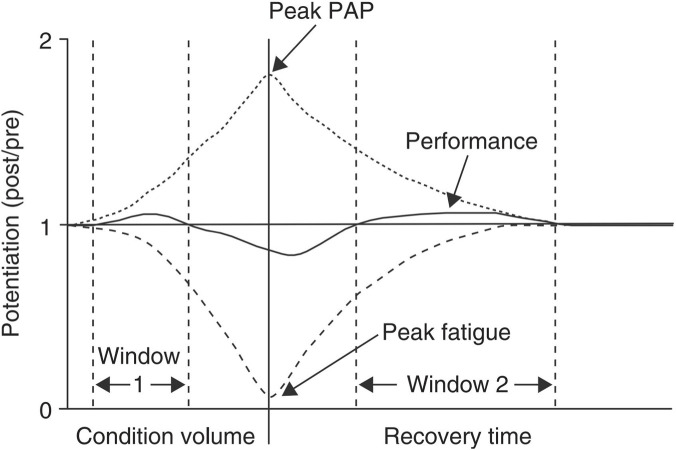 Figure 5
Peer Reviews
No public reviews on file for this paper yet. If you reviewed it on a platform where reviews are public (OpenReview, ICLR, NeurIPS, ICML), you can paste yours below so the community can read it here.
Videos
No videos yet. Explain this paper in a talk, walkthrough, or lecture? Add one.
Taxonomy
TopicsSports Performance and Training · Sports injuries and prevention · Sport Psychology and Performance