Resistance training and cardiovascular health: epigenetic regulation
João Gabriel Silva, Luis Felipe Rodrigues, Thyerre Torres, Alex Cleber Improta-Caria, Edilamar Menezes Oliveira, Tiago Fernandes

TL;DR
Resistance training improves cardiovascular health through epigenetic changes that modulate gene expression and protect against heart disease.
Contribution
The paper highlights how resistance training induces epigenetic adaptations that benefit cardiovascular function and disease prevention.
Findings
Resistance training promotes DNA methylation and histone changes that improve cardiac function and reduce inflammation.
Combining resistance and aerobic training enhances cardiovascular risk factors like blood pressure and lipid profiles.
Epigenetic regulation allows for reversible adaptations in the cardiovascular system through exercise.
Abstract
Resistance training plays a crucial role in cardiovascular health by promoting epigenetic adaptations that beneficially modulate gene expression. These modifications include DNA methylation, histone alterations, and regulation by non-coding RNAs, which directly affect cardiac muscle and the vascular system. Such epigenetic changes lead to improved cardiac function, reduced inflammation, optimized metabolism, and protection against cardiovascular diseases. Resistance training induces the release of signaling molecules that mediate favorable systemic adaptations. Studies demonstrate that resistance training, especially when combined with aerobic training, improves cardiovascular risk factors such as blood pressure and lipid profile. Epigenetic regulation is fundamental to the plasticity of the cardiovascular system and the reversibility of exercise-induced adaptations. Although extreme…
Genes, proteins, chemicals, diseases, species, mutations and cell lines named across the full text — each resolved to its canonical identifier and authoritative record.
Click any figure to enlarge with its caption.
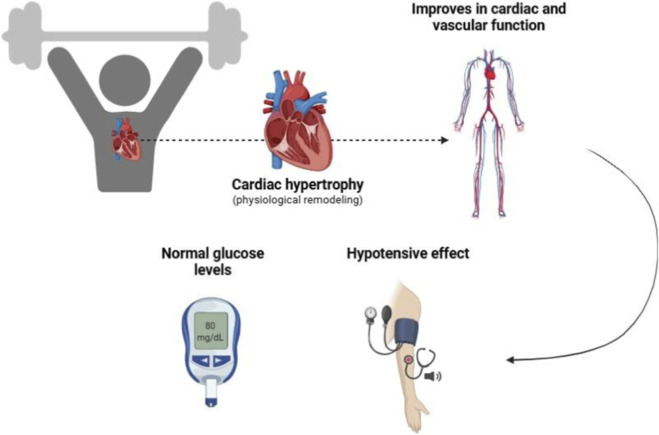 Figure 1
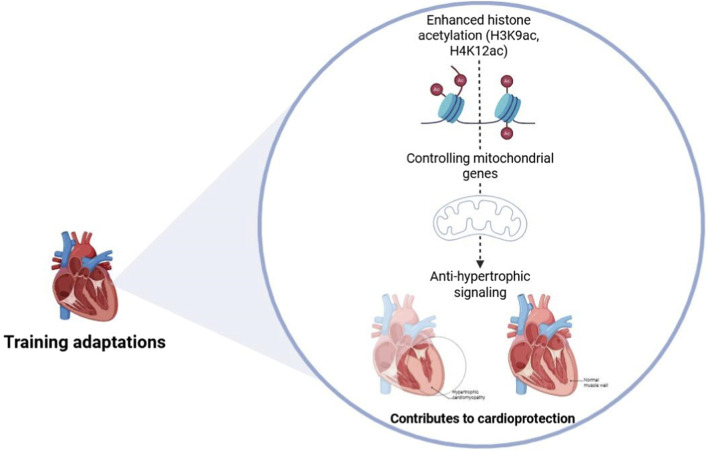 Figure 2
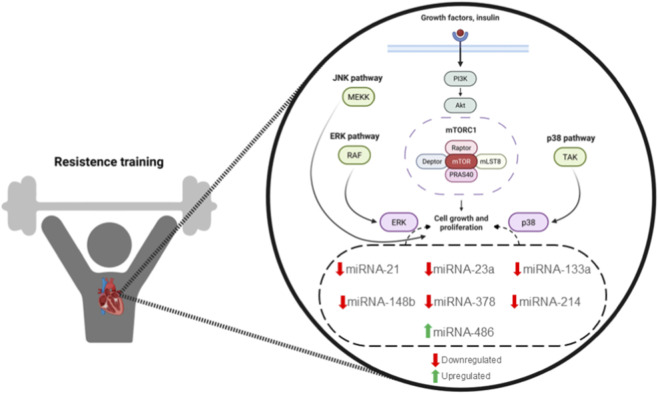 Figure 3
Peer Reviews
No public reviews on file for this paper yet. If you reviewed it on a platform where reviews are public (OpenReview, ICLR, NeurIPS, ICML), you can paste yours below so the community can read it here.
Videos
No videos yet. Explain this paper in a talk, walkthrough, or lecture? Add one.
Taxonomy
TopicsEpigenetics and DNA Methylation · Genetics and Physical Performance · Cardiovascular and exercise physiology