Repeated-sprint training with low lung volume voluntary hypoventilation performed continuously throughout each set in healthy females
Léa Devantay, Grégoire P. Millet, Antoine Raberin

TL;DR
This study compared the effects of repeated-sprint training with normal breathing versus voluntary hypoventilation in healthy females, finding that hypoventilation increased breathing difficulty but did not cause significant hypoxia or maintain training intensity.
Contribution
The study introduces a novel approach of continuous voluntary hypoventilation during repeated-sprint training and evaluates its physiological and perceptual impacts in healthy females.
Findings
Voluntary hypoventilation during training did not cause significant systemic or local hypoxia.
Training load indices were significantly lower during hypoventilation compared to normal breathing.
Participants reported higher perceived difficulty of breathing during hypoventilation sessions.
Abstract
This study aimed to investigate the acute responses induced by a session of repeated-sprint training in hypoxia (RSH) induced by voluntary hypoventilation at low lung volume (VHL) performed continuously throughout the exercise in healthy females. Thirteen females performed, in a randomized order, two sessions of repeated sprints (three sets of eight 10-s all-out sprints): with normal breathing (RSN) vs. with VHL performed continuously throughout each set (RSH-VHL). Peak and mean power output, heart rate, stroke volume, cardiac output, pulse oxygen saturation, muscle oxygenation in the vastus lateralis and the biceps brachii, blood lactate concentration, rate of perceived exertion and perceived difficulty of breathing and pedalling were assessed. RSH-VHL did not induce desaturation (97.5 ± 2.0 for RSH-VHL vs. 98.0% ± 1.6% for RSN; p = 0.243) nor greater muscle deoxygenation in the…
Genes, proteins, chemicals, diseases, species, mutations and cell lines named across the full text — each resolved to its canonical identifier and authoritative record.
Click any figure to enlarge with its caption.
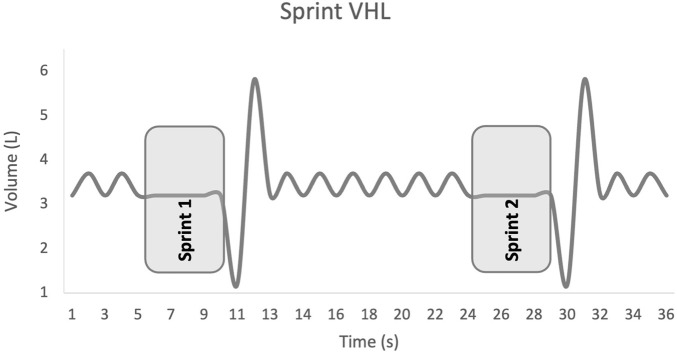 Figure 1
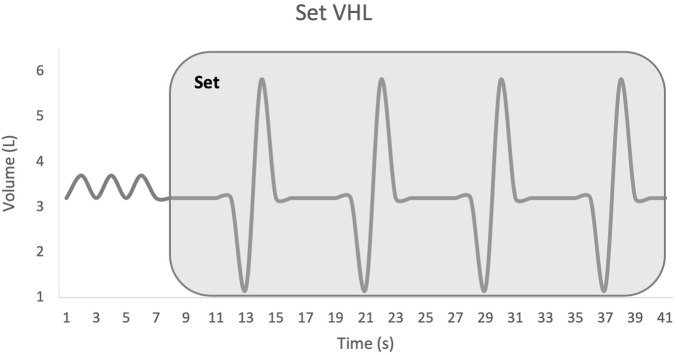 Figure 2
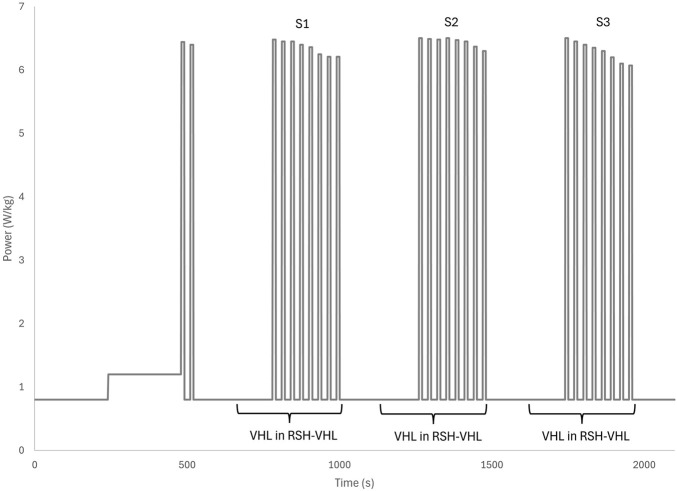 Figure 3
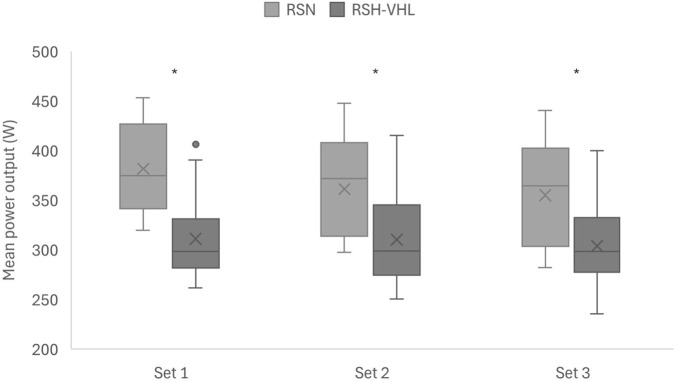 Figure 4
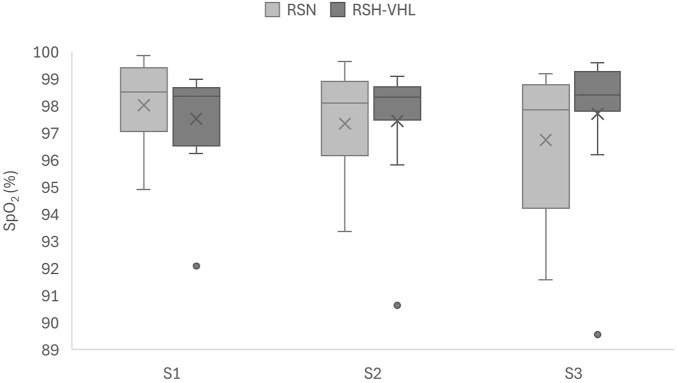 Figure 5
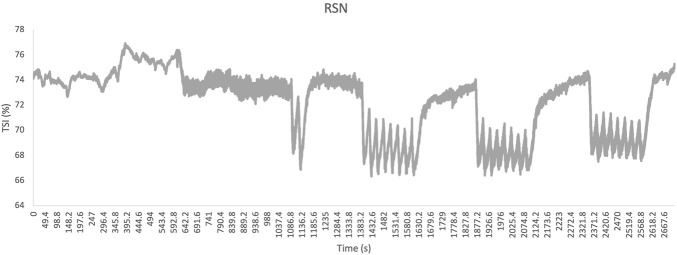 Figure 6
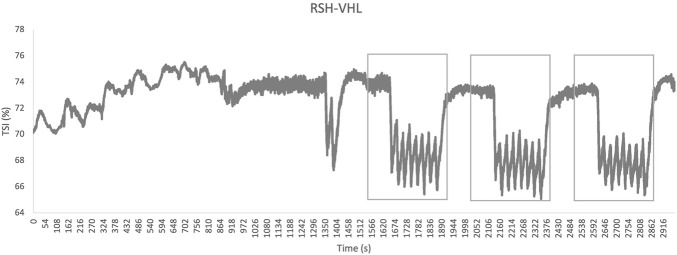 Figure 7
Peer Reviews
No public reviews on file for this paper yet. If you reviewed it on a platform where reviews are public (OpenReview, ICLR, NeurIPS, ICML), you can paste yours below so the community can read it here.
Videos
No videos yet. Explain this paper in a talk, walkthrough, or lecture? Add one.
Taxonomy
TopicsHigh Altitude and Hypoxia · Cardiovascular and exercise physiology · Chronic Obstructive Pulmonary Disease (COPD) Research