Single-cell transcriptomics reveals mechanisms of Galt gene editing–induced liver injury involving HGF–VEGF–mediated intercellular signaling in mice
Zhihao Li, Ning Wang, Haolong Ruan, Qi Li, Xingling Zhang, Nian Liu, Yong Li, Lantao Gu, Pengpeng Yue, Honghao Yu

TL;DR
This study uses gene-edited mice to show how Galt gene mutations cause liver injury through altered cell signaling and immune responses.
Contribution
The study introduces a novel GAL mouse model and identifies HGF–VEGF-mediated intercellular signaling as a key mechanism in Galt gene-induced liver injury.
Findings
GAL mice show significant liver injury with elevated ALT/AST levels and hepatocyte edema.
Single-cell transcriptomics reveal altered hepatocyte subtypes and immune gene upregulation.
Enhanced HGF and VEGF signaling is linked to liver injury in Galt gene-edited mice.
Abstract
Galactosemia, a genetic disorder caused by mutations in the human GALT gene, often leads to multi-organ damage, with liver injury being particularly prominent. To elucidate the molecular mechanisms of Galt in liver injury, this study employed the CRISPR/Cas9 system to construct a Galt (c.847 + 1G > T) gene-edited mouse (GAL mouse) model. Quantitative Real-time PCR and Western blotting revealed a significant reduction of Galt gene in GAL mice. Elevated liver index, serum ALT and AST levels, and H&E staining results indicated significant hepatocyte edema in GAL mice, suggesting a pronounced liver injury phenotype. Single-cell transcriptomics further unveiled significant changes in hepatocyte subtype proportions, with downregulation of metabolism-related genes and upregulation of immune-related genes. Cell communication analysis demonstrated that the communication of HGF and VEGF signaling…
Genes, proteins, chemicals, diseases, species, mutations and cell lines named across the full text — each resolved to its canonical identifier and authoritative record.
Click any figure to enlarge with its caption.
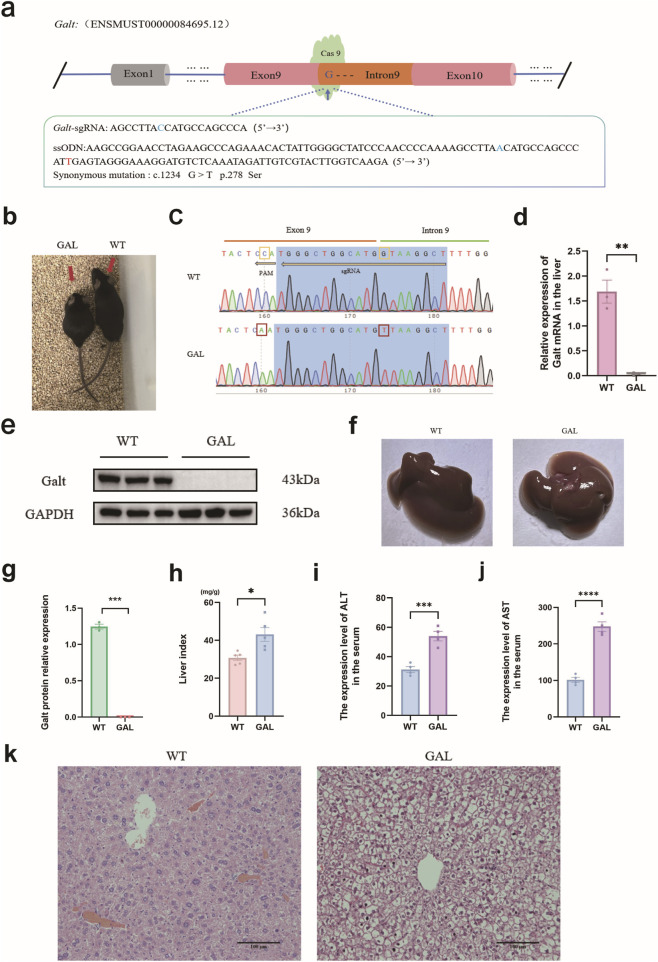 Figure 1
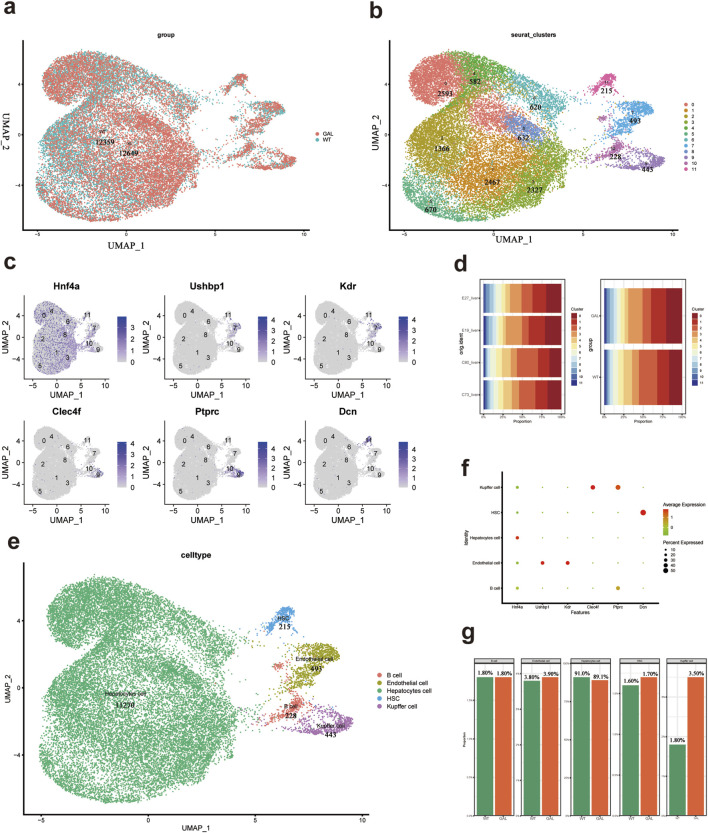 Figure 2
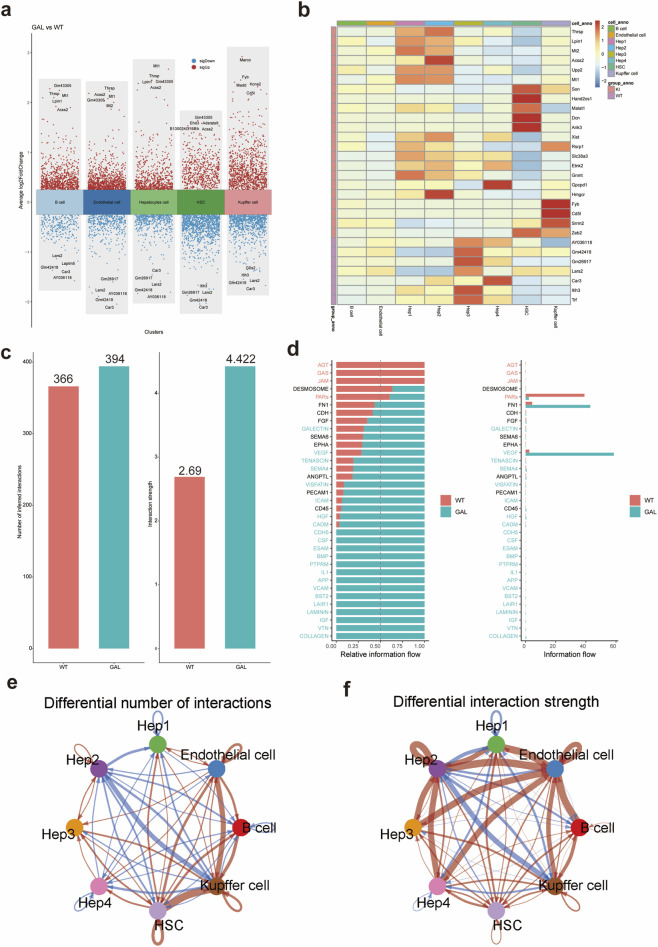 Figure 3
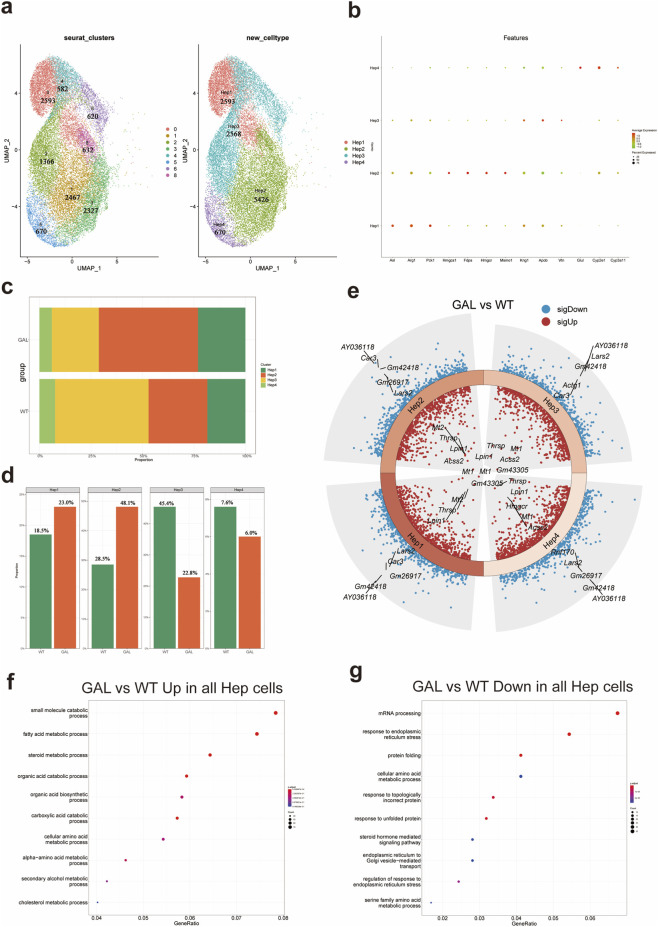 Figure 4
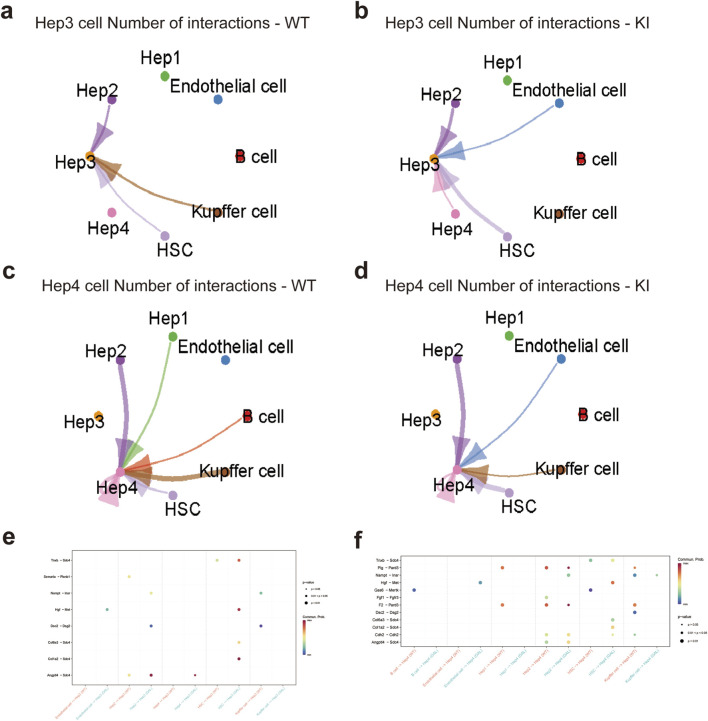 Figure 5
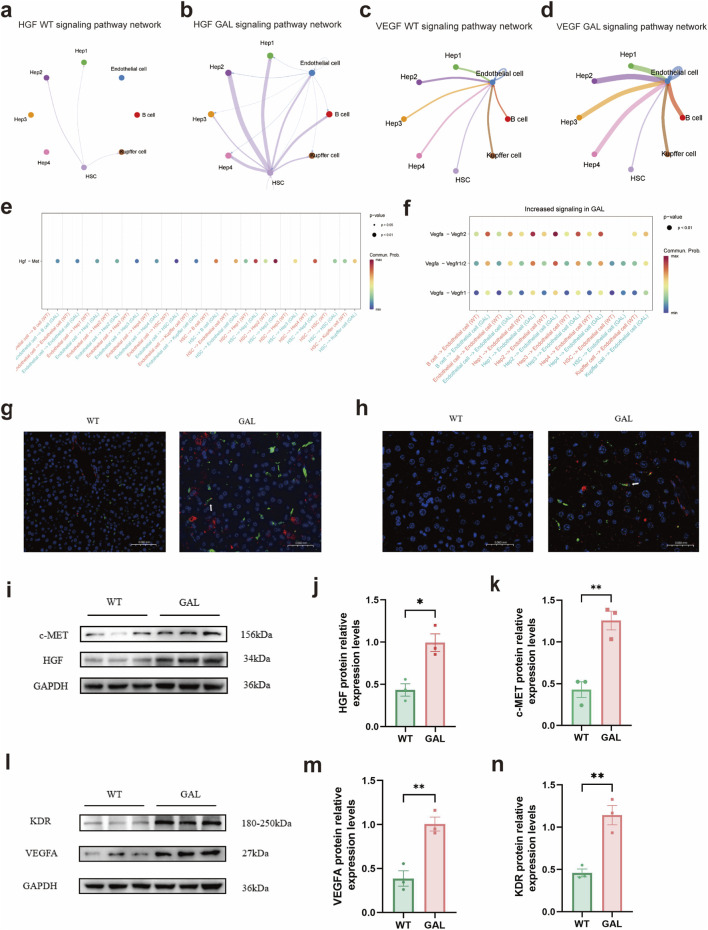 Figure 6
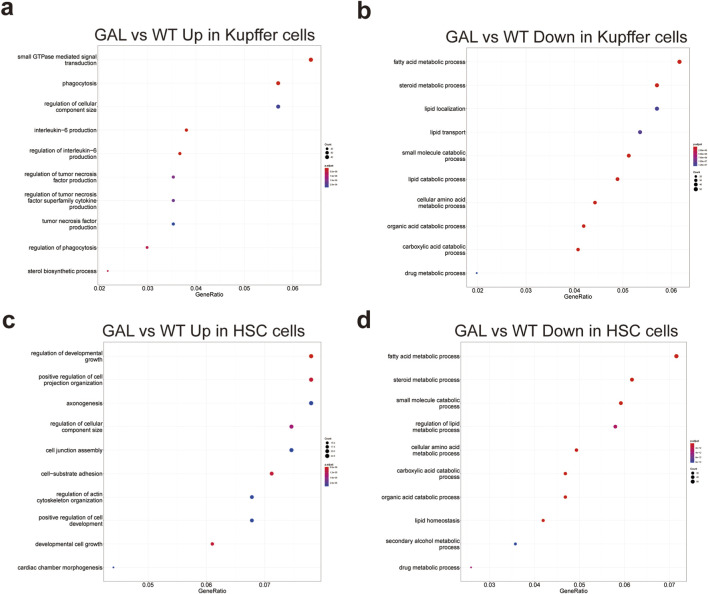 Figure 7
Peer Reviews
No public reviews on file for this paper yet. If you reviewed it on a platform where reviews are public (OpenReview, ICLR, NeurIPS, ICML), you can paste yours below so the community can read it here.
Videos
No videos yet. Explain this paper in a talk, walkthrough, or lecture? Add one.
Taxonomy
TopicsLiver physiology and pathology · CRISPR and Genetic Engineering · Xenotransplantation and immune response