Pleiotrophin/Midkine Pathway Is Dysregulated in a TDP‐43A315T Mouse Model of Amyotrophic Lateral Sclerosis (ALS)
Paloma Martínez‐Alesón, Cristina Benito‐Casado, Carmen María Fernández‐Martos, María José Polanco Mora

TL;DR
This study finds that the PTN/MK pathway is upregulated in a mouse model of ALS, suggesting a potential role in disease progression.
Contribution
The study is the first to investigate the involvement of PTN and MK signaling in ALS pathology.
Findings
Ptn, Mdk, and Ptprz1 mRNA levels are significantly upregulated in TDP-43A315T mice at end-stage disease.
Protein levels of PTN and MK are also increased at end-stage disease in these mice.
Immunostaining of PTN and MK is elevated in neurons and glial cells in the spinal cords of TDP-43A315T mice.
Abstract
Amyotrophic lateral sclerosis (ALS) is a fatal motor neuron disease (MND) characterized by progressive degeneration of both upper and lower motor neurons, along with skeletal muscles innervated by them. The identification of key molecules involved in disease pathology remains crucial for ALS, as no curative treatment is currently available. Pleiotrophin (PTN) and midkine (MK) are closely related, heparin‐binding cytokines with overlapping effects. These molecules have been shown to be neuroprotective by modulating neuroinflammation, supporting neuronal survival, growth, and differentiation, and enhancing synaptic strength and plasticity. Despite their reported neuroprotective properties, the involvement of PTN and MK signaling in ALS has not been previously investigated. In this study, we characterized the expression of the PTN/MK pathway in the lumbar spinal cords (SCs) of TDP‐43A315T…
Genes, proteins, chemicals, diseases, species, mutations and cell lines named across the full text — each resolved to its canonical identifier and authoritative record.
Click any figure to enlarge with its caption.
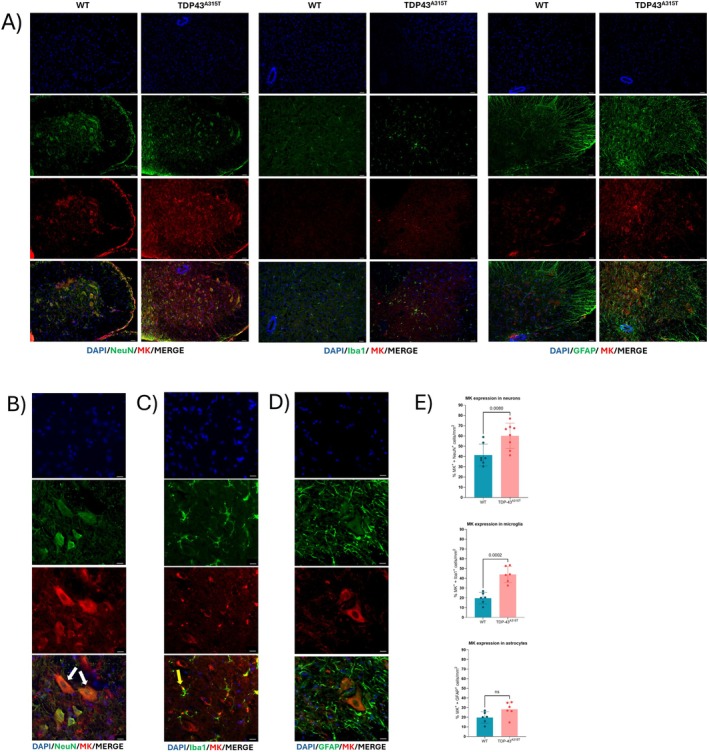 Figure 1
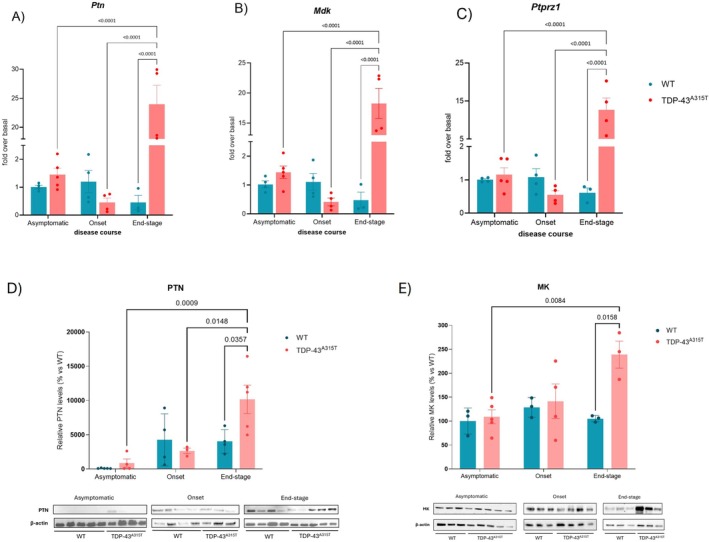 Figure 2
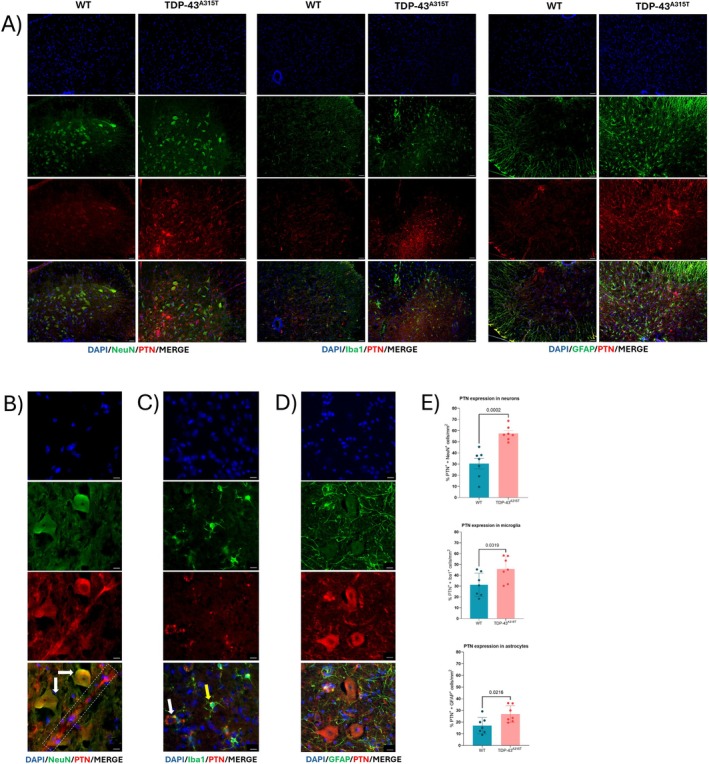 Figure 3
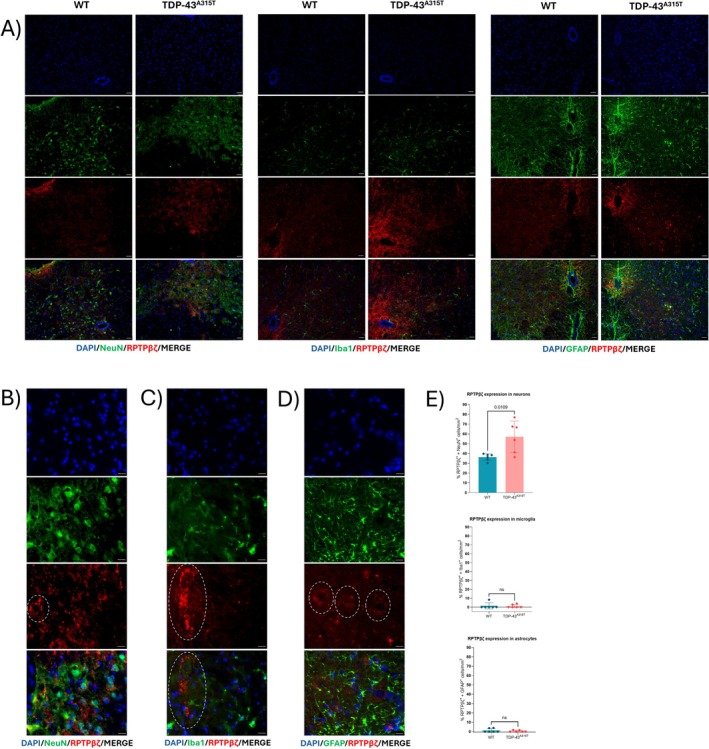 Figure 4
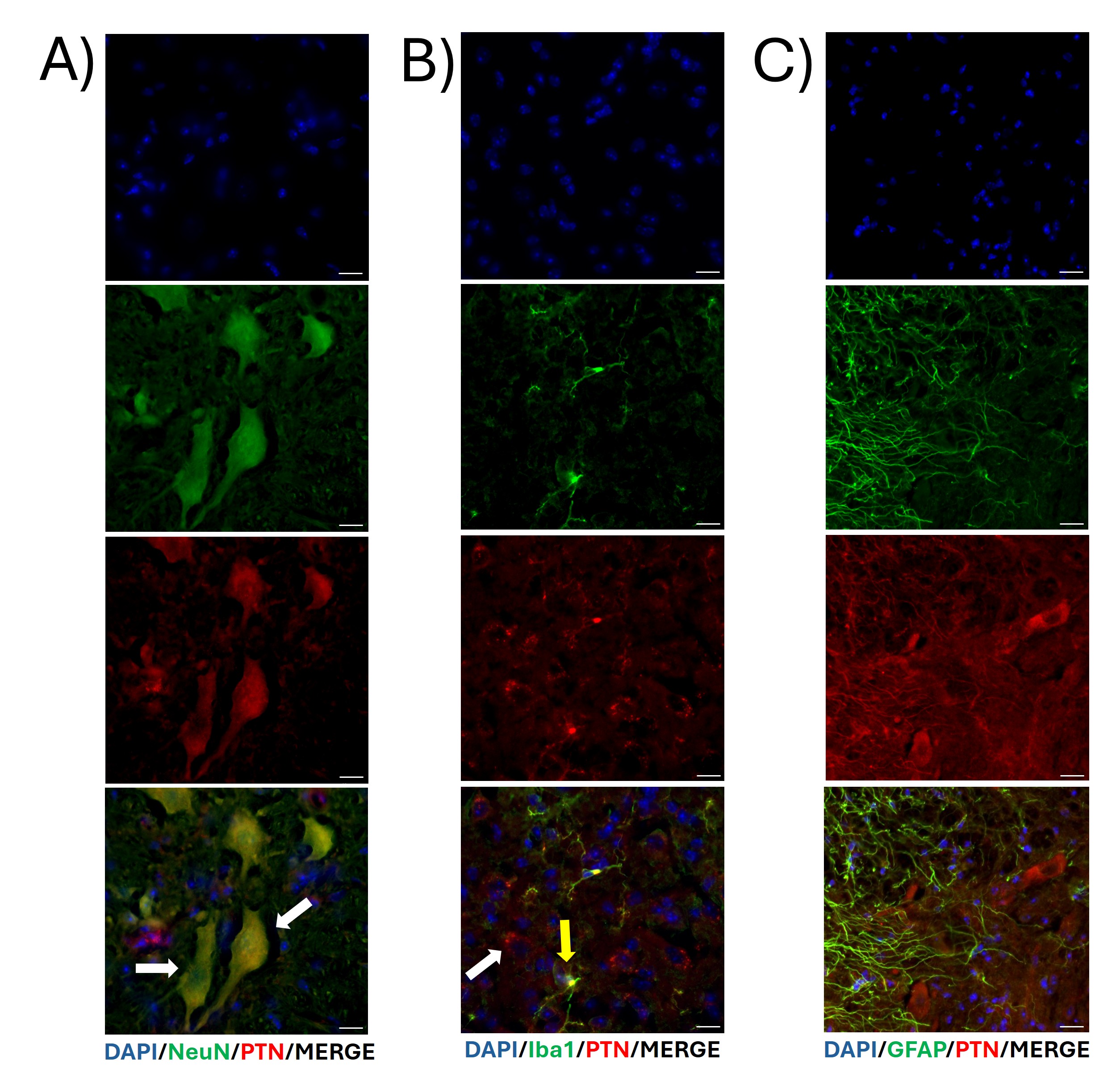 Figure 5
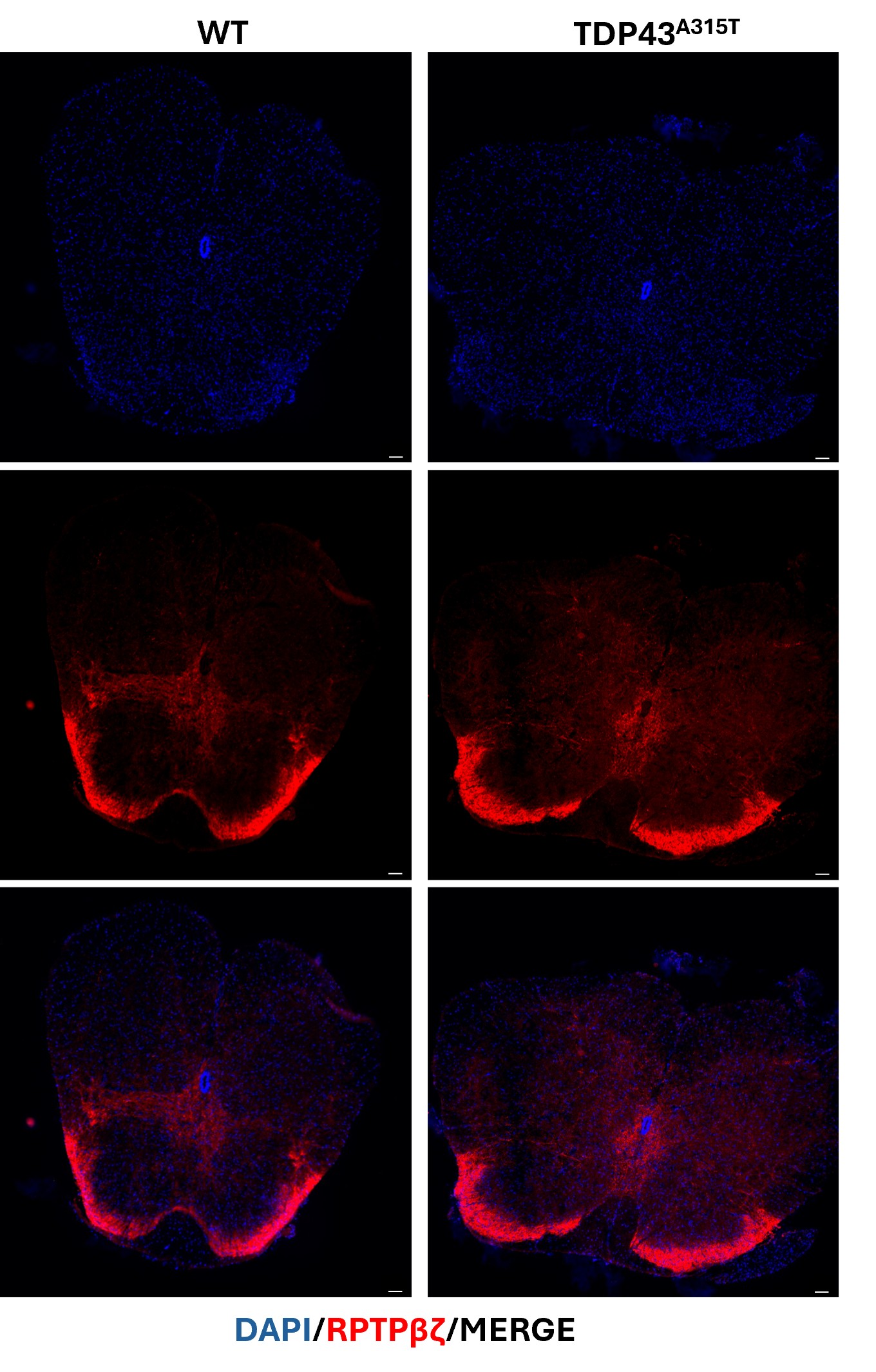 Figure 6
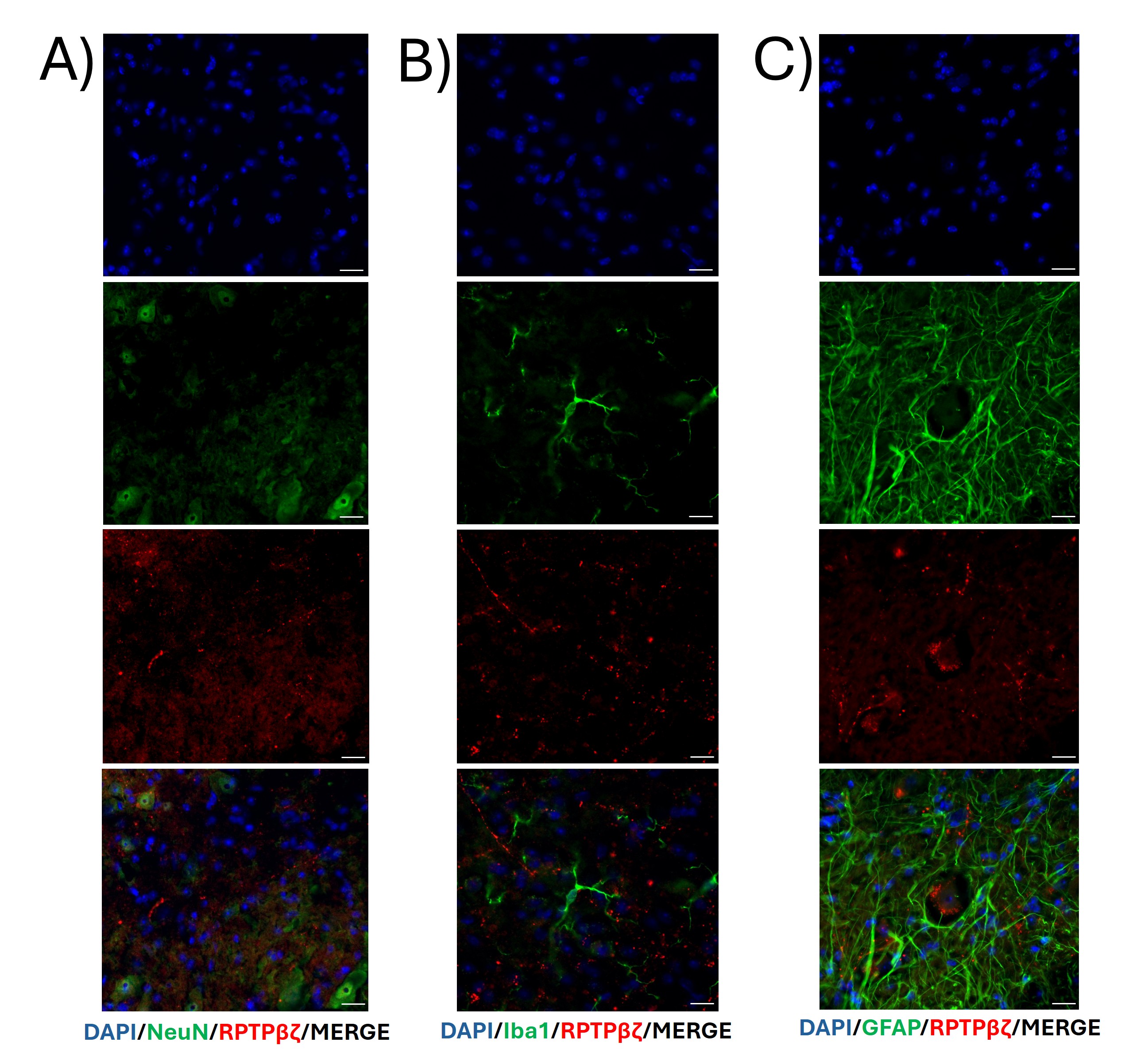 Figure 7
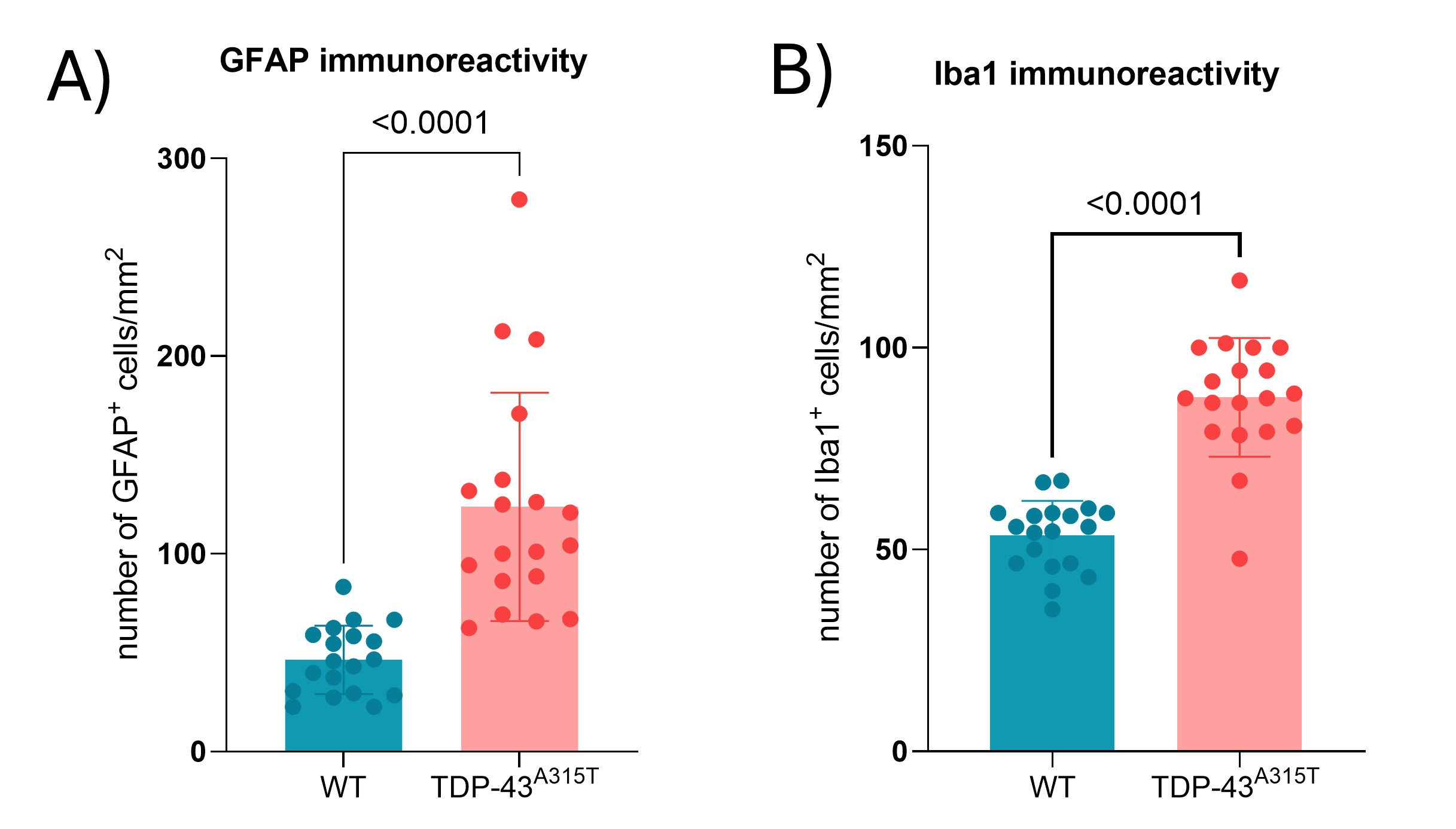 Figure 8
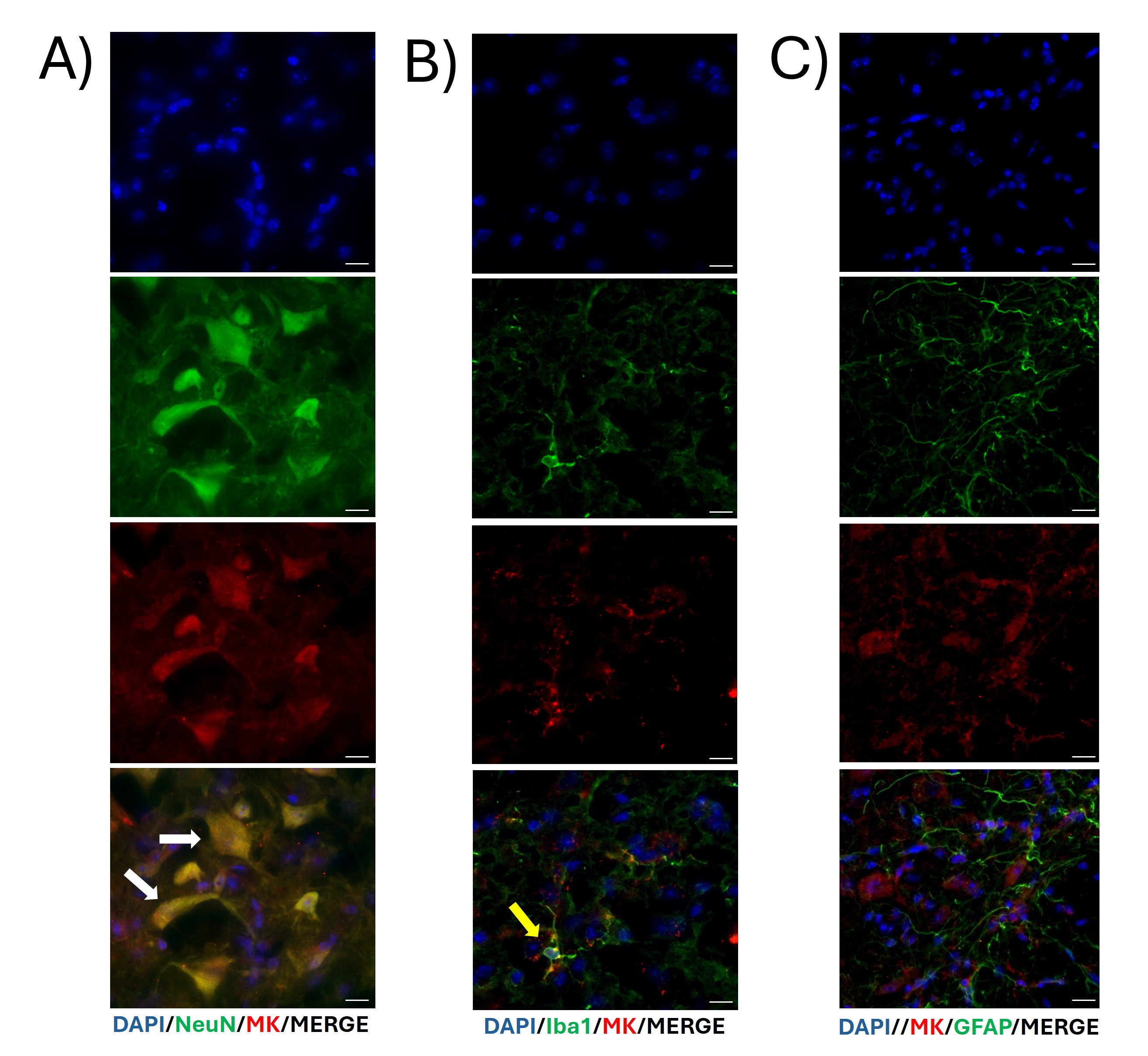 Figure 9
Peer Reviews
No public reviews on file for this paper yet. If you reviewed it on a platform where reviews are public (OpenReview, ICLR, NeurIPS, ICML), you can paste yours below so the community can read it here.
Videos
No videos yet. Explain this paper in a talk, walkthrough, or lecture? Add one.
Taxonomy
TopicsProteoglycans and glycosaminoglycans research · Skin and Cellular Biology Research · Amyotrophic Lateral Sclerosis Research