A heterozygous USB1 variant linked to immunodeficiency
Alice Valagussa, Nidia Moreno-Corona, Chantal Lagresle-Peyrou, Sara Mercurio, Margot Tragin, Nicolas Goudin, Mélanie Parisot, Monica Beltrame, Despina Moshous, Sven Kracker

TL;DR
A new USB1 gene variant is linked to immune issues and low neutrophil counts, expanding understanding of related diseases.
Contribution
A novel heterozygous USB1 variant (p.P44L) is identified and shown to affect immune cell function and pigmentation.
Findings
The p.P44L variant alters USB1 protein localization and interactions but does not disrupt U6 RNA processing.
Zebrafish models show reduced neutrophil counts and pigmentation with the variant.
Hypogammaglobulinemia may be associated with USB1 dysfunction.
Abstract
This study identifies a novel heterozygous USB1 variant (p.P44L) in a patient with hypogammaglobulinemia and low neutrophil counts, showing altered protein localization and function. Functional assays and zebrafish models reveal its impact on immune cells and pigmentation, expanding USB1-related disease understanding. Poikiloderma with neutropenia is a genetic disorder characterized by skin abnormalities, nail dystrophy, bone anomalies, and neutropenia. USB1 encodes a phosphodiesterase essential for processing spliceosomal U6 RNA and some microRNAs, regulating their stability. This study describes a heterozygous de novo USB1 variant (p.P44L) identified in a patient with recurrent infections, hypogammaglobulinemia, and low neutrophil counts. Unlike previously reported mutations, p.P44L affects a conserved proline in the N-terminal domain, predicted to be critical for protein…
Genes, proteins, chemicals, diseases, species, mutations and cell lines named across the full text — each resolved to its canonical identifier and authoritative record.
Click any figure to enlarge with its caption.
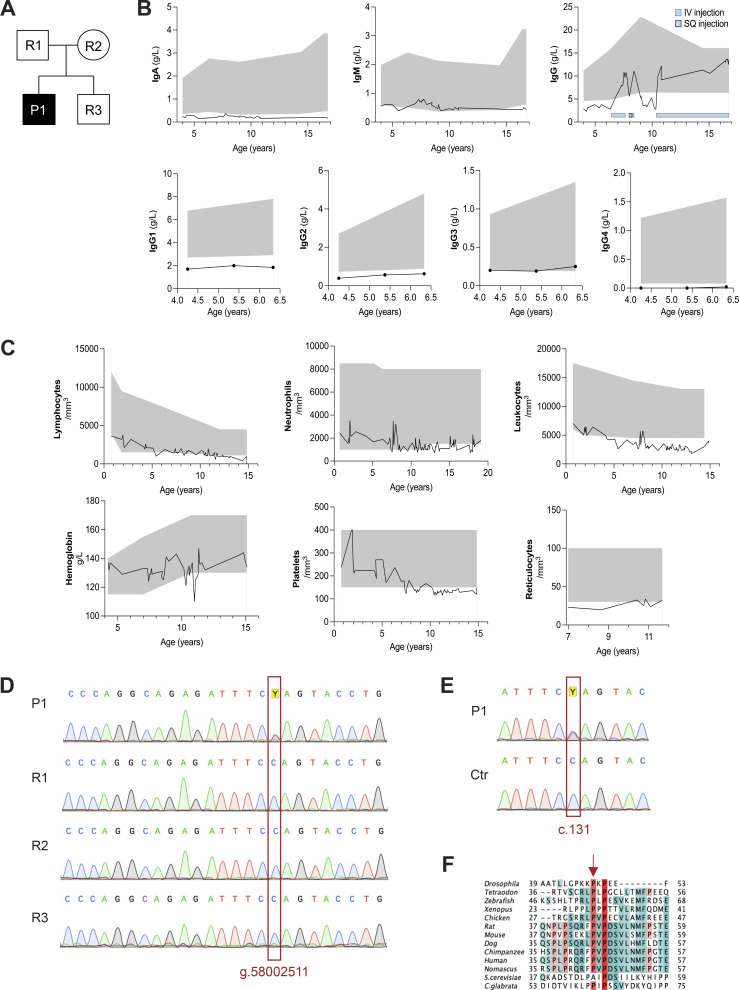 Figure 1
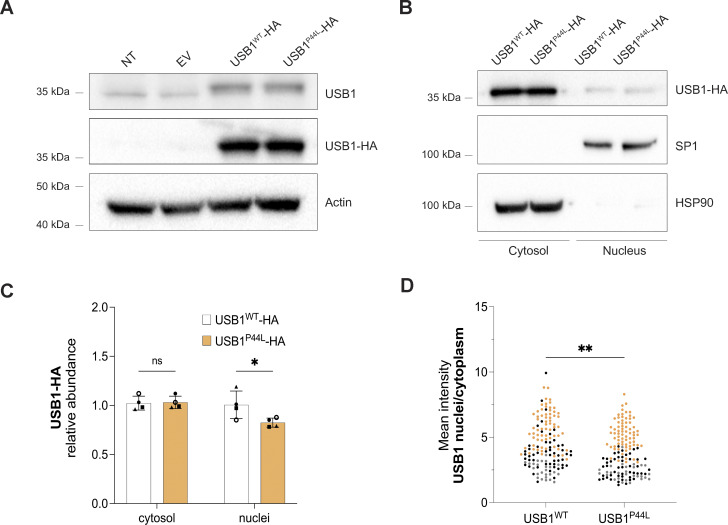 Figure 2
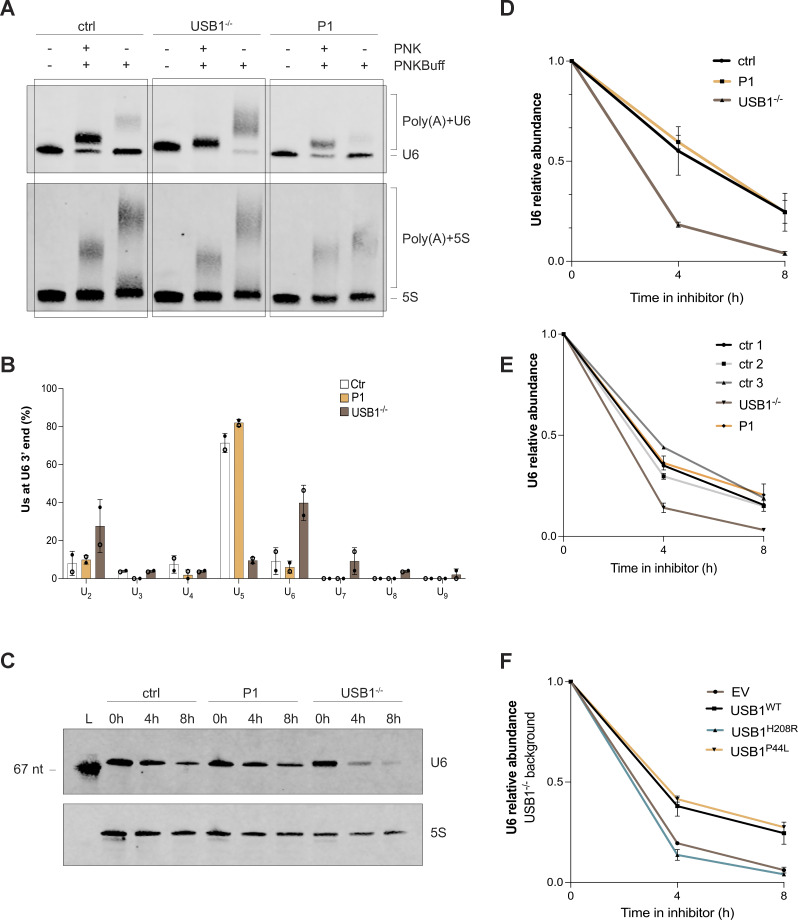 Figure 3
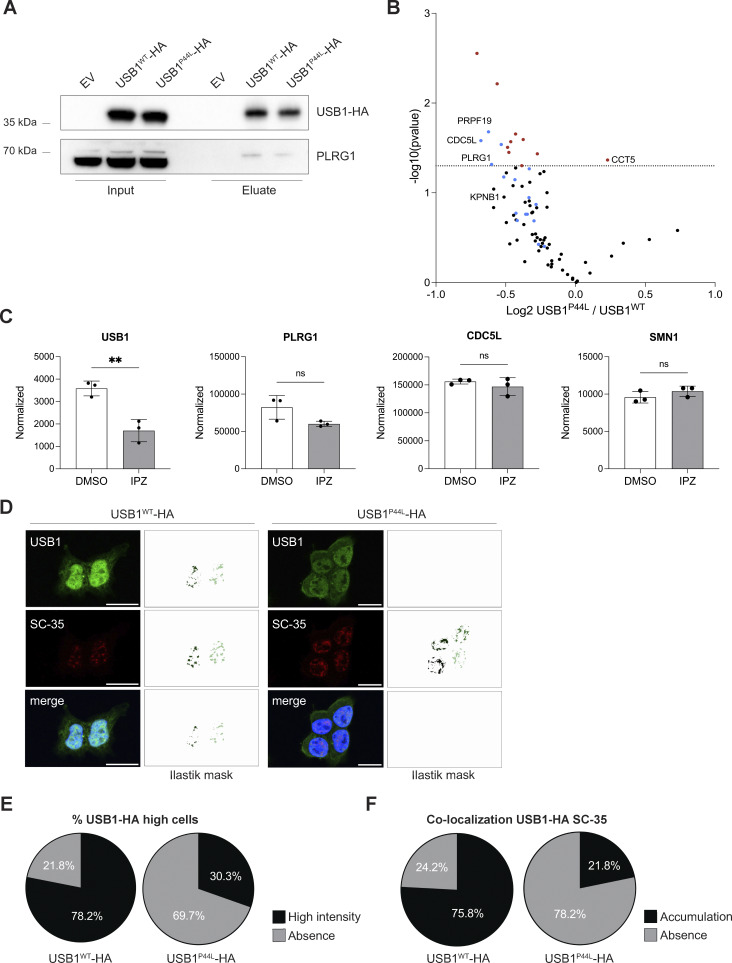 Figure 4
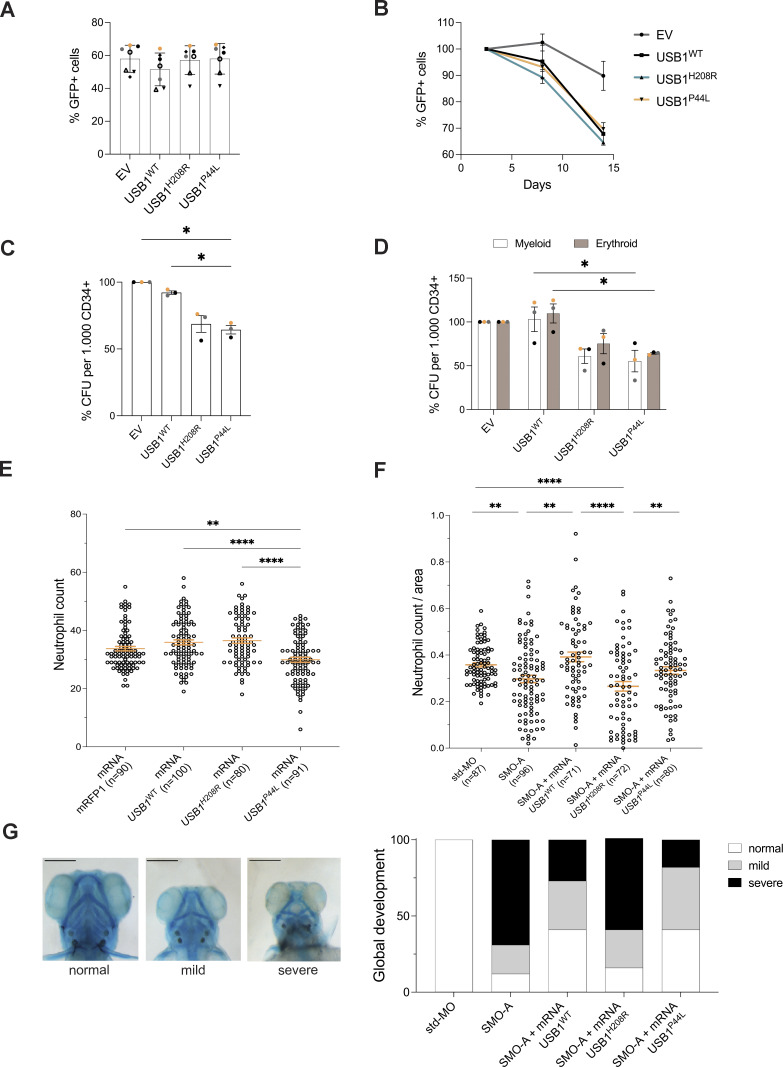 Figure 5
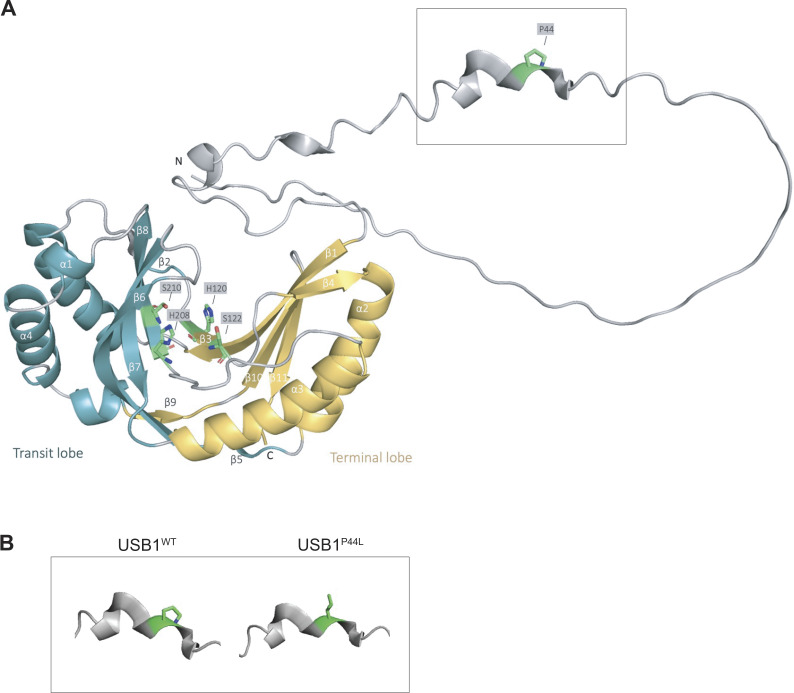 Figure 6
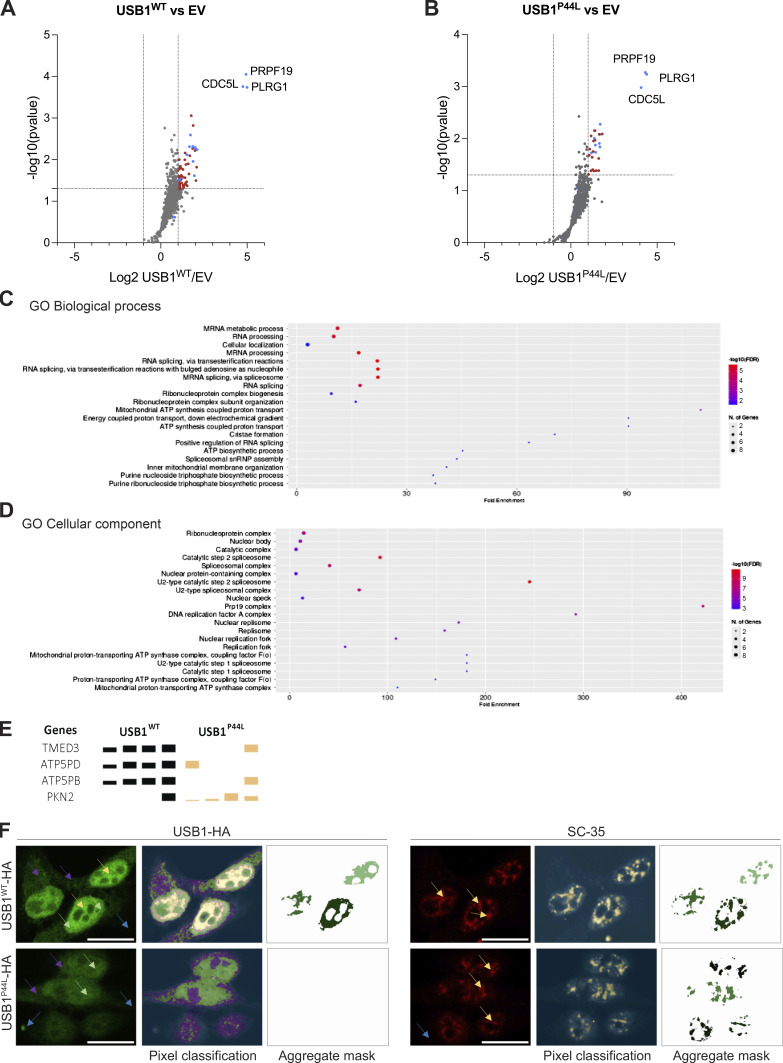 Figure 7
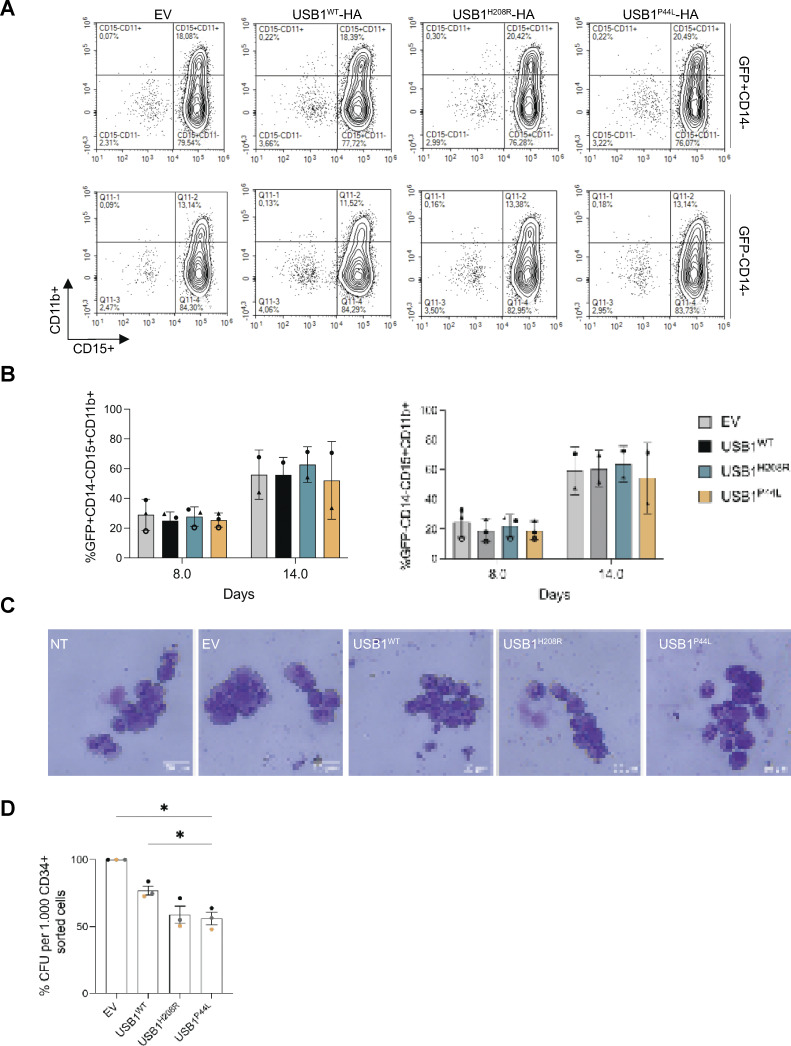 Figure 8
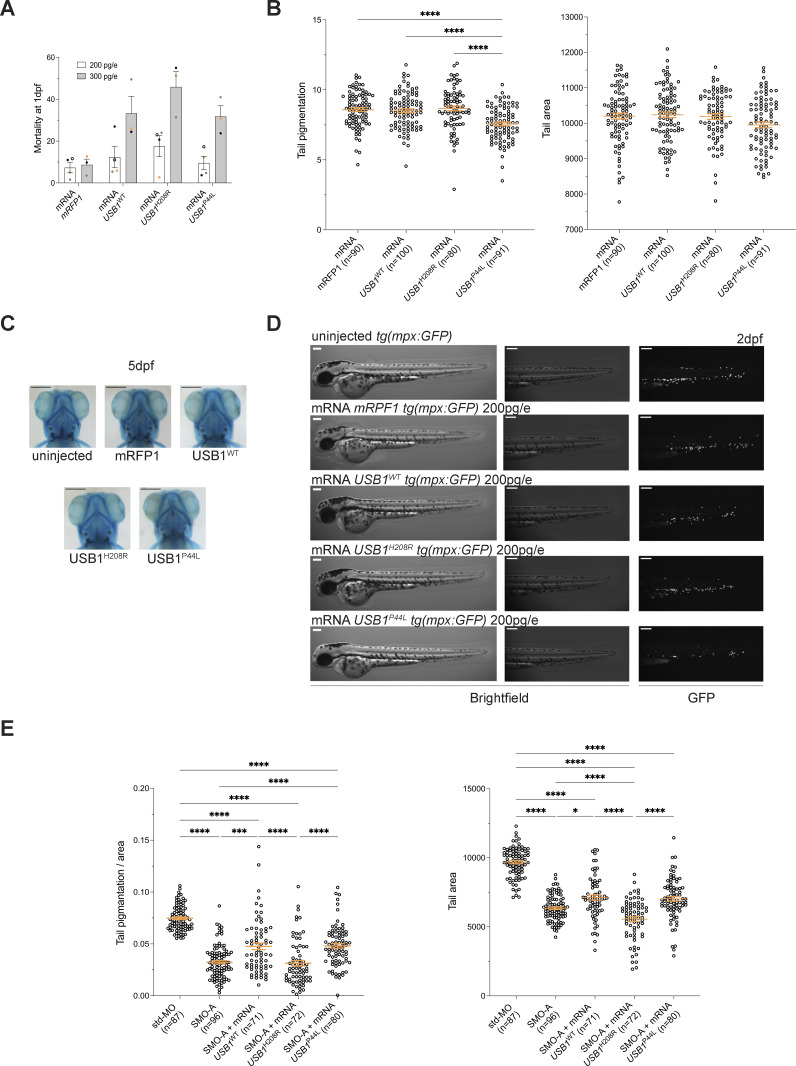 Figure 9
Peer Reviews
No public reviews on file for this paper yet. If you reviewed it on a platform where reviews are public (OpenReview, ICLR, NeurIPS, ICML), you can paste yours below so the community can read it here.
Videos
No videos yet. Explain this paper in a talk, walkthrough, or lecture? Add one.
Taxonomy
TopicsBlood disorders and treatments · RNA and protein synthesis mechanisms · Cell Adhesion Molecules Research