DPCDI: an artificial intelligent-derived indicator interpreting the diagnostic, stratification, and therapeutic implications of druggability programmed cell death in heart failure
Lili Zhang, Yihao Zhu, Yuan Fang, Yanping Yang, Yin Yu, Hanshi Wang, Xiyue Jiang, Xue Zhang, Dong Huang

TL;DR
This paper introduces DPCDI, a machine learning-based tool that identifies key genes and pathways in heart failure to improve diagnosis, risk stratification, and treatment.
Contribution
The novel DPCDI framework integrates machine learning and experimental validation to identify druggable targets in programmed cell death for heart failure.
Findings
DPCDI identifies 15 key genes linked to heart failure through machine learning.
Genetic predisposition to elevated JAK2 and STAT3 is associated with reduced heart failure risk.
Molecular docking identifies pifithrin-α and strophanthidin as potential drug candidates.
Abstract
Programmed cell death (PCD) pathways with druggable potential represent a promising but still underexplored frontier in heart failure (HF) research for diagnosis, prognosis, and therapy. To address this gap, we developed a Druggable Programmed Cell Death Index (DPCDI) through an integrative machine learning framework. An optimal combination of Lasso and Random Forest algorithms identified 15 pivotal genes (CALCOCO2, VPS13D, CLU, STAT3, OPTN, UBB, CXCL12, PPP1R15A, ATF4, IVNS1ABP, HMGB2, JAK2, EXOC7, ENO1, TPCN1) for DPCDI construction. Non-negative matrix factorization (NMF) analysis stratified HF patients into two distinct subtypes, with Subtype 2 exhibiting elevated apoptosis and mitophagy activity. Single-cell RNA sequencing revealed dynamic JAK2 and IVNS1ABP expression during cardiomyocyte state transitions, while CXCL12 showed stage-specific regulation in endothelial cells.…
Genes, proteins, chemicals, diseases, species, mutations and cell lines named across the full text — each resolved to its canonical identifier and authoritative record.
Click any figure to enlarge with its caption.
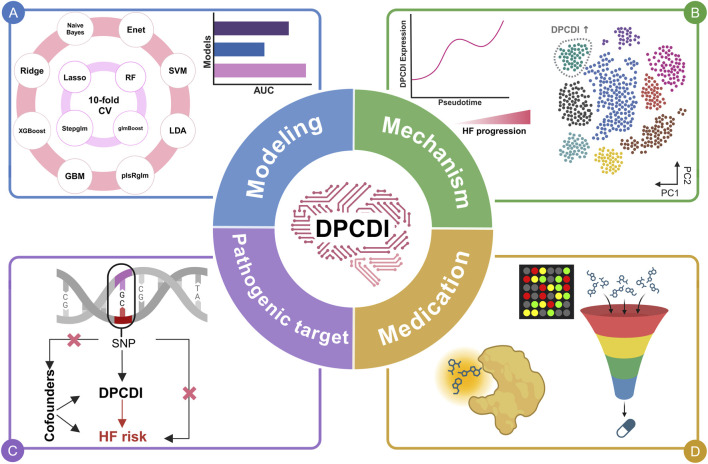 Figure 1
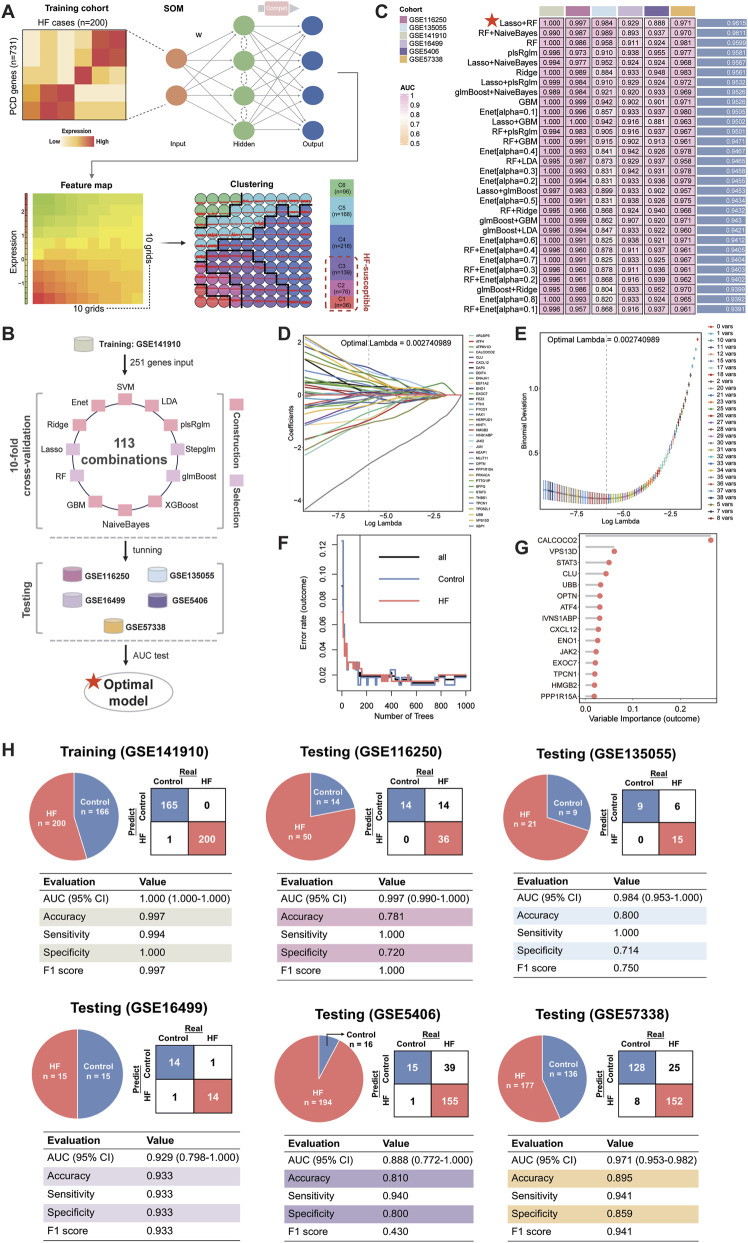 Figure 2
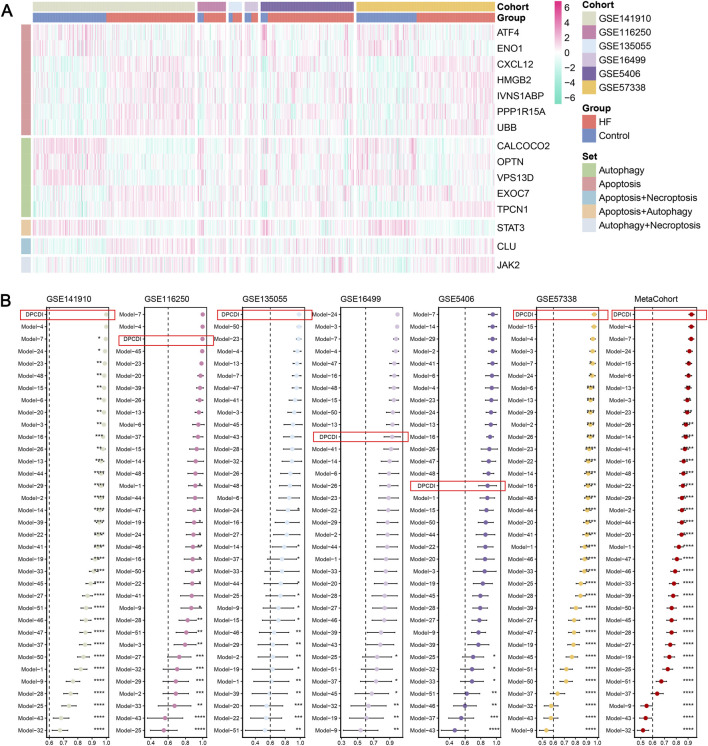 Figure 3
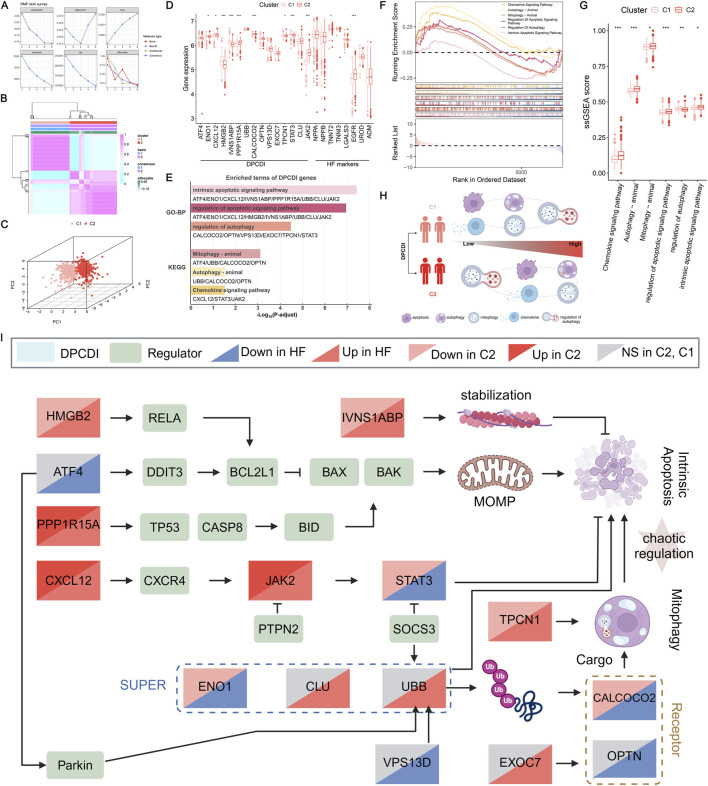 Figure 4
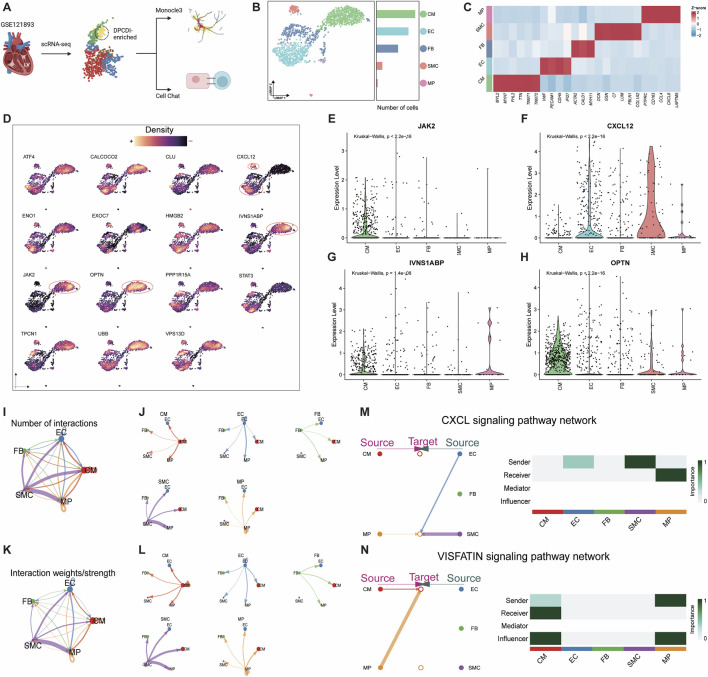 Figure 5
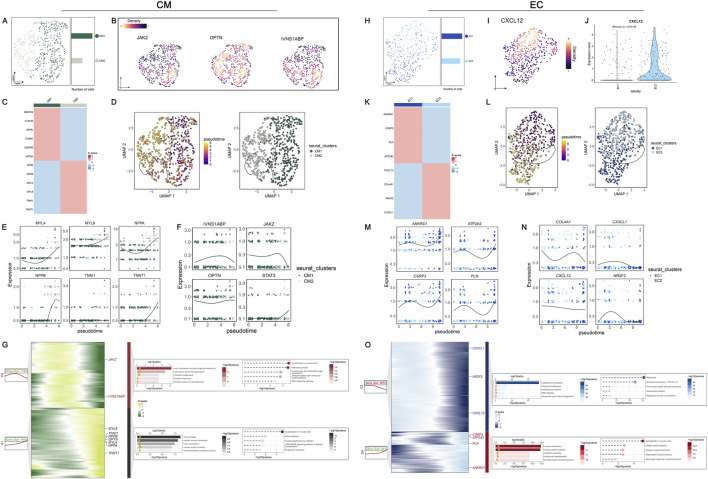 Figure 6
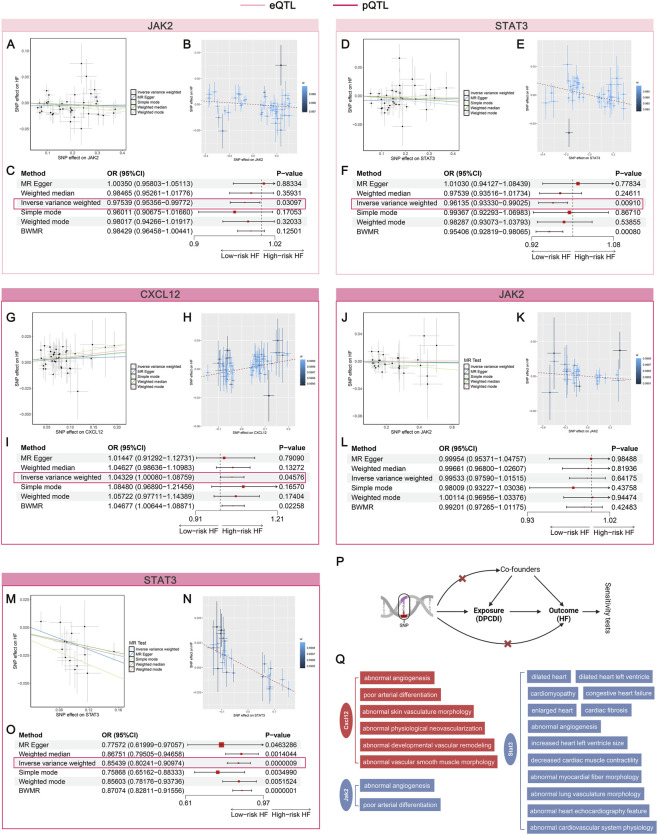 Figure 7
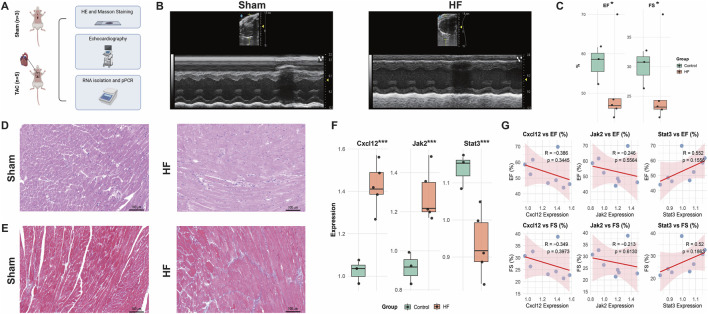 Figure 8
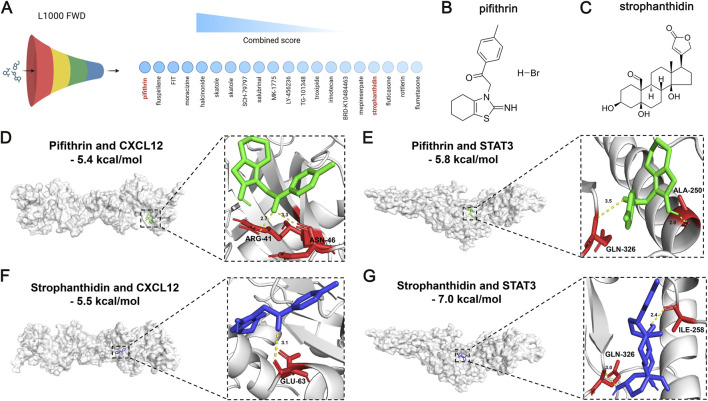 Figure 9
Peer Reviews
No public reviews on file for this paper yet. If you reviewed it on a platform where reviews are public (OpenReview, ICLR, NeurIPS, ICML), you can paste yours below so the community can read it here.
Videos
No videos yet. Explain this paper in a talk, walkthrough, or lecture? Add one.
Taxonomy
TopicsCardiac Fibrosis and Remodeling · Single-cell and spatial transcriptomics · Ferroptosis and cancer prognosis