Development and validation of HIV SMRTcap for the characterization of HIV-1 reservoirs across tissues and subtypes
Ghazal Sadri, Steven T. Nadakal, William Lauer, Justin Kos, Parmit K. Singh, Erin Elliott, Catherine W. Kaiser, Easton E. Ford, Nadia Richardson, Kaitlyn M. Shields, Elizabeth Hudson, Noemi L. Linden, Ali Danesh, James Powell, Peter Warburton, Juan Soto, Matthew Emery

TL;DR
A new method called HIV SMRTcap is developed to better understand where HIV hides in the body, which could help in finding a cure.
Contribution
HIV SMRTcap is a novel pipeline that simultaneously identifies HIV integration sites and proviral integrity using long-read sequencing.
Findings
HIV SMRTcap enables comprehensive characterization of HIV-1 reservoirs across major global subtypes.
The method works with both cell- and tissue-derived inputs, including samples from individuals on antiretroviral therapy.
HIV SMRTcap provides high sensitivity for detecting HIV in various contexts and tissues.
Abstract
Human Immunodeficiency Virus type 1 (HIV-1) is responsible for the global HIV/AIDS epidemic and the establishment of an integrated HIV-1 reservoir remains the primary obstacle to cure. Upon therapy interruption, reactivation of the persistent HIV-1 reservoir propagates viral rebound and mediates continued immunological decline. While furthering understanding of the HIV-1 reservoir is essential for HIV-1 cure, commonly used sequencing strategies are often limited by the reliance on short-read sequencing across separate assays to determine integration sites and proviral integrity – something that does not always adequately resolve complex human genomic repeats or low complexity regions. Simultaneous identification of proviral integration sites and proviral integrity at the single molecule level would enable HIV-1 reservoir characterization with minimal imputation or bioinformatic…
Genes, proteins, chemicals, diseases, species, mutations and cell lines named across the full text — each resolved to its canonical identifier and authoritative record.
Click any figure to enlarge with its caption.
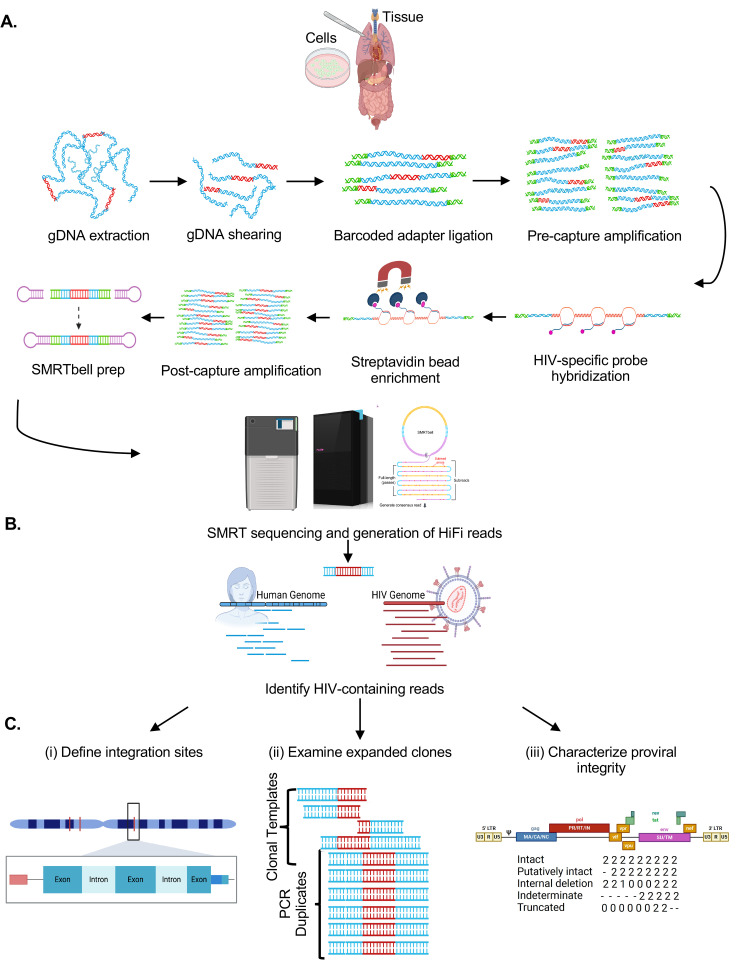 Figure 1
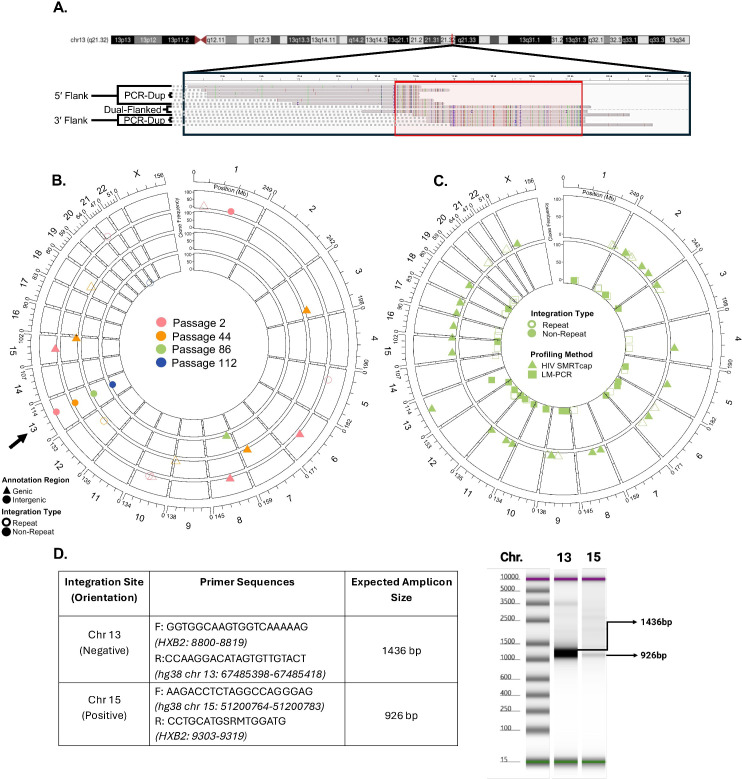 Figure 2
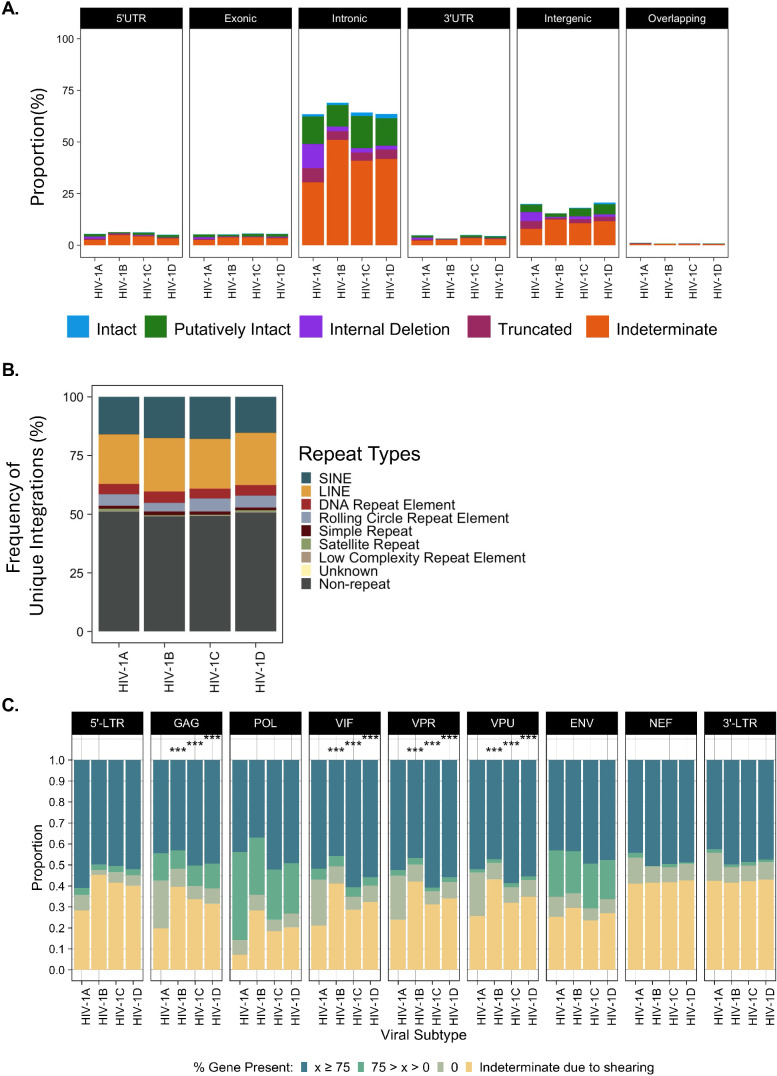 Figure 3
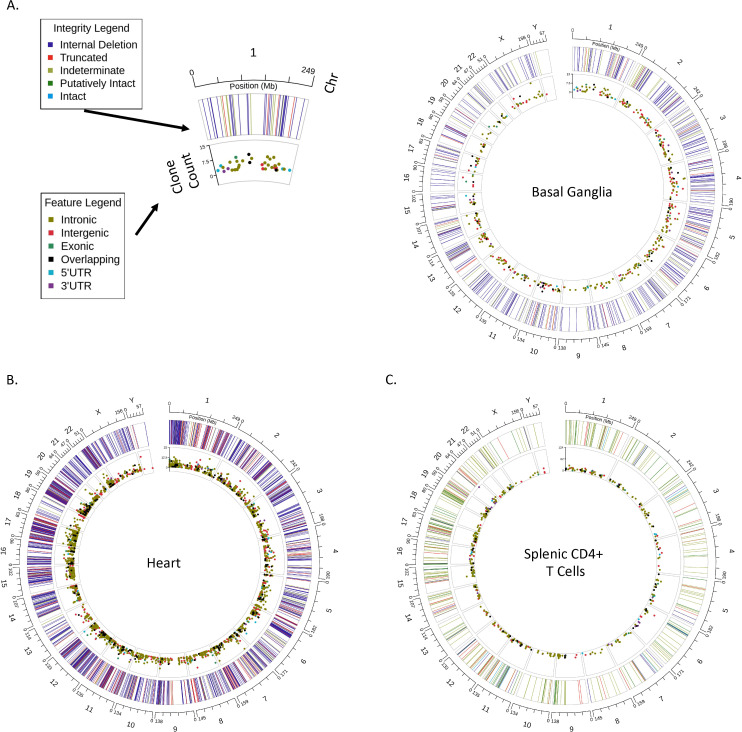 Figure 4
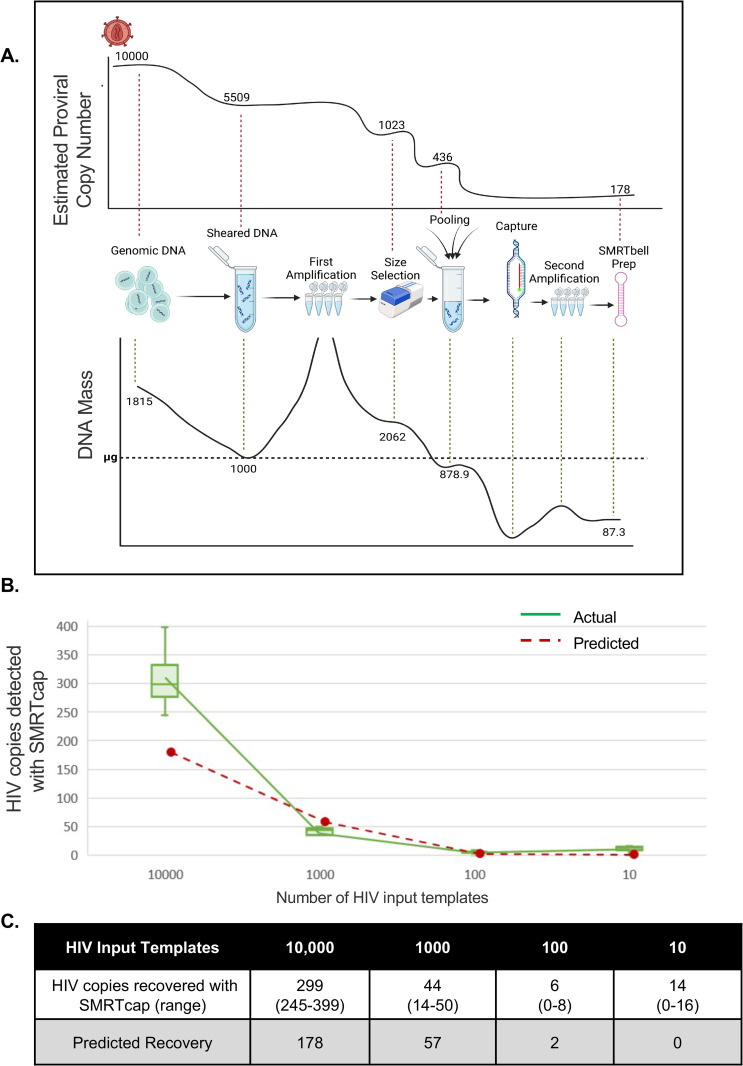 Figure 5
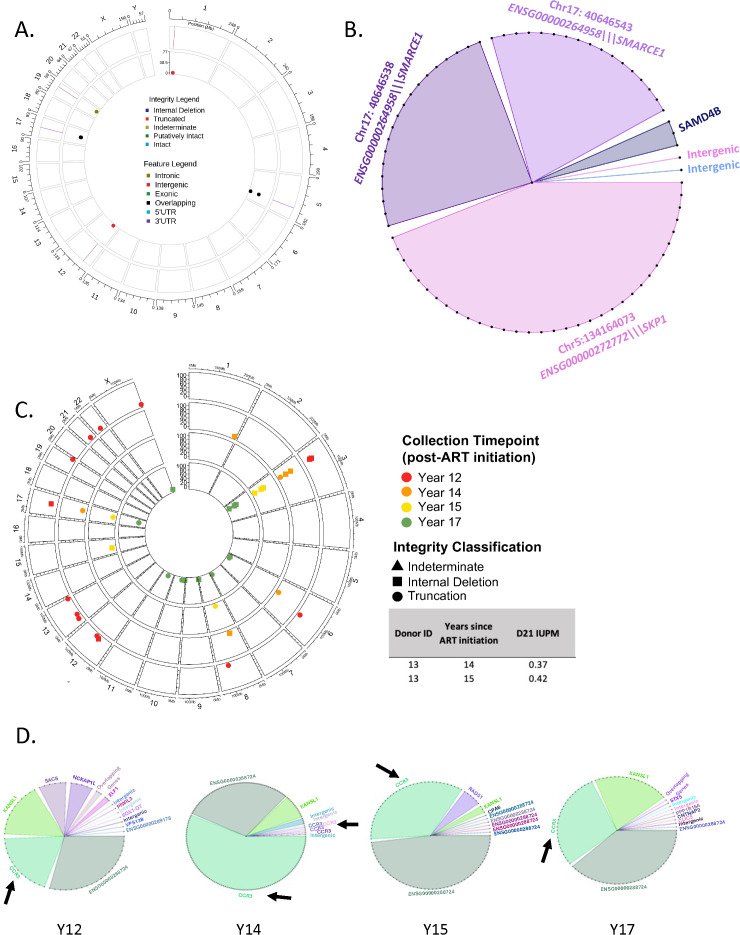 Figure 6
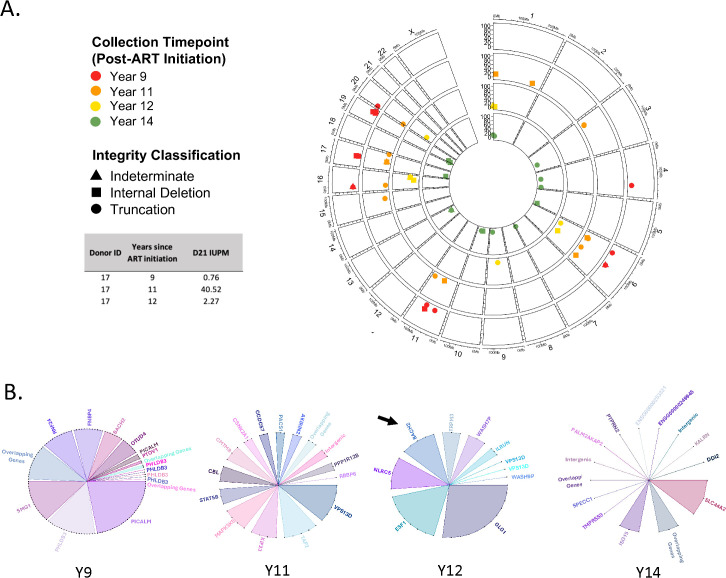 Figure 7
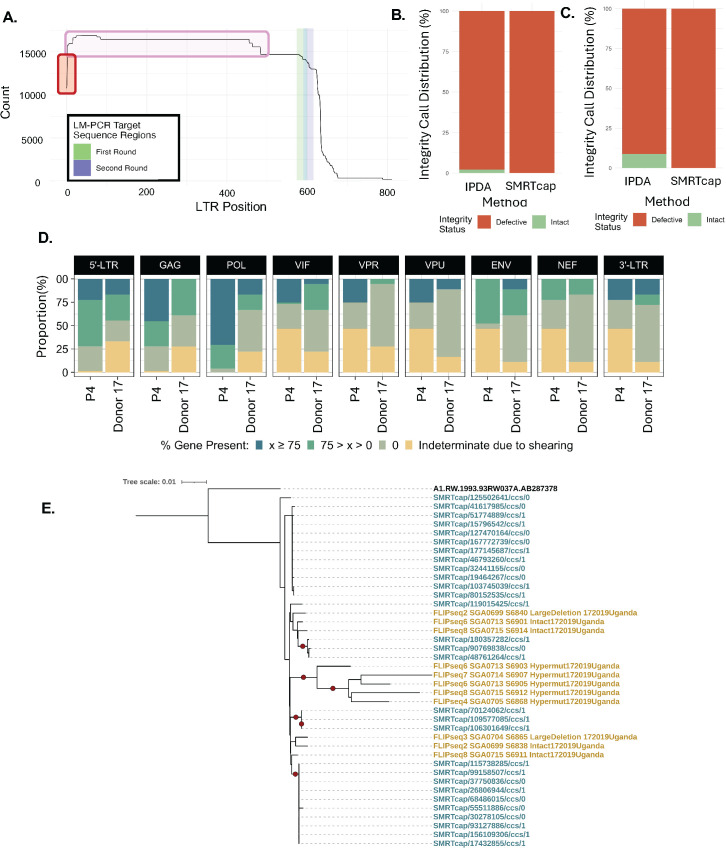 Figure 8
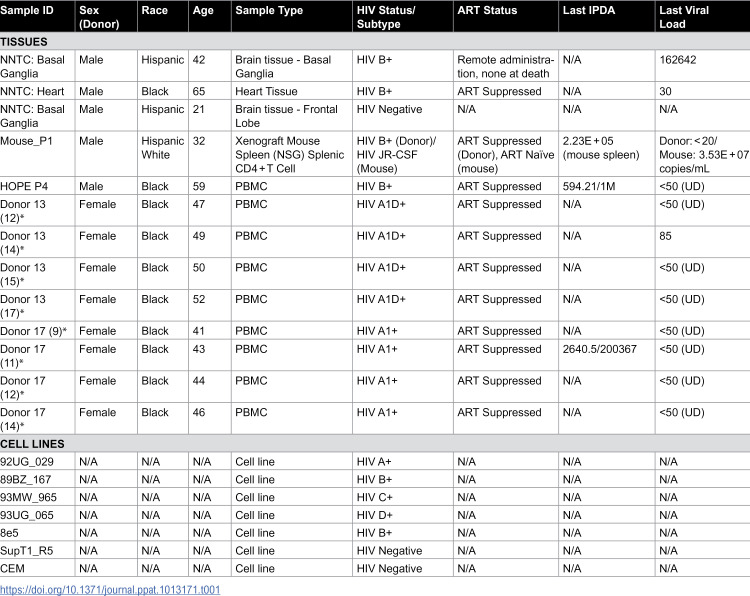 Figure 9
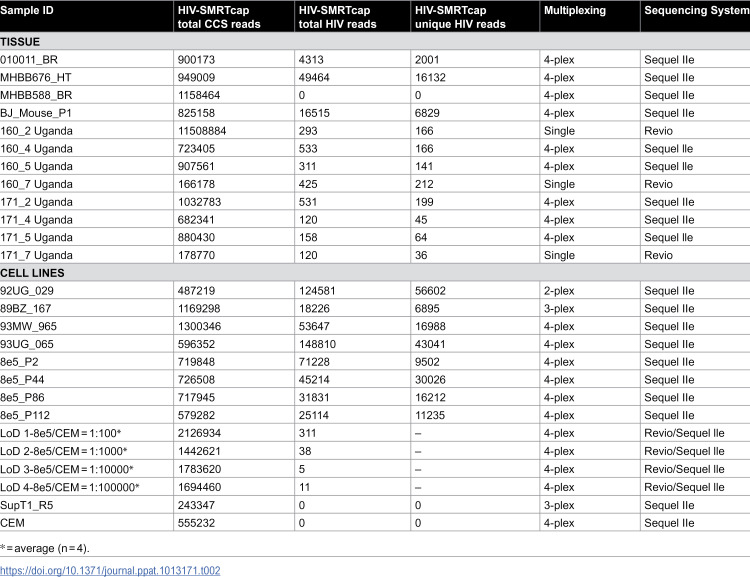 Figure 10
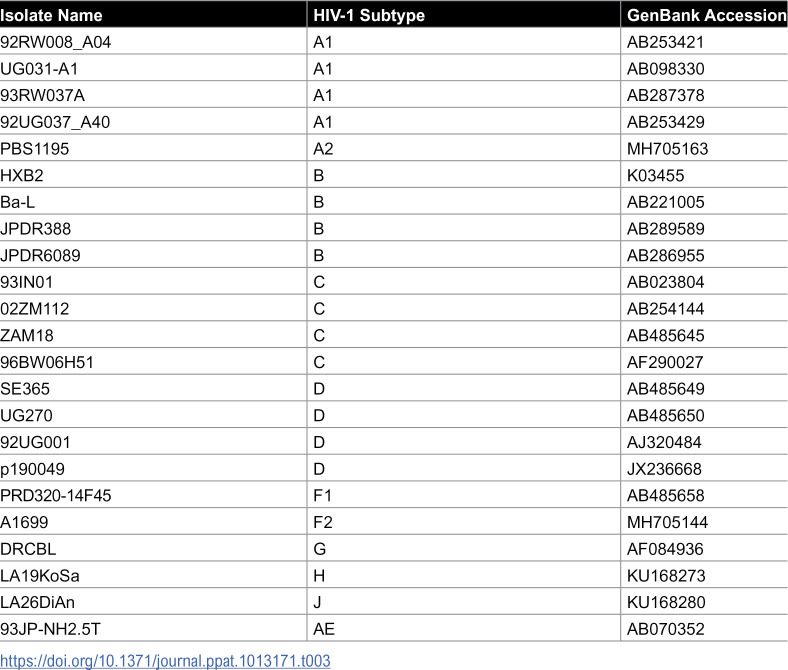 Figure 11
Peer Reviews
No public reviews on file for this paper yet. If you reviewed it on a platform where reviews are public (OpenReview, ICLR, NeurIPS, ICML), you can paste yours below so the community can read it here.
Videos
No videos yet. Explain this paper in a talk, walkthrough, or lecture? Add one.
Taxonomy
TopicsHIV Research and Treatment · HIV/AIDS drug development and treatment · HIV/AIDS Research and Interventions