Considering ecological traits of fishes to understand microplastic ingestion across Pacific coastal fisheries
Jasha Dehm, Kelly Thomas Brown, Eseta Drova, Rufino Varea, Joycinette Vosumbe Botleng, Siutiti Fe’ao, Lavata Nivaga, Laura Williams, Brian L. Stockwell, Salanieta Kitolelei, Cherie Morris, Nanise Kuridrani, June Brian Molitaviti, Vailala Matoto, Lotokufaki Paka Kaitua

TL;DR
This study examines microplastic contamination in fish from Pacific Island fisheries, finding that ecological traits like feeding habits and habitat influence exposure levels.
Contribution
The study provides a standardized regional assessment of microplastics in Pacific coastal fish, linking contamination patterns to ecological traits.
Findings
32.7% of fish across 138 species showed microplastic ingestion, with Fiji having the highest contamination rate.
Benthic feeding and reef-associated species like Lethrinus harak showed higher contamination risks due to fiber-dominated particles.
Polypropylene, polyethylene, and nylon were the most common polymer types found in all four countries.
Abstract
Coastal fisheries are essential to Pacific Island communities, providing vital nutrition, livelihoods, and cultural value, yet microplastic (MP) contamination poses a growing threat to both ecosystem and human health. This study presents a regional assessment of microplastic contamination in coastal fish across four Pacific Island Countries and Territories (Fiji, Tonga, Tuvalu, and Vanuatu), based on the compilation of four methodologically standardized datasets, enabling us to evaluate whether regional patterns of contamination are linked to the ecological traits of fish. A total of 878 fish from 138 species were analysed to reveal widespread ingestion (32.7% prevalence; 0.76 ± 0.05 MPs/individual), with Fiji exhibiting the highest contamination (74.5% frequency). Reef-associated invertivores such as Lethrinus harak showed elevated risks (80% contaminated in Fiji), driven by…
Genes, proteins, chemicals, diseases, species, mutations and cell lines named across the full text — each resolved to its canonical identifier and authoritative record.
Click any figure to enlarge with its caption.
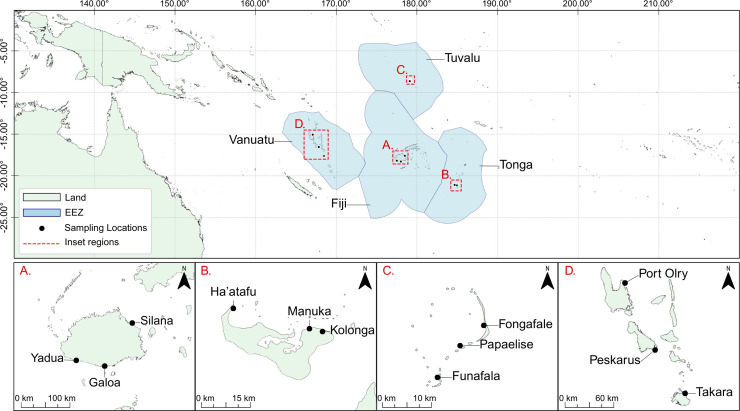 Figure 1
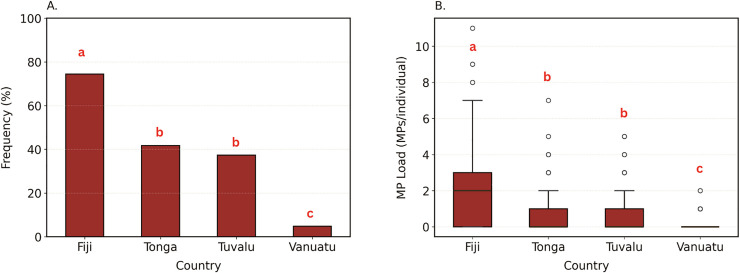 Figure 2
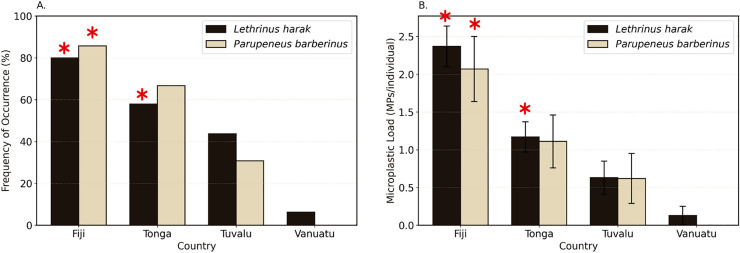 Figure 3
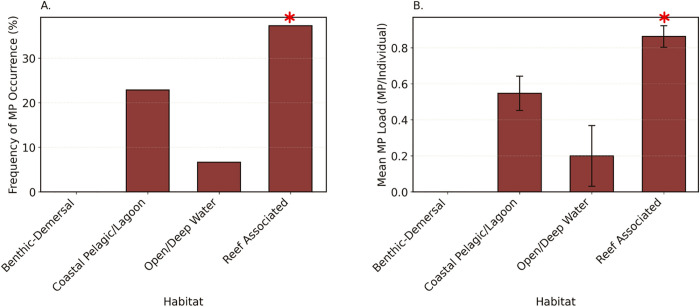 Figure 4
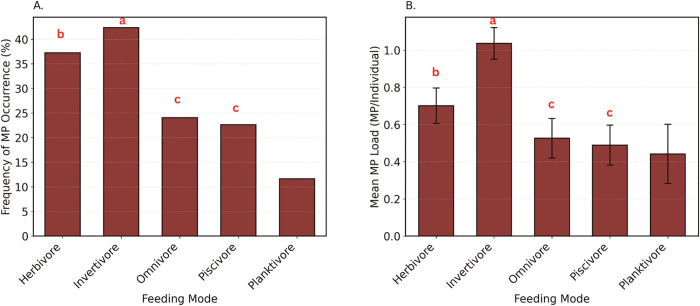 Figure 5
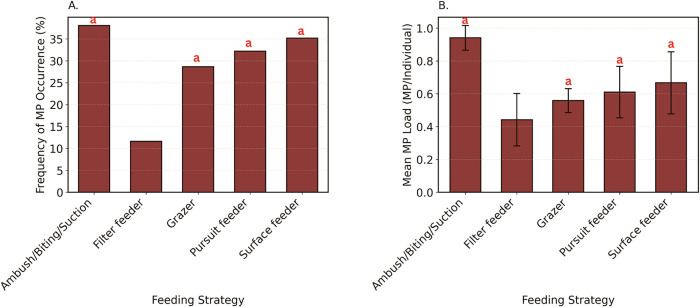 Figure 6
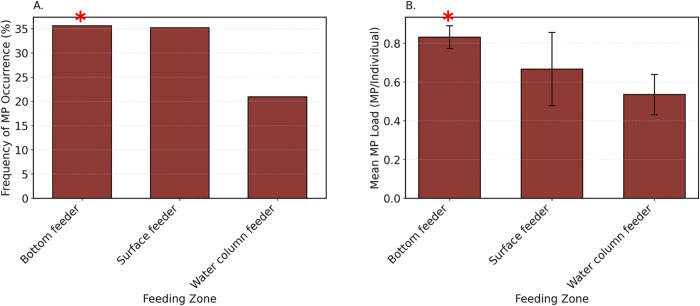 Figure 7
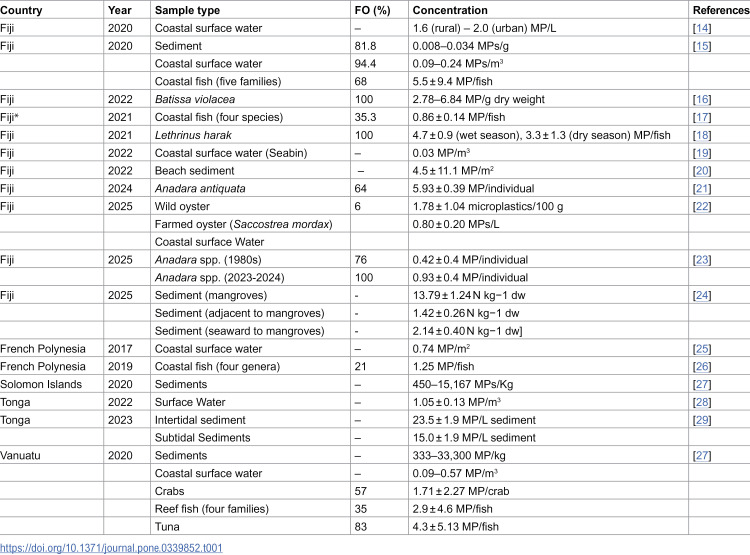 Figure 8
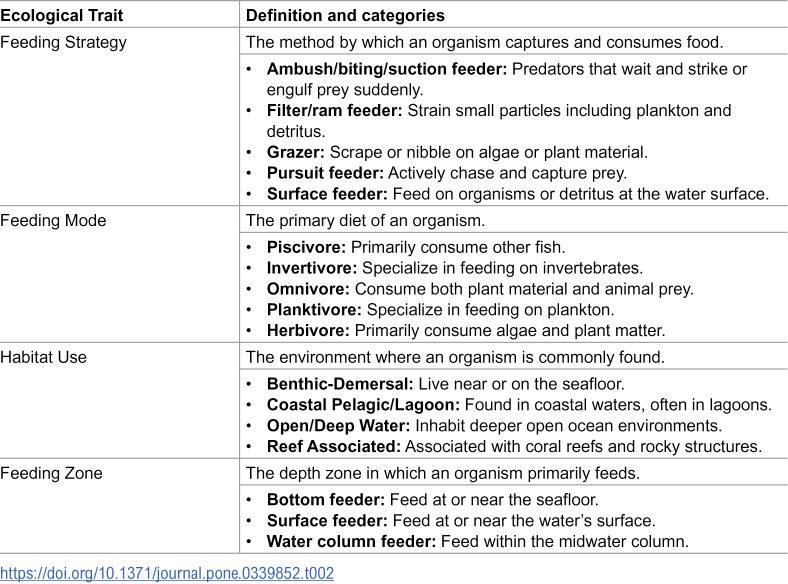 Figure 9
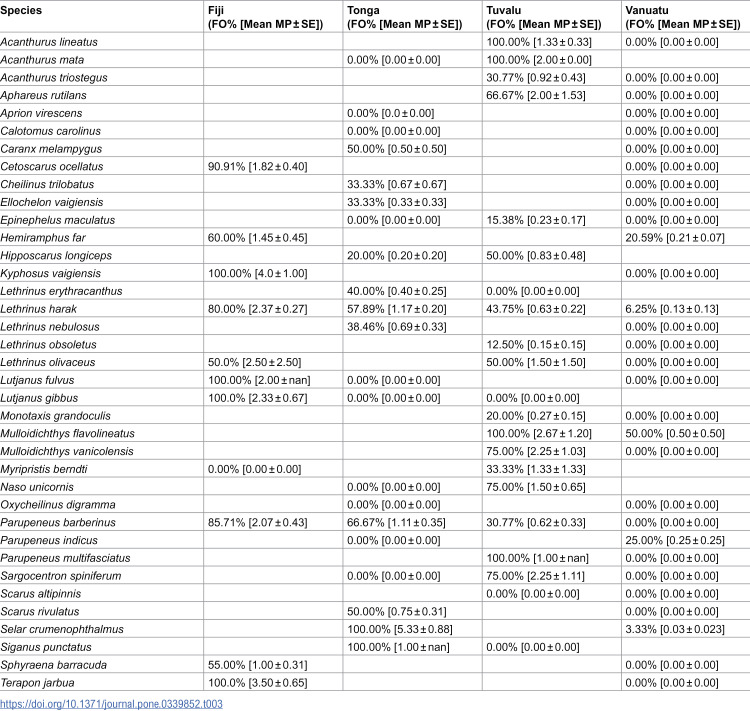 Figure 10
Peer Reviews
No public reviews on file for this paper yet. If you reviewed it on a platform where reviews are public (OpenReview, ICLR, NeurIPS, ICML), you can paste yours below so the community can read it here.
Videos
No videos yet. Explain this paper in a talk, walkthrough, or lecture? Add one.
Taxonomy
TopicsMicroplastics and Plastic Pollution · Toxic Organic Pollutants Impact · Effects and risks of endocrine disrupting chemicals