Anatomically aware simulation of patient-specific glioblastoma xenografts
Adam A. Malik, Cecilia Krona, Soumi Kundu, Philip Gerlee, Sven Nelander, Christoph Kaleta, Heber L. Rocha, Christoph Kaleta, Heber L. Rocha, Christoph Kaleta, Heber L. Rocha, Christoph Kaleta, Heber L. Rocha

TL;DR
A new simulation model for glioblastoma growth in mice uses anatomical brain maps and patient-specific data to improve preclinical research and treatment design.
Contribution
The novel framework uses anatomically aware simulations and Approximate Bayesian Computation to model patient-specific glioblastoma xenografts with high accuracy.
Findings
The model accurately simulates tumor growth patterns observed in mouse xenograft experiments.
Adjusting model parameters allows simulation of treatment effects and improves statistical power in preclinical studies.
The framework supports case-specific comparisons and reduces reliance on animal experiments.
Abstract
Patient-derived cells (PDC) mouse xenografts are increasingly important tools in glioblastoma (GBM) research, essential to investigate case-specific growth patterns and treatment responses. Despite the central role of xenograft models in the field, few good simulation models are available to probe the dynamics of tumor growth and to support therapy design. We therefore propose a new framework for the patient-specific simulation of GBM in the mouse brain. Unlike existing methods, our simulations leverage a high-resolution map of the mouse brain anatomy to yield patient-specific results that are in good agreement with experimental observations. To facilitate the fitting of our model to histological data, we use Approximate Bayesian Computation. Because our model uses few parameters, reflecting growth, invasion and niche dependencies, it is well suited for case comparisons and for probing…
Genes, proteins, chemicals, diseases, species, mutations and cell lines named across the full text — each resolved to its canonical identifier and authoritative record.
Click any figure to enlarge with its caption.
 Figure 1
 Figure 2
 Figure 3
 Figure 4
 Figure 5
 Figure 6
 Figure 7
 Figure 8
 Figure 9
 Figure 10
 Figure 11
 Figure 12
 Figure 13
 Figure 14
 Figure 15
 Figure 16
 Figure 17
 Figure 18
 Figure 19
 Figure 20
 Figure 21
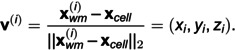 Figure 22
 Figure 23
 Figure 24
 Figure 25
 Figure 26
 Figure 27
 Figure 28
 Figure 29
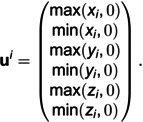 Figure 30
 Figure 31
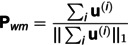 Figure 32
 Figure 33
 Figure 34
 Figure 35
 Figure 36
 Figure 37
 Figure 38
 Figure 39
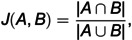 Figure 40
 Figure 41
 Figure 42
 Figure 43
 Figure 44
 Figure 45
 Figure 46
 Figure 47
 Figure 48
 Figure 49
 Figure 50
Peer Reviews
No public reviews on file for this paper yet. If you reviewed it on a platform where reviews are public (OpenReview, ICLR, NeurIPS, ICML), you can paste yours below so the community can read it here.
Videos
No videos yet. Explain this paper in a talk, walkthrough, or lecture? Add one.
Taxonomy
TopicsMathematical Biology Tumor Growth · Markov Chains and Monte Carlo Methods · Glioma Diagnosis and Treatment