Feasibility of a conversation-based brief intervention in general practice to reduce post-traumatic symptoms after intensive care treatment—A qualitative analysis of the PICTURE study
Antina Beutel, Chris Maria Friemel, Daniela Lindemann, Linda Sanftenberg, Robert Philipp Kosilek, Konrad Schmidt, Cornelia Wäscher, Ulf-Dietrich Reips, Maggie Schauer, Tobias Dreischulte, Thomas Elbert, Jochen Gensichen, Karli Montague-Cardoso, Karli Montague-Cardoso

TL;DR
A short, conversation-based intervention by general practitioners can help reduce PTSD symptoms in patients after intensive care, but time and payment barriers need to be addressed.
Contribution
The study evaluates the feasibility and perceived effectiveness of a brief PTSD intervention in general practice for post-ICU patients.
Findings
Most general practitioners found the intervention useful and effective for treating post-ICU PTSD symptoms.
High time expenditure and lack of remuneration were the main barriers to implementing the intervention in routine care.
General practitioners emphasized the need for quick, low-threshold treatment options for post-ICU PTSD patients.
Abstract
There is currently a gap in the follow-up care of patients with post-traumatic stress disorder (PTSD) after intensive care. Long-term care is mainly provided within the setting of general practice. A conversation-based brief intervention carried out by general practitioners improved the symptoms of mild to moderate post-traumatic stress disorder sustainably. The aim of this study is to assess the subjective effectiveness and feasibility of short-term, primary care-based narrative exposure intervention from the perspective of participating general practitioners. Process-accompanying follow-up calls were made to all general practitioners in the intervention group to check the feasibility of the intervention and to reinforce the initial training. The survey was conducted by telephone between the second and third intervention sessions using an open-response questionnaire. The data analysis…
Genes, proteins, chemicals, diseases, species, mutations and cell lines named across the full text — each resolved to its canonical identifier and authoritative record.
Click any figure to enlarge with its caption.
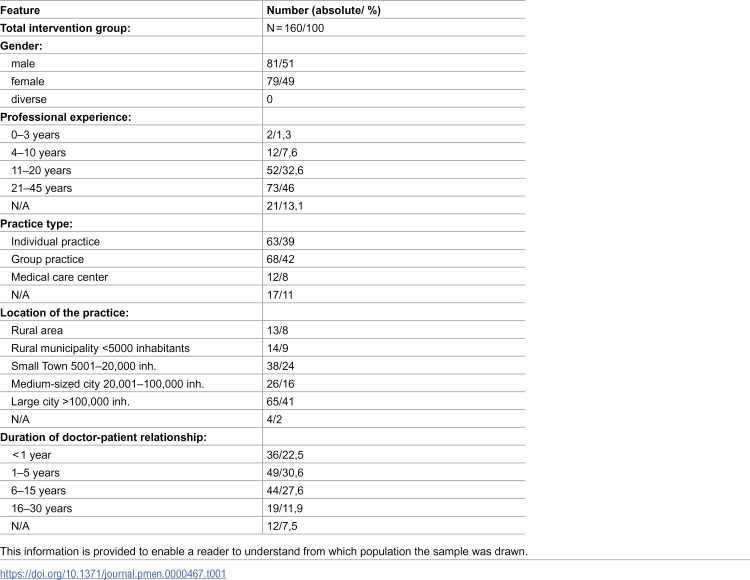 Figure 1
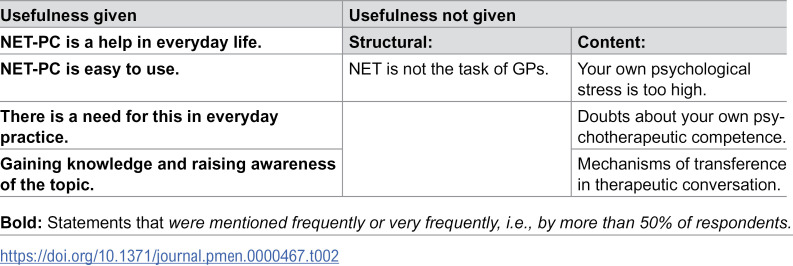 Figure 2
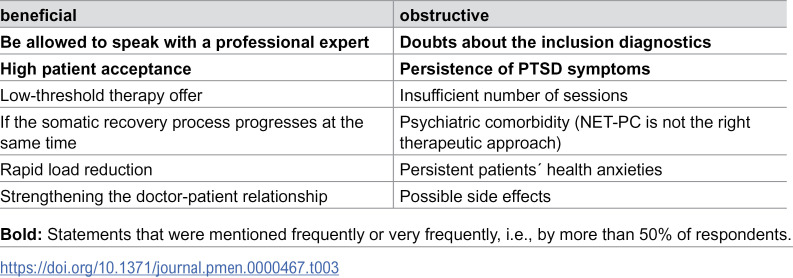 Figure 3
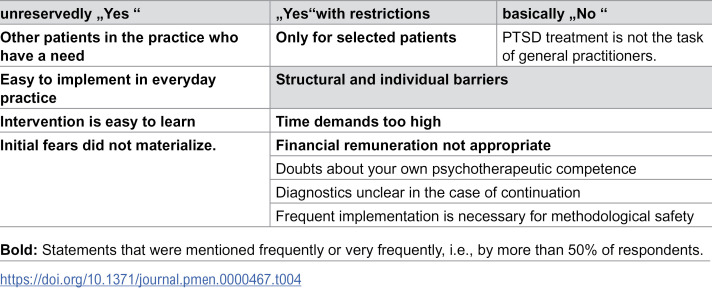 Figure 4
Peer Reviews
No public reviews on file for this paper yet. If you reviewed it on a platform where reviews are public (OpenReview, ICLR, NeurIPS, ICML), you can paste yours below so the community can read it here.
Videos
No videos yet. Explain this paper in a talk, walkthrough, or lecture? Add one.
Taxonomy
TopicsPosttraumatic Stress Disorder Research · Intensive Care Unit Cognitive Disorders · Trauma and Emergency Care Studies