Optineurin binding to the novel interacting partner Junction plakoglobin prevents muscle atrophy in mice
Xiao Chen Shi, Rui Xin Zhang, Jun Kai Feng, Jia Hao Chen, Jian Feng Zhang, Jun Ying Xiao, Xiao Peng Liu, Huan Liu, Bo Xia, Li Nong Yao, Jiang Wei Wu

TL;DR
Optineurin prevents muscle atrophy by interacting with Junction plakoglobin and activating the PI3K-AKT pathway in mice.
Contribution
The study identifies Junction plakoglobin as a novel interacting partner of Optineurin in regulating muscle atrophy.
Findings
Optineurin overexpression alleviates dexamethasone-induced muscle atrophy in mice.
Optineurin interacts with Junction plakoglobin to activate the PI3K-AKT pathway.
Pharmacological activation of PI3K-AKT rescues muscle atrophy in Optn-knockdown mice.
Abstract
Skeletal muscle atrophy is a debilitating condition that significantly affects patients’ quality of life and prognosis, yet its underlying mechanisms remain poorly understood. Here, we identify Optineurin (OPTN) as an active regulator for maintenance of muscle homeostasis during muscle atrophy. Knockdown (KD) of Optn induces muscle atrophy, while overexpression of Optn alleviated dexamethasone-induced muscle atrophy in mice. Mechanistically, we for the first time identified Junction plakoglobin (JUP) as a novel interacting partner of OPTN. OPTN alleviates muscle atrophy in a JUP-dependent manner, corroborating JUP as the downstream effector of OPTN-mediated muscle atrophy. RNA-seq analysis revealed that PI3K-AKT pathway is markedly downregulated in Optn-KD muscle, and pharmacological activation of PI3K-AKT pathway effectively rescued muscle atrophy in Optn-KD mice. We further show that…
Genes, proteins, chemicals, diseases, species, mutations and cell lines named across the full text — each resolved to its canonical identifier and authoritative record.
Click any figure to enlarge with its caption.
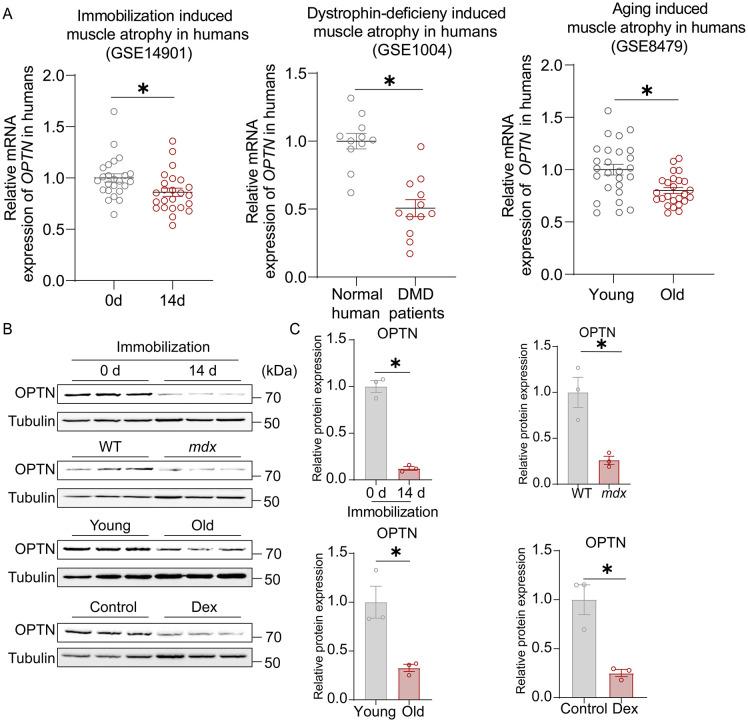 Figure 1
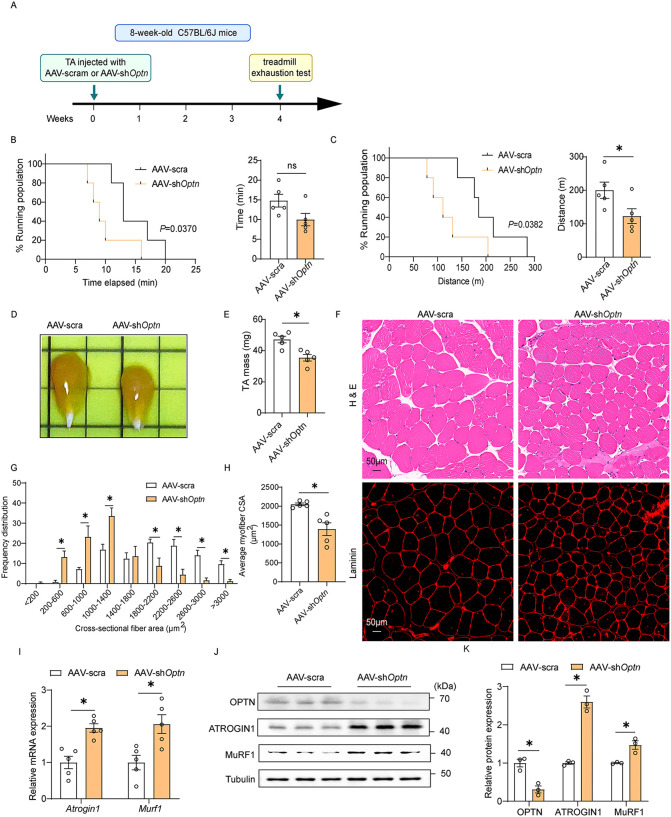 Figure 2
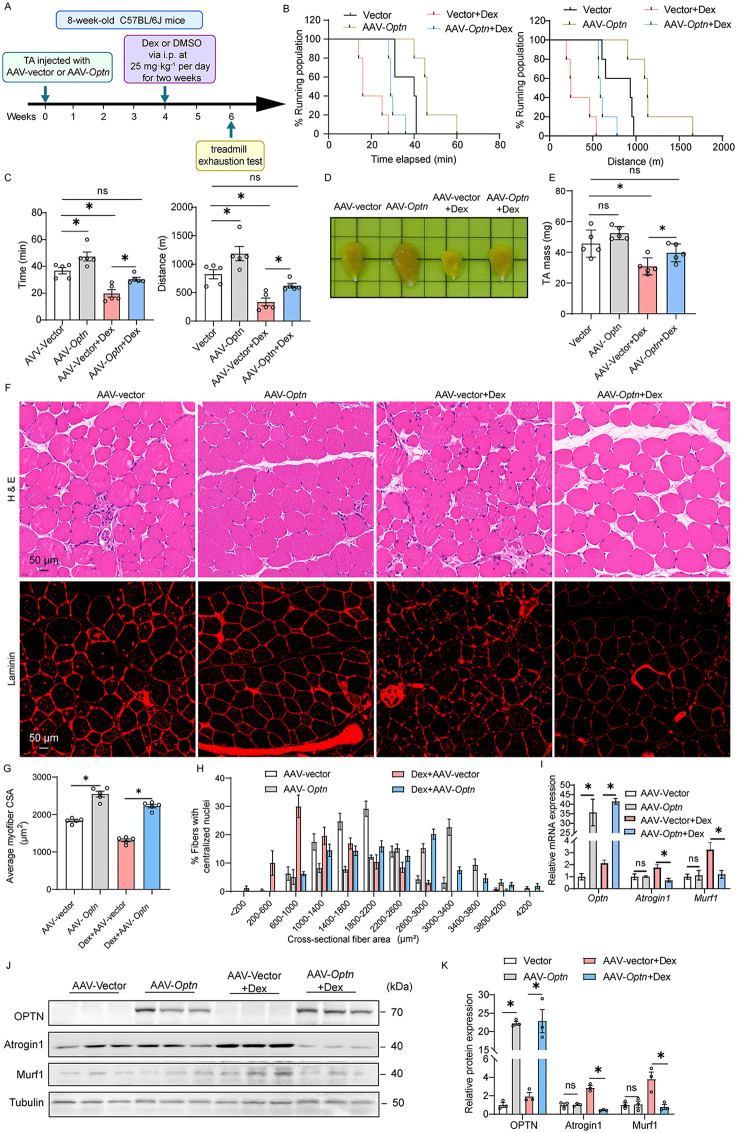 Figure 3
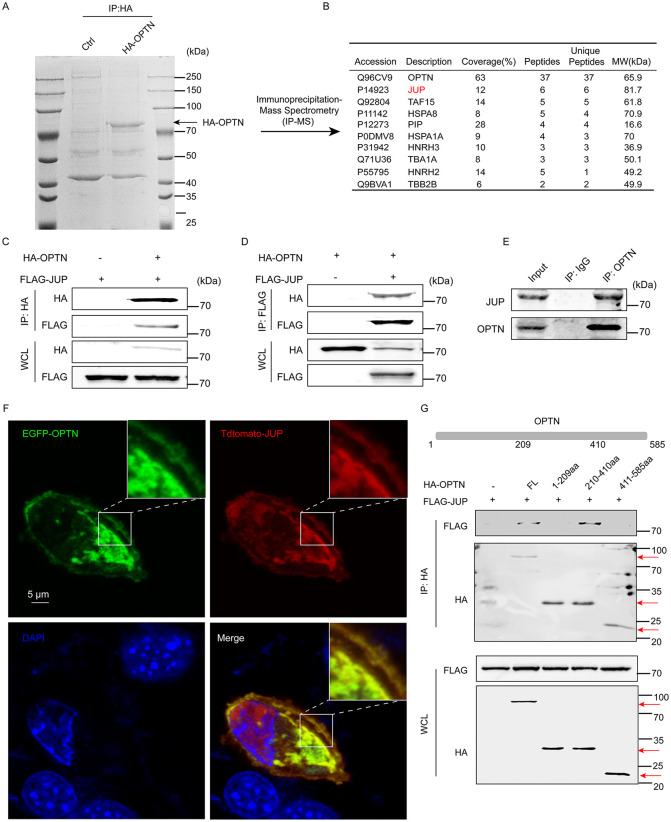 Figure 4
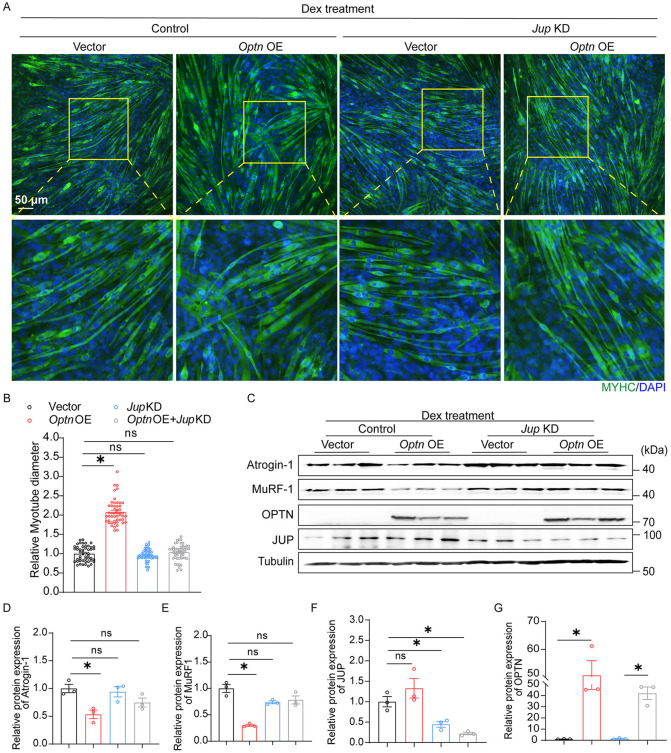 Figure 5
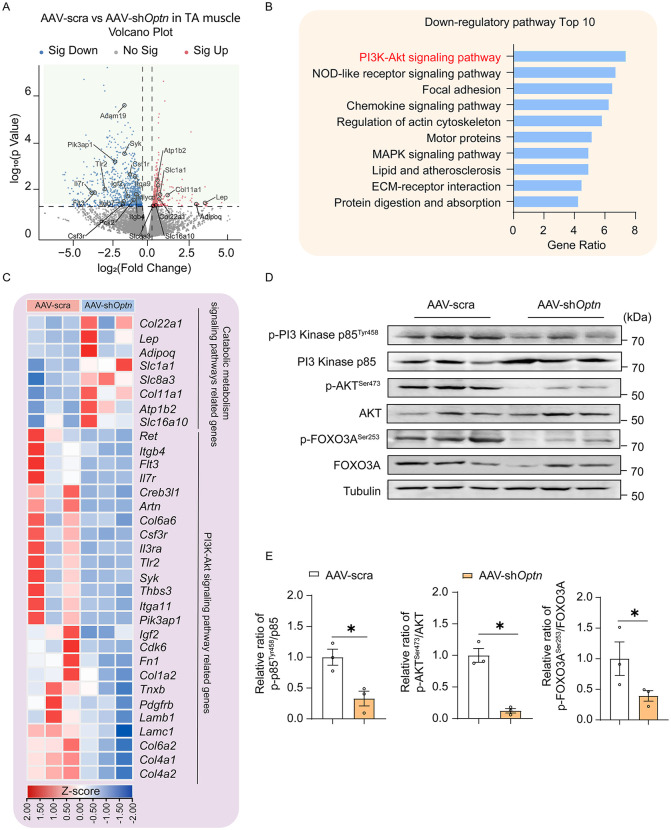 Figure 6
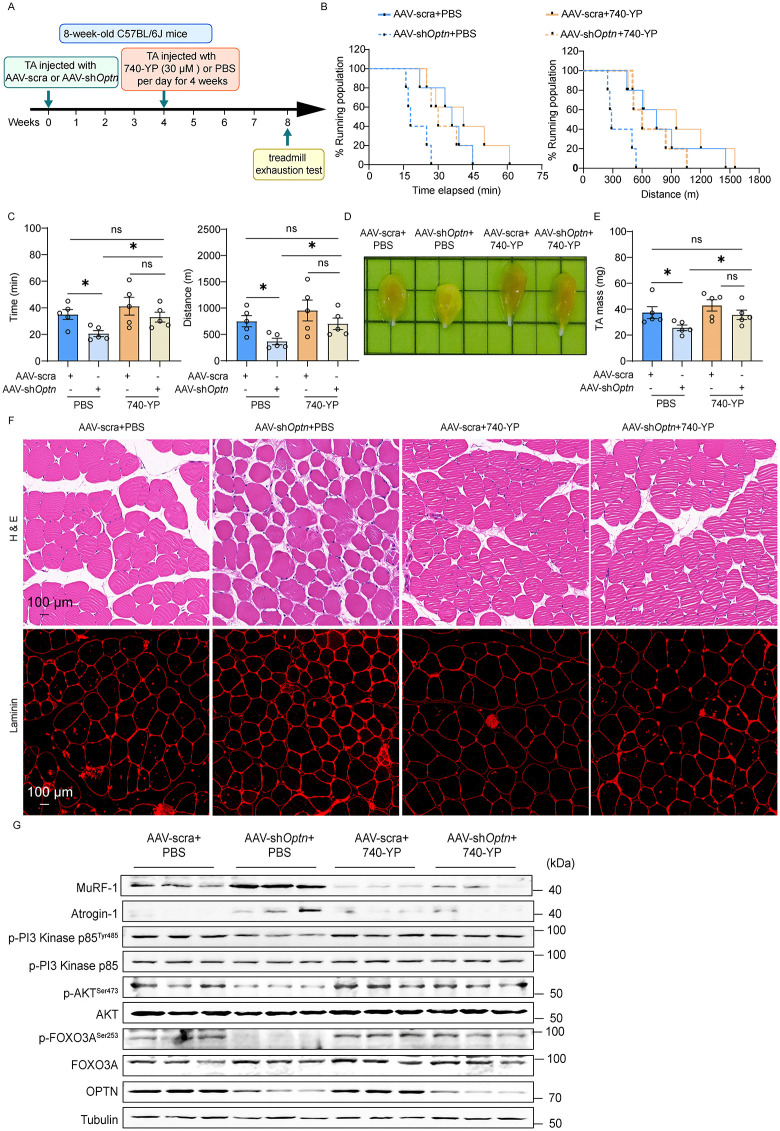 Figure 7
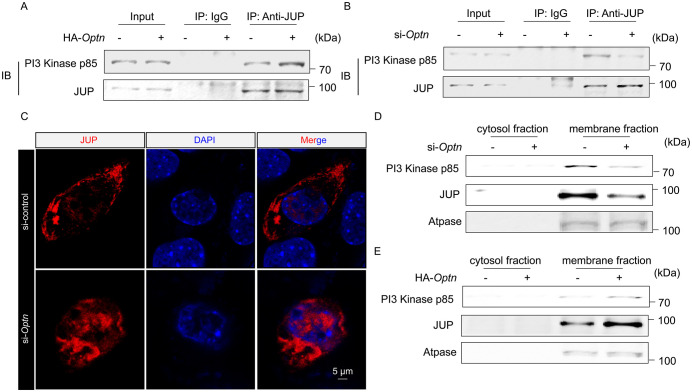 Figure 8
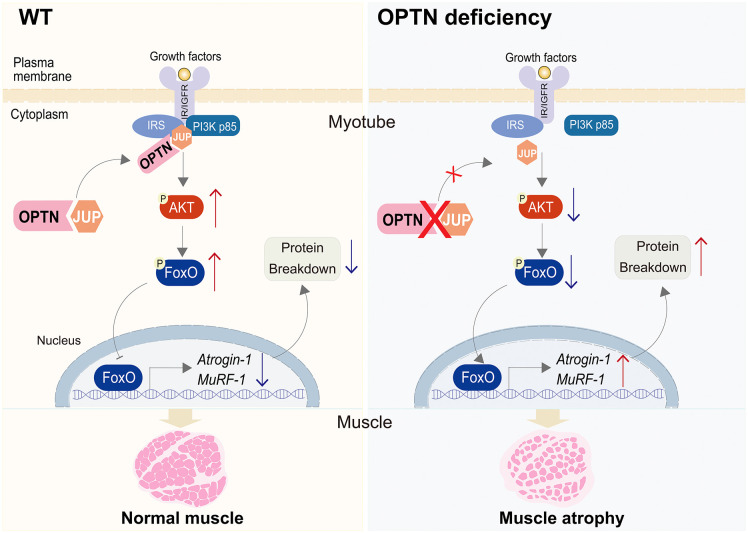 Figure 9
Peer Reviews
No public reviews on file for this paper yet. If you reviewed it on a platform where reviews are public (OpenReview, ICLR, NeurIPS, ICML), you can paste yours below so the community can read it here.
Videos
No videos yet. Explain this paper in a talk, walkthrough, or lecture? Add one.
Taxonomy
TopicsMuscle Physiology and Disorders · Cardiomyopathy and Myosin Studies · Exercise and Physiological Responses