Impacts of climate change on the global spread and habitat suitability of Coxiella burnetii: Future projections and public health implications
Abdallah Falah Mohammad Aldwekat, Niloufar Lorestani, Farzin Shabani

TL;DR
This study predicts how climate change will affect the spread of Coxiella burnetii, a harmful bacterium, and highlights the need for public health planning.
Contribution
The study uses climate models to project future habitat suitability of Coxiella burnetii under different climate scenarios.
Findings
C. burnetii is currently widespread in regions like North and South America, Europe, and parts of Africa, Asia, and Australia.
Future projections show a northward shift in suitable habitats, especially under the severe SSP5-8.5 climate scenario.
Temperature seasonality and precipitation of the driest month are the most influential factors shaping C. burnetii distribution.
Abstract
Coxiella burnetii, an intracellular zoonotic bacterium, affectsing various livestock and wildlife species and poses significant risks to human health. This study aims to assess how climate change could impact the global distribution and habitat suitability of Coxiella burnetii, the pathogen responsible for Q fever. An ensemble species distribution modelling approach, integrating regression-based and machine-learning algorithms (GLM, GBM, RF, MaxEnt), was used to project habitat suitability (Current time and by 2050, 2070, and 2090). Climate variables were obtained from five global circulation models (GCMs) under two climate change scenarios (SSP2-4.5 and SSP5-8.5). The study evaluated the models’ performance using the area under the curve (AUC) and true skill statistics (TSS). Results show that under current climate conditions, C. burnetii is widespread across regions like North and…
Genes, proteins, chemicals, diseases, species, mutations and cell lines named across the full text — each resolved to its canonical identifier and authoritative record.
Click any figure to enlarge with its caption.
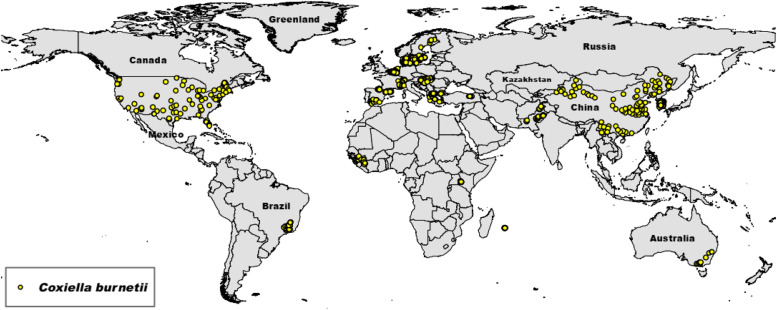 Figure 1
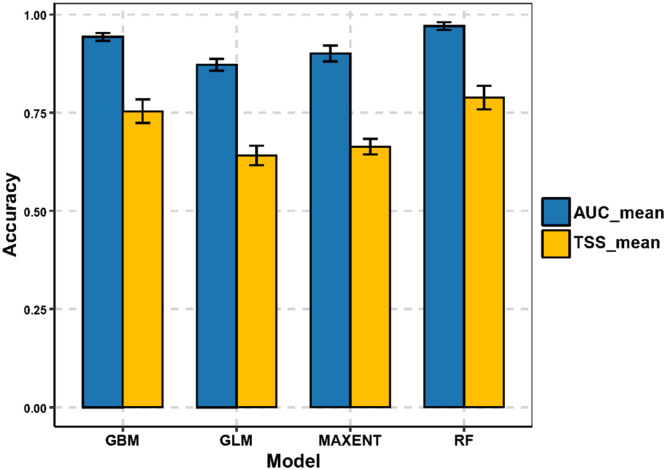 Figure 2
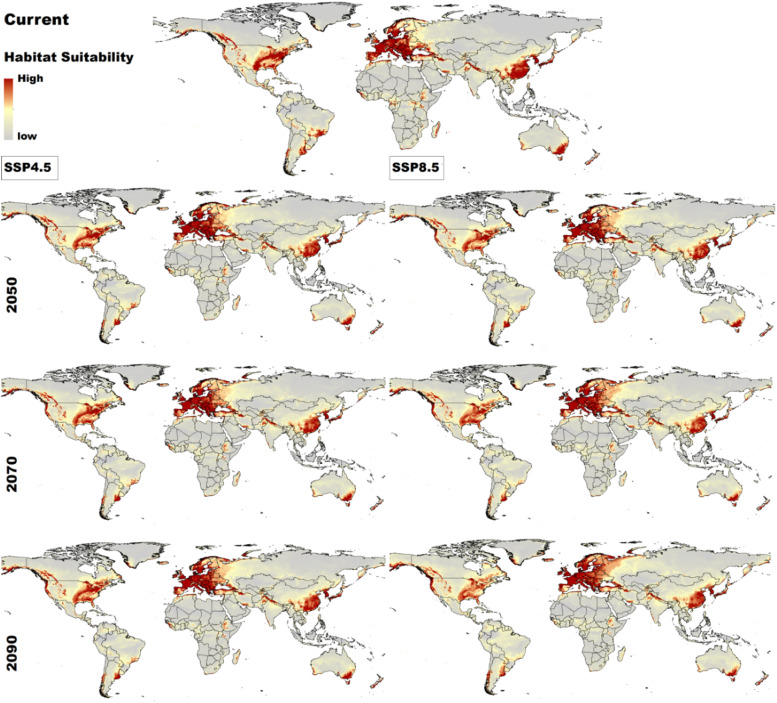 Figure 3
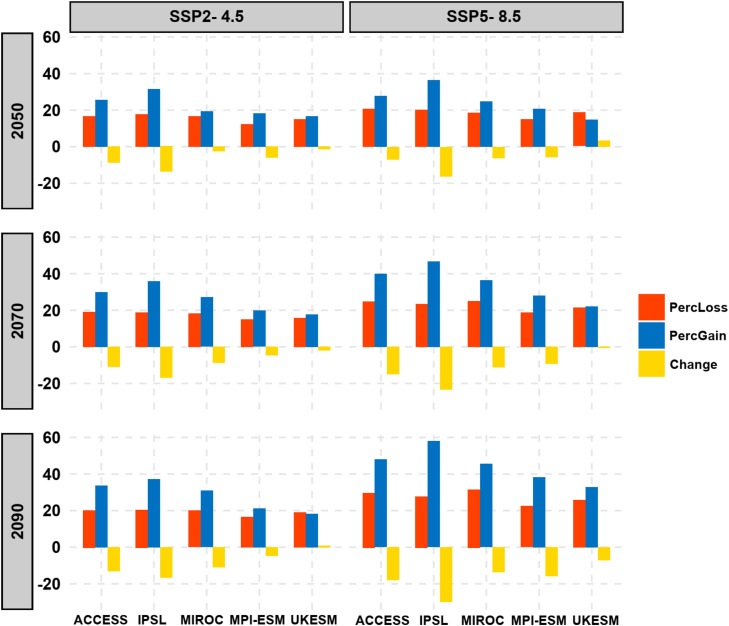 Figure 4
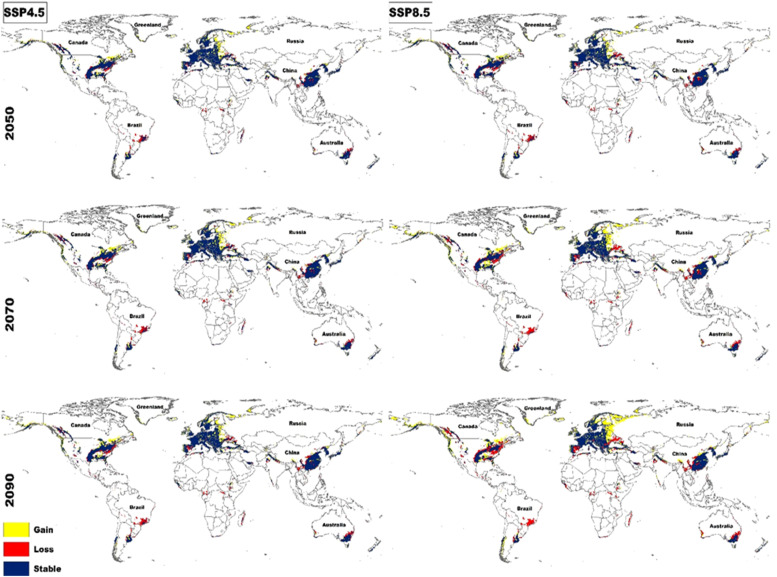 Figure 5
Peer Reviews
No public reviews on file for this paper yet. If you reviewed it on a platform where reviews are public (OpenReview, ICLR, NeurIPS, ICML), you can paste yours below so the community can read it here.
Videos
No videos yet. Explain this paper in a talk, walkthrough, or lecture? Add one.
Taxonomy
TopicsVector-borne infectious diseases · Viral Infections and Vectors · Zoonotic diseases and public health