A new era in identification of tick genera; artificial intelligence for precision and speed
Ibrahim A. Ame, Abdullahi Ibrahim Umar, Cenk S. Ozverel, Erdal Şanlıdağ, Ayse Seyer, Fadi Al-Turjman, Tamer Sanlidag

TL;DR
This study developed a web-based AI tool to quickly and accurately identify two common tick genera, helping track disease vectors without needing expert knowledge.
Contribution
A novel AI-based web application (I-TickNet) for real-time, accurate identification of Hyalomma and Rhipicephalus ticks.
Findings
ResNet50 achieved 100% accuracy in distinguishing ticks from non-ticks.
VGG16 reached 96.97% accuracy in classifying Hyalomma and Rhipicephalus ticks.
The I-TickNet application provides an accessible, user-friendly interface for tick identification.
Abstract
The occurrence of pandemics in the last 20 years highlighted the unpreparedness of healthcare systems. There is a worldwide increased trend in the vector borne diseases. Ticks are one of the most common organisms that play a vital role in global ecosystem as well as being vectors of diseases affecting human and livestock. They are able to carry infectious agents that might cause illnesses including paralysis and to some certain extend death. Therefore, it is crucial to identify different genera of ticks to track infectious agents. Conventionally, tick classification is done by acarologists who are experts in the field. For this reason, the identification process is carried out in a difficult and time-consuming manner. The aim of the study was to develop a web-based application by using artificial intelligence-based algorithms to easily identify Hyalomma and Rhipicephalus ticks, which…
Genes, proteins, chemicals, diseases, species, mutations and cell lines named across the full text — each resolved to its canonical identifier and authoritative record.
Click any figure to enlarge with its caption.
 Figure 1
 Figure 2
 Figure 3
 Figure 4
 Figure 5
 Figure 6
 Figure 7
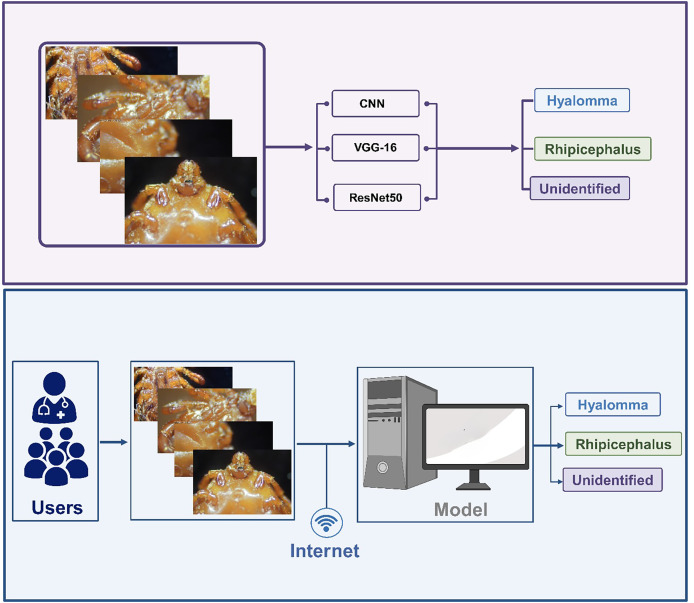 Figure 8
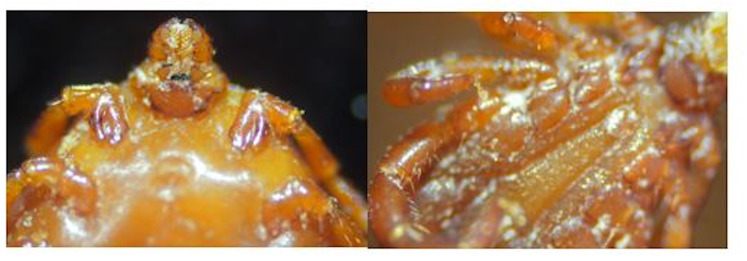 Figure 9
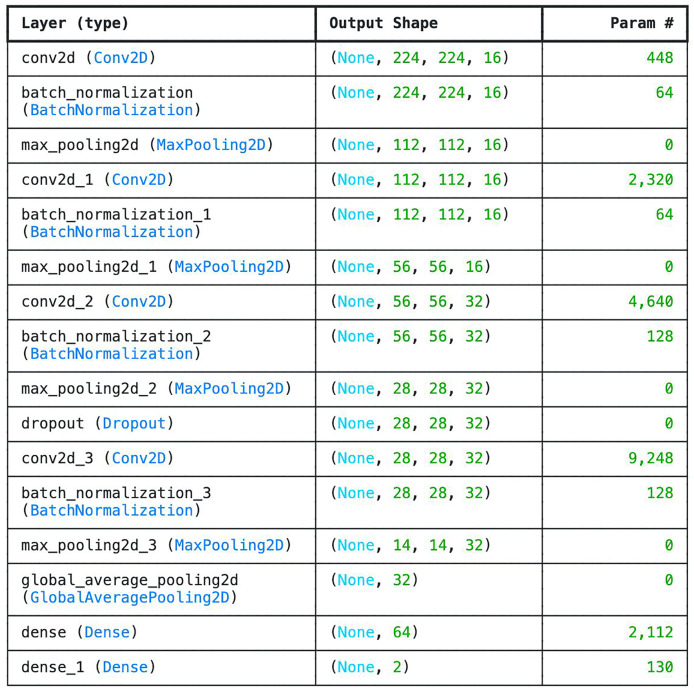 Figure 10
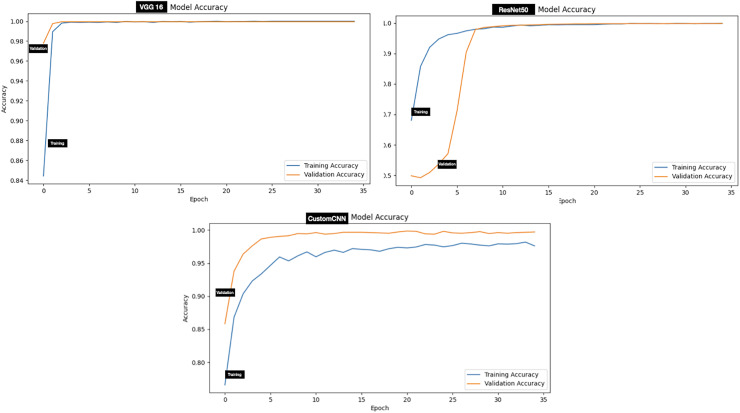 Figure 11
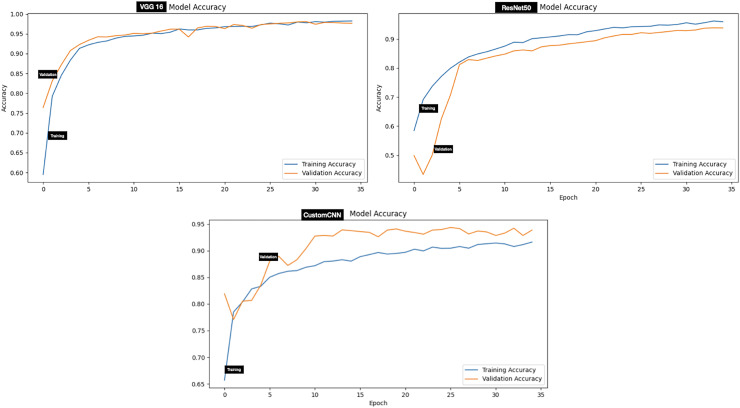 Figure 12
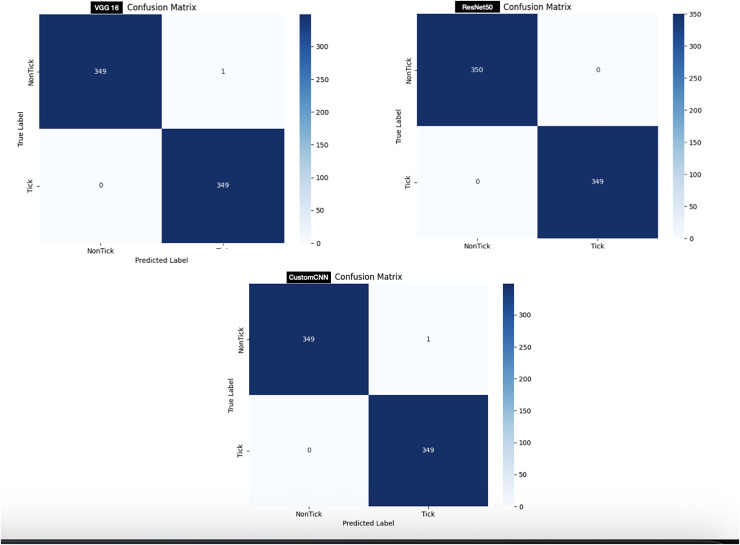 Figure 13
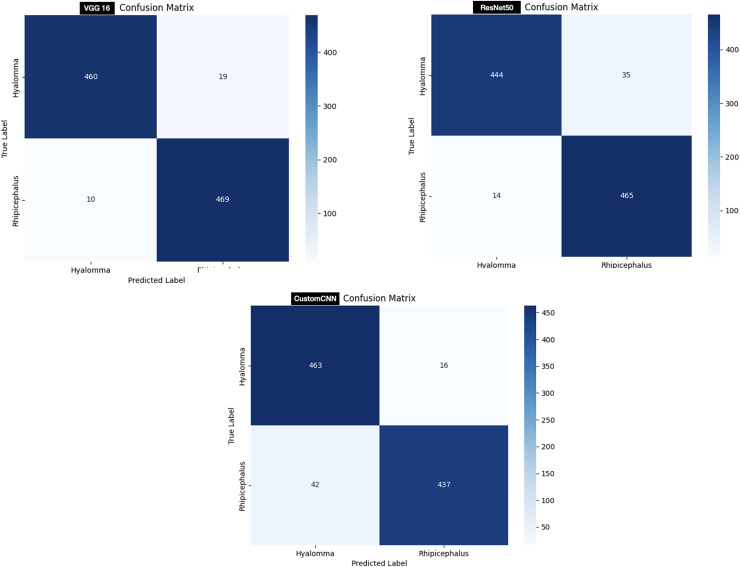 Figure 14
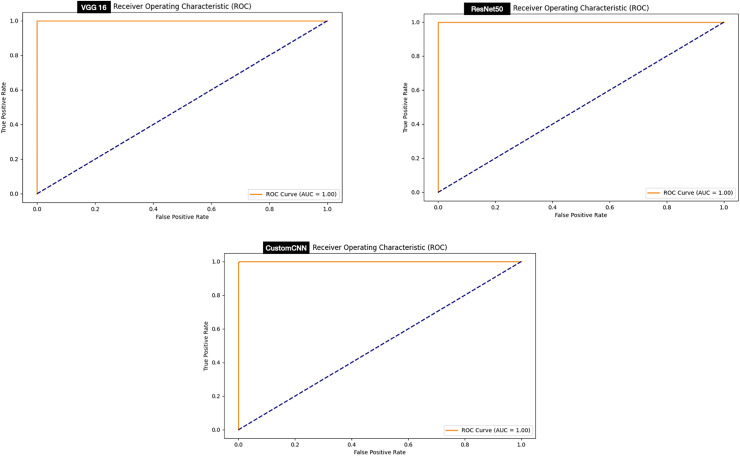 Figure 15
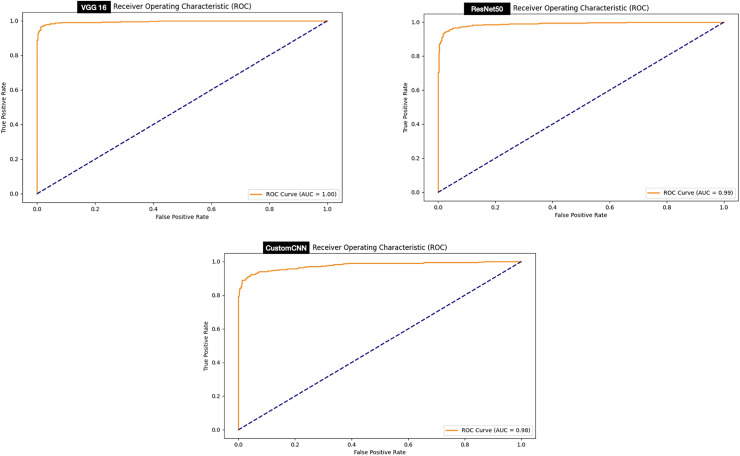 Figure 16
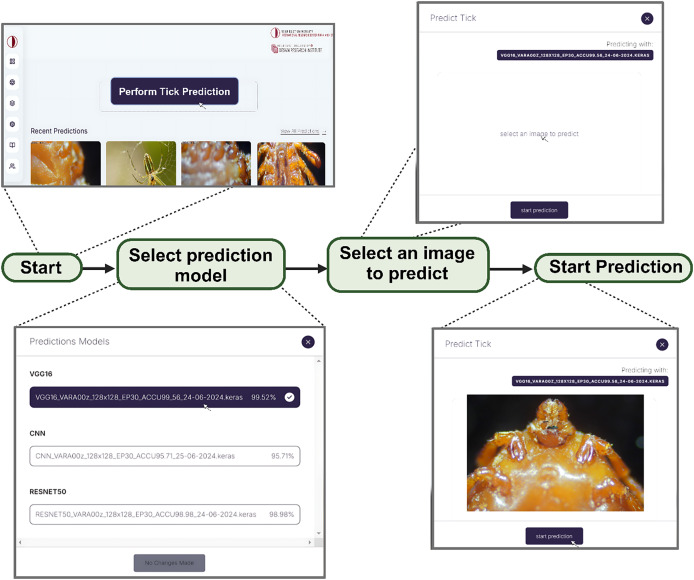 Figure 17
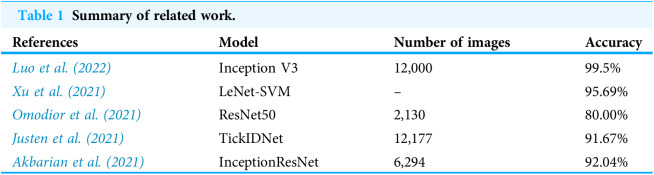 Figure 18
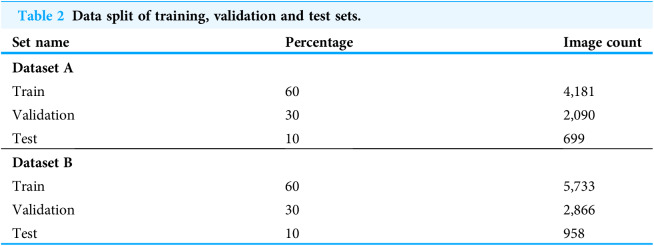 Figure 19
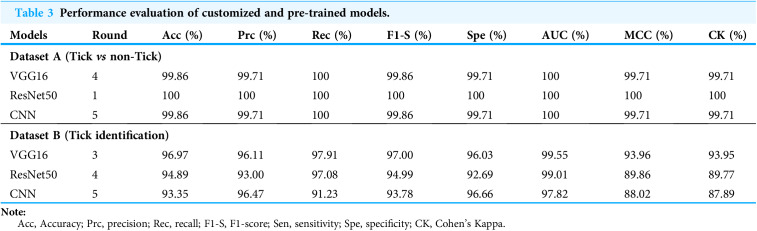 Figure 20
 Figure 21
 Figure 22
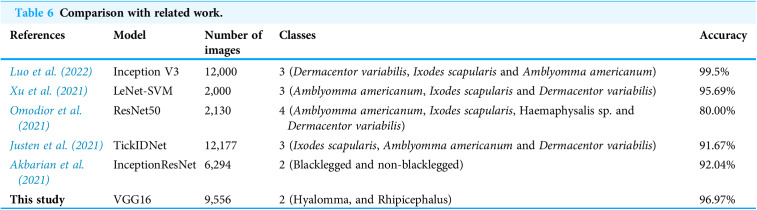 Figure 23
 Figure 24
Peer Reviews
No public reviews on file for this paper yet. If you reviewed it on a platform where reviews are public (OpenReview, ICLR, NeurIPS, ICML), you can paste yours below so the community can read it here.
Videos
No videos yet. Explain this paper in a talk, walkthrough, or lecture? Add one.
Taxonomy
TopicsDigital Imaging for Blood Diseases · COVID-19 diagnosis using AI · AI in cancer detection