The evolution of nanopore measurements: from biological out-of-plane pores to plastic in-plane pores
Khurshed Akabirov, Hanna Nguyen, Shakila Peli Thanthri, Sheila M. Barros, Maximillian Chibuike, Sunggook Park, Steven A. Soper

TL;DR
This paper reviews the development of nanopore sensing technology, comparing biological and solid-state nanopores and their in-plane and out-of-plane configurations for detecting single molecules without labels.
Contribution
The paper provides a comprehensive review of the evolution of nanopore configurations and materials for single-molecule detection.
Findings
Biological nanopores are dominant due to their small size, while solid-state nanopores offer stability and versatility.
In-plane nanopores fabricated in plastics via replication technologies represent a significant advancement.
Signal-to-noise ratio is influenced by pore size relative to the target molecule and the material used.
Abstract
Nanopore sensing provides an ideal strategy for the label-free detection of single molecules in a variety of application scenarios. Working under the principle of resistive pulse sensing (RPS), nanopores consist of constrictions with sub-100 nm dimensions to enable single-molecule resolution by matching pore size to target dimensions (scaling); the optimal signal-to-noise ratio (SNR) results when the electrically biased pore is comparable in size to the molecule to be analyzed. When single molecules are electrokinetically transported through such remarkably small pores, they temporarily disturb the flux of ions moving through them, generating unique signals. These signals vary based upon the molecules' shape, size, orientation, and other physicochemical properties. Nanopores are generally divided into two main categories owing to their fabrication approach and material: biological and…
Genes, proteins, chemicals, diseases, species, mutations and cell lines named across the full text — each resolved to its canonical identifier and authoritative record.
Click any figure to enlarge with its caption.
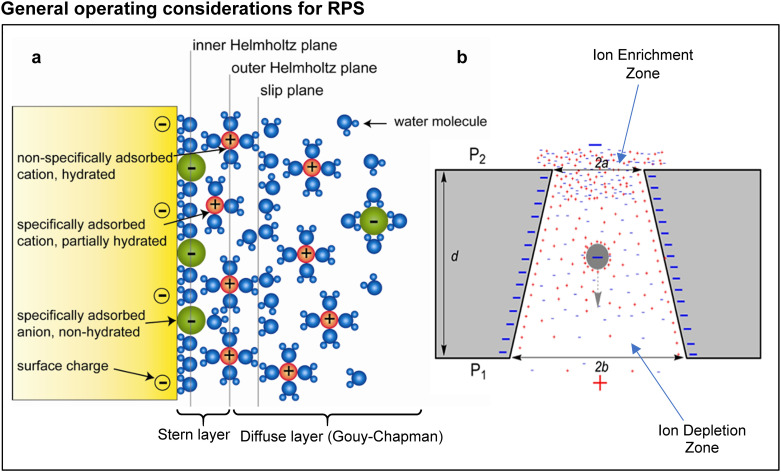 Figure 1
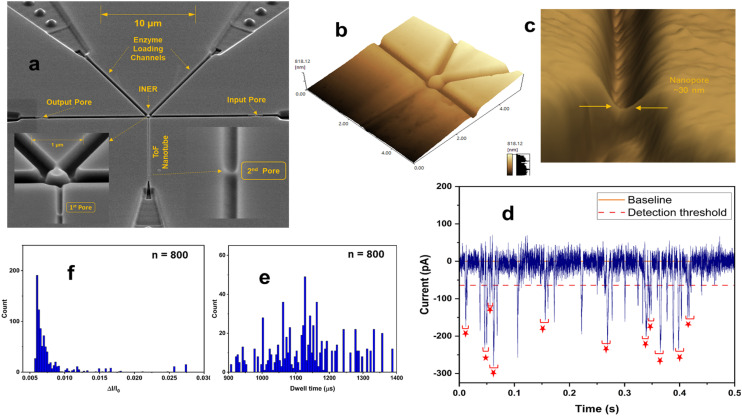 Figure 2
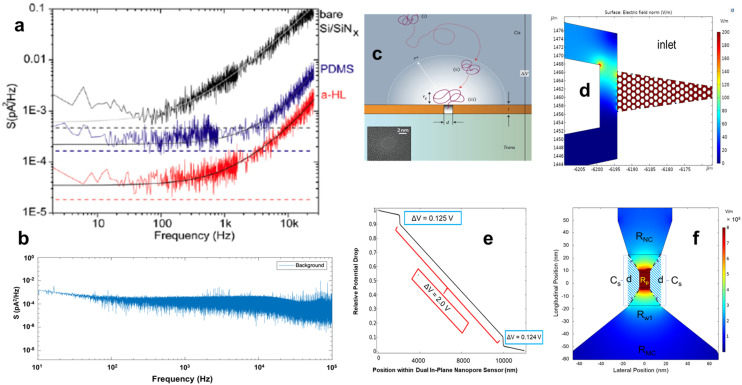 Figure 3
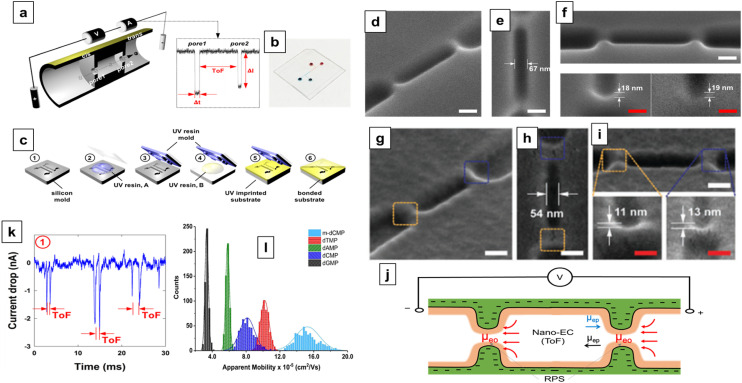 Figure 4
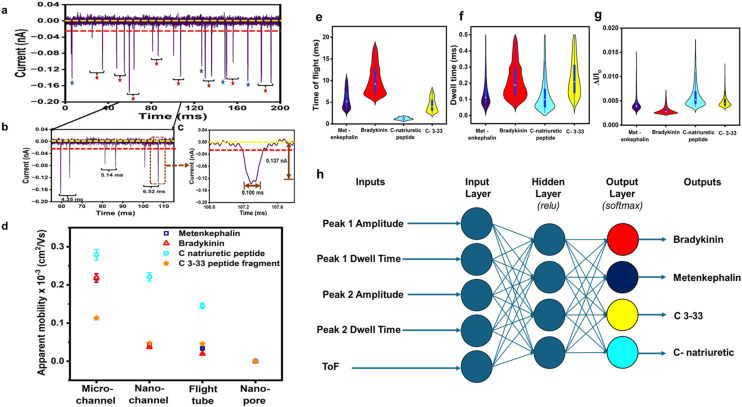 Figure 5
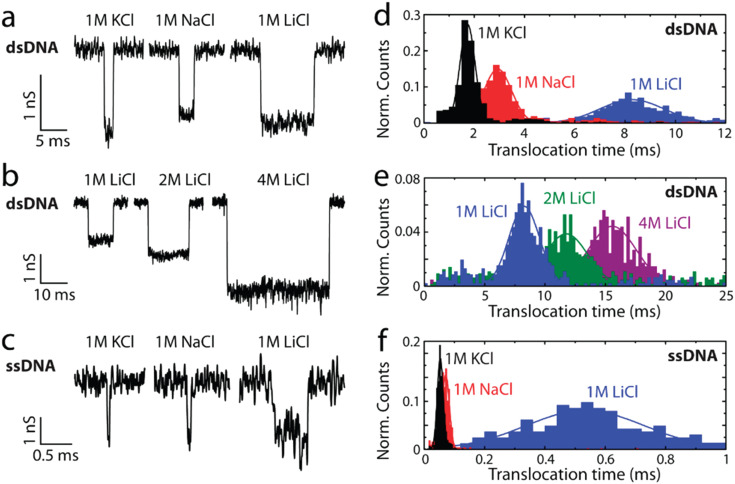 Figure 6
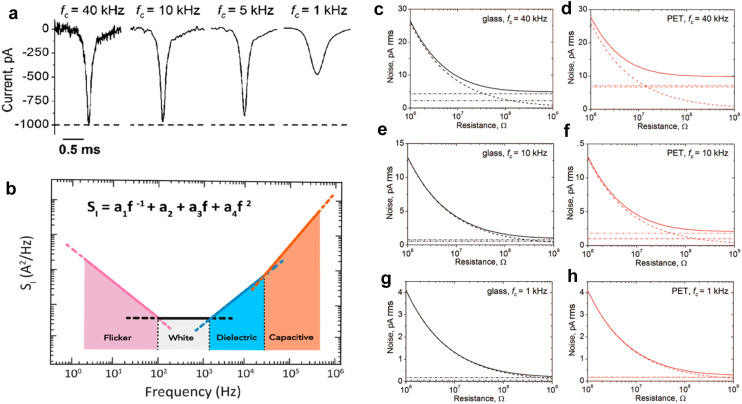 Figure 7
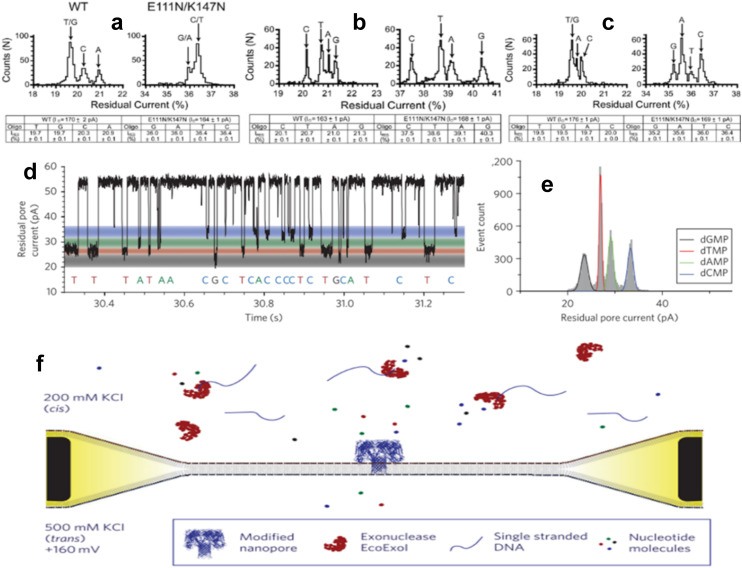 Figure 8
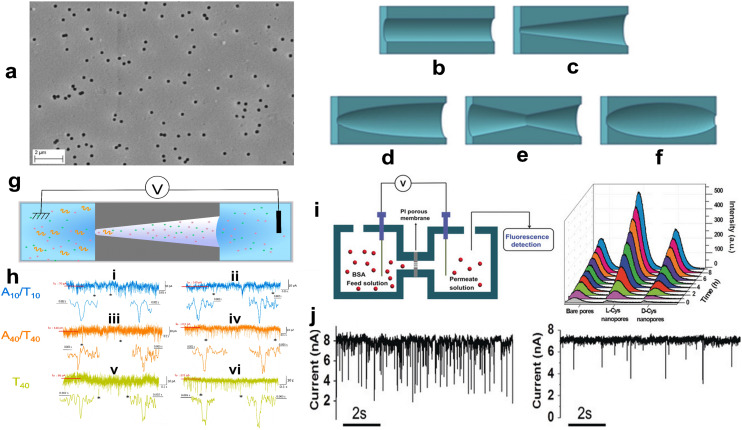 Figure 9
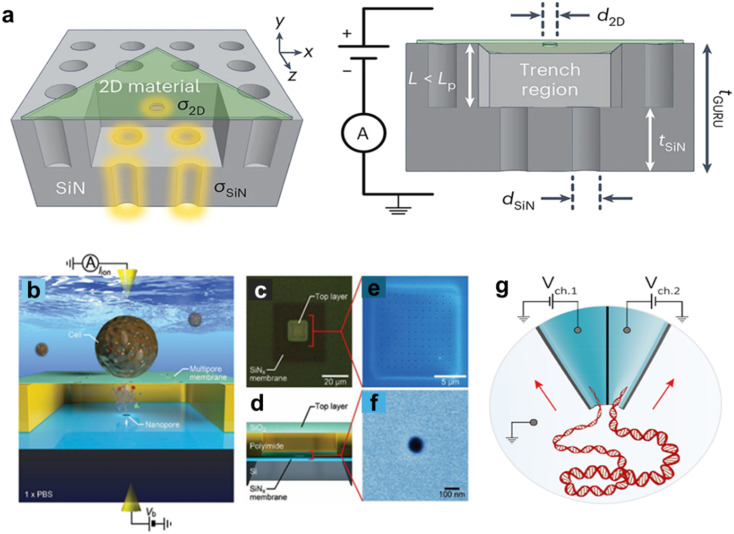 Figure 10
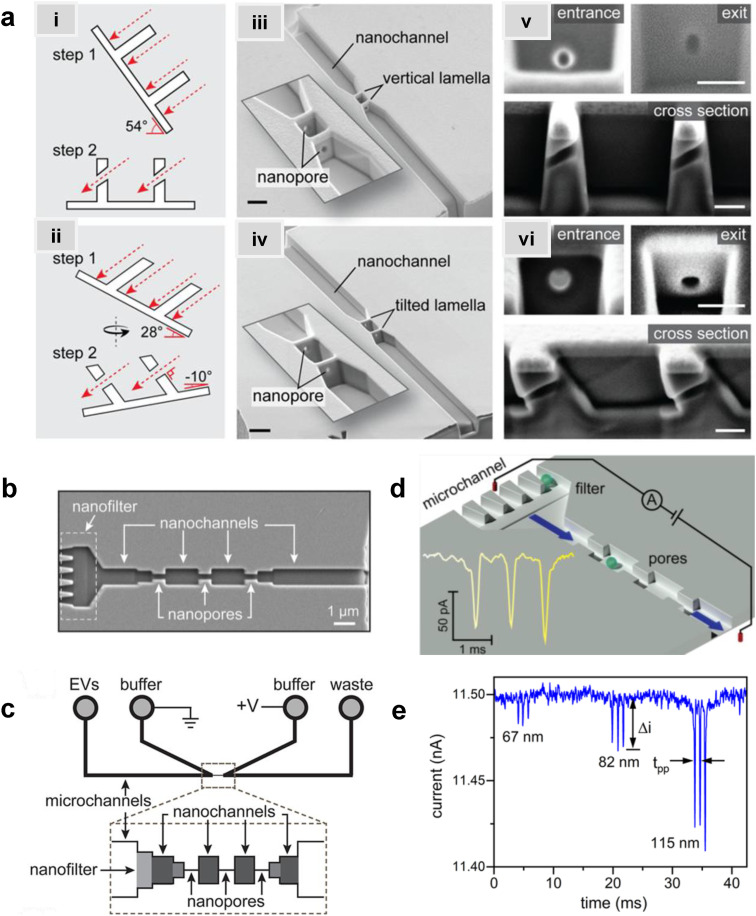 Figure 11
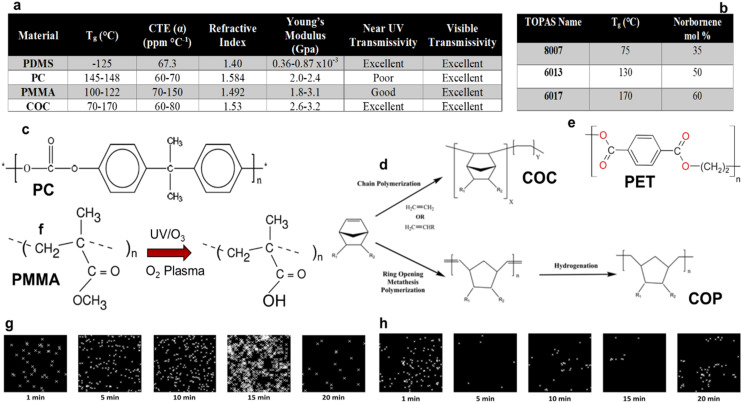 Figure 12
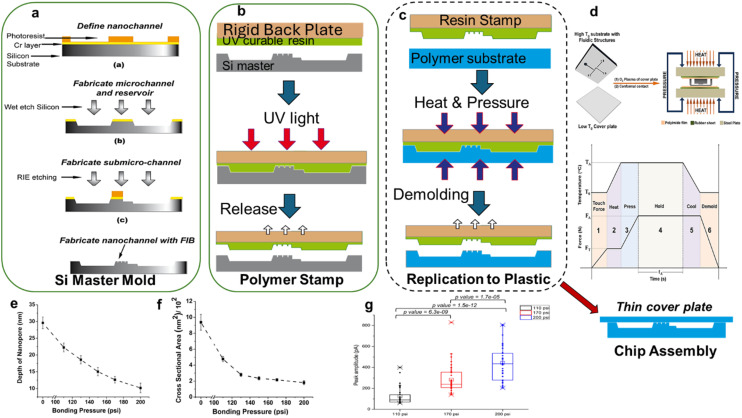 Figure 13
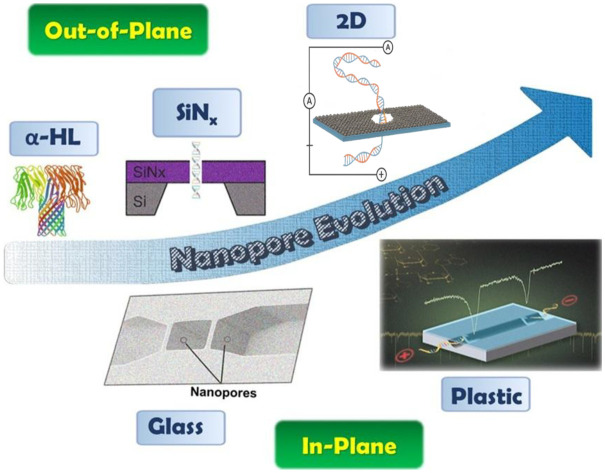 Figure 14
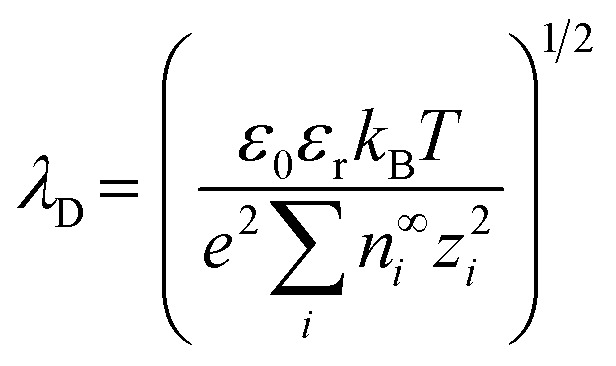 Figure 15
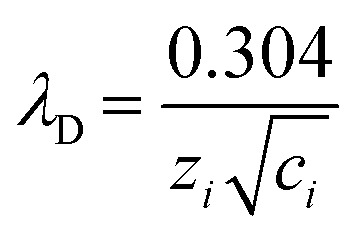 Figure 16
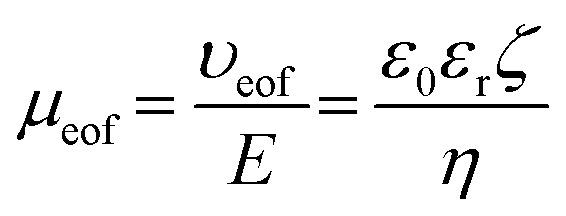 Figure 17
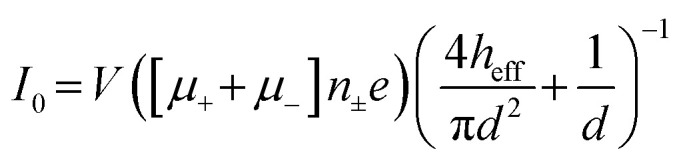 Figure 18
 Figure 19
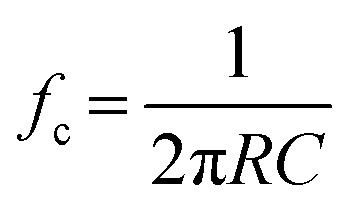 Figure 20
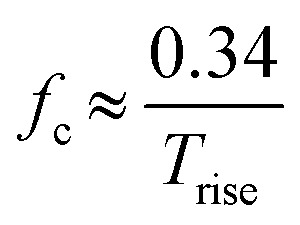 Figure 21
 Figure 22
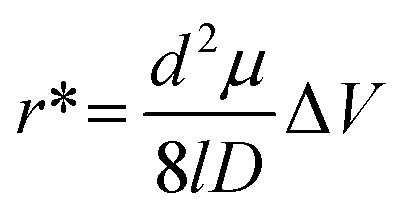 Figure 23
 Figure 24
 Figure 25
 Figure 26
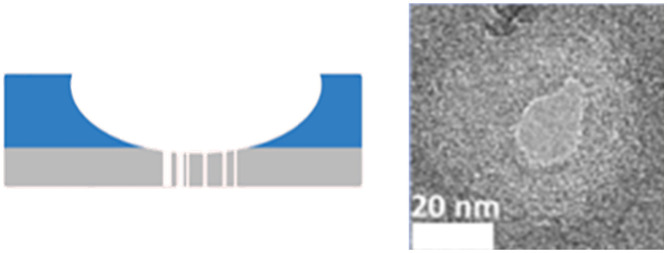 Figure 27
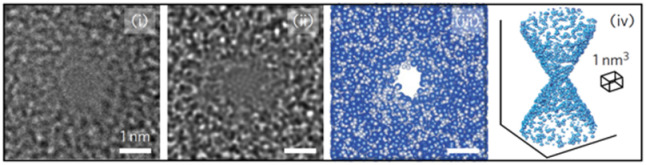 Figure 28
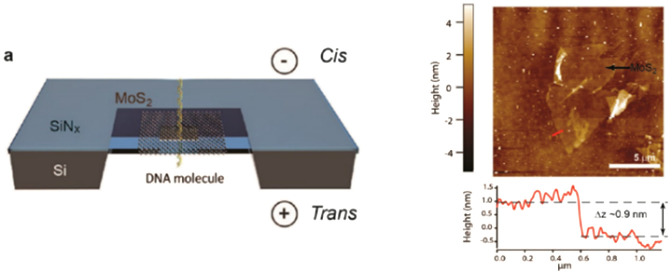 Figure 29
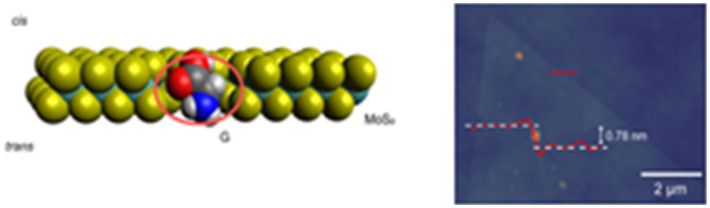 Figure 30
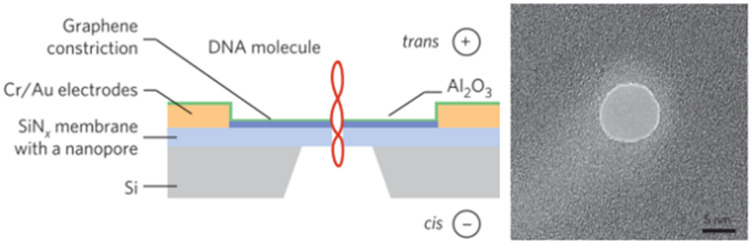 Figure 31
Peer Reviews
No public reviews on file for this paper yet. If you reviewed it on a platform where reviews are public (OpenReview, ICLR, NeurIPS, ICML), you can paste yours below so the community can read it here.
Videos
No videos yet. Explain this paper in a talk, walkthrough, or lecture? Add one.
Taxonomy
TopicsNanopore and Nanochannel Transport Studies · Ion-surface interactions and analysis · NMR spectroscopy and applications