Longitudinal monitoring of type 1 diabetes progression to disease onset
Jessica L. King, Jyotirmoy Roy, Russell R. Urie, Elizabeth Bealer, Kelly Crumley, Laila Rad, Scott A. Soleimanpour, Lonnie D. Shea

TL;DR
A new method using a subcutaneous scaffold detects type 1 diabetes progression before symptoms appear, offering earlier intervention opportunities.
Contribution
A subcutaneous immunological niche enables early detection of T1D progression in a mouse model before glucose dysregulation.
Findings
The scaffold identifies disease progressors 5 to 7 weeks before onset in a mouse model.
The method distinguishes at-risk from non-risk groups at 6 weeks of age.
Early disease detection is possible in a nonvital tissue distant from the pancreas.
Abstract
Preventing autoimmune type 1 diabetes (T1D) necessitates improved monitoring for disease progression before symptom onset. Current diagnostic methods assess circulating autoantibodies, C-peptide levels, or dysglycemia, yet these approaches fail to identify β cell destruction preceding glucose dysregulation. Here, a subcutaneous microporous scaffold is used as an immunological niche (IN), which provides a nonvital accessible tissue reflecting many immune changes occurring in the pancreas. Sequencing analysis of the IN successfully delineates at-risk from nonrisk groups, as well as disease progressors from nonprogressors at 6 weeks of age in the nonobese diabetic mouse model. Within progressors, we identify disease 5 to 7 weeks before disease onset. Collectively, disease occurring in a poorly accessible site can be identified early by sampling a distant nonvital tissue, indicating the…
Genes, proteins, chemicals, diseases, species, mutations and cell lines named across the full text — each resolved to its canonical identifier and authoritative record.
Click any figure to enlarge with its caption.
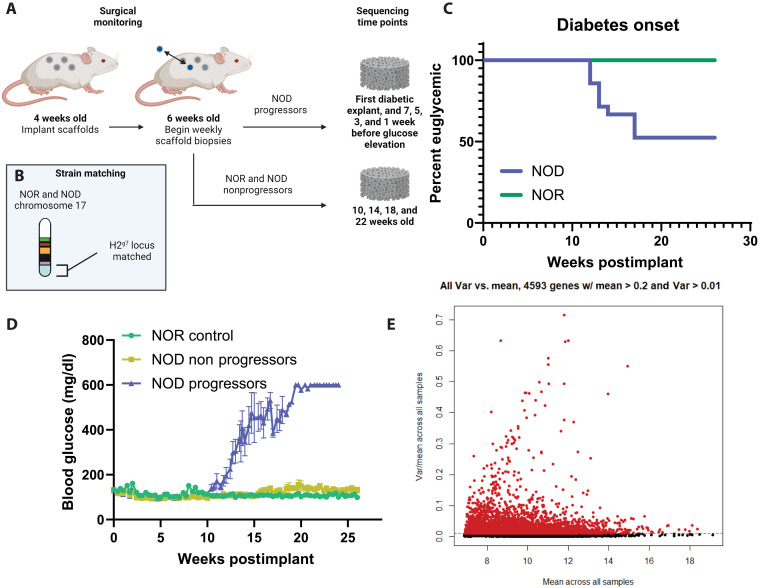 Figure 1
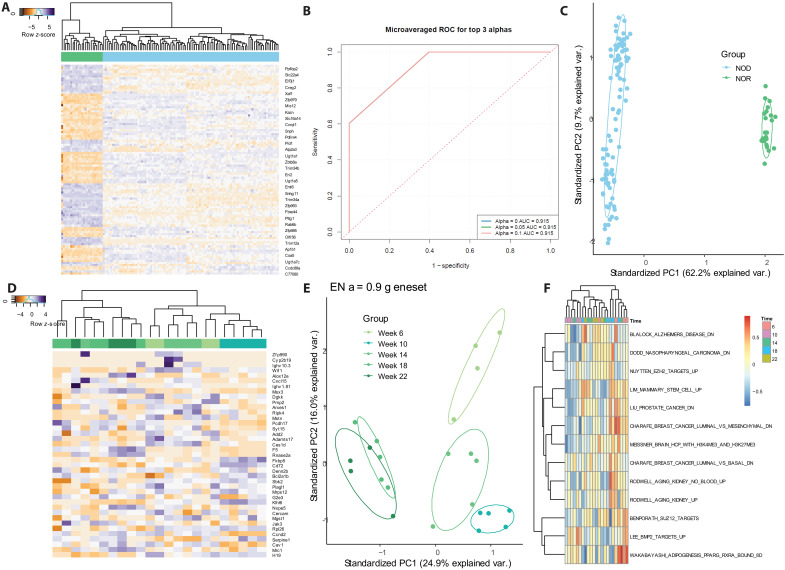 Figure 2
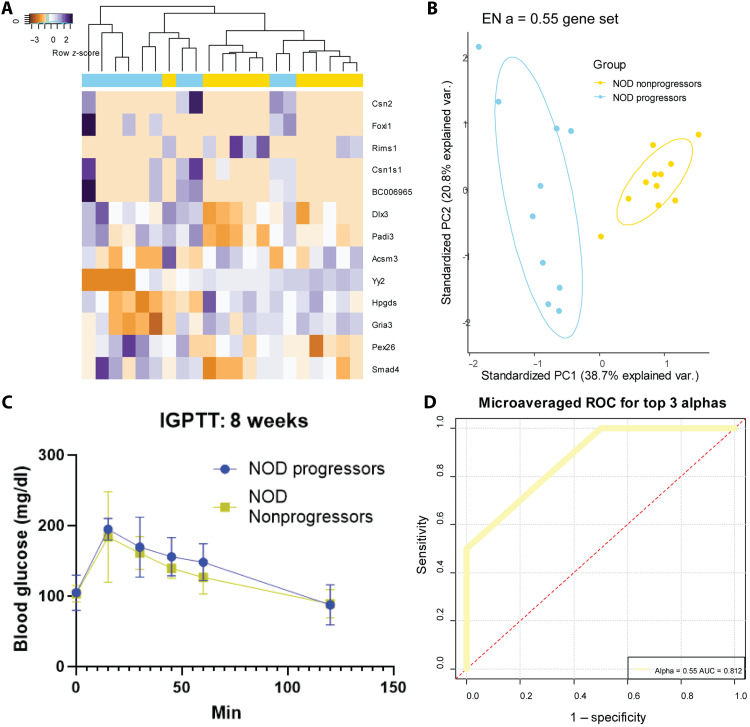 Figure 3
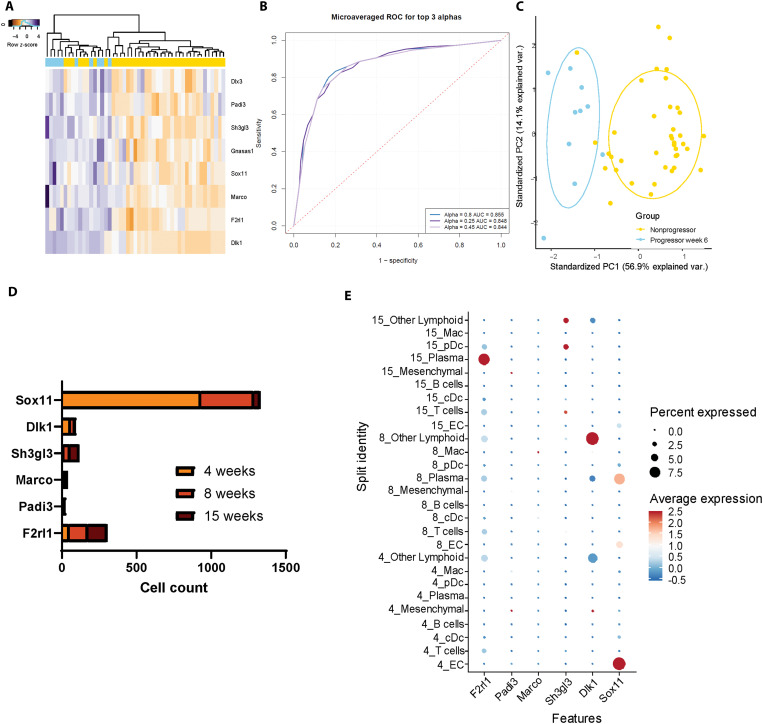 Figure 4
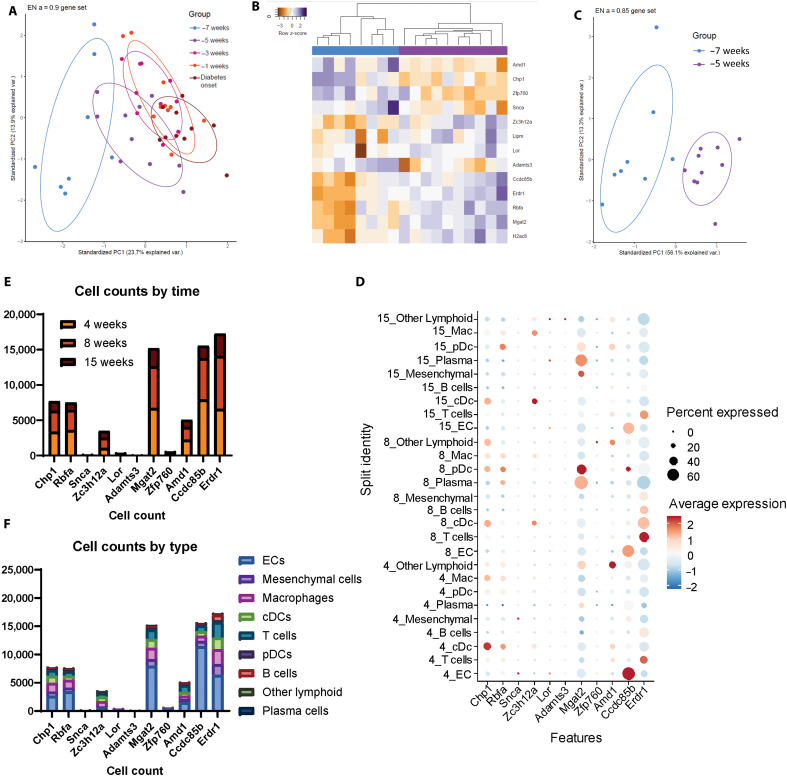 Figure 5
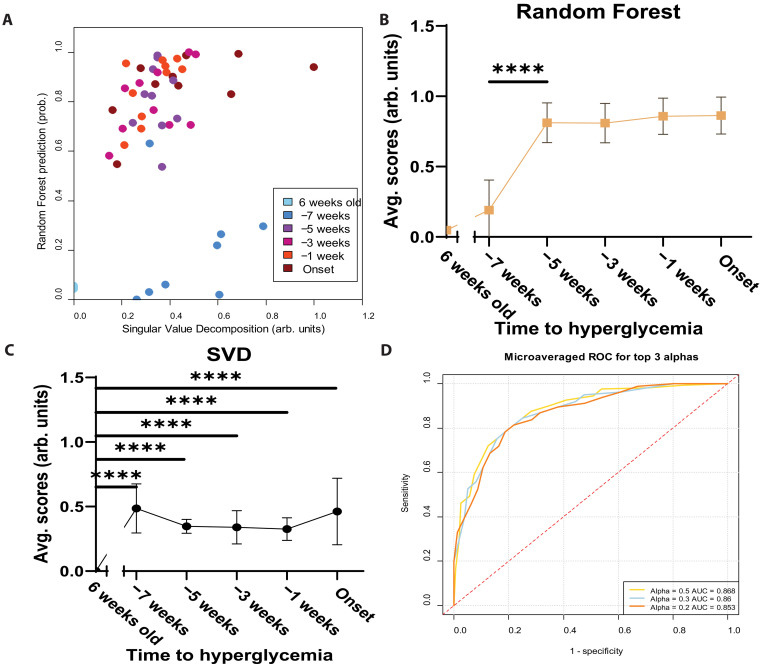 Figure 6
Peer Reviews
No public reviews on file for this paper yet. If you reviewed it on a platform where reviews are public (OpenReview, ICLR, NeurIPS, ICML), you can paste yours below so the community can read it here.
Videos
No videos yet. Explain this paper in a talk, walkthrough, or lecture? Add one.
Taxonomy
TopicsDiabetes and associated disorders · Pancreatic function and diabetes · Diabetes Management and Research