LIMCH1-enriched extracellular vesicles promote vascular permeability in early-onset preeclampsia
Seiko Matsuo, Akira Yokoi, Takafumi Ushida, Kosuke Yoshida, Hironori Suzuki, Masami Kitagawa, Eri Asano-Inami, Hiroaki Yamada, Rika Miki, Sho Tano, Kenji Imai, Ichiro Nagata, Shota Kawaguchi, Takao Yasui, Yusuke Yamamoto, Hiroaki Kajiyama, Tomomi Kotani

TL;DR
This study shows that extracellular vesicles enriched with LIMCH1 increase blood vessel permeability, contributing to the development of preeclampsia.
Contribution
The study identifies LIMCH1 as a novel PE-associated EV protein that disrupts endothelial junctions and promotes vascular permeability.
Findings
LIMCH1 is highly expressed in PE placentas and released via EVs into maternal circulation.
LIMCH1-EVs increase endothelial permeability by suppressing ZO-1 expression in vitro.
Administration of LIMCH1-EVs promotes pulmonary vascular permeability in vivo.
Abstract
Preeclampsia (PE) is a major pregnancy complication characterized by hypertension and multiple end-organ dysfunctions; however, its detailed pathogenesis remains unclear. Extracellular vesicles (EVs) play diverse and critical roles in intercellular communication, and we have demonstrated interaction between EVs and vascular endothelial cells. Through serum proteomic analysis, we identified LIM and calponin homology domain–containing protein 1 (LIMCH1) as a PE-associated EV protein that is highly expressed in PE placentas, particularly in syncytiotrophoblasts, which release EVs into the maternal circulation. LIMCH1-enriched EVs (LIMCH1-EVs) increased endothelial permeability in vitro. Transcriptome analysis revealed that LIMCH1-EVs disrupted endothelial cell-cell junction assembly by suppressing the expression of the tight junction protein ZO-1. Furthermore, administration of LIMCH1-EVs…
Genes, proteins, chemicals, diseases, species, mutations and cell lines named across the full text — each resolved to its canonical identifier and authoritative record.
Click any figure to enlarge with its caption.
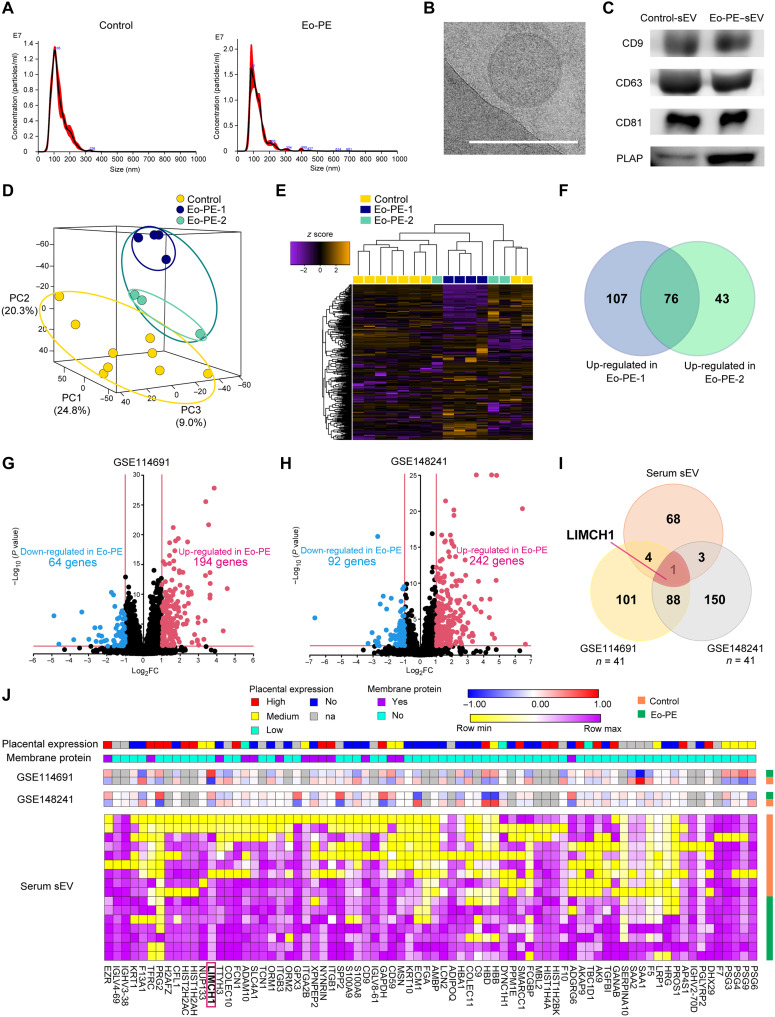 Figure 1
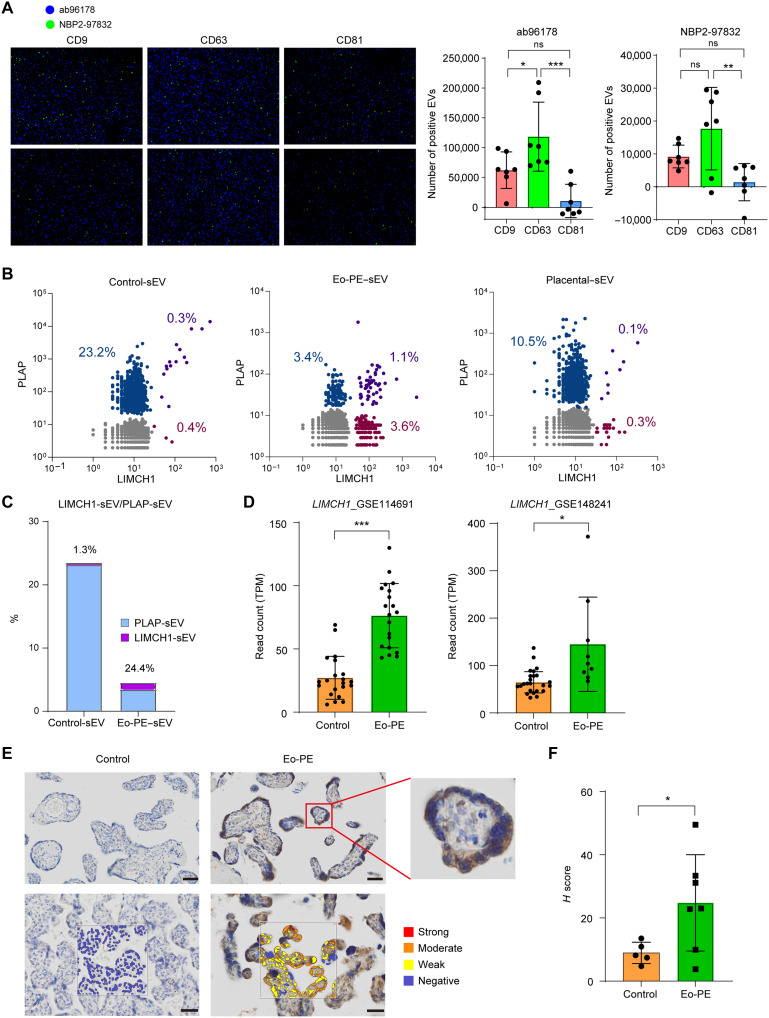 Figure 2
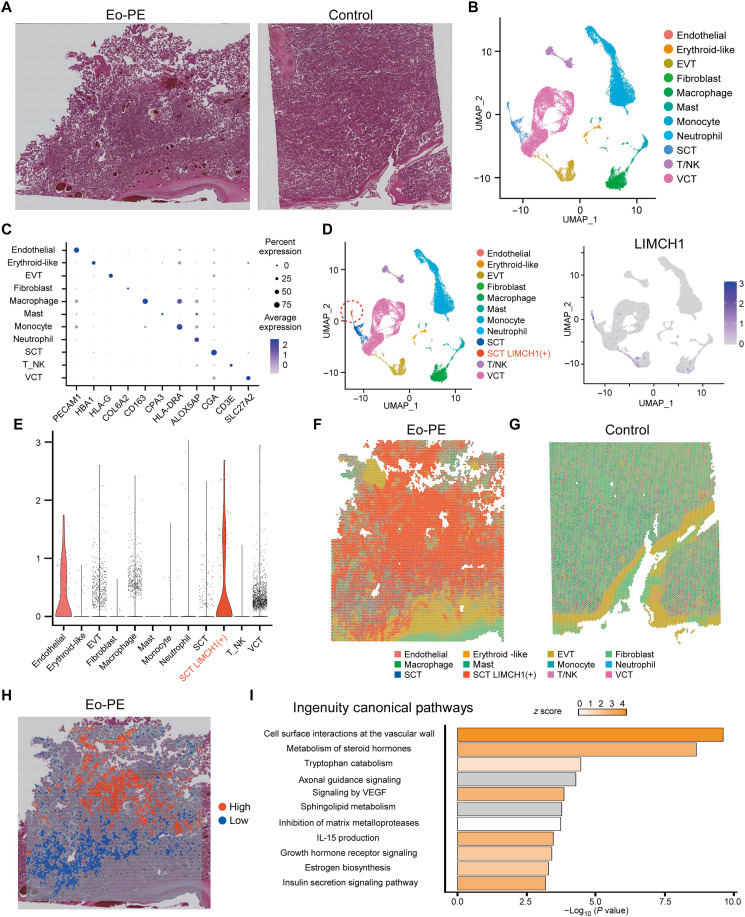 Figure 3
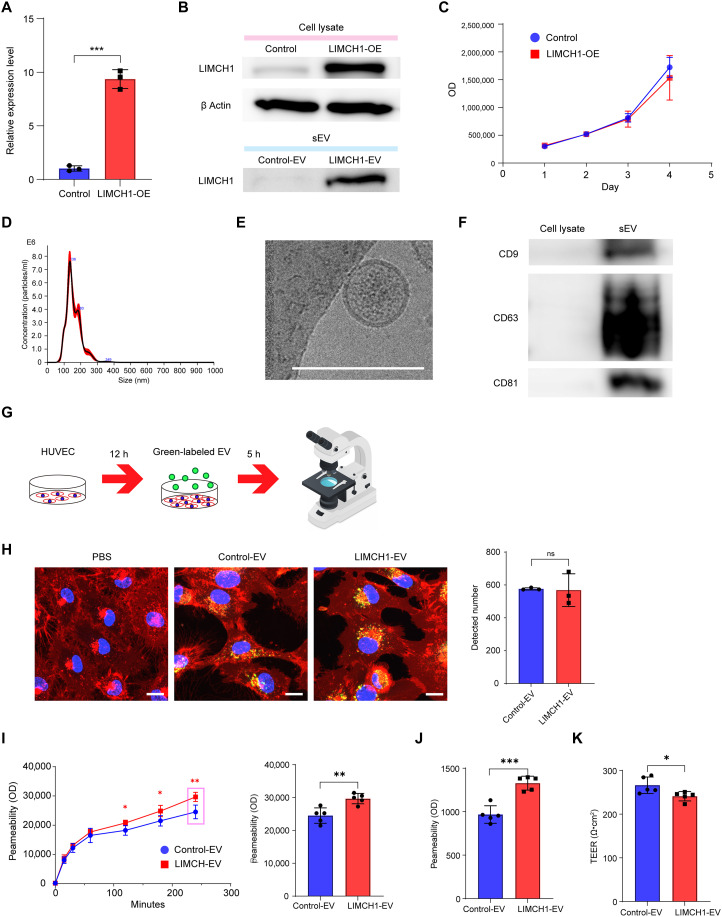 Figure 4
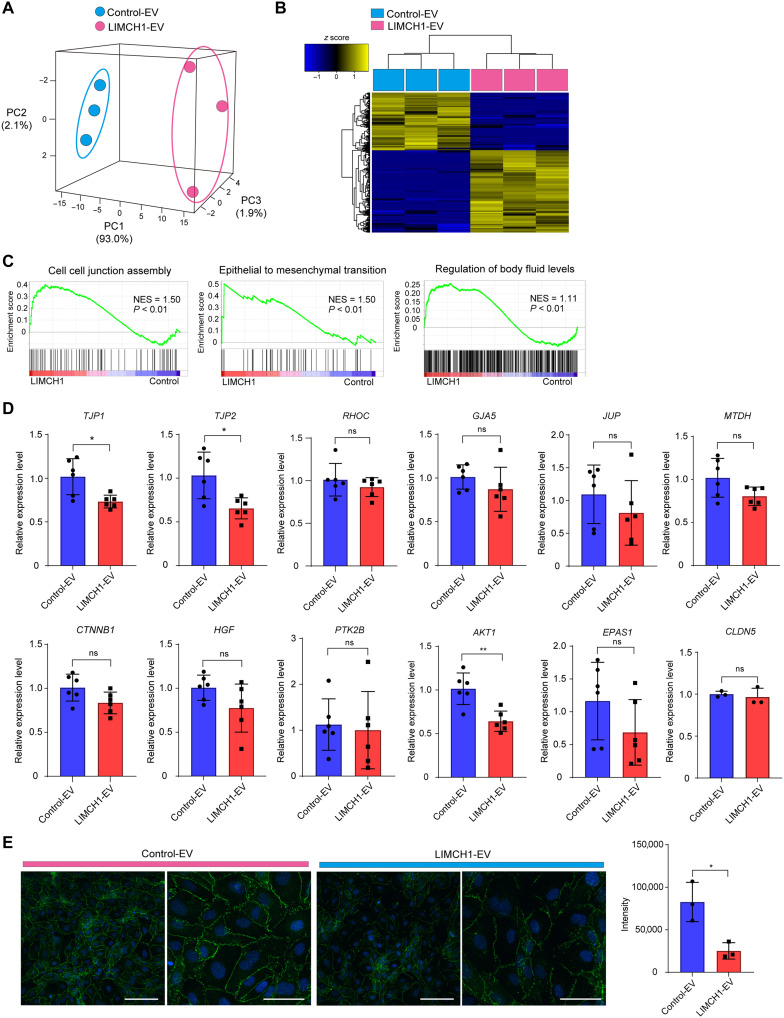 Figure 5
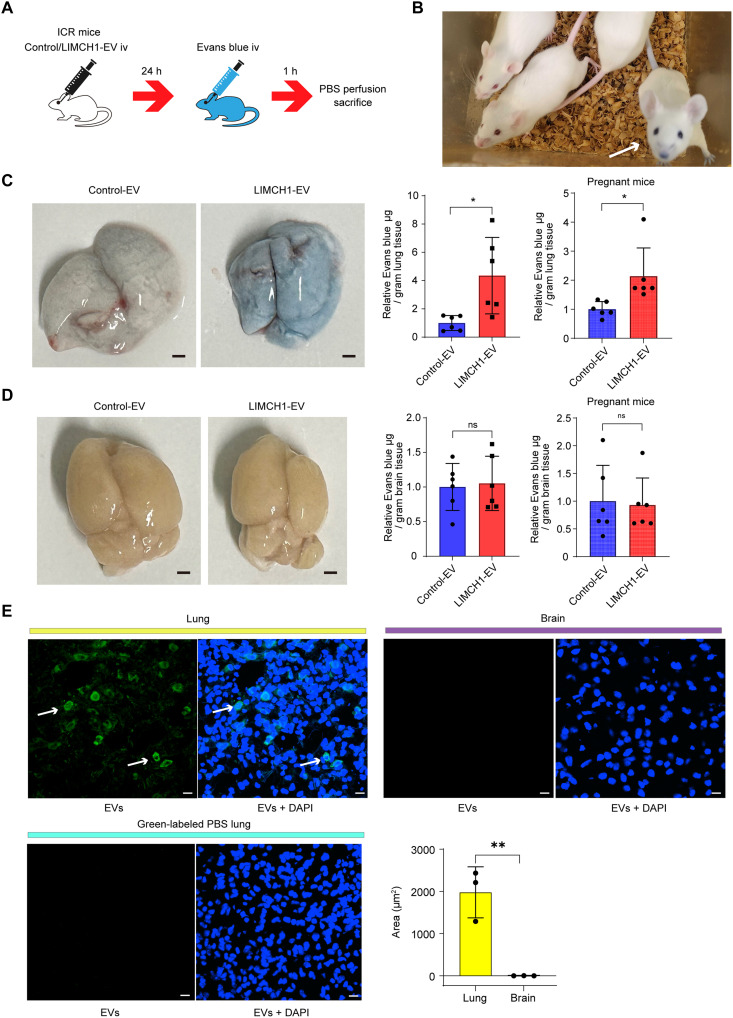 Figure 6
Peer Reviews
No public reviews on file for this paper yet. If you reviewed it on a platform where reviews are public (OpenReview, ICLR, NeurIPS, ICML), you can paste yours below so the community can read it here.
Videos
No videos yet. Explain this paper in a talk, walkthrough, or lecture? Add one.
Taxonomy
TopicsPregnancy and preeclampsia studies · Extracellular vesicles in disease · Maternal and fetal healthcare