Evaluation of computer-aided detection for gastric cancer using white-light and linked-color imaging: a pilot study
Takeshi Yasuda, Narutoshi Ando, Tamae Hashimoto, Yoshiaki Kanai, Yoichi Sakamoto, Yuki Endo, Tomohiro Soda, Takako Akazawa, Tsuguhiro Matsumoto, Norihito Yamauchi, Akira Muramatsu, Hiromu Kutsumi

TL;DR
A new AI system for detecting gastric cancer during endoscopies was tested, showing better performance with a specific imaging technique but needing improvement in reducing false alarms.
Contribution
The study evaluates a novel CADe system's performance in gastric cancer detection using different endoscopic imaging techniques.
Findings
CADe had significantly fewer false positives when using LCI compared to WLI.
CADe detected all known early gastric cancer cases and identified most key gastric sites accurately.
CADe showed a higher, though not statistically significant, cancer detection rate compared to standard methods.
Abstract
In recent years, the field of endoscopic artificial intelligence has seen significant advancements, largely because of the widespread implementation of deep learning techniques. However, the computer-aided detection (CADe) of the stomach poses significant challenges in clinical practice. Here, we evaluated the performance of a newly developed CADe system, CAD EYE (Fujifilm, Tokyo, Japan), by comparing the frequency of the detection box appearance with white-light imaging (WLI) versus linked-color imaging (LCI) during the process of detecting gastric cancer (GC) and detection of GC with and without CADe. This single-center observational retrospective study included 105 patients who underwent esophagogastroduodenoscopy (EGD) using CADe and 105 controls selected by propensity-score matching from 600 patients. The primary outcome was to compare the detection box appearance of WLI and LCI…
Genes, proteins, chemicals, diseases, species, mutations and cell lines named across the full text — each resolved to its canonical identifier and authoritative record.
Click any figure to enlarge with its caption.
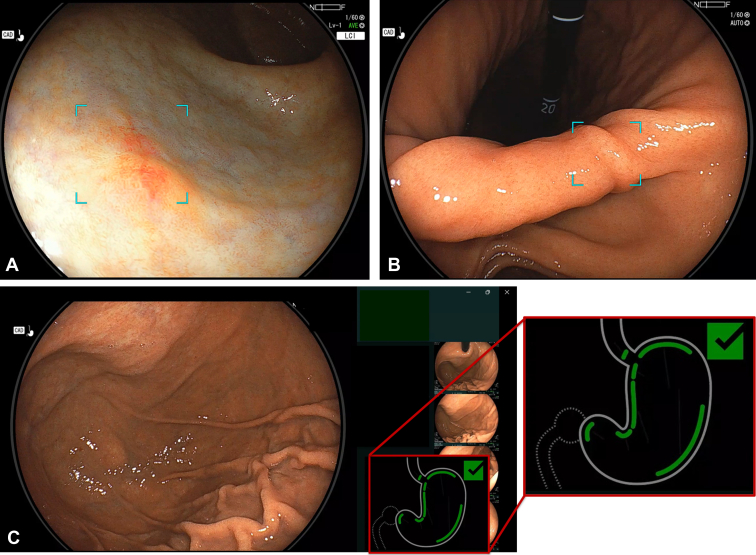 Figure 1
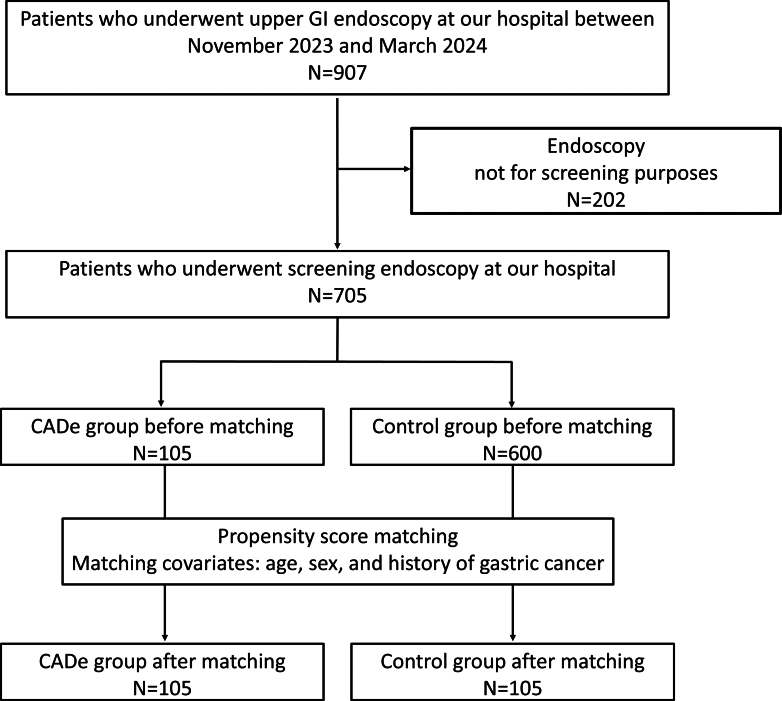 Figure 2
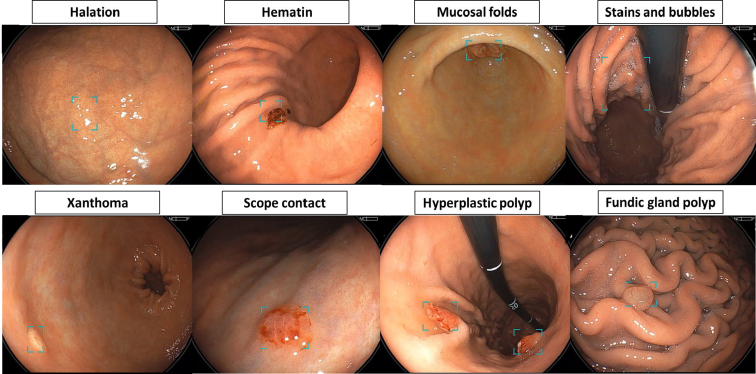 Figure 3
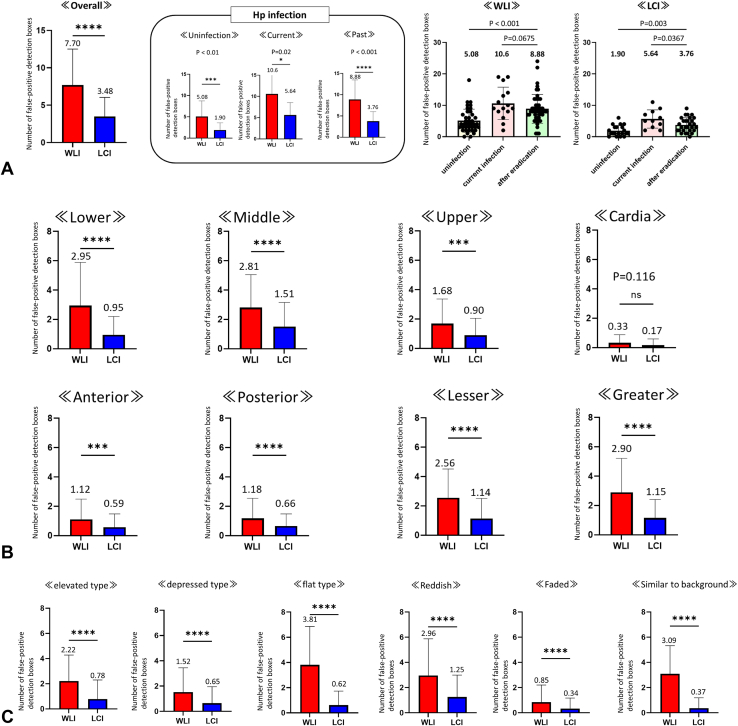 Figure 4
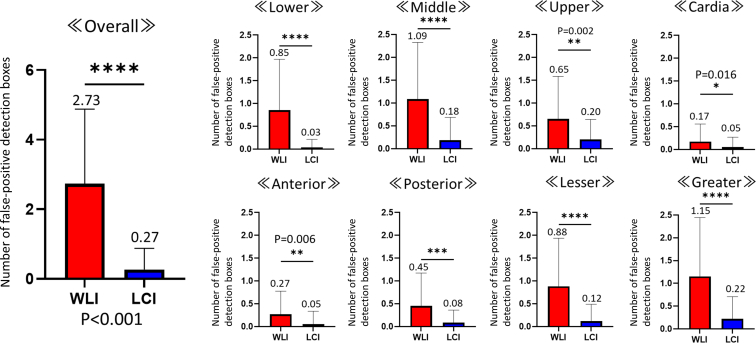 Figure 5
Peer Reviews
No public reviews on file for this paper yet. If you reviewed it on a platform where reviews are public (OpenReview, ICLR, NeurIPS, ICML), you can paste yours below so the community can read it here.
Videos
No videos yet. Explain this paper in a talk, walkthrough, or lecture? Add one.
Taxonomy
TopicsImage Retrieval and Classification Techniques · AI in cancer detection · Advanced Computing and Algorithms