Bile Acid Binding Resins Improve Glucagon Receptor Agonist‐Mediated Weight Loss in Diet‐Induced Obese Mice
Teayoun Kim, Mackenzie J. Pearson, Huixian Hong, Shelly Nason, Khadija Seck, Jessica Antipenko, Natalie Presedo, Richard DiMarchi, William C. Roell, Kirk Habegger

TL;DR
Combining bile acid binding resins with glucagon receptor agonists improves weight loss and metabolic health in obese mice.
Contribution
This study reveals that bile acid binding resins enhance the effectiveness of glucagon receptor agonists in treating obesity.
Findings
Combined treatment with IUB288 and bile acid binding resins reduced body weight and food intake in obese mice.
The combination improved glucose homeostasis and reduced liver fat accumulation more effectively than either treatment alone.
Bile acid profiles and gene expression related to bile acid regulation were modulated by the combined treatment.
Abstract
Glucagon‐receptor (GCGR) agonism reguglates bile acid (BA) metabolism and promotes weight loss in diet‐induced obese (DIO) mice. Thus, we hypothesized that BA signaling contributes to GCGR‐stimulated weight loss. To test this hypothesis, we utilized BA‐binding resins (BARs; colesevelam [Colsv] and cholestyramine [Cstyr]) to prevent intestinal BA reuptake. DIO C57Bl/6J mice were administered the GCGR agonist IUB288 or vehicle, in the presence or absence of BARs. To our surprise, combined IUB288 and Colsv treatment reduced body weight and food intake compared to IUB288 or Colsv treatment groups in high fat diet (HFD)‐fed mice. Moreover, acute IUB288 + Colsv treatment reduced fasting‐stimulated HFD, but not chow, intake compared to IUB288 or Colsv treatments alone. We observed improved glucose homeostasis and reduced plasma cholesterol with combined IUB288 and Colsv, but not Colsv alone.…
Genes, proteins, chemicals, diseases, species, mutations and cell lines named across the full text — each resolved to its canonical identifier and authoritative record.
Click any figure to enlarge with its caption.
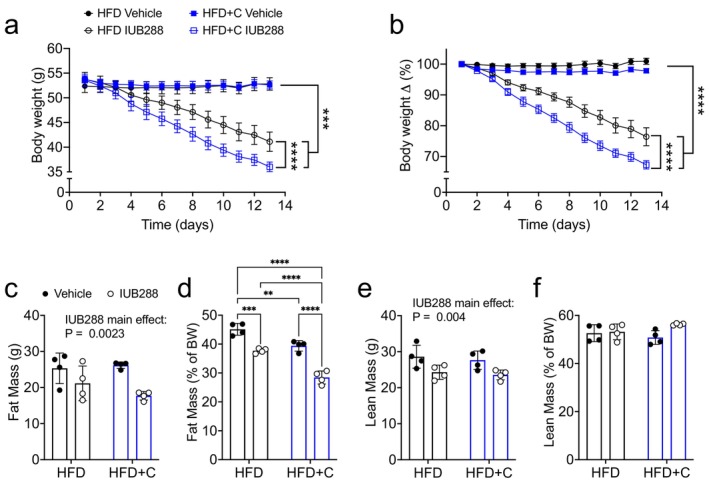 Figure 1
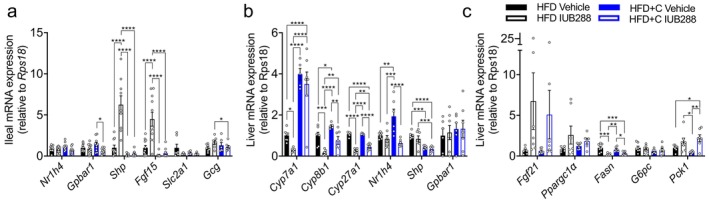 Figure 2
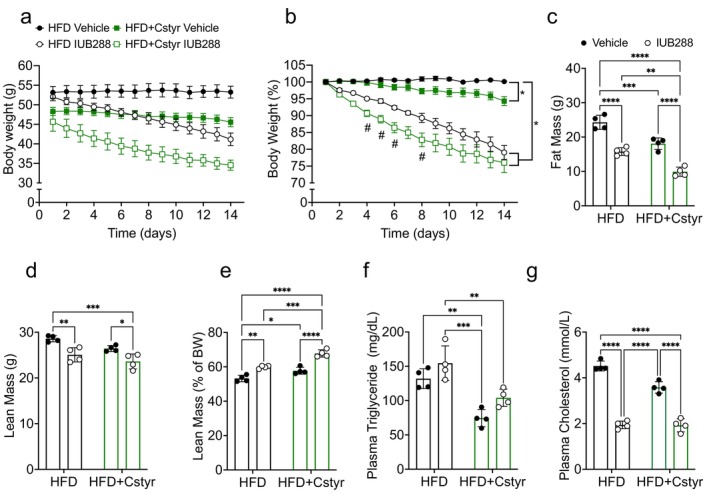 Figure 3
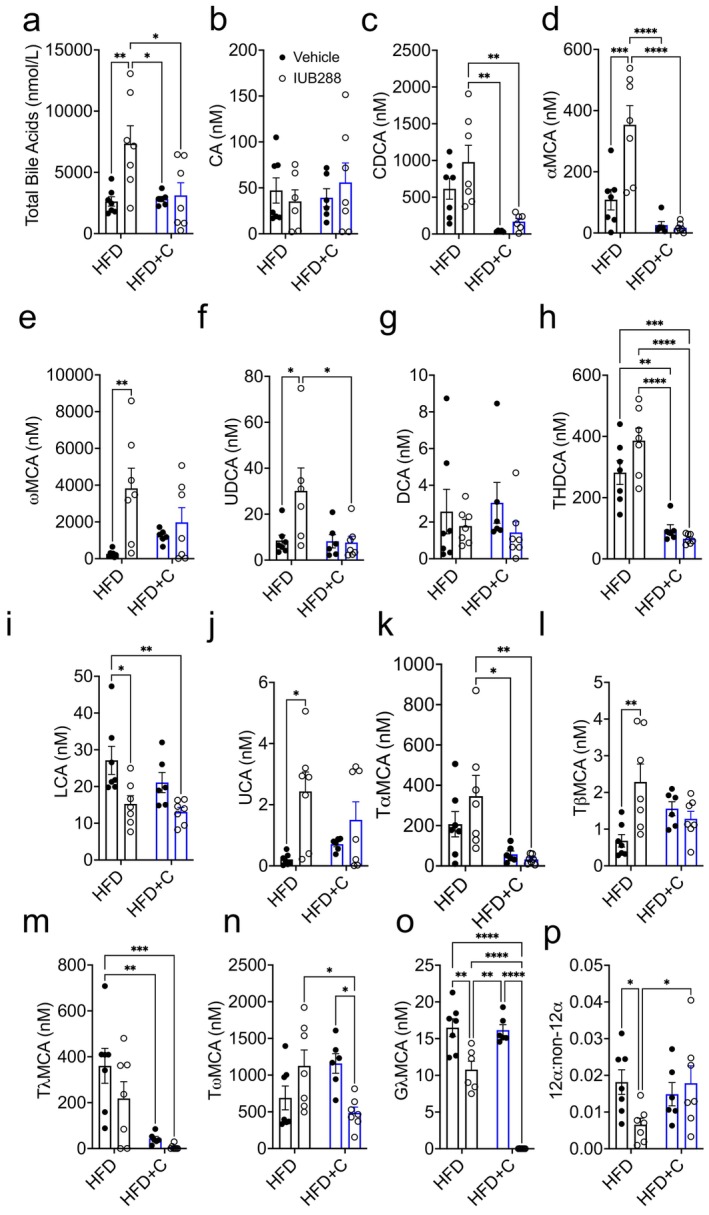 Figure 4
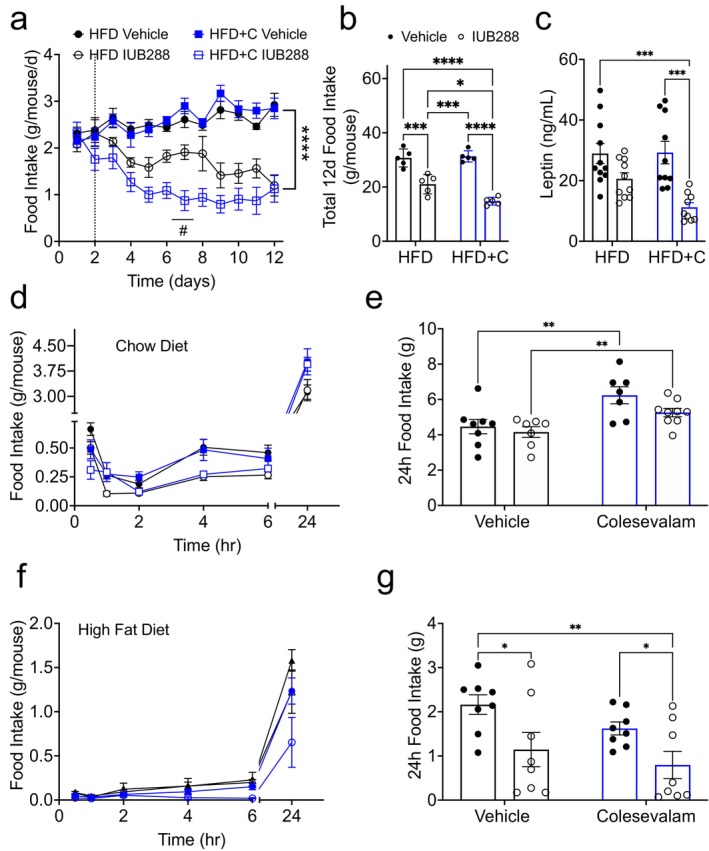 Figure 5
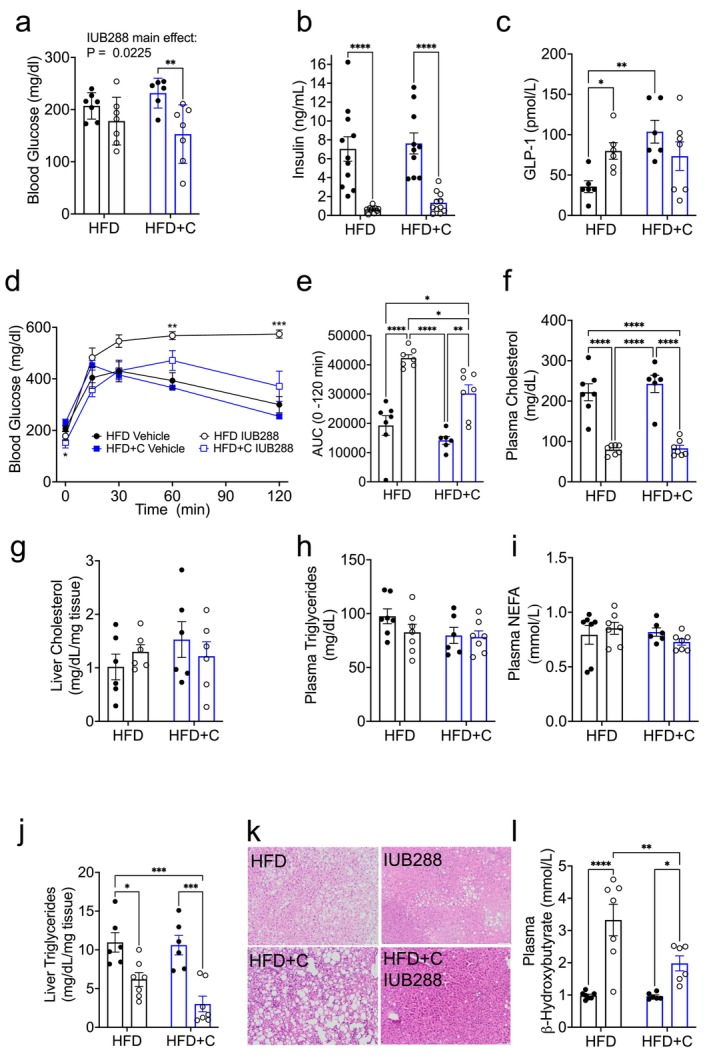 Figure 6
Peer Reviews
No public reviews on file for this paper yet. If you reviewed it on a platform where reviews are public (OpenReview, ICLR, NeurIPS, ICML), you can paste yours below so the community can read it here.
Videos
No videos yet. Explain this paper in a talk, walkthrough, or lecture? Add one.
Taxonomy
TopicsDiabetes Treatment and Management · Pancreatic function and diabetes · Drug Transport and Resistance Mechanisms