The Association of Tetrameric Acetylcholinesterase with ColQ Tail: A Block Normal Mode Analysis
Deqiang Zhang, J. Andrew McCammon

TL;DR
This study uses structural modeling and normal mode analysis to show that acetylcholinesterase tetramers are flexible, allowing all active sites to be accessible for efficient acetylcholine breakdown.
Contribution
The study introduces a new atomic model of the AChE tetramer and ColQ complex and demonstrates its flexibility through block normal mode analysis.
Findings
The AChE tetramer exhibits significant low-frequency motions, allowing conformational flexibility.
Normal mode analysis explains the transition between previously observed crystal structures of AChE tetramers.
The flexible tetramer model suggests all four active sites can be accessible, enhancing acetylcholine hydrolysis efficiency.
Abstract
Acetylcholinesterase (AChE) rapidly hydrolyzes acetylcholine in the neuromuscular junctions and other cholinergic synapses to terminate the neuronal signal. In physiological conditions, AChE exists as tetramers associated with the proline-rich attachment domain (PRAD) of either collagen-like Q subunit (ColQ) or proline-rich membrane-anchoring protein. Crystallographic studies have revealed that different tetramer forms may be present, and it is not clear whether one or both are relevant under physiological conditions. Recently, the crystal structure of the tryptophan amphiphilic tetramerization (WAT) domain of AChE associated with PRAD ([WAT]4PRAD), which mimics the interface between ColQ and AChE tetramer, became available. In this study we built a complete tetrameric mouse [AChET]4–ColQ atomic structure model, based on the crystal structure of the [WAT]4PRAD complex. The structure was…
Genes, proteins, chemicals, diseases, species, mutations and cell lines named across the full text — each resolved to its canonical identifier and authoritative record.
Click any figure to enlarge with its caption.
 Figure 1
 Figure 2
 Figure 3
 Figure 4
 Figure 5
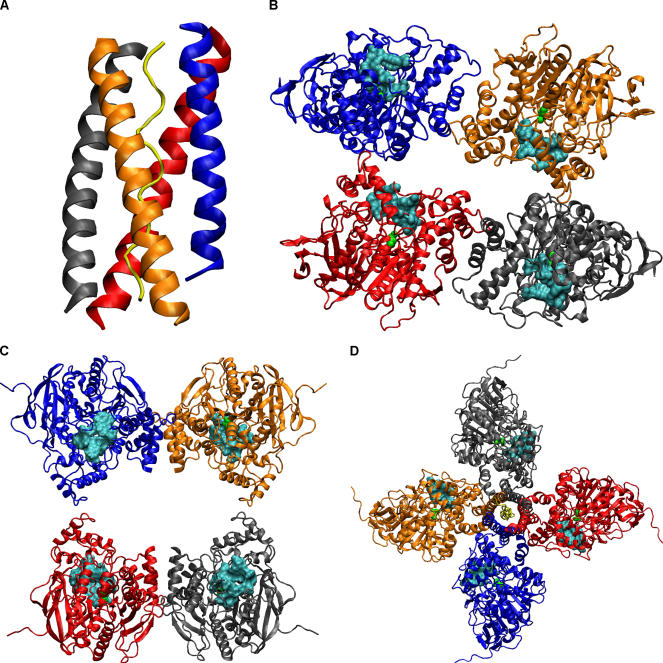 Figure 6
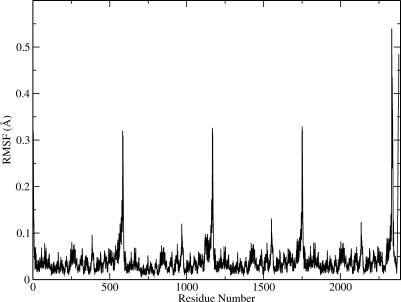 Figure 7
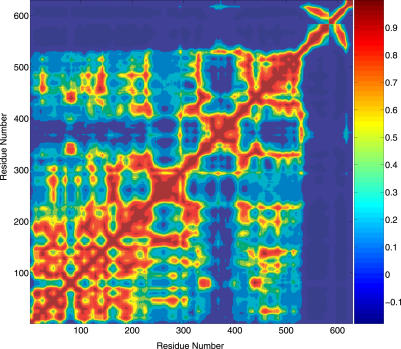 Figure 8
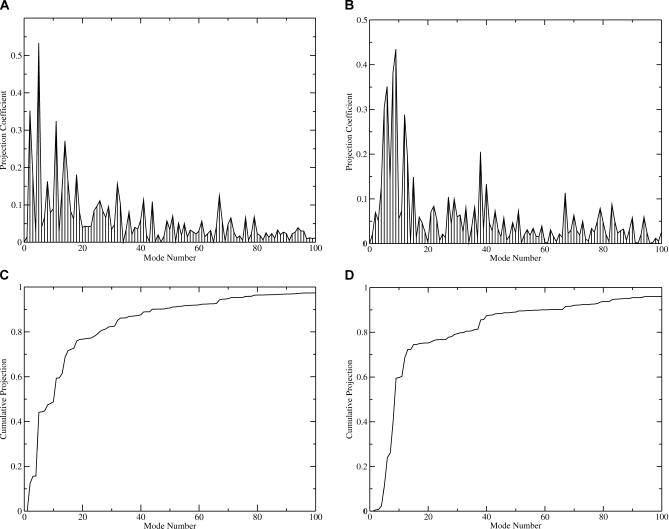 Figure 9
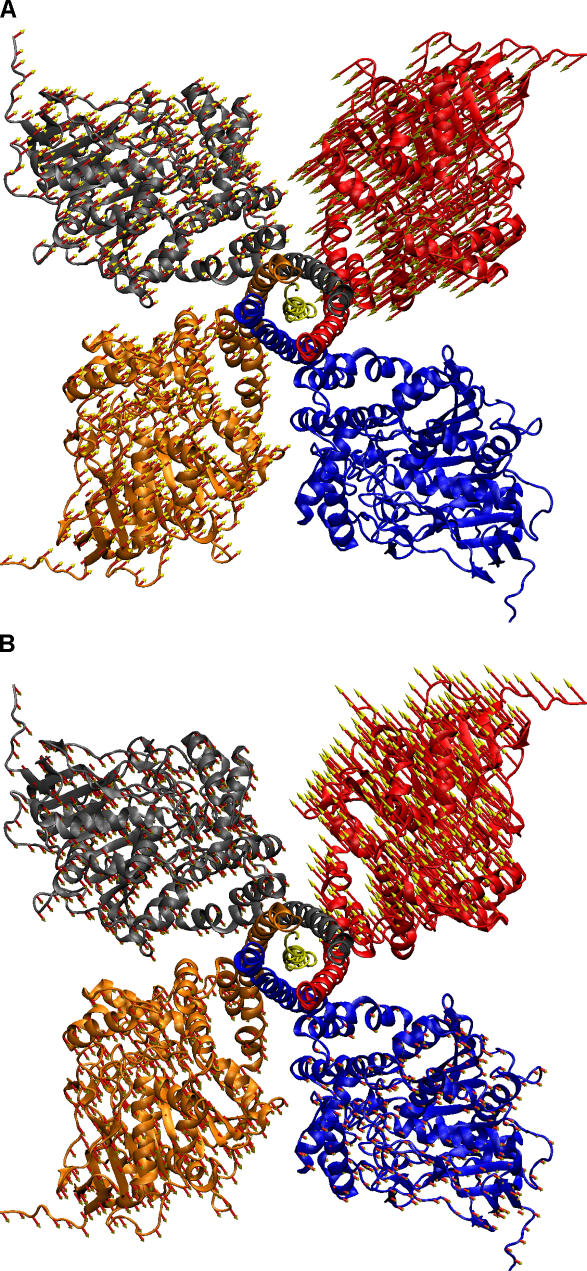 Figure 10
Peer Reviews
No public reviews on file for this paper yet. If you reviewed it on a platform where reviews are public (OpenReview, ICLR, NeurIPS, ICML), you can paste yours below so the community can read it here.
Videos
No videos yet. Explain this paper in a talk, walkthrough, or lecture? Add one.
Taxonomy
TopicsConservation, Biodiversity, and Resource Management · Forest Management and Policy