First In Vivo 23Na Human Imaging at 10.5 T Using a Combined Sodium‐Proton Transceiver Body Array
Simon Schmidt, Arcan M. Ertürk, Gregory J. Metzger

TL;DR
This study demonstrates the first in vivo human sodium MRI at 10.5 T using a new dual-tuned array and a self-gating technique to reduce motion artifacts, particularly in the kidneys.
Contribution
The first in vivo human 23Na MRI at 10.5 T using a dual-tuned transceiver array and validated self-gating for motion compensation.
Findings
The dual-tuned array showed good agreement between simulations and measurements, with low B1+ and SAR NRMSE values.
Self-gating signals accurately tracked respiratory motion in both phantom and in vivo experiments.
Motion binning improved image sharpness and anatomical detail in in vivo sodium imaging.
Abstract
To demonstrate the first in vivo human 23Na MRI at 10.5 T using a novel dual‐tuned transceiver body array and to evaluate a self‐gating approach for respiratory motion compensation, focusing on renal imaging. A custom‐built eight‐channel 23Na‐loop 1H‐dipole transceiver array was designed, constructed, and characterized. Safe operation was ensured through comparison of electromagnetic simulations against B1 + and SAR phantom measurements. A programmable motion phantom mimicked respiratory motion to assess self‐gating for both the 23Na and 1H acquisitions. Finally, in vivo human abdominal 23Na and 1H data were acquired in three healthy volunteers under free breathing, applying the self‐gating approach. The array's electromagnetic model showed good agreement with experimental data, with B1 + NRMSE values of 0.16 for 23Na, 0.32 for 1H, and SAR NRMSE values of 0.35 for 23Na and 0.22 for…
Genes, proteins, chemicals, diseases, species, mutations and cell lines named across the full text — each resolved to its canonical identifier and authoritative record.
Click any figure to enlarge with its caption.
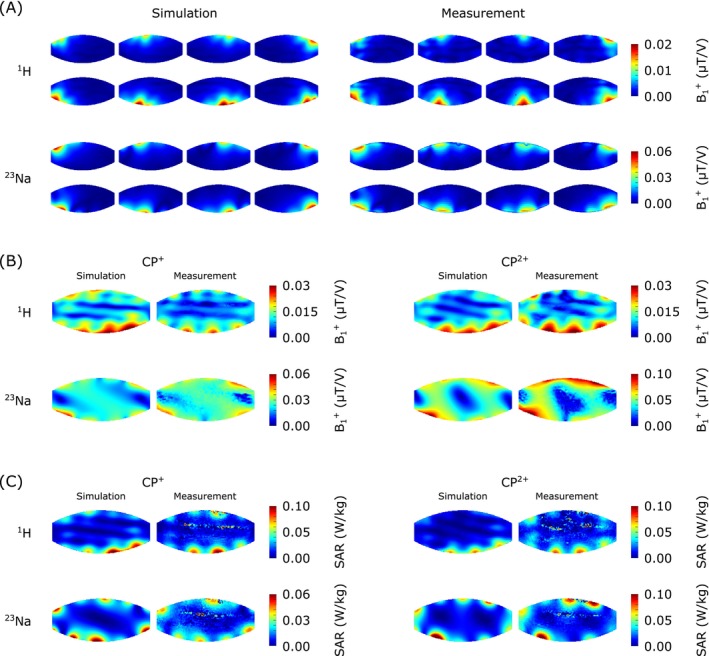 Figure 1
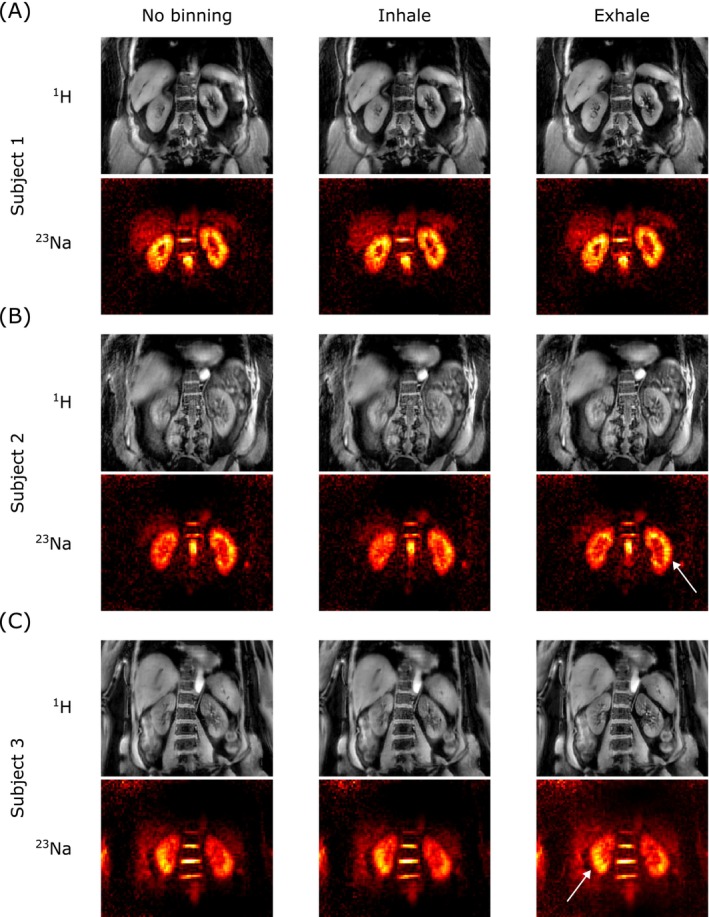 Figure 2
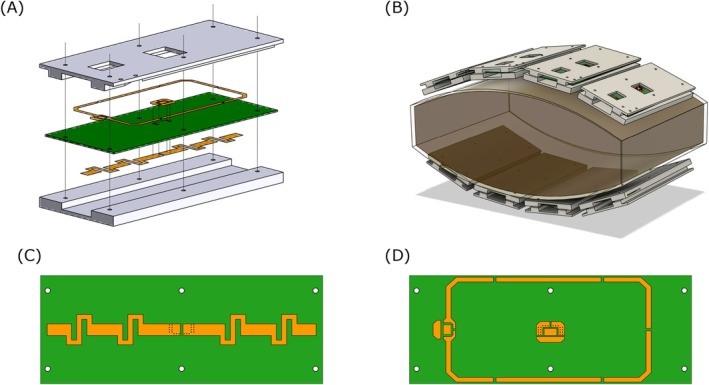 Figure 3
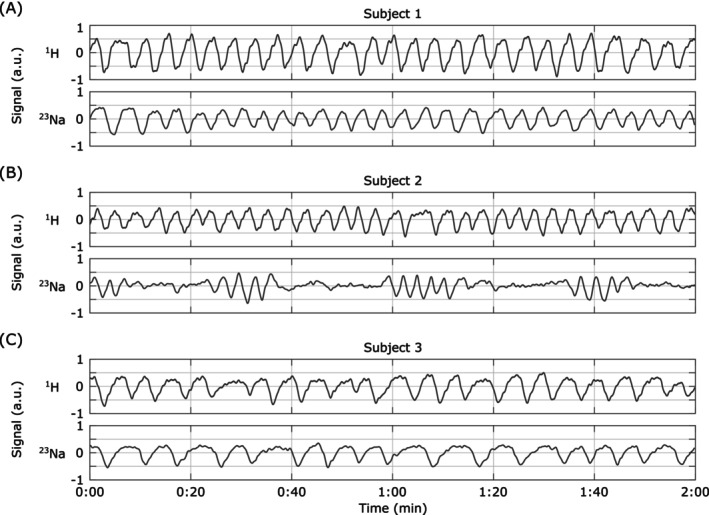 Figure 4
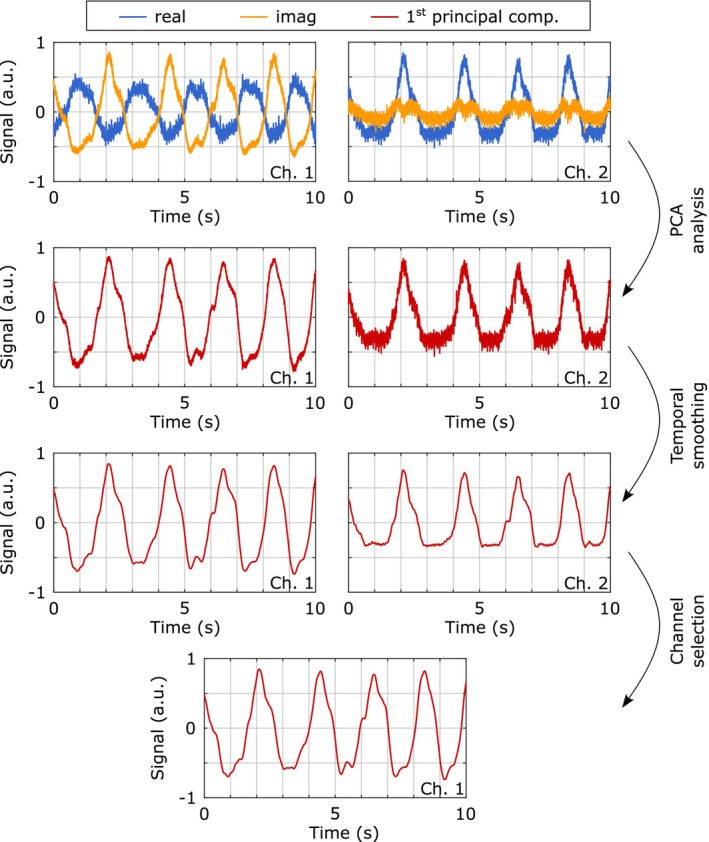 Figure 5
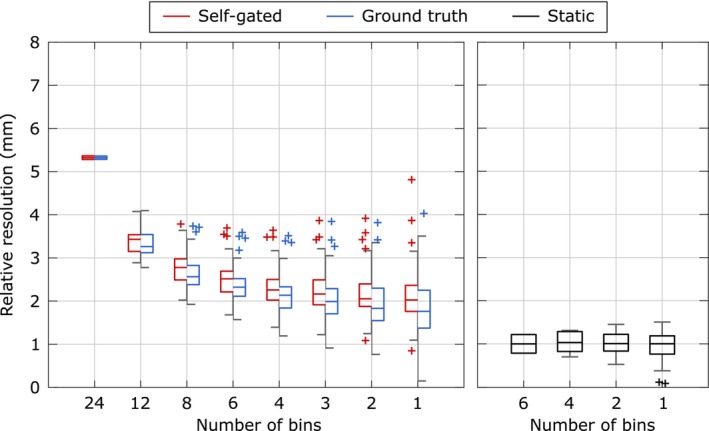 Figure 6
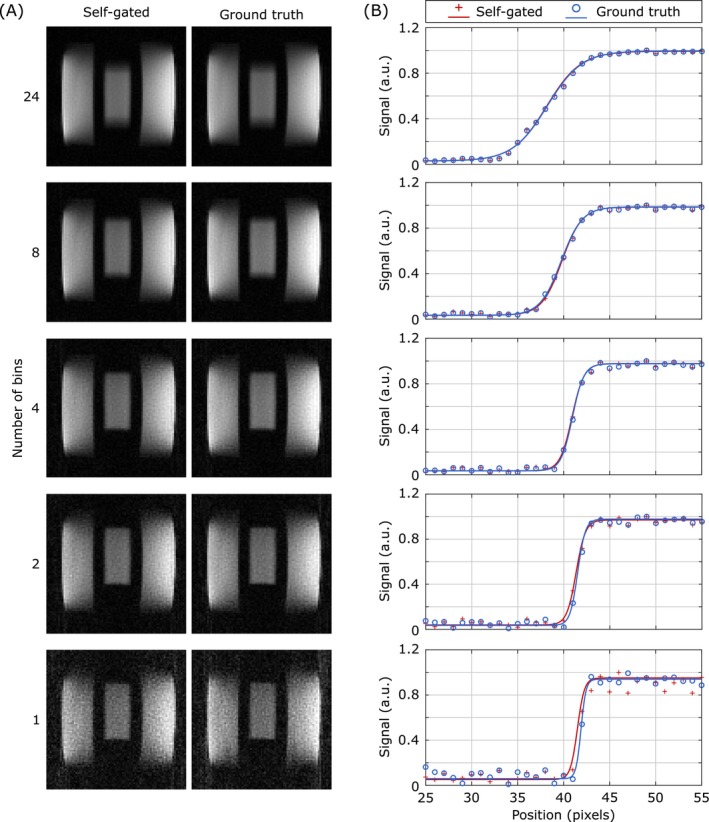 Figure 7
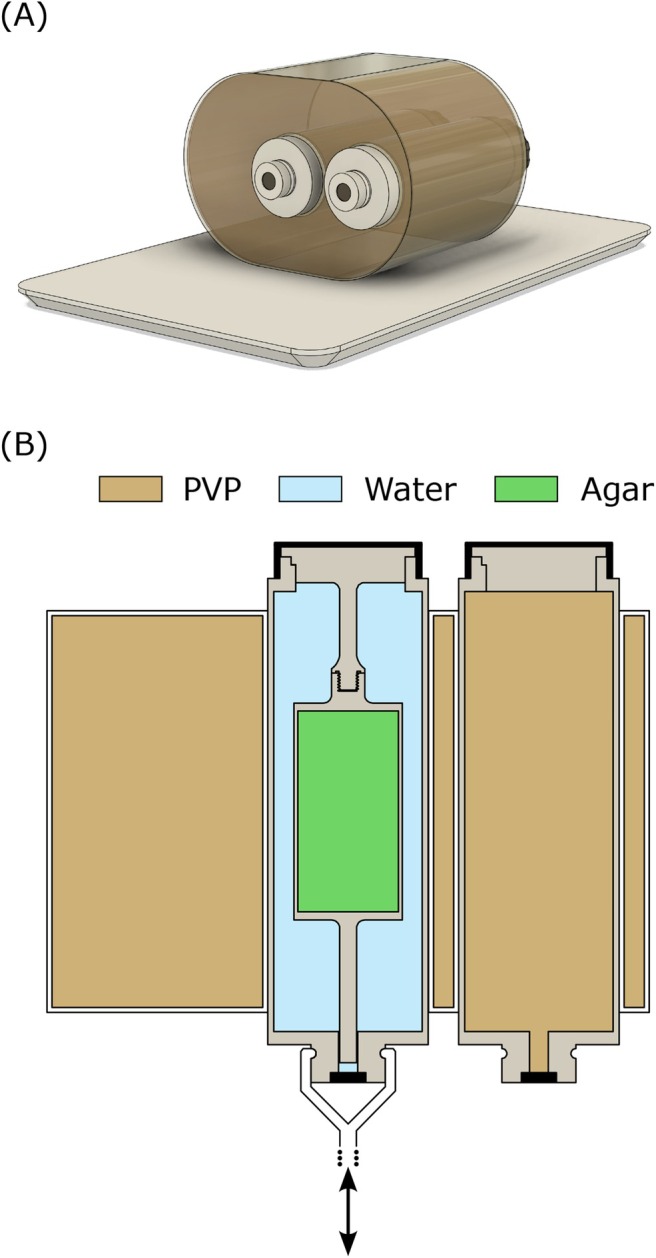 Figure 8
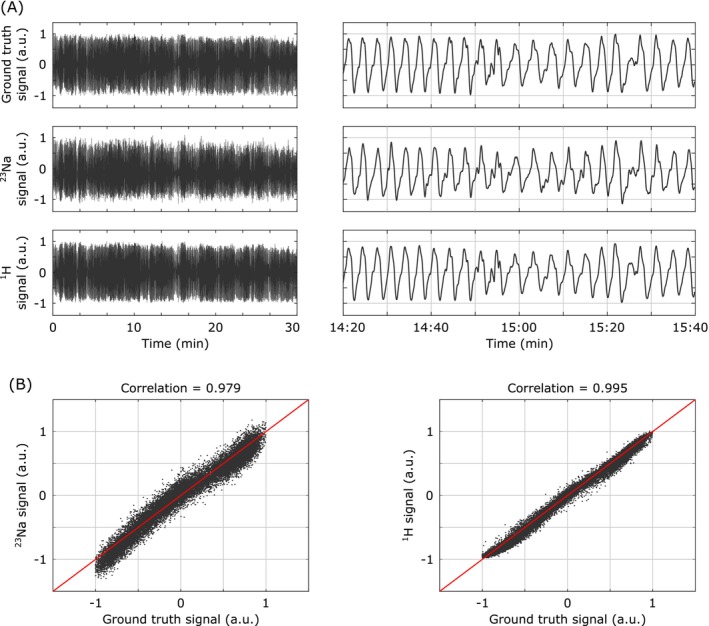 Figure 9
Peer Reviews
No public reviews on file for this paper yet. If you reviewed it on a platform where reviews are public (OpenReview, ICLR, NeurIPS, ICML), you can paste yours below so the community can read it here.
Videos
No videos yet. Explain this paper in a talk, walkthrough, or lecture? Add one.
Taxonomy
TopicsAdvanced MRI Techniques and Applications · Lanthanide and Transition Metal Complexes · Atomic and Subatomic Physics Research