IL17-deficient NOD mice are protected from autoimmune diabetes due to decreased antigen presentation and T cell activation
James A. Pearson, Yangyang Li, Juan Huang, Jian Peng, F. Susan Wong, Li Wen

TL;DR
Removing IL-17 in mice prevents diabetes by reducing immune cell activation and antigen presentation in the gut.
Contribution
Shows IL-17 deficiency protects against diabetes via altered gut microbiota and reduced T cell activation.
Findings
IL-17-deficient NOD mice are protected from autoimmune diabetes.
Intestinal epithelial cells from these mice show reduced antigen presentation to CD8+ T cells.
Changes in gut microbiota mediate the protective effect of IL-17 deficiency.
Abstract
IL-17 is a key cytokine helping preserve the intestinal barrier against infections; however, the T cells that primarily secrete IL-17 (Th17) can promote the development of autoimmunity. In Type 1 diabetes, the role of IL-17 is less well understood, with many studies evaluating the role of IL-17, without considering changes within the intestine. Furthermore, therapeutically targeting IL-12/IL-23 (upstream of IL-17) or IL-17 directly can help preserve insulin-producing beta cells in those newly diagnosed with Type 1 diabetes. Thus, there is a need to better understand how IL-17 may modulate susceptibility to Type 1 diabetes by linking intestinal changes to type 1 diabetes development. We studied IL-17-deficient NOD mice to understand the role of IL-17 in mediatingsusceptibility to Type 1 diabetes in vivo and in vitro. Our study showed that IL-17-deficient NOD mice were protected from…
Genes, proteins, chemicals, diseases, species, mutations and cell lines named across the full text — each resolved to its canonical identifier and authoritative record.
Click any figure to enlarge with its caption.
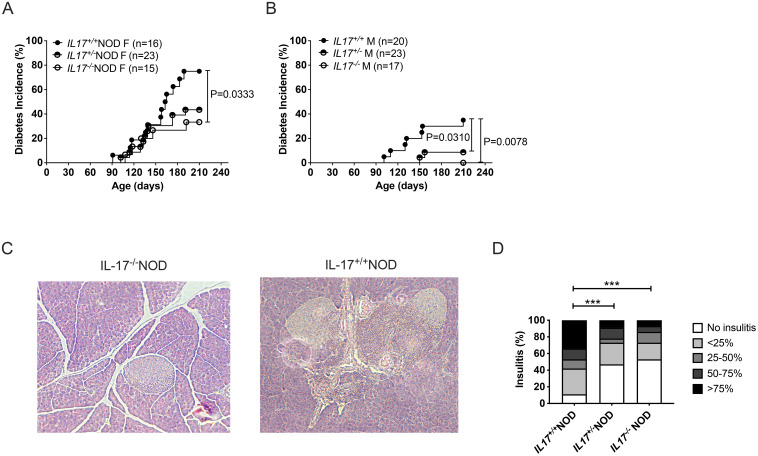 Figure 1
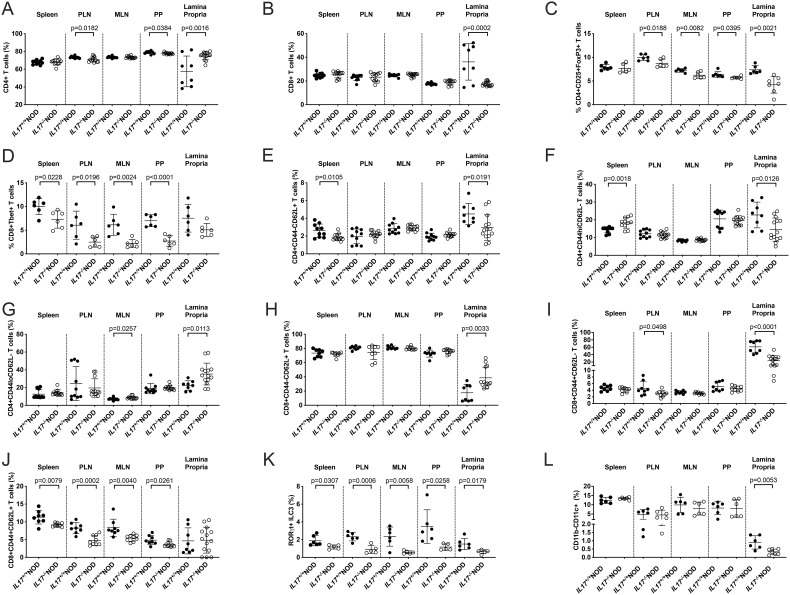 Figure 2
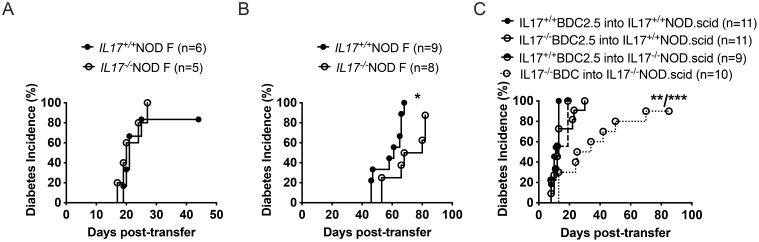 Figure 3
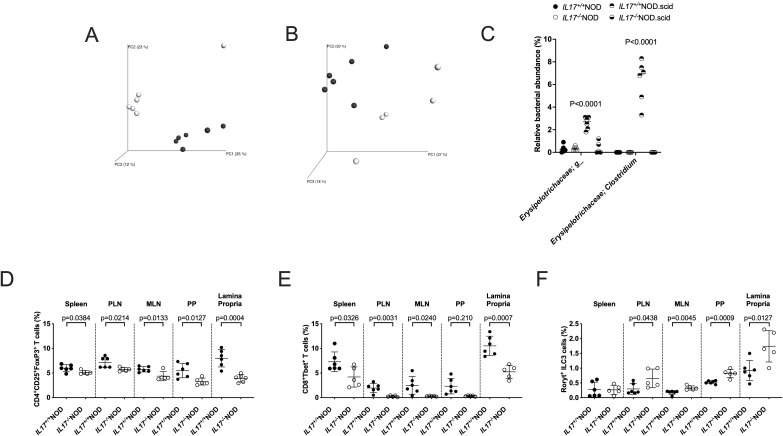 Figure 4
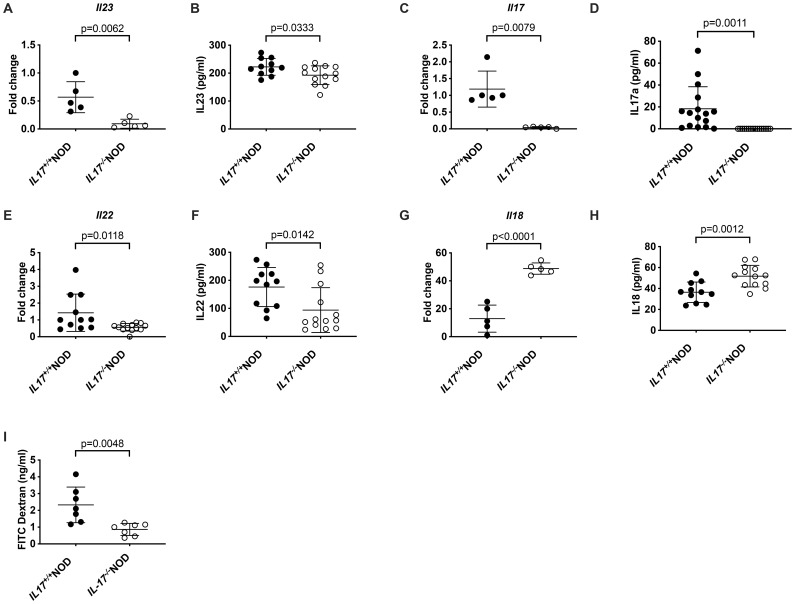 Figure 5
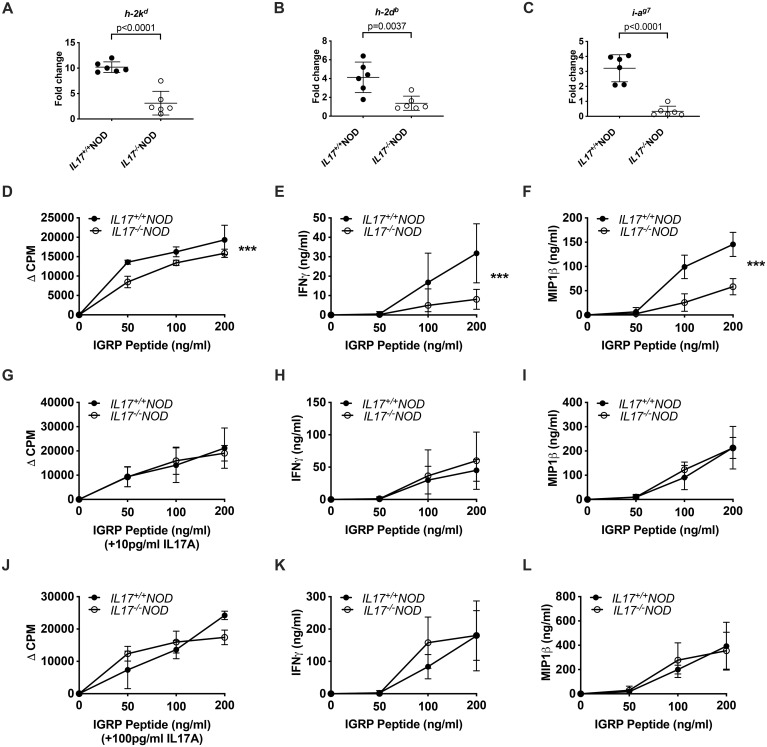 Figure 6
Peer Reviews
No public reviews on file for this paper yet. If you reviewed it on a platform where reviews are public (OpenReview, ICLR, NeurIPS, ICML), you can paste yours below so the community can read it here.
Videos
No videos yet. Explain this paper in a talk, walkthrough, or lecture? Add one.
Taxonomy
TopicsDiabetes and associated disorders · Psoriasis: Treatment and Pathogenesis · Pancreatic function and diabetes