Orexin facilitates the peripheral chemoreflex in the active phase via corticotropin-releasing hormone neurons that project to the nucleus of the solitary tract
Ruwaida Ben Musa, Fateme Khodadadi-Mericle, David D. Kline, Eileen M. Hasser, Kevin J. Cummings

TL;DR
Orexin helps control the body's response to low oxygen during active times by acting on specific brain pathways.
Contribution
The study identifies a specific orexin-CRH-nTS pathway mechanism for phase-dependent chemoreflex modulation.
Findings
Silencing CRH-nTS neurons in the active phase reduced the chemoreflex by 50%.
Ox1R blockade prevented further chemoreflex inhibition during active phase.
CRH-nTS pathway silencing reduced hypoxia-induced activation of CRH neurons.
Abstract
Projections from the paraventricular nucleus (PVN) of the hypothalamus to the nucleus of the solitary tract (nTS) facilitate the peripheral chemoreflex. A significant proportion of this projection is composed of corticotropin-releasing hormone (CRH) neurons. Orexin neurons in the perifornical hypothalamus augment the peripheral chemoreflex, project to the PVN, and facilitate the hypoxia-induced activation of nTS-projecting CRH neurons. We hypothesized that nTS-projecting CRH neurons are necessary for the full reflex, and that orexin facilitates the reflex via the CRH-nTS pathway. We chemogenetically silenced or activated nTS-projecting CRH neurons during normoxia and acute hypoxia. For each rat, reflex strength was tested in both inactive and active phases as the activity of orexin neurons is phase dependent. Testing was done following vehicle, Compound 21 (1 mg/kg) to activate Gi- or…
Genes, proteins, chemicals, diseases, species, mutations and cell lines named across the full text — each resolved to its canonical identifier and authoritative record.
Click any figure to enlarge with its caption.
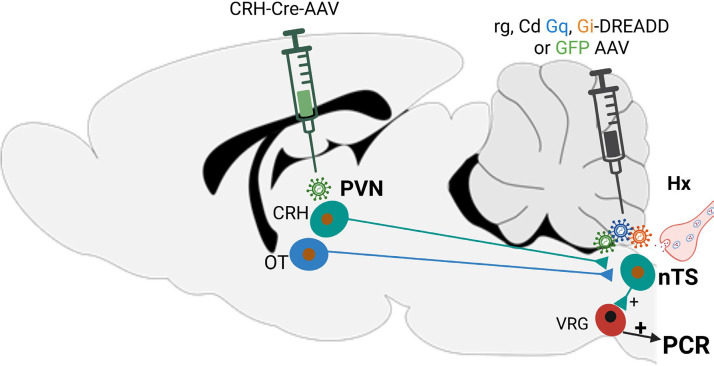 Figure 1
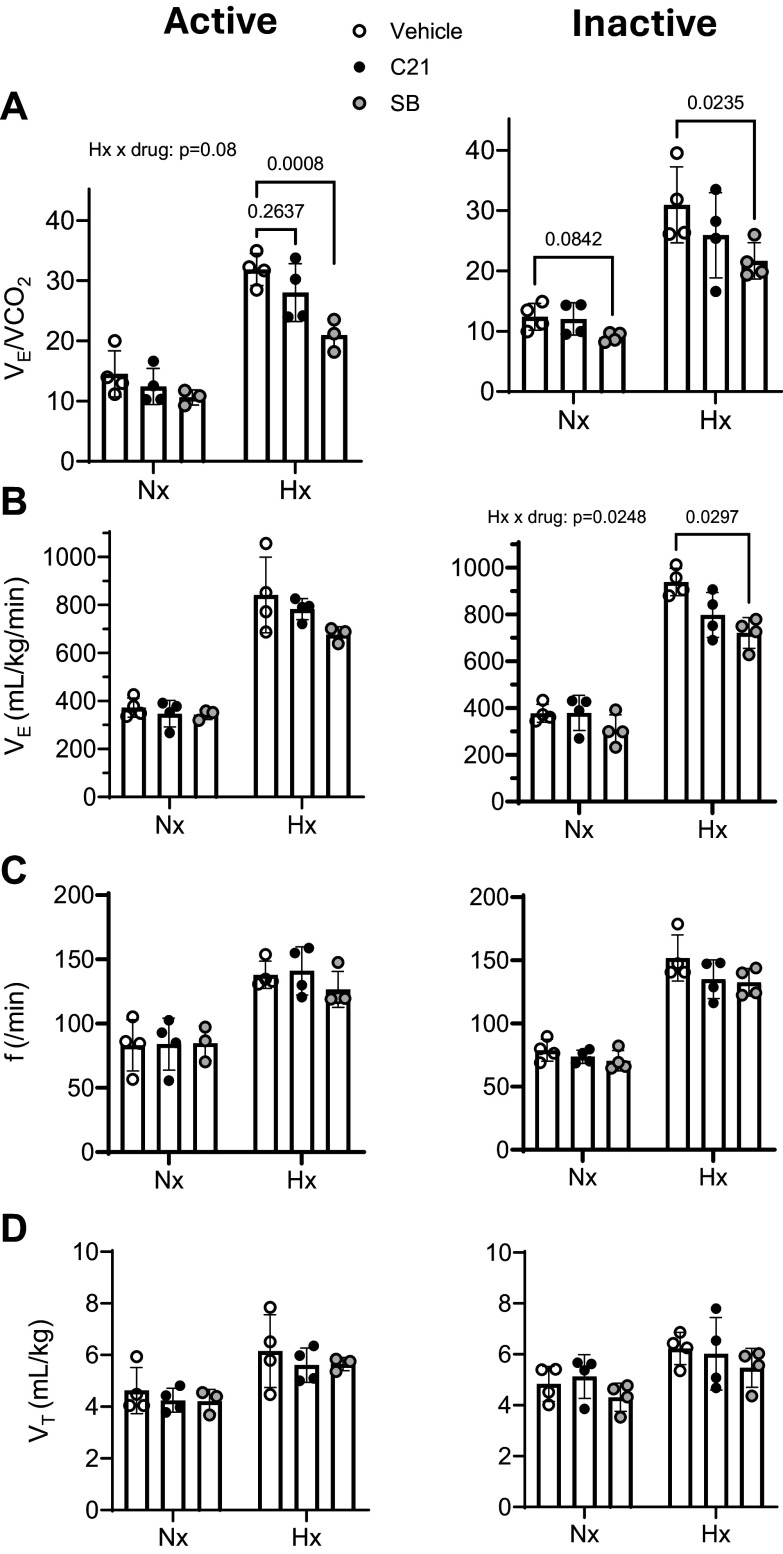 Figure 2
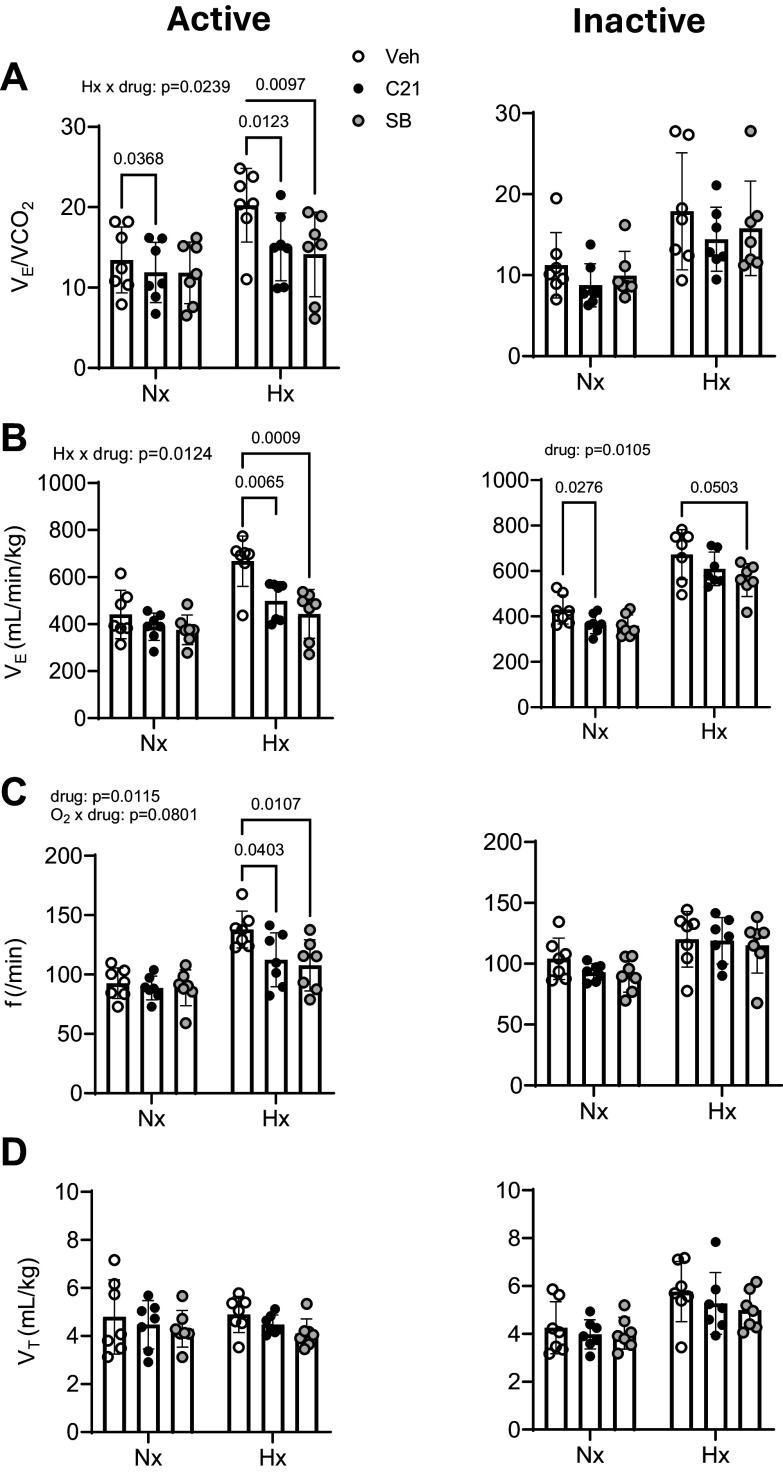 Figure 3
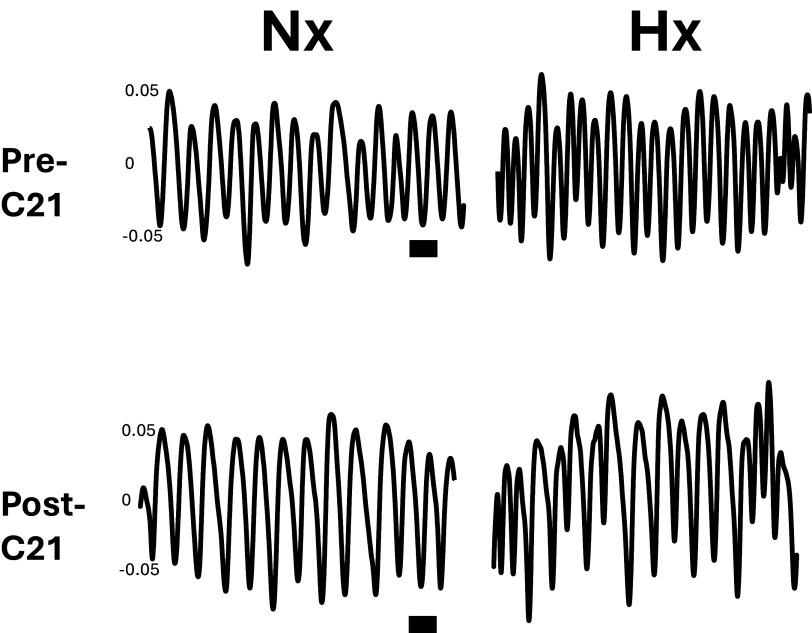 Figure 4
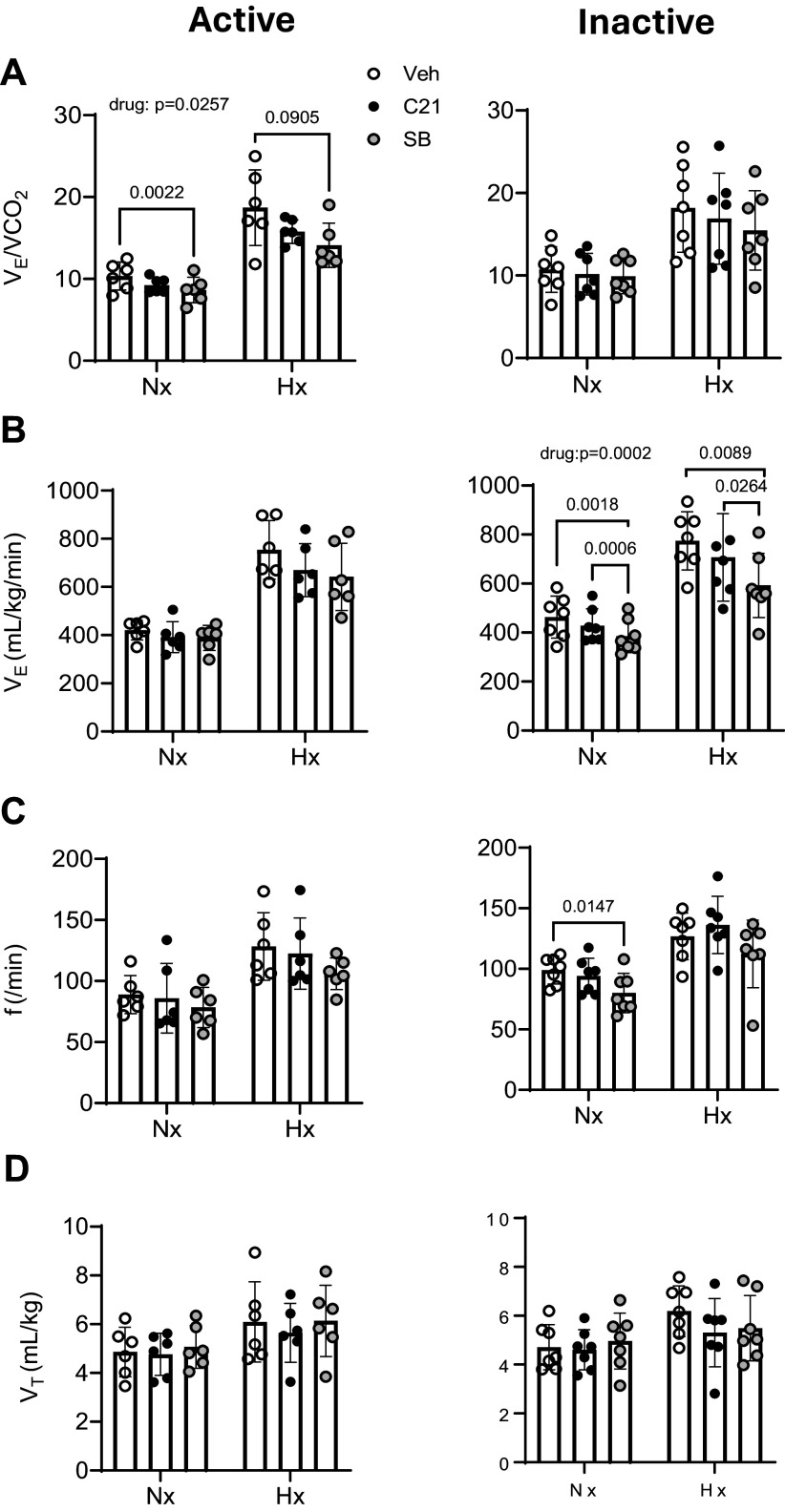 Figure 5
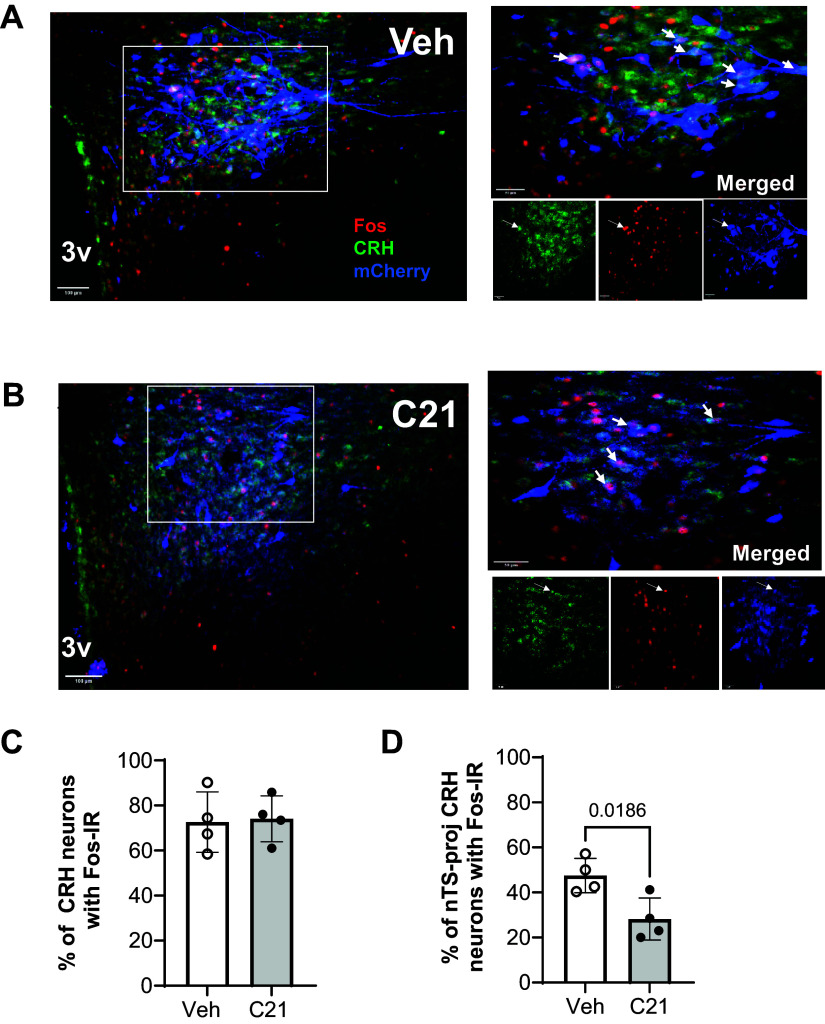 Figure 6
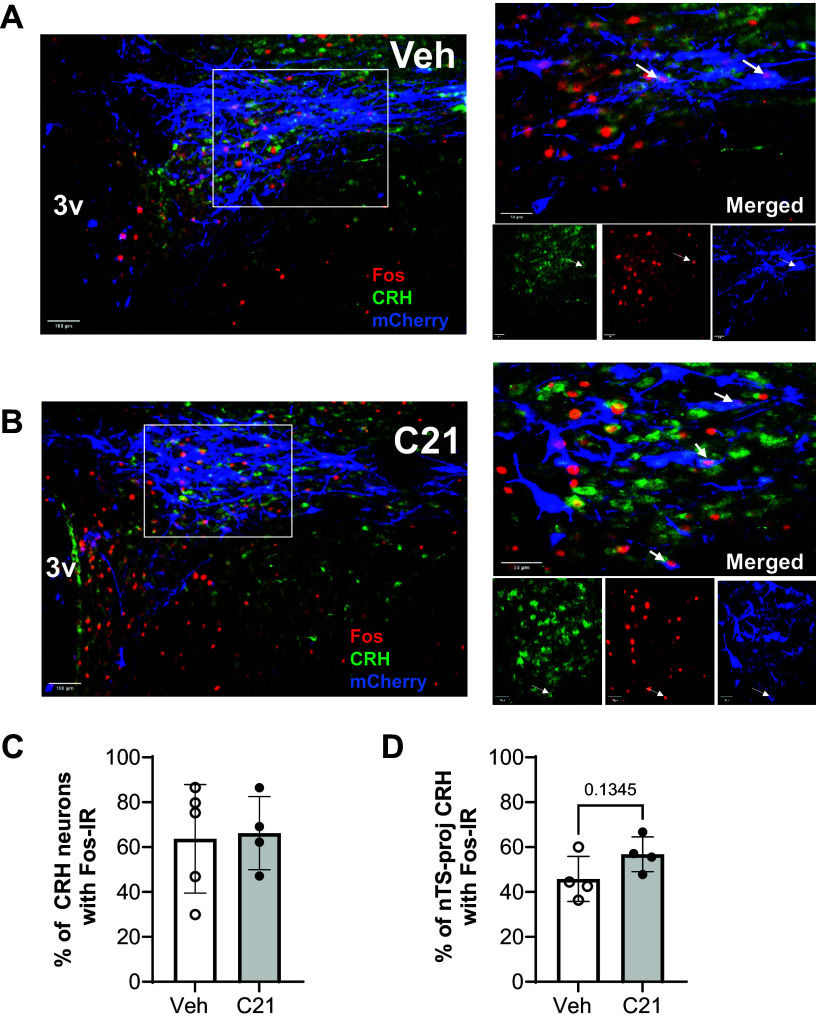 Figure 7
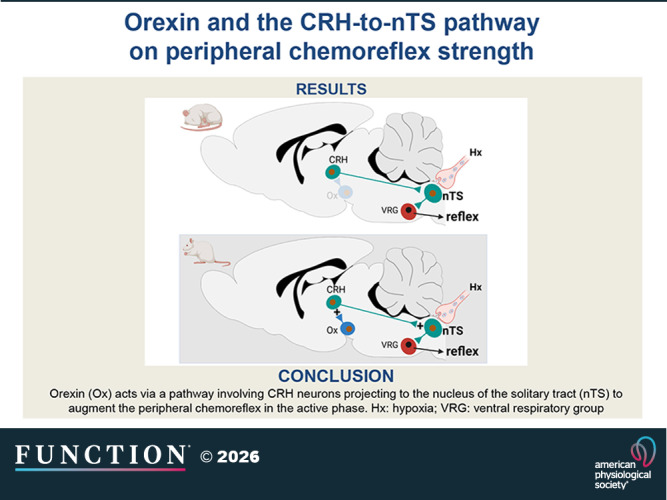 Figure 8
Peer Reviews
No public reviews on file for this paper yet. If you reviewed it on a platform where reviews are public (OpenReview, ICLR, NeurIPS, ICML), you can paste yours below so the community can read it here.
Videos
No videos yet. Explain this paper in a talk, walkthrough, or lecture? Add one.
Taxonomy
TopicsNeuroscience of respiration and sleep · Sleep and Wakefulness Research · Obstructive Sleep Apnea Research