Tumor‐Derived Interleukin 35 Promotes Fibrosis in the Tumor Microenvironment of Pancreatic Cancer by Activating Pancreatic Stellate Cells
Hui Li, Huizhi Sun, Jing Liu, Yan Wu, Lin Wei, Jianming Li, Yudong Yuan, Peng Xie, Chao Xu, Guolu Luo, Yuqi Guan, Yukuan Feng, Antao Chang, Jihui Hao, Chongbiao Huang

TL;DR
Tumor cells in pancreatic cancer produce a protein called IL-35 that activates nearby cells to create fibrosis, making the cancer harder to treat, but blocking IL-35 could improve therapy outcomes.
Contribution
This study identifies IL-35 as a novel mediator of fibrosis in pancreatic cancer by activating pancreatic stellate cells through specific signaling pathways.
Findings
IL-35 secreted by tumor cells activates pancreatic stellate cells via IGFBP2/IGF-1R/PI3K-Akt and Tsp-1/TGF-β pathways.
Blocking IL-35 reduces fibrosis and restores sensitivity to chemotherapy drugs like gemcitabine.
IL-35 inhibition synergizes with standard chemotherapy regimens to slow tumor growth.
Abstract
Severe fibrosis, predominantly driven by the activation of pancreatic stellate cells (PSCs), plays a crucial role in the poor prognosis associated with pancreatic ductal adenocarcinoma (PDAC). Understanding the intricate interplay between tumor cells and their microenvironment is essential for deciphering the regulatory mechanisms underlying PSC activation. This study sheds light on the critical role of tumor‐derived interleukin‐35 (IL‐35) in modulating PSC activation, thereby unveiling a promising therapeutic target for mitigating PDAC progression. This study demonstrates that IL‐35, secreted by PDAC cells, serves as a key mediator of bidirectional communication between PDAC cells and PSCs, exacerbating fibrosis. Specifically, IL‐35 upregulates the expression of IGFBP2 and Tsp‐1 in PDAC cells, which subsequently activates PSCs through the IGF‐1R/phosphoinositide 3‐kinase/Akt and…
Genes, proteins, chemicals, diseases, species, mutations and cell lines named across the full text — each resolved to its canonical identifier and authoritative record.
Click any figure to enlarge with its caption.
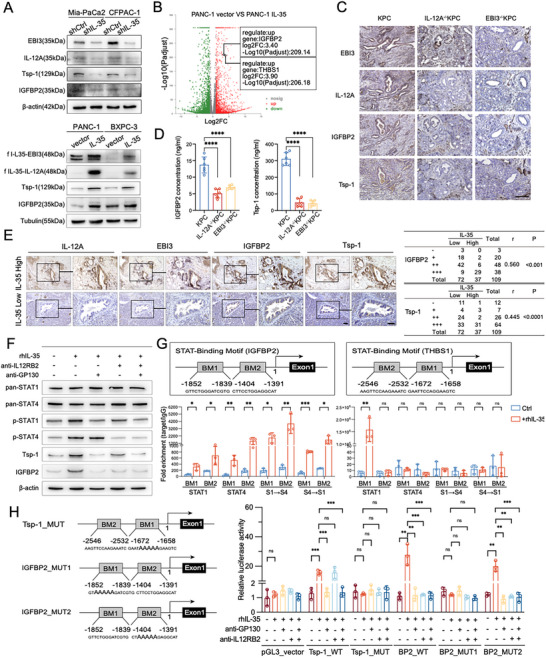 Figure 1
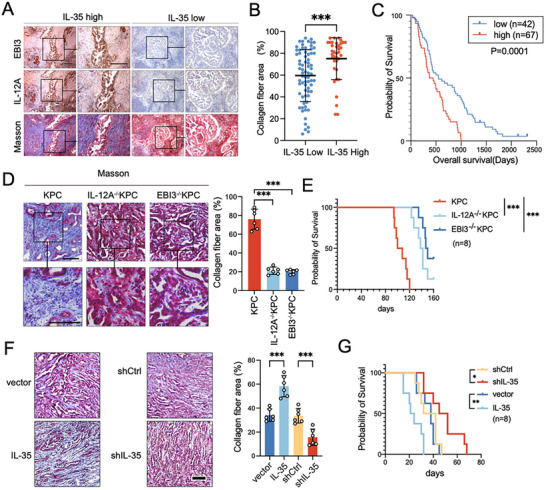 Figure 2
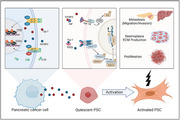 Figure 3
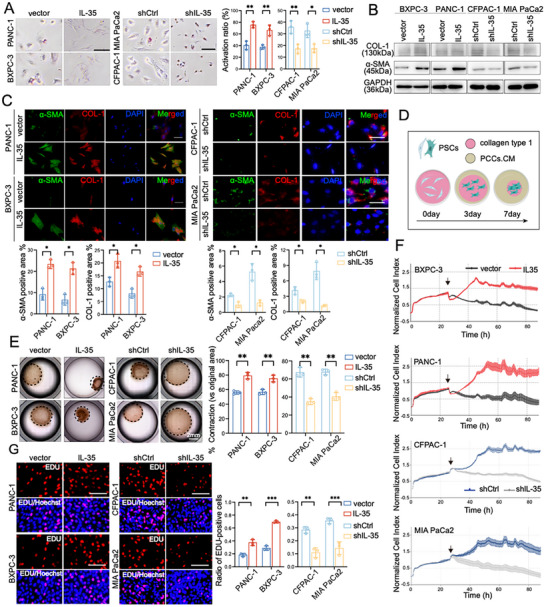 Figure 4
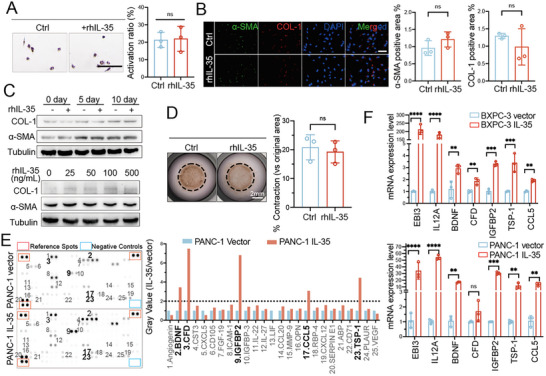 Figure 5
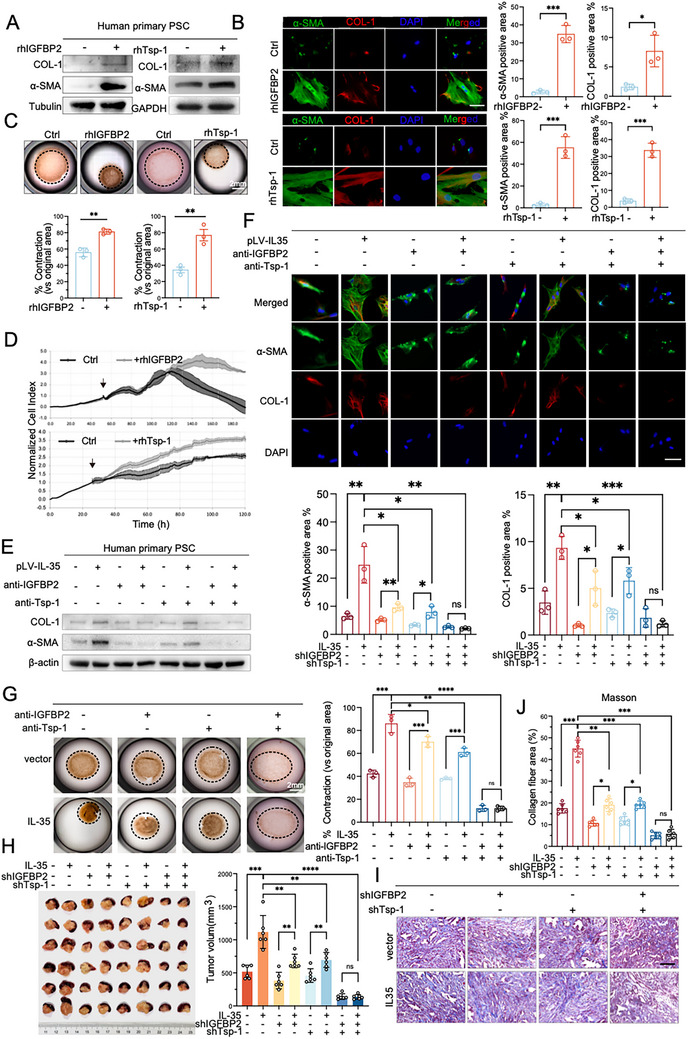 Figure 6
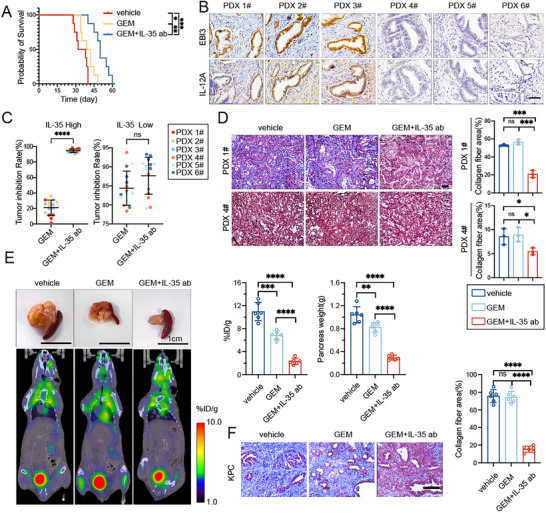 Figure 7
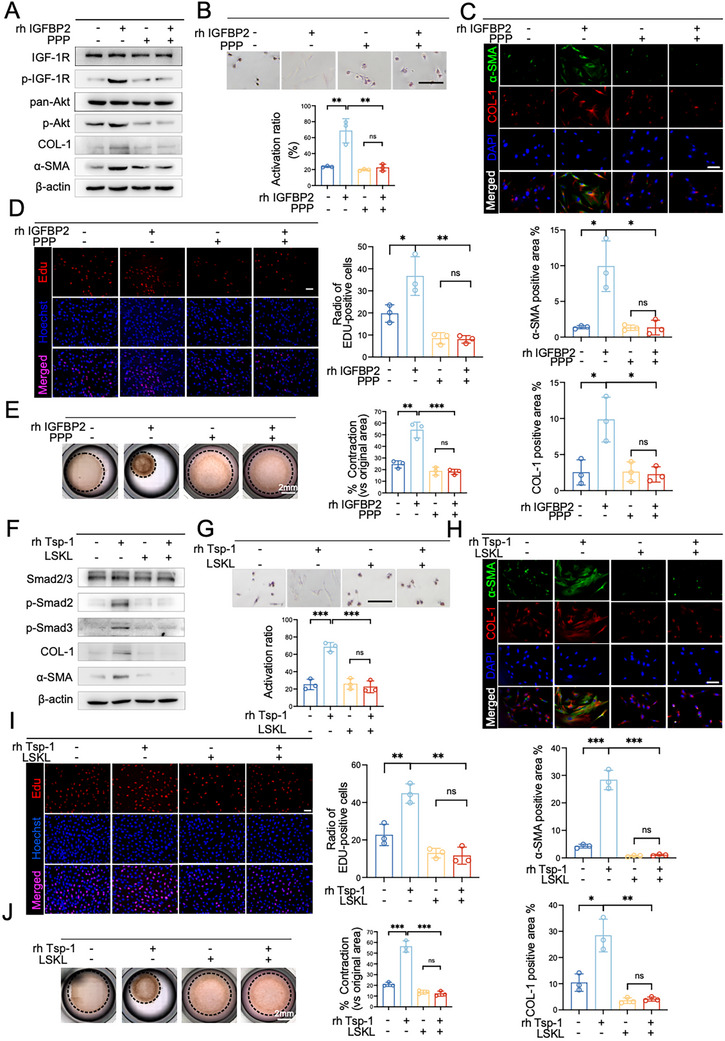 Figure 8
Peer Reviews
No public reviews on file for this paper yet. If you reviewed it on a platform where reviews are public (OpenReview, ICLR, NeurIPS, ICML), you can paste yours below so the community can read it here.
Videos
No videos yet. Explain this paper in a talk, walkthrough, or lecture? Add one.
Taxonomy
TopicsChemokine receptors and signaling · Immune cells in cancer · Pancreatic and Hepatic Oncology Research