Preliminary Study on the Development of a Transmission Model for Canine Distemper Virus in Wildlife Populations Using Heat Mapping and the Basic Reproduction Number
Bryan Andrew Lazarus, Muhammad Farris Mohd Sadali, Farina Mustaffa Kamal, Khor Kuan Hua, Ridhwan Abdul Wahab, Mohd Arifin Kaderi, Mohd Lutfi Abdullah, Tengku Rinalfi Putra Tengku Azizan, Hafandi Ahmad

TL;DR
This paper develops a model to predict Canine Distemper Virus transmission in wildlife using heat maps and R0 to identify high-risk areas for conservation efforts.
Contribution
The study introduces a novel modeling approach combining heat mapping and R0 to estimate CDV transmission in wildlife populations.
Findings
Environmental factors and animal density hotspots increase CDV transmission risk.
High-risk zones overlap with wildlife movement corridors and human interface areas.
The model supports targeted monitoring and conservation strategies for CDV outbreaks.
Abstract
Canine Distemper Virus (CDV) is a contagious disease that affects many wildlife species and threatens biodiversity. However, viral spread in wildlife, especially in tropical areas, is not well understood due to limited data and difficulties in monitoring wild animals. This study developed a model to estimate the CDV transmission using spatial heat maps and basic reproduction number (R0) in which field observations, environmental data and reported CDV cases were used to predict areas with higher transmission risk. The results showed that environmental factors, animal density and areas where wildlife and humans interact increase the risk of CDV transmission. This model is useful as a preliminary tool to identify high-risk zones and support targeted monitoring, early detection and evidence-based conservation efforts. Canine Distemper Virus (CDV) is a highly contagious disease that affects…
Genes, proteins, chemicals, diseases, species, mutations and cell lines named across the full text — each resolved to its canonical identifier and authoritative record.
Click any figure to enlarge with its caption.
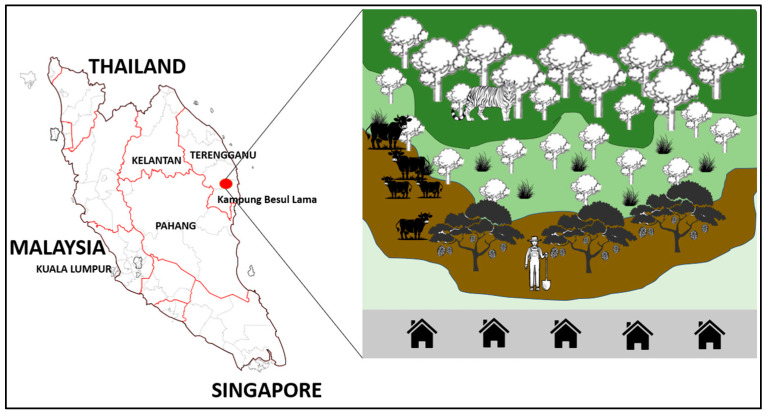 Figure 1
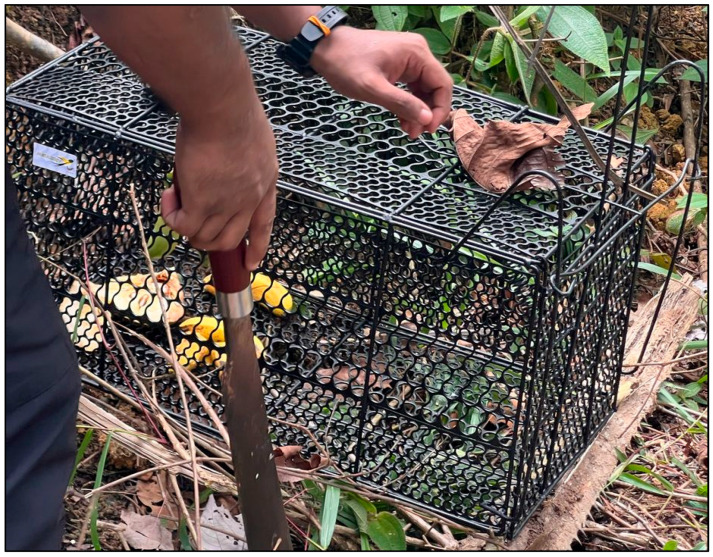 Figure 2
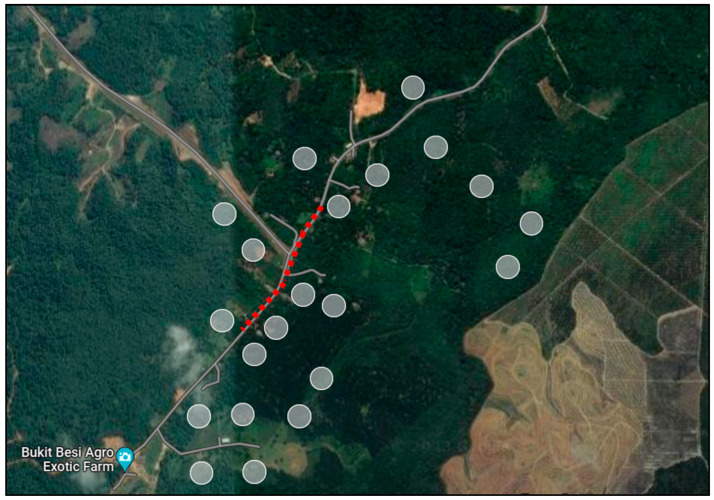 Figure 3
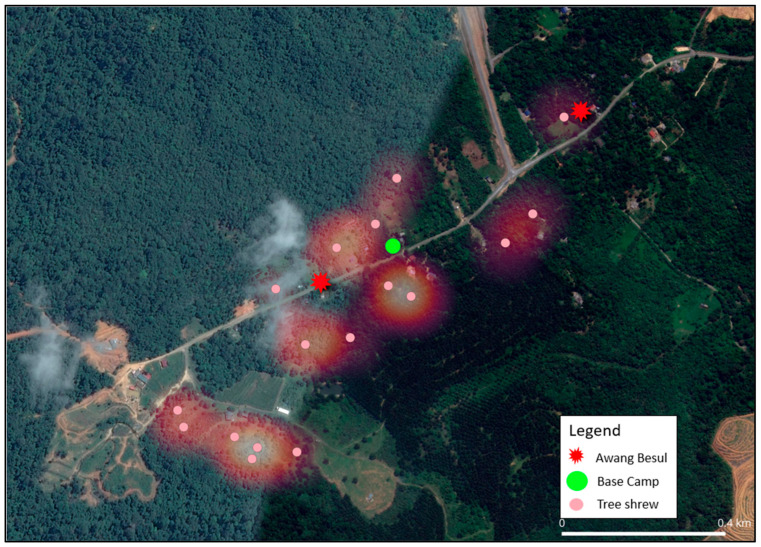 Figure 4
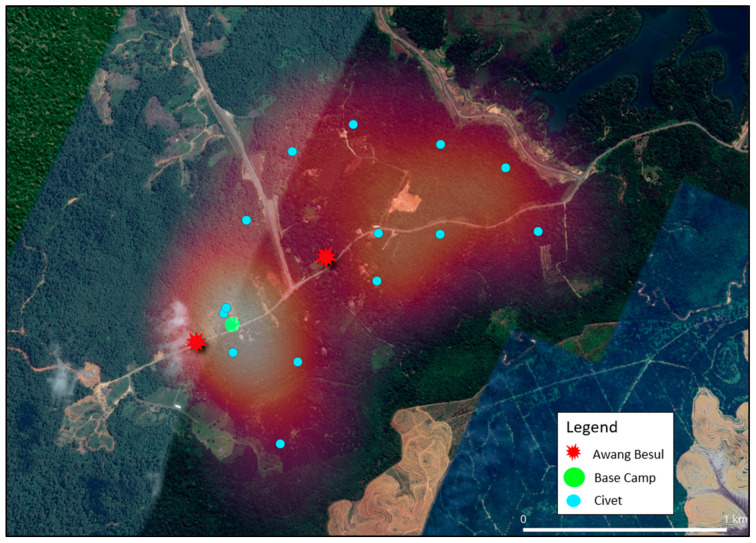 Figure 5
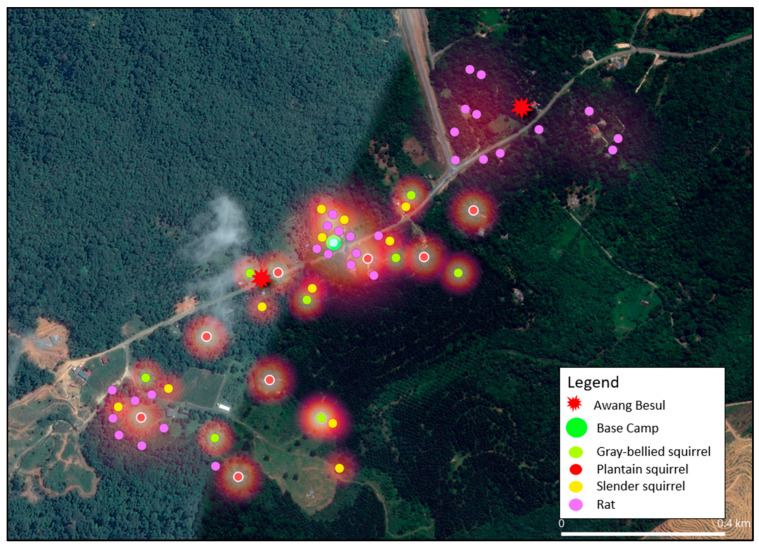 Figure 6
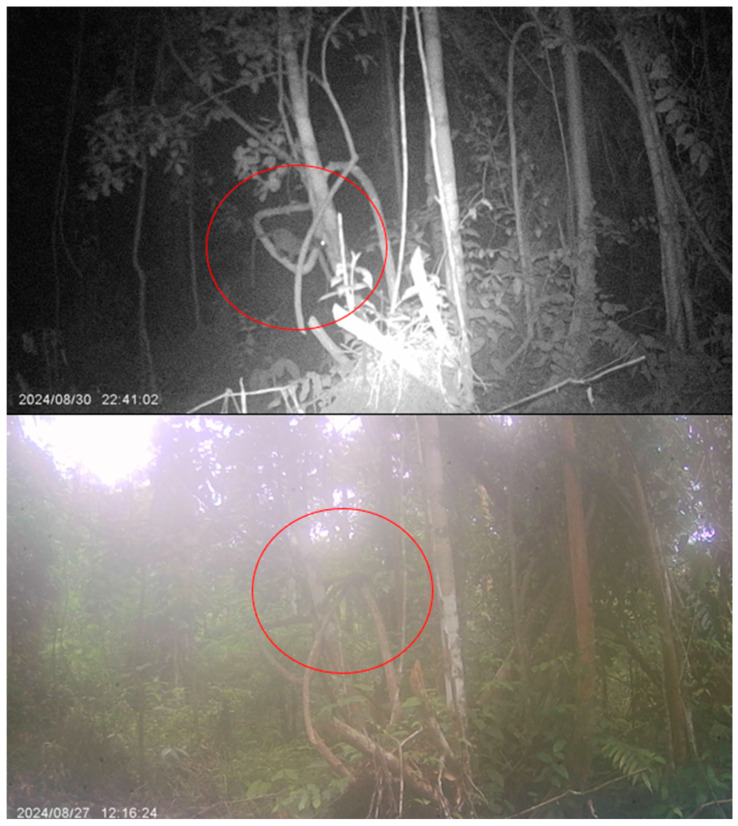 Figure 7
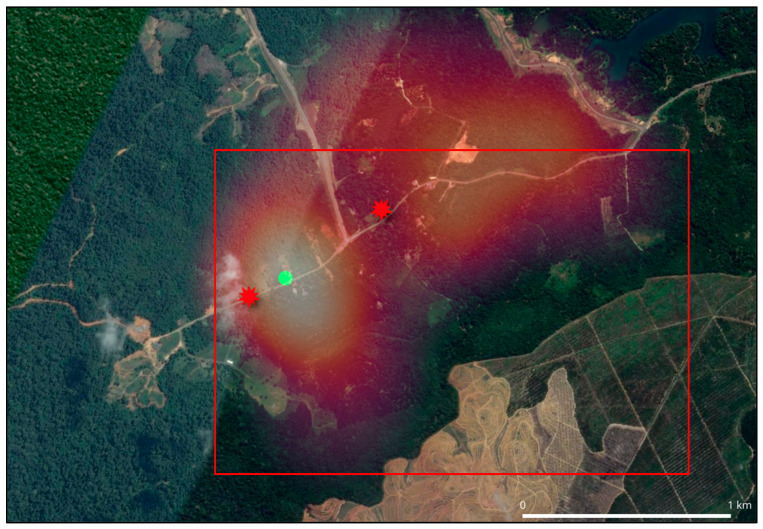 Figure 8
- —National Conservation Trust Fund (NCTF) under the Ministry of Natural Resources, Environment and Climate Change
Peer Reviews
No public reviews on file for this paper yet. If you reviewed it on a platform where reviews are public (OpenReview, ICLR, NeurIPS, ICML), you can paste yours below so the community can read it here.
Videos
No videos yet. Explain this paper in a talk, walkthrough, or lecture? Add one.
Taxonomy
TopicsVirology and Viral Diseases · Poxvirus research and outbreaks · Mosquito-borne diseases and control
1. Introduction
Canine distemper Virus (CDV) is a highly contagious viral disease that affects a wide range of carnivores. This multi-host virus has been a causative agent for the population decline of species such as African wild dogs (Lycaon pictus), Santa Catalina Island foxes (Urocyon littoralis catalinae) and black footed ferrets (Mustela nigripes) [1,2]. Transmission of CDV occurs primarily via the respiratory tract; however, the CDV is also shed in the urine and feces [3]. Whilst endangered species are vulnerable to the effects of CDV, the virus cannot persist in small populations [1]. However, the multi-host–pathogen which is CDV can remain a persistent threat in habitats where the abundance of susceptible small mammal hosts may maintain the virus in an enzootic state acting as reservoir hosts [1]. Species within the reservoir are then able to transmit the virus to endangered hosts as they exhibit normal foraging behavior [4].
As the route of transmission of CDV to wild mammals has not been fully determined, the role of the domestic dog and wild carnivores in the maintenance and transmission of the CDV remains unclear [5]. However, CDV has been shown to maintain in wildlife populations with low levels on infection, suggesting that CDV infections persist in wildlife species within complex reservoir systems [6]. For instance, in the Greater Yellowstone Ecosystem, it has been suggested that the presence of more than one competent host for CDV can greatly increase long-term virus persistence provided the spatial area is smaller [7]. In addition, an agent-based stochastic model revealed that CDV could not be independently sustained in a single population [8]. This suggests that multi-hosts are required for the maintenance of CDV in wildlife species.
It has been reported that CDV was detected in tree shrews Tupaia glis of the order Scandentia in Kampung Besul Lama, a novel detection, suggesting that small mammals may play a role as reservoir hosts, maintaining and transmitting the virus [9]. This novel discovery further solidifies the hypothesis that mammals aside from rare species may play a role in the maintenance and transmission of the CDV infection. For instance, in Kampung Besul Lama, CDV was the causative agent for the death of a wild Malayan tiger Panthera tigris jacksoni [10], confirming the transmission of CDV to rare species. There are little to no studies of CDV transmission towards wildlife in Malaysia. Thus, the current study utilizes the daily movement range of different captured species and their locations to produce a heatmap illustrating the spatial distribution of small mammal species using the QGIS 3.4.0 Bratislava software in Kampung Besul Lama. This is to visualize the movement of these small species in areas of human settlements and their potential movement and virus transmission into tiger areas. In addition, the heatmap also displays overlap of spatial distribution between taxa. Additionally, the study develops a simple model for the calculation of the basic reproductive number within Kampung Besul Lama, to serve as a preliminary baseline for the sporadic CDV events in the area.
2. Materials and Method
2.1. Ethical Approval
The permit for wildlife research at Kampung Besul Lama was approved by the Department of Wildlife National Parks (PERHILITAN), Peninsular Malaysia [Reference:100-34/1.24 Jld29(11)]. All animal handlings were conducted according to the principle of Laboratory Animal Care and Use Committee [Institutional Animal Care and Use Committee (IACUC)] approved by Universiti Putra Malaysia (UPM/IACUC/AUP-R092/2017).
2.2. Study Period and Location
This study was conducted from 19 July 2022 to 10 May 2025 in Kampung Besul Lama, Terengganu. This area was chosen as the location of study due to the first confirmed detection of CDV in a Malayan tiger [9,10]. The area of Kampung Besul Lama (Figure 1), consisting of village orchards bordering tropical rainforests, provides a unique environment where there is overlap in the domestic animal and wildlife interface. The illustration of Kampung Besul Lama uses contrasting colours to represent different land uses and ecological zones. Dark and light green areas represents forested and peri-forested habitats supporting wildlife, whereas the brown sections represent agricultural or disturbed land where human activities occur. The gray strip at the bottom indicates human settlements, highlighting the close proximity and interaction between people, domestic animals and surrounding wildlife.
2.3. Wildlife Trapping Using Baited Traps
Spring-live cage traps made of steel with locking mechanisms were used for the small mammal trapping. The spring mechanisms were baited with jackfruit, bananas and oil palm kernels (Figure 2), which shut once triggered; the lock mechanism prevented the animal from escaping. Two sets of wildlife traps were used: (n = 10; 18 cm × 29 cm × 13 cm) was aimed at smaller mammals such as squirrels and rats and (n = 10; 40 cm × 30 cm × 65 cm) was used for larger mammals such as civets, wild cats and other potential mammals. The wildlife traps were placed in peri-forested areas where Awang Besul, the first documented Malayan tiger to succumb to CDV, was suspected to have traversed, and orchards (Figure 3). Wildlife traps were also placed along bushes, wildlife paths and areas surrounding chicken coops. The wildlife traps were checked twice daily (morning and evening) and the baits were replaced if damaged or spoiled.
2.3.1. Heatmap Generation
Animal species trapped were identified according to the field guide for the mammals of Southeast Asia [11]. Every successful trapping was recorded and the capture location was georeferenced using a GPS device. Google satellite images were loaded into the software using http://www.google.cn/maps/vt?lyrs=s@189&gl=cn&x={x}&y={y}&z={z} accessed on 22 April 2025. Capture coordinates were systemically recorded according to order and compiled using Google Sheets and loaded into the QGIS 3.4.0 Bratislava software as comma separated values (.csv) files. Then, daily movement and foraging range of each species based on the literature were applied in the QGIS software to generate a heatmap for the visualization of the spatial distribution of the small mammal species. Generation of spatial distribution was performed utilizing estimated foraging range of civets, Paradoxurus hermaphroditus and Viverra tangalunga at 591.8 m [12], tree shrews Tupaia glis at 135 m [13], plantain squirrel Callosciurus notatus at 85.1 m [14], gray-bellied squirrel Callosciurus caniceps at 71.36 m [15] and rats Rattus rattus at 196.44 m [16]. The heatmap represents the estimation of species movement into forested areas based on their daily movement and capture coordinates. The heatmap of higher intensity (whiter color) depicts higher extensive activities whereas areas of lower color intensity show lower levels of species activity.
2.3.2. Basic Reproductive Number
The basic reproductive number (R_0_ has been described as utilizing the probability of infecting a susceptible individual during one contact, number of new susceptible individuals contacted and the duration of the infections period [17,18,19], and thus, as using the transmission rate (β), number of susceptible individuals (S) and infectious period (D). The infectious period is reciprocal to the recovery rate which means γ = 1/D. R_0_ is usually expressed using recovery rate (γ) because recovery rate is a rate-based measure which aligns with epidemiological models [19].
where
β = transmission rate
S = number of susceptible individuals in population at the start of the epidemic [20]
D = infectious period which will be written as recovery rate γ = 1/D
Thus,
Additionally, the basic reproductive number R_o_ is associated with population density, where greater population density may potentially facilitate higher interactions between individuals, thus sustaining continuation of disease [21]. Thus, the formula introduces the spatial factor A = area, where contact rate is assumed to depend on population density. Thus,
where
β = transmission rate
S = number of susceptible individuals in population
A = Area
γ = recovery rate
3. Results and Discussion
3.1. Species Trapped
The current study shows the species trapped were obtained and georeferenced from the sampling period of 19 July 2022 to 3 December 2025 (Table 1). Wildlife species such as civet species (Asian palm civet Paradoxurus hermaphroditus and Malayan civet Viverra tangalunga) (n = 14), tree shrews Tupaia glis (n = 20), squirrel species (plantain squirrel Callosciurus notatus, slender squirrel Sundasciurus tenuis, gray-bellied squirrel Callosciurus caniceps) (n = 48) and rats (Rattus rattus and Leopoldamys sabanus) (n = 34) were trapped in Kampung Besul Lama. A previous study reported that species of Viverrids, Rodents and Scandentia such as tree shrews, squirrels and civets are notorious species commonly found in areas of orchards [22]. It has been established that Viverrids such as civets and Rodents such as the squirrel species [23] as well as Scandentia such as tree shrews [9] are susceptible to the Canine Distemper Virus. These species were classified into their respective orders and the study conducted hotspot analysis of the spatial distribution of wildlife species in Kampung Besul Lama while integrating estimated daily movement range into the heatmap function of the QGIS software. Thus, this allowed visualization of the areas of activity and estimation of species movement into adjacent areas.
3.2. Heatmap
The current study shows that the frequency of CDV spillover to wildlife hosts and rare species has been increasing, with documentation of CDV infection in 22 families across five orders of taxa [24]. As molecular data from [9] suggests, the small mammal population in Kampung Besul Lama seeded the CDV infection to a Malayan tiger; the study uses heatmap illustration to enable visualization of the spatial distribution of different species and their activity based on live-trap capture coordinates in Kampung Besul Lama. Colored points were used to denote different species listed: Figure 4: Tree shrews (Scandentia), Figure 5: civets (Viverridae) and Figure 6: plantain squirrel Callosciurus notatus, slender squirrel Sundasciurus tenuis, gray-bellied squirrel Callosciurus caniceps and rats Rattus rattus (Rodents). Heatmap gradient denotes area of wildlife activity where colour of high intensity (whiter color) indicates higher wildlife abundance. Key features such as the base camp (green point) and confirmed sightings of the Malayan tiger Awang Besul (red starburst) are included to contextualize the spatial activity of wildlife species in relation to human activity and potential predator movement. The background satellite imagery provides landscape-scale context for habitat composition and fragmentation.
Figure 4 shows the heatmap of the areas of tree shrew Tupaia glis (Scandentia) activity around Kampung Besul Lama, particularly surrounding the forest edge and agricultural areas (orchards and oil palm plantations) providing attractive accessible food sources. Tree shrews are highly adaptable species, found in oil palm estates [25] and a diverse range of habitats and urban areas [26]. Based on the heatmap, we are able to see only minimal infiltration of the captured tree shrews’ foraging range into forests areas based on their daily movement of approximately 135 m [13]. However, the adaptability and abundance of tree shrews in diverse settings enables them to be an efficient reservoir for the CDV. Additionally, although tree shrew pairs are territorial [27], overlap in territories (male and female pair) [28] and multiple overlaps, where males’ territories overlap on multiple female territories [29], have also been reported, highlighting the potential for CDV to be maintained within this population. These factors highlight the potential role of tree shrews in sustaining CDV in an enzootic state and transmitting the virus to other susceptible species.
Figure 5 visualizes the spatial distribution and heatmap application of civets in Kampung Besul Lama. Civets have been reported to be susceptible to CDV in multiple instances in many different countries [30,31,32,33], making them an important component to consider for CDV transmission. Movement of civets between forested areas and cultivated areas in search of food [34] may contribute to a significant overlap in the domestic animal and wildlife interface. For instance, the spread of CDV to lions of the Serengeti was attributed to cross-species transmission from non-canid species, resulting in clinical disease in the lion population [24]. Civet heatmap concentration is higher around areas of human cultivation (lighter colored), increasing possibilities of CDV infection from domestic dogs. Thus, civets may be the main transmitter of CDV between domestic and wild species. Furthermore, civets have a large daily movement range and home range [35]. As seen from the heatmap, the captured civets’ projected roaming area includes almost 70% of the fragmented forest (East in Figure 5) where Awang Besul was suspected to originate. This could provide opportunity for viral transmission to rarer species only found in wild areas.
Figure 6 displays the heatmap analysis based on capture coordinates for order Rodentia sampled in this study, namely black rat Rattus rattus, plantain squirrel Callosciurus notatus, slender squirrel Sundasciurus tenuis and gray-bellied squirrel Callosciurus caniceps. Squirrels and rats occupy many habitats including urban, rural and forested areas [16,36,37]. Additionally, plantain squirrels have also been reported to be non-habitat-specific, thriving in gardens, cultivated vegetations and even towns [38]. CDV has been reported in order Rodentia [23]; thus, the versality of these species to thrive in different habitats including areas of human influence could contribute to the transmission of CDV from domestic species. In addition, squirrels normally coexist in the same ecological habitats, in which they reduce interspecies competition by occupying different vertical strata [37], contributing to interspecies CDV transmission. The proximity of the rodent heatmap to areas containing domestic animals would make the CDV infection to rodents possible. In addition, in this study, captured squirrels were overlapping in a habitat with the CDV-positive tree shrews [9], which suggests the possibility of disease transmission via fomites. Considering the factors above, efforts towards control and mitigation of CDV in small mammal populations must take into account the potentiality of CDV exposure and maintenance within the Rodentia order.
3.3. Potential Transmission Routes
Tree shrews have been discovered to be positive for the CDV within the proximity of Kampung Besul Lama [9], highlighting the role small mammals can play in the maintenance and transmission of wildlife disease. Additionally, hotspot areas of tree shrew activity around human settlements (Figure 4) may contribute to CDV spillover from domestic dogs to this species. However, tree shrews may not be the main transmitter of CDV towards Awang Besul. This is because of the small daily foraging range of tree shrews focused around areas of human settlements for food, with minimal infiltration into the surrounding forests. Although tree shrews were detected to be positive in Kampung Besul Lama, they may not be directly responsible for the disease transmission to Awang Besul, potentially transmitting the CDV to other small mammals in the vicinity such as civets. This is seen in Figure 7, where a tree shrew and a civet were documented in the same location (red circle), although two days apart, highlighting the potential for interspecies transmission between wildlife that share the same habitat.
Civets could be the main transmission route of CDV to Awang Besul. This is due to the movement of civets from forested areas towards areas of human cultivation in search of food, such as free-ranging chickens and fruits. Once infected, civet movement into forested areas could transmit the CDV to rare species such as the Malayan tiger either via predation or fomites. Furthermore, civets have the largest home range or daily movement range among all the sample species, highlighting their importance as potential disease spreaders and contributors of interspecies disease transmission. As seen in Figure 8, the civet heatmap shows civet movement into almost 80% of the forested area where Awang Besul initially resided (red square). Figure 8 also depicts the effects of indiscriminate logging and environmental degradation of prior tiger habitat, contributing to the movement of Awang Besul closer to areas of human settlement. Studies have suggested that modified habitats with reduced biodiversity, altered climates and fragmented forests may contribute to pathogen emergence in wildlife species [39]. Additionally, movement of Awang Besul could also have been influenced by the concurrent African swine fever outbreak in Malaysia, which severely impacted wild boar populations. Throughout the study, no wild boars were detected by the team and the villagers also reported a sudden lack of wild boars in the area. The reduction in a major food source for tigers could have led to the movement of Awang Besul closer to areas of anthropogenic influence in search of food, increasing exposure to canine distemper via the predation of free-roaming dogs or civets. This is supported by [40], who reported that the African swine fever outbreak in Malaysia has led to predator movements to areas of human settlements in search of food due to diminished prey availability.
3.4. Basic Reproduction Number
This study calculated the basic reproduction number (R_0_), which is defined as the average subsequent infections produced by an infected individual [18] for wildlife captured in Kampung Besul Lama. The population in Kampung Besul Lama was assumed to be equally susceptible to CDV, with a finite wildlife population of no deaths, births and migration. The estimated number of susceptible animals (n = 96) and area of Kampung Besul Lama (6.309 km^2^) were based on the number of species captured and the spatial distribution of all species using ellipsoidal calculations of the QGIS software. The transmission rate 0.1 [41] and recovery rate 0.1 [42] were utilized from the literature as it is extremely difficult to determine their precise values in wildlife which are scarce and open to bias [43]. Additionally, this is the first study attempting to research CDV in wildlife in Malaysia; thus, resources and data are scarce and subject to interpretation. The (R_0_) was calculated to be 15.21 in Kampung Besul Lama, which suggests an extremely high morbidity. Previous studies report that Morbilliviruses tend to have a higher (R_0_) of 12–18 [44], which supports the estimates. However, a high (R_0_) does not equate to high fatality, as it only describes potential transmission. The small mammal population may therefore act as competent reservoirs that amplify viral spread, even if clinical outcomes vary among species. Their close proximity to agricultural and forest edges further increases the likelihood of spillover events, sustaining transmission cycles within the ecosystem.
Additionally other factors could affect small mammal survivability, such as that CDV was already endemic within the local wildlife community. Thus, the outbreak that killed Awang Besul was a sporadic event that was not clinically significant to small mammal populations. Similar patterns were documented in the United States of America, where racoons were a reservoir for CDV and source of infections to zoo animals; however, the racoons displayed no clinical symptoms except for the occasional sporadic event [45]. If CDV had been endemic to Kampung Besul Lama or had circulated previously, the small mammal populations may have developed partial or population-level immunity, resulting in predominantly subclinical infections with minimal observable morbidity. This is further supported by observations in Kampung Besul Lama, where CDV-positive tree shrews exhibited no clinical symptoms [9], indicating the presence of subclinical disease within the community. Comparable events have also been documented in southern Africa where, despite high levels of CDV exposure, the wild dogs and lion populations were clinically unaffected [46], suggesting immunity or tolerance to the infection. Such patterns of subclinical disease are characteristic of wildlife hosts that have co-evolved with endemic pathogens, allowing them to sustain transmission without significant population-level mortality.
In addition, ref. [45] suggested that highly virulent strains of CDV would become extinct due to host mortality; hence, epizootics of less virulent strains with high morbidity and low mortality would occur. Kampung Besul Lama could have been subject to that event, leading to low mortality yet a high number of infections as supported by the (R_0_) estimates. The death of Awang Besul could be due to other physiological factors such as co-infection [47] or the variation in felid susceptibility to the CDV [3].
Additionally, ref. [9] only detected two positive samples of CDV in wildlife populations in Kampung Besul Lama, which may reflect a viral bottleneck. During CDV transmission, population bottlenecks can reduce viral genetic diversity, which is influenced by host immune pressures, restricted host availability or stochastic transmission events [48]. This causes the persistence and circulation of only a small number of viral lineages despite initial widespread transmission. This mechanism aligns with the high R_0_ (15.21) calculated in the area, suggesting an extensive earlier transmission with only a few surviving viral variants detected once the outbreak waned.
Furthermore, the low number of positive samples can be attributed to the typical bust and boom cycle of CDV infections [23]. The phase of high morbidity already occurred and concluded with the death of Awang Besul, in which the populations of small mammals were already recovering by the time the first CDV project in Malaysia was funded, which is typical of a sporadic event disease such as CDV. Additionally, the abundance of resource availability post-CDV event would have led to enhanced reproductive output among small mammals, positively affecting population recovery. A similar pattern of positive reproductive performance following a CDV event was documented in Danish foxes after a devastating CDV outbreak [49].
In conclusion, this study highlighted the role small mammals play in interspecies disease transmission. The heatmap for civets shows high infiltration into forested areas, making them a priority species to research for disease transmission. Additionally, the heatmap highlights the usage of edge habitats by multiple species and depicts overlap between small mammals and large predators within a human-modified landscape, contextualizing spatial associations across taxa. In addition, the study estimated the (R_0_) of Kampung Besul Lama, as well as put forth theories on the survivability of small mammal populations in the area. The spatial distribution range of small mammal species, especially civets in combination with the high (R_0_) of CDV estimated in Kampung Besul Lama, would shine light towards the infection and death of Awang Besul. However, further studies would need to be conducted utilizing GPS collaring across broader habitats to further understand the movement of civets to and from forested areas. Additionally, extensive laboratory experiments would need to be conducted to understand the physiology of unique small mammals in relation to CDV. Although ongoing theoretical research on R_0_ has extended to a range of complex modeling, including stochastic and finite systems, models with spatial structure or age structure and microparasite models [50], we note that the formula stated above is restricted to a very simple deterministic system for practical use in areas where thorough research has not been conducted. As CDV investigation in Malaysia is in its infancy, pioneer studies such as this will provide a useful baseline for future research and conservation strategies. Additionally, the results of this study can provide unique insight on the role of small mammals towards disease transmission, which can be critical for the control and mitigation of wildlife diseases. As small mammals susceptible to CDV are in abundance across different habitats, conservation and mitigation strategies would need to consider the role played by these species in disease transmission when formulating plans for tiger conservation.
The reference list from the paper itself. Each links out to its DOI / PubMed record.
- 1Gilbert M. Miquelle D.G. Goodrich J.M. Reeve R. Cleaveland S. Matthews L. Joly D.O. Estimating the potential impact of canine distemper virus on the Amur tiger population (Panthera tigris altaica) in Russia P Lo S ONE 20149 e 11081110.1371/journal.pone.011081125354196 PMC 4212977 · doi ↗ · pubmed ↗
- 2Deem S.L. Spelman L.H. Yates R.A. Montali R.J. Canine distemper in terrestrial carnivores: A review J. Zoo Wildl. Med.20003144145110.1638/1042-7260(2000)031[0441:cditca]2.0.co;211428391 · doi ↗ · pubmed ↗
- 3Gilbert M. Soutyrina S.V. Seryodkin I.V. Sulikhan N. Uphyrkina O.V. Goncharuk M. Matthews L. Cleaveland S. Miquelle D.G. Canine distemper virus as a threat to wild tigers in Russia and across their range Integr. Zool.20151032934310.1111/1749-4877.1213725939829 · doi ↗ · pubmed ↗
- 4Haydon D.T. Cleaveland S. Taylor L.H. Laurenson M.K. Identifying reservoirs of infection: A conceptual and practical challenge Emerg. Infect. Dis.200281468147310.3201/eid 0812.01031712498665 PMC 2738515 · doi ↗ · pubmed ↗
- 5Martinez-Gutierrez M. Ruiz-Saenz J. Diversity of susceptible hosts in canine distemper virus infection: A systematic review and data synthesis BMC Vet. Res.2016127810.1186/s 12917-016-0702-z 27170307 PMC 4865023 · doi ↗ · pubmed ↗
- 6Viana M. Cleaveland S. Matthiopoulos J. Halliday J.O. Packer C. Craft M.E. Hampson K. Czupryna A. Dobson A.P. Dubovi E.J. Dynamics of a morbillivirus at the domestic–wildlife interface: Canine distemper virus in domestic dogs and lions Proc. Natl. Acad. Sci. USA 20151121464146910.1073/pnas.141162311225605919 PMC 4321234 · doi ↗ · pubmed ↗
- 7Almberg E.S. Cross P.C. Smith D.W. Persistence of canine distemper virus in the Greater Yellowstone Ecosystem’s carnivore community Ecol. Appl.2010202058207410.1890/09-1225.121049890 · doi ↗ · pubmed ↗
- 8Belsare A.V. Gompper M.E. A model-based approach for investigation and mitigation of disease spillover risks to wildlife: Dogs, foxes and canine distemper in central India Ecol. Model.201529610211210.1016/j.ecolmodel.2014.10.031 · doi ↗