The Beneficial Effects of Guanidinoacetic Acid as a Functional Feed Additive: A Possible Approach for Poultry Production
Shaaban S. Elnesr, Mohamed Shehab-El-Deen

TL;DR
Guanidinoacetic acid (GAA) improves poultry health and productivity by boosting metabolism and protein synthesis, offering a safe alternative to antibiotics.
Contribution
This paper reviews GAA's benefits as a non-antibiotic feed additive for poultry, highlighting its role in enhancing growth and health.
Findings
GAA supplementation improves productive and reproductive performance in poultry.
GAA enhances gut health and antioxidant indices in poultry diets.
GAA can replace arginine in broiler diets, improving growth and feed efficiency.
Abstract
This review updates our understanding of the impact of guanidinoacetic acid (GAA) on the productive and reproductive performance, egg quality, digestibility, antioxidant indices, and gut health in poultry. GAA is a naturally occurring amino acid derivative that serves as a direct precursor to creatine. GAA can promote energy metabolism and protein synthesis. GAA (at approximately 0.6–1.2 g/kg diet) has demonstrated positive effects on the productive and reproductive performance, egg quality, digestibility, antioxidant indices and gut health in poultry. GAA supplementation offers promising opportunities to optimize poultry production and overall health. Functional feed additives offer a viable strategy for producing sustainable and healthful poultry. Guanidinoacetic acid (GAA), a non-antibiotic growth stimulant, has attracted significant interest from both investors in the poultry…
Genes, proteins, chemicals, diseases, species, mutations and cell lines named across the full text — each resolved to its canonical identifier and authoritative record.
Click any figure to enlarge with its caption.
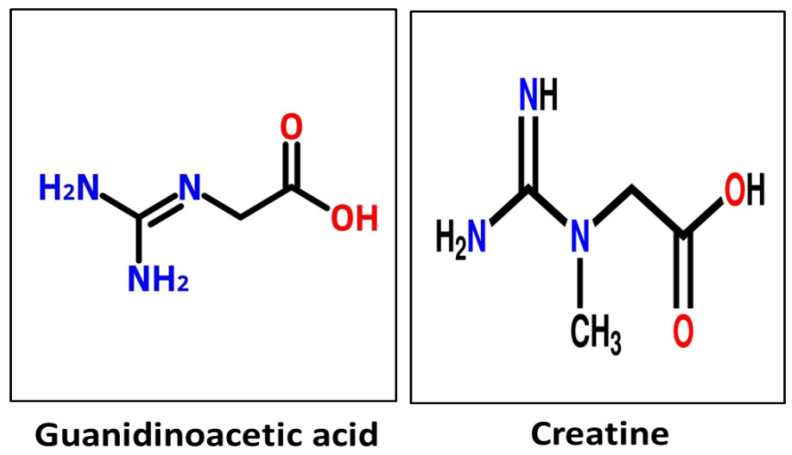 Figure 1
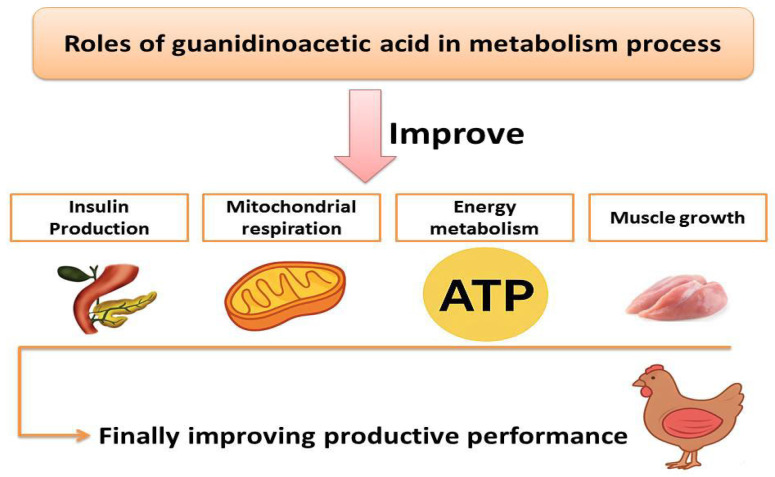 Figure 2
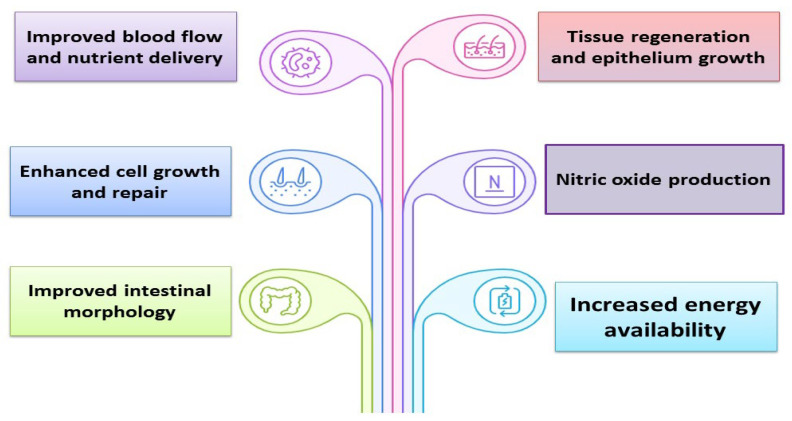 Figure 3
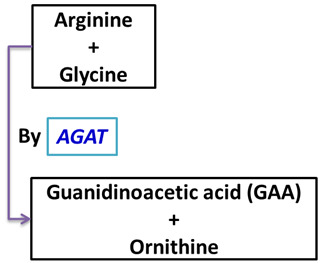 Figure 4
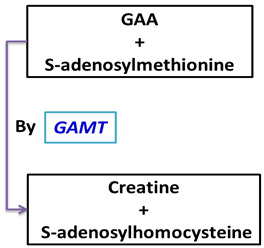 Figure 5
Peer Reviews
No public reviews on file for this paper yet. If you reviewed it on a platform where reviews are public (OpenReview, ICLR, NeurIPS, ICML), you can paste yours below so the community can read it here.
Videos
No videos yet. Explain this paper in a talk, walkthrough, or lecture? Add one.
Taxonomy
TopicsAnimal Nutrition and Physiology · Muscle metabolism and nutrition · Agricultural safety and regulations
1. Introduction
Guanidinoacetic acid (GAA), known as guanidinoacetate or glycocyamine, is an amino acid derivative and an endogenous compound found in body tissues [1]. GAA serves as the essential precursor for creatine, which is widely distributed in nerve and muscle tissues [2]. GAA plays a critical role in cellular energy metabolism. GAA has attracted interest from the feed industry as a precursor to creatine due to its excellent industrial stability [3]. As a feed supplement, GAA functions as a direct metabolic precursor in creatine synthesis, helping to restore adequate cellular ATP levels and maintain overall energy balance in poultry. Feed additives that enhance energy utilization and naturally promote muscle growth are widely accepted in poultry nutrition. Guanidineacetic acid can improve poultry production and overall health by enhancing energy metabolism and protein synthesis [4]. GAA has increasingly been recognized as a viable alternative to antibiotics; for example, studies have shown that using GAA-enriched feed instead of antibiotics improves production outcomes in broiler chickens [5].
Dietary supplements containing GAA can conserve arginine in the body and further enhance growth performance by influencing arginine utilization and metabolism [6]. Furthermore, GAA is a potent precursor of creatine, which boosts muscle energy metabolism and reduces the breakdown of proteins, fats, and carbohydrates for energy, thereby accelerating animal growth and improving feed efficiency [7]. GAA supplementation may be essential for maintaining energy homeostasis in broiler chickens, especially those fed creatine-deficient diets composed exclusively of vegetable ingredients [8,9]. Including GAA in the diets of fast-growing broilers can help meet their creatine requirements. Since poultry consuming vegetable-based diets do not receive dietary creatine, they may require increased amounts of glycine and arginine to support endogenous creatine synthesis [10].
Diets supplemented with GAA may benefit broiler chickens, particularly those with rapid growth potential, due to their high creatine requirements for muscle development [8,11]. GAA increases the synthesis of phosphocreatine, which provides energy to metabolically active tissues such as the brain, gonads, and muscles. This process can improve nutrient distribution and boost productivity [8]. In broilers, GAA has been shown to improve intestinal morphology and mucosal barrier function [12,13]. Ahmadipour et al. [14] reported that adding GAA to broiler diets may be a useful approach to enhance gut health and growth performance. GAA reduces the metabolic demand for glycine and arginine in creatine synthesis, thereby making more arginine available for critical physiological functions and muscle growth [15,16]. Additionally, GAA exhibits antioxidant properties that protect muscle cells from oxidative stress and promote overall broiler health [17]. According to Li et al. [18], dietary GAA supplementation positively influences broiler growth, biochemical markers, and antioxidant capacity. GAA can serve as a potential substitute for arginine in young chicks, as demonstrated by improved feed efficiency and growth in broilers fed an arginine-deficient diet with GAA supplementation (1.2 g/kg) [9]. Zhao et al. [5] exhibited that growth performance significantly improved in birds fed diets supplemented with GAA (0.6 g/kg). Conversely, Li et al. [19] noted no significant improvement in broiler growth when GAA (0.6 g/kg) was added to the feed. This variability in results may be attributed to factors such as breed, age, and differential responses to GAA supplementation. Therefore, this review aims to assess the overall effects of dietary GAA supplementation on growth performance, egg quality, nutrient digestibility, antioxidant indices, and gut health to promote poultry production.
2. Comprehensive Methodology for Review
Relevant literature was retrieved from PubMed, Scopus, and Google Scholar using keywords such as ‘guanidinoacetic acid’, ‘functional feed additive’, ‘poultry production’, and ‘gut health’. Studies published between 2000 and 2025 were included based on their relevance to veterinary applications and phytochemical analysis. Relevant sources were selected by verifying that the studies focused on the health benefits of GAA and its use as a functional supplement in poultry nutrition.
3. Guanidinoacetic Acid and Its Effects on Metabolic Processes, Energy Utilization, and Nutrient Digestibility
Guanidinoacetic acid, commonly known as guanidinoacetate or glycocyamine, is chemically named N-[aminoiminomethyl]-glycine (chemical formula: C_3_H_7_N_3_O_2_). Figure 1 shows the molecular structure of guanidinoacetic acid and creatine. Commercially, GAA is available as a crystallized product (white crystalline powder). GAA serves as a direct precursor of creatine [2]. GAA is synthesized from the amino acids arginine and glycine in the kidney or absorbed from the gut and converted to creatine in the liver [14]. Table 1 presents the tissue involvement summary. Creatine, in its phosphorylated form, is essential for muscles as a high-energy transporter. GAA also significantly reduces the requirement for arginine [2]. The conversion of GAA to creatine requires methyl groups and produces homocysteine (Hcy), which can accept a methyl group to regenerate methionine [20]. Arginine (Arg) is converted to GAA, which is the direct precursor to creatine (Cr) and phosphocreatine (PCr), two crucial compounds for maintaining muscular energy homeostasis [21].
Nowadays, broilers are mostly fed vegetable-based diets, and exogenous creatine is not readily available. GAA, a precursor of creatine, is often used as a substitute due to its high bioavailability and notable stability [9]. Including GAA in the diet provides essential amino acids, which can be utilized in protein synthesis. The risk of creatine deficiency has increased as the consumption of animal products in diets has declined. Unlike animal proteins, creatine is absent from plant-based feedstuffs and may be lacking in all-vegetable diets. GAA has drawn a lot of interest because of its high bioavailability and notable stability. The primary function of creatine is to maximize energy efficiency across various physiological processes. The body’s effective conversion of creatine is crucial to fulfilling this role [22,23]. Endogenous creatine production may be insufficient to meet the demands of commercially farmed chickens exhibiting increased productivity or accelerated growth [24,25].
The use of GAA has shown promising results in increasing the levels of two essential compounds, creatine and arginine, which are crucial for mitigating the negative influences of free radicals and enhancing the body’s defenses against oxidative stress [5]. Also, Ostojic [26] recognized that GAA may exhibit both pro-oxidant and antioxidant properties and proposed several physiological functions of supplemental GAA beyond muscle creatine loading, including insulin sensitization and stimulation, γ-aminobutyric acid antagonism, and neuromodulation. According to Boroumandnia et al. [27], GAA may provide some protection against lactic acidemia in birds through its direct or indirect effects on the cardiovascular system. The enzyme activity of arginine/glycine amidinotransferase (AGAT) is crucial for creatine production, as AGAT catalyzes the rate-limiting and most tightly regulated step in creatine synthesis [10,28]. Table 2 illustrates the creatine biosynthesis pathway from GAA.
One of the primary regulatory enzymes in methyl group metabolism, glycine N-methyltransferase (GNMT) activity, may be positively impacted by guanidinoacetate’s direct stimulation of insulin production. GAA is necessary for energy metabolism and muscle growth, as it serves as a precursor to creatine and facilitates the synthesis of adenosine triphosphate, the primary energy molecule in cells [10,29]. DeGroot et al. [21] revealed increases in muscle glycogen in broilers fed GAA under thermoneutral conditions. Khalil et al. [30] demonstrated that GAA (0.6 g/kg) enhanced complex chain activity and mitochondrial respiration. While supplemental GAA may offer benefits for muscle energy metabolism, Boroumandnia et al. [27] noted potential adverse effects on liver and renal function. Majdeddin et al. [31] observed that dietary GAA prompts the body to utilize readily available phosphocreatine for energy production rather than relying on oxidative phosphorylation (resulting in lower glucose) and anaerobic glycogen breakdown (resulting in lower lactate). Furthermore, reduced lactate levels may indicate increased cellular stress tolerance. An overview of GAA’s roles in metabolism process is presented in Figure 2.
According to Mousavi et al. [32], GAA reduced the calorie intake per kilogram of body weight gain (BWG) by 2.9%, thereby improving energy utilization efficiency. Tossenberger et al. [26] reported that increasing dietary GAA consumption led to a significant increase (p < 0.05) in fecal and renal excretion of GAA, creatine, and creatinine when dietary GAA was provided at 6.0 g/kg compared to 0.6 g/kg and the control group. Fosoul et al. [23] displayed that adding GAA (1.2 g/kg) to either an energy-reduced diet (11.93 MJ/kg starter; 12.33 MJ/kg grower) or a standard energy diet (12.56 MJ/kg starter; 12.97 MJ/kg grower) reversed the negative effects of energy reduction on BWG and feed conversion ratio (FCR). Raei et al. [33] exhibited that dietary GAA supplementation in laying Japanese quail diets had both quadratic and linear effects on the ileal digestibility of dry matter, ash, ether extract, and crude protein. The beneficial effects of GAA are likely due to its enhancement of energy metabolism in intestinal epithelial cells and increased creatine production [34]. Therefore, dietary GAA supplementation facilitates nutrient digestion in the intestinal tract. It can be concluded that the inclusion of GAA may improve the rate of energy and protein absorption and metabolism. Additionally, exogenous GAA supplementation can enhance energy retention as fat in broiler chickens [23] and improve nutritional digestibility in laying Japanese quails [33]. The inclusion of GAA improved the crude protein assimilation coefficient, thereby increasing the availability of amino acids. This likely enhanced the utilization of amino acids for protein deposition, resulting in greater muscle growth [35]. Consequently, adding GAA to the diet may enhance the efficiency of protein and energy absorption and utilization, especially in low-energy diets. When low-tannin sorghum replaced corn, the beneficial effects of GAA on nitrogen-corrected apparent metabolizable energy (AMEn) and protein digestibility were more pronounced [36]. Although GAA supplementation (0.6 and 1.2 g/kg) may not provide additional benefits in diets with adequate energy levels, it can improve protein consumption and AMEn under low-metabolizable energy conditions [4].
4. Effect of GAA on Blood Parameters
Wyss and Kaddurah-Daouk [10] found that approximately 1.7% of the total pool of creatine and phosphocreatine is permanently converted to creatinine daily. Córdova-Noboa et al. [37] detected that treatment of GAA increased serum creatinine and creatine levels in broiler chickens. Raei et al. [33] clarified that the increasing dietary GAA levels (0.6–1.8 g/kg) elevated serum creatinine levels compared with the control birds. According to Borges et al. [35], broilers supplemented with 0.2% GAA had increased blood creatine kinase levels. Azizollahi et al. [36] displayed that adding GAA to the diets of laying hens during later stages of their life cycle resulted in higher serum creatine and creatinine levels. Tossenberger et al. [22] indicated that serum glucose, albumin, total protein, uric acid, urea, cholesterol, and enzymes GGT, AST, and ALT stayed the same when dietary inclusion of GAA was up to 0.6%. DeGroot [38] reported that no variations in AST, creatine Kinase, or mineral (P and Ca) serum concentrations were seen that might be ascribed to GAA supplementation. In broiler chicks fed both arginine-adequate and arginine-deficient diets, DeGroot [38] found that GAA supplementation only changed the differential cell proportions in heterophils and lymphocytes, without affecting the leukocyte count (lymphocytes, heterophils, basophils, monocytes, and eosinophils). DeGroot et al. [21] found that supplementing birds with 0.12% GAA as opposed to 0.0% GAA decreased heterophil proportions by an average of 35%.
5. Effect of GAA on Lipid Profile
Enhanced cellular energy in the liver can alter energy metabolism and may increase the activity of cholesterol 7-alpha-hydroxylase in the liver [39]. This enzyme is the first and rate-limiting step in the bile acid synthesis, converting cholesterol to 7-alpha-hydroxycholesterol. Therefore, reduced levels of circulating cholesterol may result from increased activity of this enzyme. Rahmawati and Hanim [40] clarified that GAA supplementation can lower blood cholesterol and triglyceride levels in diets with either high or low protein content. Majdeddin et al. [31] explained that GAA had no significant effect on plasma triglycerides in heat-stressed broilers, although there were slight linear decreases in plasma cholesterol. Therefore, GAA supplementation may enhance lipid turnover by stimulating the expression of both lipogenic and lipolytic genes. This metabolic adaptation could enable laying hens to produce more eggs and larger eggs [4].
6. Effect of GAA on Antioxidant Indices
Guanidinoacetic acid may indirectly function as an antioxidant due to the ability of its metabolites, arginine and creatine, to scavenge free radicals [5,41]. Since the methylation of GAA to creatine consumes a significant number of methyl groups derived from methionine, it is necessary to study the impacts of GAA supplementation. Michiels et al. [8] clarified that dietary GAA supplementation increases the methylation demand. Thus, the possible antioxidant benefits of supplementing with low to moderate amounts of GAA have been noted in previous studies [42]. GAA is also a strong pro-oxidant and can produce superoxide by transferring an electron from its conjugate base. Wang et al. [43] found that ducks fed GAA (0.5 g/kg) exhibited a decrease in malondialdehyde (MDA) levels. Contrary to expectations, blood GSH and GSH-Px activity, catalase activity, GSH-Px, SOD, and GSH were increased in the liver. They concluded that the elevation of creatine levels induced by GAA supplementation may enhance the body’s antioxidant capacity to some extent.
Research on broilers using GAA as a creatine source has shown that GAA supplementation (0.6 g/kg) alters several indicators of oxidative status in breast muscle by reducing MDA and reactive oxygen species (ROS) levels while increasing total antioxidant capacity. However, it does not affect SOD and GPx enzyme activities [5]. Nasiroleslami et al. [44] demonstrated that the addition level of GAA (1.2 g/kg) in broiler diet increased liver GSH-Px activity and reduced serum MDA levels. The inclusion of GAA in broiler chicken diets significantly augmented the antioxidant enzyme activities and diminished MDA levels [42]. Boroumandnia et al. [27] revealed that adding higher levels of GAA to broiler diets increased serum antioxidant indices as demonstrated by increased GSH-Px activity in the birds receiving GAA (3 g/kg). Majdeddin et al. [31] elucidated that GAA is linked to boosted muscle energy metabolism that indirectly may promote tolerance against oxidative stress in heat-stressed broilers. It is conceivable that these antioxidant impacts are based on enhanced muscle creatine loading and are therefore indirect. Therefore, the enhancement of oxidative status may be partially responsible for the performance-enhancing impacts of dietary GAA. Alaa et al. [41] explained that GAA supplementation increased GSH-Px and catalase activities and decreased nitrite concentration without significantly affecting SOD and MDA levels. Furthermore, GAA enhanced antioxidant capacity and decreased lipid peroxidation levels in broiler chickens [18]. Consequently, GAA protects broiler chickens from oxidative stress, promoting their general well-being and maintaining regular physiological processes. Additionally, Ghasemi et al. [4] elucidated that dietary GAA addition significantly elevated TAC and decreased MDA levels, indicating a positive impact on lipid peroxidation and antioxidant capacity. They showed that hens supplemented with GAA had significantly lower TBARS values and higher DPPH activity in their egg yolks, indicating that dietary GAA strengthens birds’ antioxidant defenses against oxidative stress. These results imply that while GAA supplementation may improve bird health and productivity, appropriate dosing and continuous monitoring are essential to avoid potential adverse effects.
7. Effect of GAA on Immunity
Dietary GAA addition in broilers exposed to heat stress reduced total leukocyte and lymphocyte counts, the latter primarily due to a decrease in the number of T cells [12]. These findings indicate that GAA may modulate cell-mediated immune responses, especially during acute heat stress. Li et al. [19] exhibited that adding GAA (0.6 g/kg) to broiler feed positively influenced immunity under heat stress by inhibiting the corticosterone synthesis and boosting plasma IL-2, IgG, and IgM levels. According to Peng et al. [13], dietary GAA improved the jejunal immunity of chicks exposed to heat stress for seven days by increasing jejunal IgA concentrations and decreasing mRNA expression of pro-inflammatory factors in the jejunum. These findings recommended that GAA might also have anti-inflammatory effects on broilers exposed to heat stress.
8. Effect of GAA on Gut Microbiota
GAA does not directly affect the gut environment, despite being a known precursor to creatine and enhancing creatine synthesis. The gut microbiota showed no significant changes when GAA (0.6 g/kg) was included in the diet [5]. Li et al. [18] stated that GAA had no significant effect on the composition of microbiota in chicken intestines. Specifically, they found that adding GAA (0.4 g/kg) to the feed had no significant effect on the beta and alpha diversity of microorganisms in the cecum of broiler chickens. Therefore, although GAA is recognized for its role in creatine synthesis, it appears to have little or no impact on microbial diversity.
9. Effect of GAA on Intestinal Integrity
For avian species, intestinal morphology is essential for maintaining overall health and maximizing performance. Nutraceuticals contribute to improving intestinal microstructure and development, as well as establishing a healthy intestinal microbial balance [45]. Supplementing broiler diets with GAA may be a useful strategy for enhancing growth and intestinal integrity [14]. Kodambashi Emami et al. [46] exhibited that GAA (1.2 g/kg) augmented the surface area of the jejunal villus in birds raised at cold temperatures. Ahmadipour et al. [14] illuminated that GAA addition above 0.5 g/kg significantly augmented villus height (VH), villus width (VW), and absorptive surface area in the ileum, jejunum, and duodenum. Broilers fed GAA at 0.06% or 0.12% had better surface area, VH and VW in the jejunum and duodenum [42]. Rahmawati and Hanim [40] demonstrated that the crypt depth was increased with the addition of 0.06% GAA, but the crypt depth was reduced when GAA was added at a level of 0.12%. This finding demonstrates that GAA can function as a substitute for arginine that can promote intestinal cell migration via the focal adhesion kinase and NO pathways [47]. Peng et al. [13] demonstrated that dietary GAA supplementation (0.6 g/kg) alleviated HS-induced histomorphology alterations of the small intestine and jejunal mucosal barrier dysfunction. They noted increasing the jejunal mucus thickness and goblet cell number, signifying that dietary GAA boosted the jejunal barrier function in chicks exposed to heat stress. According to Al-Abdullatif et al. [48], GAA enhanced intestinal architecture, particularly in male broilers. This study indicates that supplementing with GAA, particularly at 1.2 g/kg, may improve the growth and intestinal health of broilers, which could be beneficial. GAA supplementation significantly increased VH, CD, VW, surface area, and goblet cell count, thereby positively influencing intestinal morphology. Since arginine is a precursor for GAA synthesis, its benefits may be linked to arginine’s positive effects on intestinal health. In chicken intestinal epithelial cells, arginine has been shown to upregulate gene expression in the rapamycin signaling pathway, promoting protein synthesis and decreasing protein degradation [49]. Furthermore, arginine supports intestinal innate immunity, exhibits anti-inflammatory properties [50], and helps maintain intestinal microbiota homeostasis [51]. Thus, the improved growth performance observed in broilers fed GAA-enriched diets may be explained by the enhancements in intestinal morphology. Recently, Ghasemi et al. [4] explained that GAA supplementation positively affected the morphological parameters of the intestinal mucosa in the duodenum and jejunum. Interestingly, the best results were obtained with the highest GAA inclusion level (1.2 g/kg), especially in the duodenum. Consequently, GAA may improve intestinal morphology by increasing energy availability and promoting cell growth and repair. Additionally, GAA stimulates nitric oxide production, which improves intestinal blood flow and nutrient delivery while promoting tissue regeneration and epithelial growth [52]. Figure 3 summarizes the effects of GAA on gastrointestinal tract integrity in poultry. On the other hand, Alaa et al. [41] displayed that intestinal morphometric parameters were not significantly affected by dietary GAA inclusion. A previous study also reported no significant alterations in the gut histomorphometry in birds fed GAA (0.6 or 1.2 g/kg) [23]. Thus, the intestinal digestibility of nutrients in broilers may not be influenced by GAA supplementation. Borges et al. [35] stated that intestinal morphology was not changed by GAA inclusion. During the pre-initial rearing phase, GAA did not exhibit any activities that promote intestinal mass growth. Additionally, the inclusion of GAA (0.6 g/kg) in the diet had no effect on the development of jejunal villi [53]. These studies suggest inconsistencies in the effects of GAA on intestinal integrity. The response to GAA likely depends on various factors, including the inclusion level of GAA in the diet, genetic strain, gender, bird age, production stage, environmental conditions, and differences in the basic ingredients and components of the feed used in the research.
10. Effect of GAA on Reproduction
Some investigations have demonstrated that dietary GAA can improve reproductive status in poultry. GAA is a possible supplement to prevent age-related reproductive deficiencies and enhance both poultry reproduction and offspring quality [1]. Additionally, GAA supports the energy metabolism of the reproductive system. According to Sharideh et al. [54], supplementing elderly broiler breeder hens with GAA may improve sperm penetration and fertility rates by increasing ATP availability in sperm mitochondria, thereby enhancing sperm motility and fertility. Similar findings were observed by Tapeh et al. [55], who found dietary GAA at various doses improved reproductive rates and semen quality in broiler breeder roosters. Absorption and synthesis of GAA and creatine in broiler offspring were changed by adding GAA to broiler breeder diets (1.5 g/kg), which enhanced its absorption and deposition into hatching eggs [56]. Dietary GAA had a favorable impact on creatine levels in eggs and the muscular tissue of offspring in meat-type quail breeders, improving reproductive status and postnatal progeny performance [57]. The highest egg production in laying quails was achieved with 1.8 g/kg of dietary GAA supplementation [33]. According to Salah et al. [58], providing aged laying hens with GAA (1.0 or 1.5 g/kg) in their diet significantly enhanced their laying performance.
In a recent study examining laying hens in the later production stages, Pimenta et al. [59] found that feeding them GAA (0.6 and 1.2 g/kg) improved FCR. Azizollahi et al. [36] found that GAA had positive impacts on egg production, egg mass, and FCR. Supplementation of GAA in the low-ME diet, especially at 1.2 g/kg, significantly enhanced laying performance [4]. Contrary to earlier research, adding GAA to the diet may not be an effective strategy for improving the performance of laying hens [60].
Because GAA is a necessary precursor to creatine, it has a favorable effect on reproductive performance [36]. In many physiological functions, particularly in the reproductive system, creatine (as phosphocreatine) plays a crucial role as an energy carrier [10,24]. Another significant finding that sheds light on the possible mechanisms underlying the noted increases in laying performance is the rise in blood nitric oxide (NO) levels induced by the dietary GAA supplementation [36]. According to research by Manwar et al. [61], the enhanced production of NO is believed to support follicular development. This, in turn, could lead to improved ovulation and increased egg production. Uyanga et al. [62] stated that NO may play a significant role as a mediator in creating an environment conducive to optimal reproductive outcomes. This theory is supported by NO’s regulatory effects on hormone secretion and blood flow [63]. While some studies have reported no discernible advantages [59,60], others have shown enhanced laying performance after GAA addition [33,36]. The discrepancies observed across these studies may be attributed to differences in the birds’ physiological states, nutrient composition, and dietary energy levels. Additionally, variations in GAA dosage and supplementation duration likely contributed to the conflicting results reported in the literature.
11. Effect of GAA on Egg Quality
Because of its well-known sparing effect on arginine and methionine, GAA may indirectly increase the quality of eggs. Dietary methionine can be spared by both GAA and creatine [4]. Azizollahi et al. [36] displayed that hens supplemented with GAA showed a tendency toward greater shell thickness and a considerable improvement in shell-breaking strength. Salah et al. [58] elucidated that dietary GAA supplementation during the later production periods boosted different features of internal egg quality (yolk index, Haugh unit (HU), and albumen ratio). GAA’s function in improving the body’s efficiency in utilizing methionine explains its potential influence on egg quality. Ghasemi et al. [4] illuminated that the high GAA level (1.2 g/kg) was linked to enhanced internal egg quality, as demonstrated by a significant increase in HU. This enhancement in HU may be related to GAA’s ability to boost energy metabolism and protein synthesis. GAA supports creatine synthesis, which in turn facilitates cellular energy metabolism [26], potentially promoting better albumin protein synthesis and resulting in a higher HU [64]. Additionally, the maintenance of albumen quality may be further facilitated by a reduction in oxidative stress induced by GAA supplementation. Higher dietary GAA levels were also linked to a trend toward stronger eggshells, possibly due to its sparing influence on arginine, which is involved in calcium metabolism and absorption [65]. Previous research has demonstrated that dietary arginine supplementation can enhance eggshell thickness and promote calcium deposition [66,67]. It is well established that free radicals and ROS can compromise the integrity of cellular components involved in eggshell formation. This has led to the recognition that oxidative stress negatively affects eggshell quality [68]. According to Zhao et al. [5], the antioxidant properties of GAA may reduce oxidative stress and help maintain the eggshell integrity. GAA supplementation may increase TAC, thereby reducing oxidative damage and promoting the development of stronger eggshells.
12. Effect of GAA on Growth Performance
The impact of GAA supplementation on the live weight of broiler chickens has yielded conflicting results in the scientific literature. While some studies showed no significant changes [44,69], others showed positive effects [9,70]. The dosage of GAA plays a crucial role in influencing growth performance parameters. In broilers, the optimal range for GAA supplementation to improve body weight (BW) and FCR appears to be between 0.6 and 1.2 g/kg [71], while the lowest dose recommended for performance improvement is 0.6 g/kg [70]. Additionally, Michiels et al. [8] and Degroot [38] found that broiler growth performance was enhanced when GAA (0.6–1.2 g/kg) was supplemented in vegetable diets. The birds supplemented with GAA (0.6 and 1.2 g/kg) exhibited significantly elevated IGF-I circulatory levels, which may further promote muscle growth [8]. Dilger et al. [9] clarified that adding GAA (1.2 g/kg) to the diet of chicks—whose diet was based on dextrose and casein and therefore deficient in arginine—significantly enhanced their weight gain and FCR.
Mousavi et al. [32] elucidated that GAA supplementation (0.6 g/kg) decreased feed intake (23–40 d of age) and improved FCR (0–40 d and 23–40 d of age), with no significant influences on BWG. Murakami et al. [57] noted that breeder quail supplemented with GAA (0.6, 1.2, and 2.4 g/kg) had better weight gain and FCR in their progeny. Heger et al. [72] explained that GAA supplementation (0.6 g/kg) had little effect on BW or BWG but noted that FCR was a more sensitive indicator and showed an affirmative response to GAA in broiler feed. DeGroot [38] recommended that GAA supplementation improved muscle phosphagen levels in chicks fed practical diets and mitigated the growth-depressing influences of an Arg deficiency (i.e., GAA spared Arg). According to Ahmadipour et al. [14], GAA supplementation up to 1.5 g/kg improved FCR without affecting BWG or feed intake. Also, GAA supplementation significantly decreased serum uric acid concentration, which is the final byproduct of protein catabolism in birds. The reduced uric acid production in GAA-treated groups suggests improved dietary protein utilization, consistent with the observed improvement in FCR. However, they observed that a high GAA dose (2 g/kg) caused poor growth performance, although the reason for this remained unclear. According to Córdova-Noboa et al. [37], broilers fed a diet supplemented with GAA (0.6 g/kg) showed an improvement in FCR of 0.042 from day 0 to day 50 compared to birds fed the control diet. Fosoul et al. [23] elucidated that dietary GAA supplementation (1.2 g/kg) heightened the compromised growth and enhanced FCR in birds fed low-ME diets without GAA inclusion. DeGroot et al. [17] showed that feeding an arginine-deficient diet from day 1 to day 28, supplemented with GAA (1.2 g/kg), was adequate to restore BWG and FCR to those of a positive control that was adequate in Arg. He et al. [70] found that dietary GAA supplementation (0.6–1.2 g/kg) significantly enhances broiler chicken growth performance by influencing creatine metabolism and the efficiency of essential amino acid utilization. They identified 0.6 g/kg GAA as the minimum effective dose to improve performance. Regardless of the impact of the basal diet designed with normal or low protein, Amiri et al. [42] found that groups receiving GAA (0.6 and 1.2 g/kg) had a 4.52% and 5.65% decrease in FCR (0–42 days of age), respectively, in comparison to the non-supplemented groups. Additionally, average daily feed intake (ADFI) at ages 0–10, 24–42, and 0–42 days was increased by GAA supplementation. Furthermore, body weight (BW) and BWG were improved at 42 days of age. According to Faraji et al. [73], adding 1.5 g GAA/kg feed improved BWG and FCR; higher supplementation levels (2.25 g/kg) had adverse effects on these parameters. FCR has shown the most consistent impact of GAA supplementation, improving by 4.5 and 8.8 points in broilers supplemented with 0.6 and 1.2 g GAA/kg, respectively [24]. Boney et al. [74] found that the diets supplemented with GAA (0.6 g/kg) reduced FCR by 2.69% (1–21 d) and by 2.55% (36–42 d). At 21 days of age, BW was improved in comparison to the non-supplemented groups. Khalil et al. [30] found that GAA supplementation at 0.6 g/kg resulted in a 4.03% decrease in FCR relative to unsupplemented groups. Portocarero and Braun [16] clarified that GAA (0.6–1.2 g/kg) can improve FCR and increase daily BWG by 5% or more. Adding 0.6 g GAA/kg diet in broiler feed enhanced growth performance at day 10 of age [75]. Ceylan et al. [53] displayed that GAA-supplemented low-energy diets (0.6 g GAA/kg) significantly improved the performance of the birds (improving FCR and final BW by 1.66% and 1.77%, respectively). Li et al. [18] detected that the incorporation of GAA (0.4 g/kg) can significantly boost the development and growth of broiler chicks.
The combined findings of these studies recommend that GAA could be a commercially viable substance for enhancing broiler chicken growth performance. Table 3 illustrates various effects of GAA on improving growth performance in poultry. ARG, a precursor of growth-promoting polyamines, is partially formed from GAA [8,9]. The arginine-sparing effect, which makes arginine available for protein synthesis and muscle growth, was responsible for the improvements in FCR and BW observed in broilers treated with GAA [2,20]. Furthermore, creatine or its precursor, GAA, is especially important for replenishing tissue creatine stores due to the augmented muscle growth and ATP demands during the latter stages of bird life [76]. According to Tabatabaei Yazdi et al. [77], dietary supplementation with GAA may enhance the conversion of high-energy phosphates into ATP in muscles, thereby improving broiler performance. This beneficial effect is likely due to GAA’s ability to elevate muscle creatine levels [10]. The well-documented improvements in FCR can be explained by GAA supplementation reducing caloric intake per kilogram of BW, which in turn lowers FCR [32]. The advantages of GAA supplementation are more pronounced under conditions of energy restriction. GAA’s positive effects on productive performance are attributed to its role as a direct precursor of creatine, a substance essential for cellular energy metabolism and involved in numerous physiological processes, including those related to performance [24].
Enhancements in BW, BWG, and FCR show that GAA improves dietary energy utilization in broilers, even under stressful conditions [53,72]. Supplementing broiler diets with GAA (0.6 and 1.2 g/kg) during stress reduced FCR while increasing final BW and overall ADG [42]. Higher doses may spare more arginine, likely due to the sparing effect of GAA. Consequently, the dosage of GAA may determine its possible impact on broiler chicks. GAA consumption may stimulate the body to produce more phosphocreatine, providing muscles with a consistent energy supply [80]. This mechanism could explain how GAA improves growth performance in broiler chickens. However, high GAA levels (2.25 g/kg) negatively affected the growth response of broilers [73]. Excess dietary GAA significantly increases hepatic and plasma creatine concentrations in broilers [22,37]. Although dietary GAA at 2.4 and 3.0 g/kg negatively impacted growth performance, it reduced mortality in broiler chicks experiencing acute lactic acidosis [27].
Mousavi et al. [32] noticed that supplementing the broiler diet with GAA (0.6 g/kg) from days 1 to 40 increased feed intake but did not affect the birds’ weight gain. This response may result from a negative impact of GAA on ADFI or improved energy utilization in chicks fed GAA-enriched diets [72]. Tossenberger et al. [22] clarified that supplementing the diet with GAA (0.6 g/kg) did not increase growth performance because of reduced feed intake and BWG. Feed conversion ratios ranged from 1.48 to 1.49 across all treatments and were unaffected. Majdeddin et al. [81] stated that supplementation of GAA in broiler diets with varying nutrient densities decreased ADFI and FCR during the finishing period, while having no effect on performance during the growing phase. Zhang et al. [82] clarified that broilers fed diets containing GAA (1.2 g/kg) for 14 days prior to pre-slaughter showed no differences in ADG, ADFI, or feed efficiency. El-Faham [83] elucidated that feed intake was unaffected by GAA supplementation up to 0.12%. Similarly, Nasiroleslami et al. [44] reported that feed intake, BWG, and FCR were not significantly impacted by dietary supplementation with GAA (1.2 g/kg). Supplemental GAA increased FCR but had no significant effect on BW or BWG [84]. According to Cao et al. [69], GAA supplementation (0.4 g/kg) had no effect on BW, BWG, or FCR, especially when low-metabolizable-energy diets were used. These discrepancies may be attributed to species variation, GAA dosage, experiment duration, or dietary nutrient composition. The optimal GAA dose may vary depending on poultry type (broilers, layers, quail) or physiological stage (starter, grower, late lay). Table 4 summarizes the effects of GAA on poultry growth performance based on previous studies.
13. Strengths, Limitations, and Future Prospects
There are various advantages to using GAA in poultry feeding. Numerous independent studies consistently demonstrate improvements in feed conversion efficiency and growth performance across various experimental conditions and broiler strains. A strong scientific basis for GAA’s applications is provided by an understanding of its effects on body systems.
There are several limitations in the current study. Limited information is available on the long-term consequences or effects in some poultry species, as most studies focus on short-term effects during the growth period. Further research is needed to provide precise recommendations, since the optimal dosage may vary depending on environmental factors, bird genetics, and dietary composition. Some studies suggest that excessive GAA supplementation can have adverse consequences, underscoring the importance of proper dosage regulation.
Optimizing GAA supplementation techniques across various production systems and environmental conditions should be a primary focus of future studies. Long-term research is required to comprehensively evaluate its various effects. The efficacy of GAA can be improved by investigating its interactions with other feed additives and nutritional technologies. Studies on the effect of this compound under various stressors and disease conditions will provide valuable insights for its practical applications. Future studies should also examine the synergistic effects of combining GAA with commonly used feed additives such as betaine, methionine, and probiotics, as these are often administered together in practice. Exploring complementary pathways, including the combined provision of methyl donors and the joint enhancement of gut health, could offer important information for optimizing animal nutrition and performance. Future research will further promote the use of GAA and more precisely target its functional advantages.
14. Conclusions
Guanidinoacetic acid is widely recognized and utilized as a feed additive. As a natural derivative of amino acids, GAA serves as a direct precursor to creatine and has been shown to improve various physiological parameters, energy metabolism, muscle development, and growth performance in poultry. Supplementing birds with GAA may be a favorable approach to enhance their performance and metabolic efficiency. The improved performance observed in GAA-supplemented birds may result from its ability to spare arginine and glycine during metabolism. Although GAA is well known for its role in creatine synthesis, it appears to have little or no impact on gut microbiota. The magnitude and consistency of GAA’s effects vary considerably among studies and seem to be influenced by factors such as inclusion level, dietary composition, bird age and gender, production stage, and environmental conditions. Most previous studies have demonstrated that GAA supplementation at approximately 0.6–1.2 g/kg of diet positively affects productive and reproductive performance, egg quality, digestibility, antioxidant indices and gut health in poultry. Overall, GAA supplementation offers promising opportunities for optimizing poultry production and health.
The reference list from the paper itself. Each links out to its DOI / PubMed record.
- 1Asiriwardhana M. Bertolo R.F. Guanidinoacetic acid supplementation: A narrative review of its metabolism and effects in swine and poultry Front. Anim. Sci.2022397286810.3389/fanim.2022.972868 · doi ↗
- 2Ostojic S.M. Guanidinoacetic acid as a performance-enhancing agent Amino Acids 2016481867187510.1007/s 00726-015-2106-y 26445773 · doi ↗ · pubmed ↗
- 3El-Aziz A.A. Alsenosy A.E.W. Puvača N. Tufarelli V. Guanidinoacetic acid as a functional additive in broiler nutrition: Insights into performance, carcass, antioxidant capacity, and health World’s Poult. Sci. J.20258185587410.1080/00439339.2025.2511985 · doi ↗
- 4Ghasemi H.A. Azizollahi M. Lahroudi M.A. Taherpour K. Hajkhodadadi I. Akhavan-Salamat H. Rahmatnejad E. Guanidinoacetic acid in laying hen diets with varying dietary energy: Productivity, antioxidant status, yolk fatty acid profile, hepatic lipid metabolism, and gut health Poult. Sci.202510410515910.1016/j.psj.2025.10515940267570 PMC 12051624 · doi ↗ · pubmed ↗
- 5Zhao W. Li J. Xing T. Zhang L. Gao F. Effects of guanidinoacetic acid and complex antioxidant supplementation on growth performance, meat quality, and antioxidant function of broiler chickens J. Sci. Food Agric.20211013961396810.1002/jsfa.1103633349952 · doi ↗ · pubmed ↗
- 6Baker D.H. Advances in protein–amino acid nutrition of poultry Amino Acids 200937294110.1007/s 00726-008-0198-319009229 · doi ↗ · pubmed ↗
- 7Zhu Z. Gu C. Hu S. Li B. Zeng X. Yin J. Dietary guanidinoacetic acid supplementation improved carcass characteristics, meat quality and muscle fibre traits in growing–finishing gilts J. Anim. Physiol. Anim. Nutr.20201041454146110.1111/jpn.1341032618065 · doi ↗ · pubmed ↗
- 8Michiels J. Maertens L. Buyse J. Lemme A. Rademacher M. Dierick N.A. De Smet S. Supplementation of guanidinoacetic acid to broiler diets: Effects on performance, carcass characteristics, meat quality, and energy metabolism Poult. Sci.20129140241210.3382/ps.2011-0158522252354 · doi ↗ · pubmed ↗