From Classics to Nano-Excipients and Biopolymers: Pulmonary Drug Delivery Formulations
Maria Nikou, Maria Chountoulesi, Stergios Pispas, Natassa Pippa

TL;DR
This paper reviews excipients used in dry powder inhalers for pulmonary drug delivery and highlights their importance in formulation.
Contribution
The paper provides a systematic review of excipients specifically for dry powder inhalers, which has not been previously compiled.
Findings
There is a limited number of approved excipients for pulmonary delivery despite their critical role in formulation.
Understanding excipient characteristics can aid in the development of more effective inhalation drug delivery systems.
Abstract
In this article, a systematic review and analysis of the present literature is conducted, regarding the excipients present in dry powder inhaler formulations. Until now, there has been no list of excipients recorded, specifically for DPIs, with the number of approved excipients for pulmonary delivery being restricted, despite their choice as a pivotal step for the formulating process. Understanding the DPI formulations, physicochemical characteristics, efficiency, and release profiles, demonstrated in detail here, could contribute to their application in future studies and be a useful research tool in the choice of excipients in the field of inhalation technology and specifically DPIs.
Click any figure to enlarge with its caption.
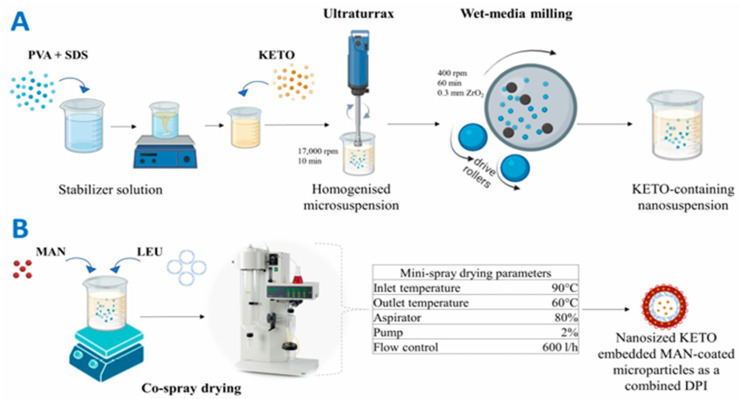 Figure 1
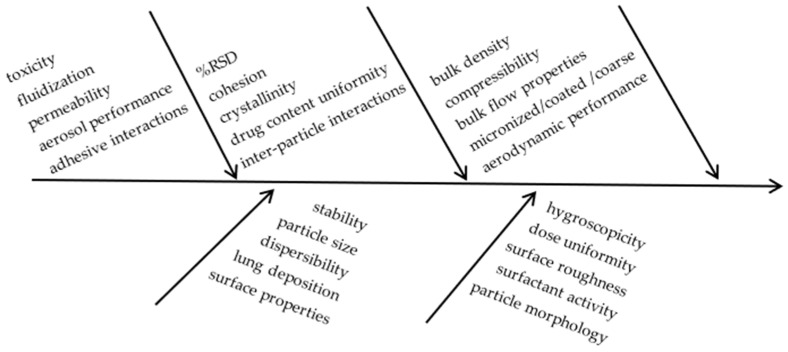 Figure 2
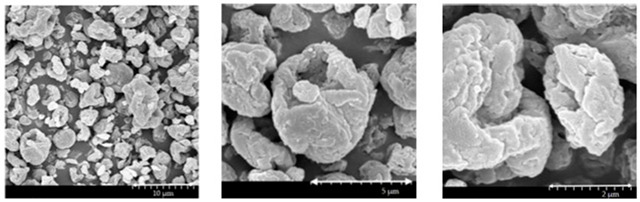 Figure 3
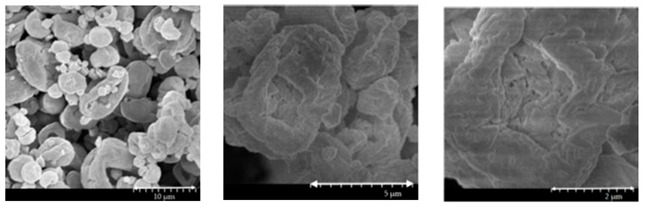 Figure 4
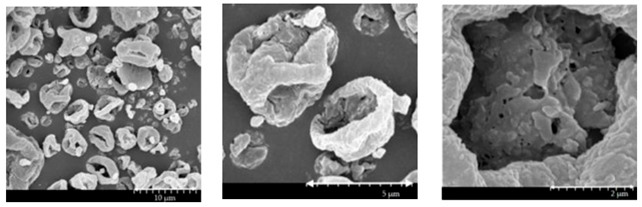 Figure 5
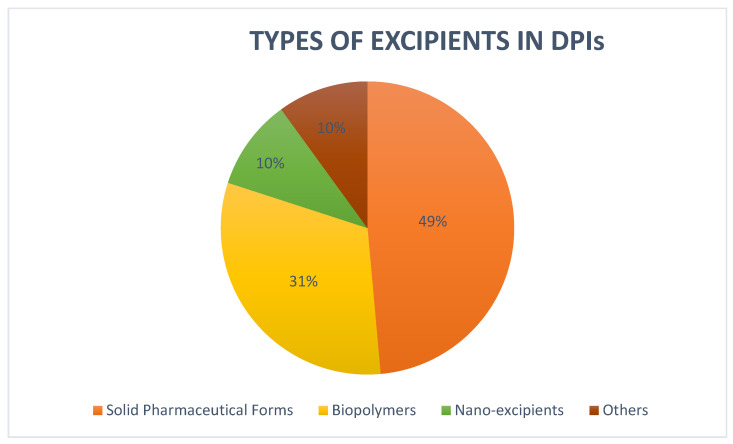 Figure 6
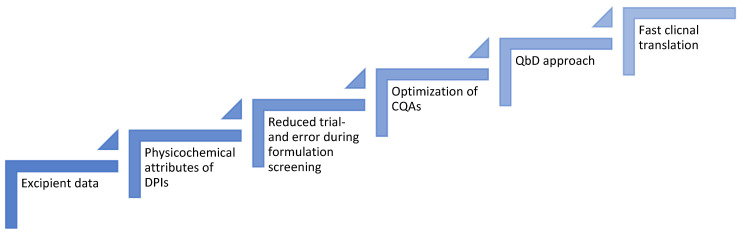 Figure 7
Peer Reviews
No public reviews on file for this paper yet. If you reviewed it on a platform where reviews are public (OpenReview, ICLR, NeurIPS, ICML), you can paste yours below so the community can read it here.
Videos
No videos yet. Explain this paper in a talk, walkthrough, or lecture? Add one.
Taxonomy
TopicsInhalation and Respiratory Drug Delivery · Advanced Drug Delivery Systems · Drug Solubulity and Delivery Systems