Comprehensive Morpho-Functional Profiling of Peruvian Andean Capsicum pubescens Germplasm Reveals Promising Accessions with High Agronomic and Nutraceutical Value
Erick Leao Salas-Zeta, Katherine Lisbeth Bernal-Canales, Andrea Delgado-Lazo, Gonzalo Pacheco-Lizárraga, Marián Hermoza-Gutiérrez, Hector Cántaro-Segura, Elizabeth Fernandez-Huaytalla, Dina L. Gutiérrez-Reynoso, Fredy Quispe-Jacobo, Karina Ccapa-Ramirez

TL;DR
This study evaluates 78 Peruvian Andean chili pepper varieties to identify those with high yield and health benefits, offering insights for future breeding.
Contribution
The paper introduces a comprehensive morpho-functional profiling approach for Capsicum pubescens germplasm.
Findings
Three distinct phenotypic profiles were identified based on pungency, color, and bioactive compounds.
Strong within-domain associations were found among morphological, chromatic, and biochemical variables.
Weak cross-block correlations suggest opportunities to combine agronomic and functional traits in breeding.
Abstract
Capsicum pubescens (rocoto) is an Andean domesticate with notable agronomic and nutraceutical potential, yet it remains underrepresented in chili pepper breeding programs. In this study, 78 accessions from the Peruvian Andes were evaluated in a single field environment during the 2024 growing season for 28 variables spanning plant architecture, phenology and yield, color (CIELAB), weight, fruit morphology, physicochemical variables, and functional phytochemicals, including total phenolics, carotenoids, ascorbic acid, capsaicinoids, and antioxidant activity (FRAP, DPPH, ABTS). Descriptive analyses revealed broad phenotypic diversity in key variables such as yield and bioactive compounds. Spearman correlations uncovered a clear modular structure, with strong within-domain associations across morphological, chromatic, and biochemical variables, and statistically significant but…
Genes, proteins, chemicals, diseases, species, mutations and cell lines named across the full text — each resolved to its canonical identifier and authoritative record.
Click any figure to enlarge with its caption.
 Figure 1
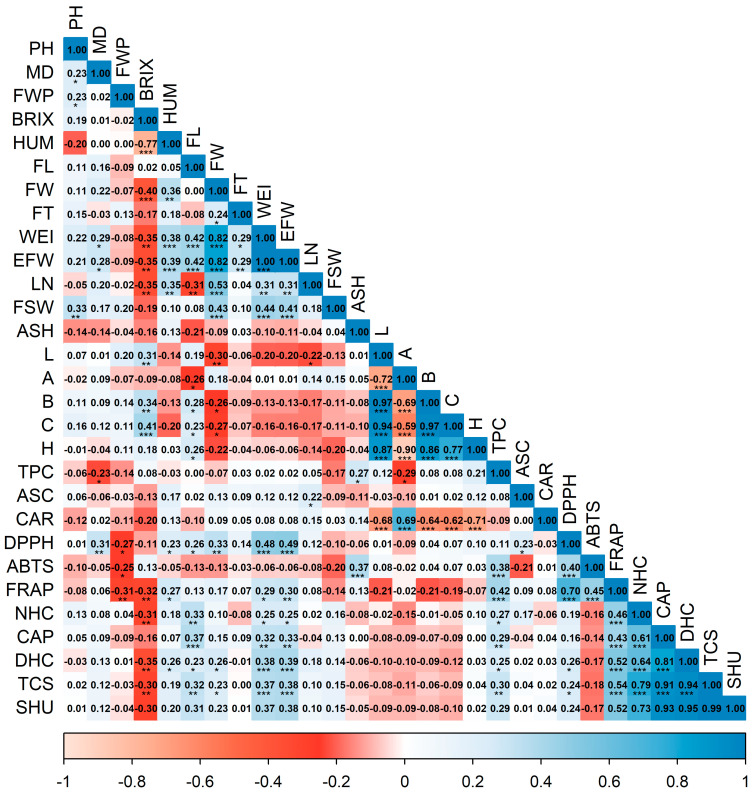 Figure 2
 Figure 3
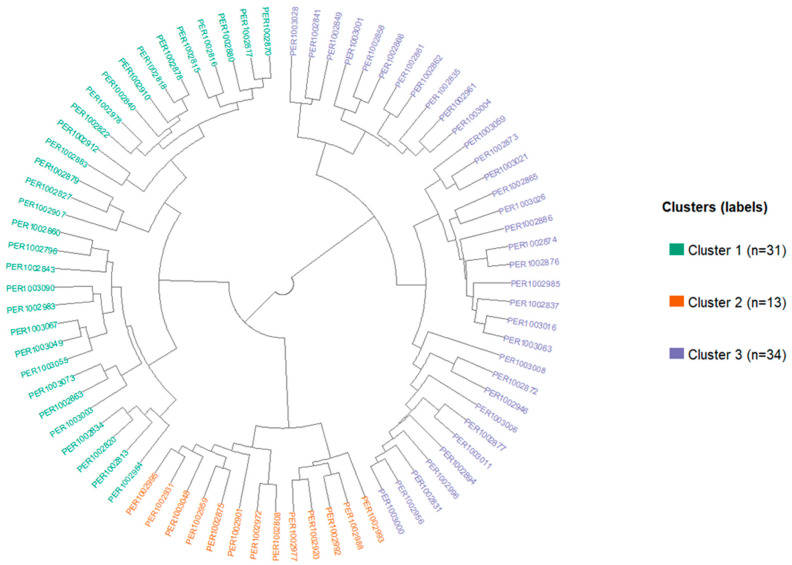 Figure 4
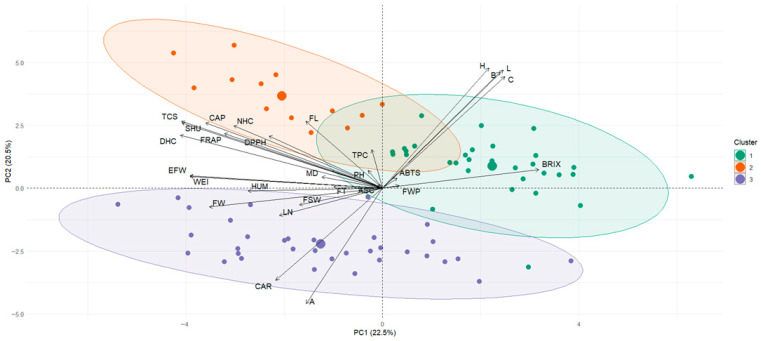 Figure 5
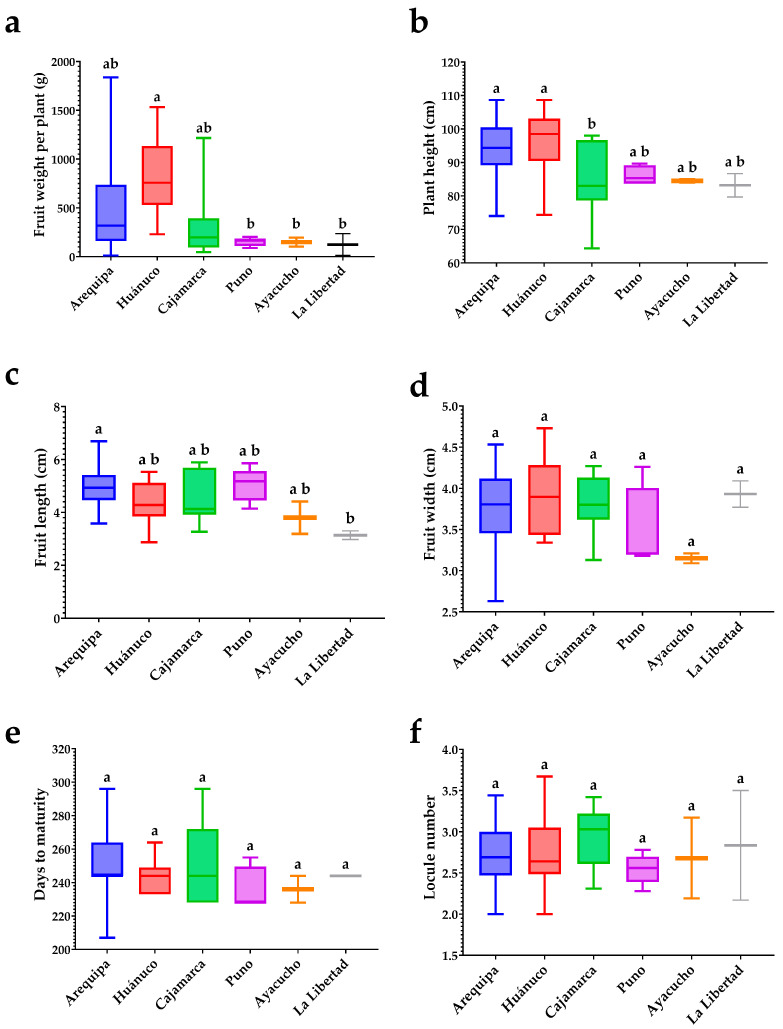 Figure 6
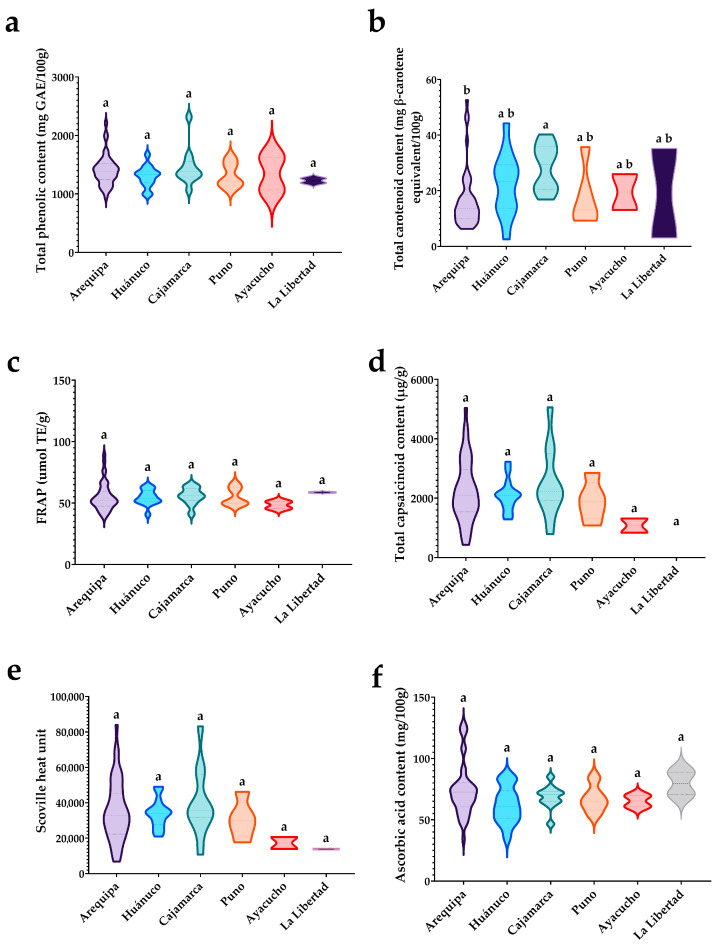 Figure 7
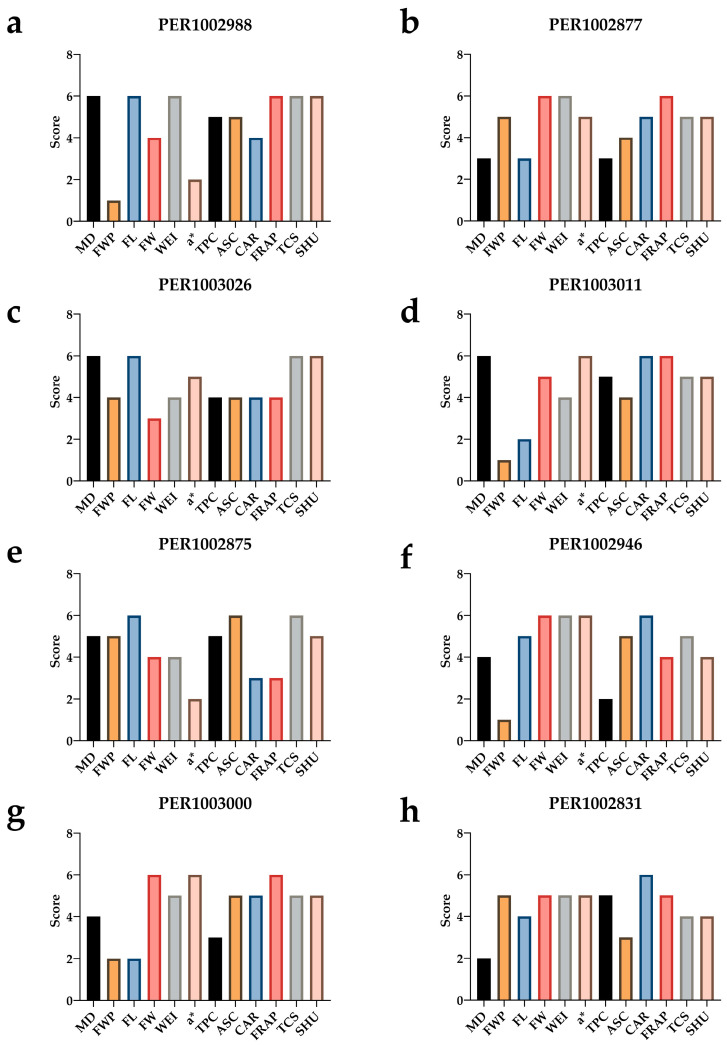 Figure 8
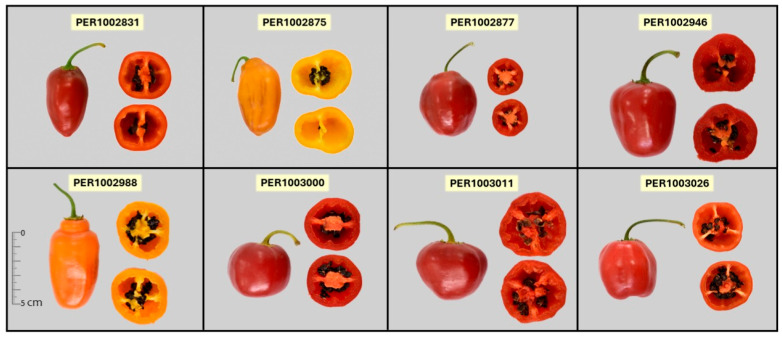 Figure 9
Peer Reviews
No public reviews on file for this paper yet. If you reviewed it on a platform where reviews are public (OpenReview, ICLR, NeurIPS, ICML), you can paste yours below so the community can read it here.
Videos
No videos yet. Explain this paper in a talk, walkthrough, or lecture? Add one.
Taxonomy
TopicsIon Channels and Receptors · Phytochemistry and biological activities of Ficus species · Piperaceae Chemical and Biological Studies