Forward Osmosis for Produced Water Treatment: Comparative Performance Evaluation of Fabricated and Commercial Membranes
Sunith B. Madduri, Raghava R. Kommalapati

TL;DR
This study compares commercial and custom-made membranes for treating high-salinity oil and gas wastewater using forward osmosis, finding the custom membrane more effective.
Contribution
A novel zwitterionic-coated electrospun nanofibrous membrane is developed and shown to outperform commercial membranes in treating produced water.
Findings
The fabricated membrane achieved up to 40% higher initial water flux compared to the commercial membrane.
The nanofibrous membrane showed total solids rejection as high as 62% under 2.5 M Na3PO4 draw conditions.
Zwitterionic surface chemistry and nanofibrous architecture reduced fouling and reverse solute transport.
Abstract
Produced water (PW) generated from oil and gas operations poses a significant environmental challenge due to its high salinity and complex organic–inorganic composition. This study evaluates forward osmosis (FO) as an energy-efficient approach for PW treatment by comparing a commercial cellulose triacetate (CTA) membrane and a fabricated electrospun nanofibrous membrane, both modified with a zwitterionic sulfobetaine methacrylate/polydopamine (SBMA/PDA) coating. Fourier Transform Infrared Spectroscopy (FTIR) spectra verified the successful incorporation of SBMA and PDA through the appearance of characteristic sulfonate, quaternary ammonium, and catechol/amine-related vibrations. Scanning electron microscopy (SEM) imaging revealed the intrinsic dense surface of the CTA membrane and the highly porous nanofibrous architecture of the electrospun membrane, with both materials showing uniform…
Genes, proteins, chemicals, diseases, species, mutations and cell lines named across the full text — each resolved to its canonical identifier and authoritative record.
Click any figure to enlarge with its caption.
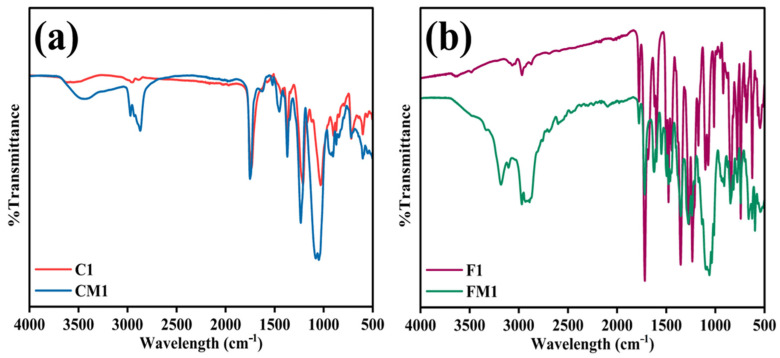 Figure 1
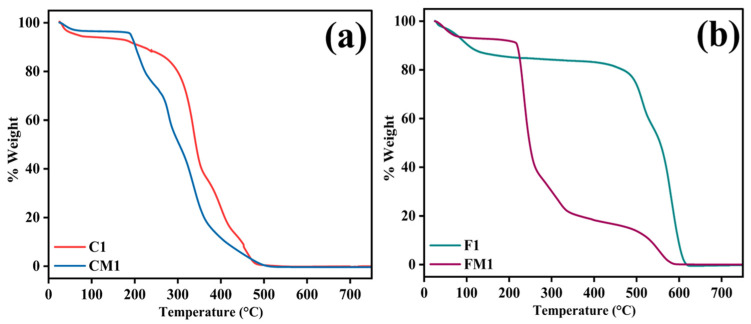 Figure 2
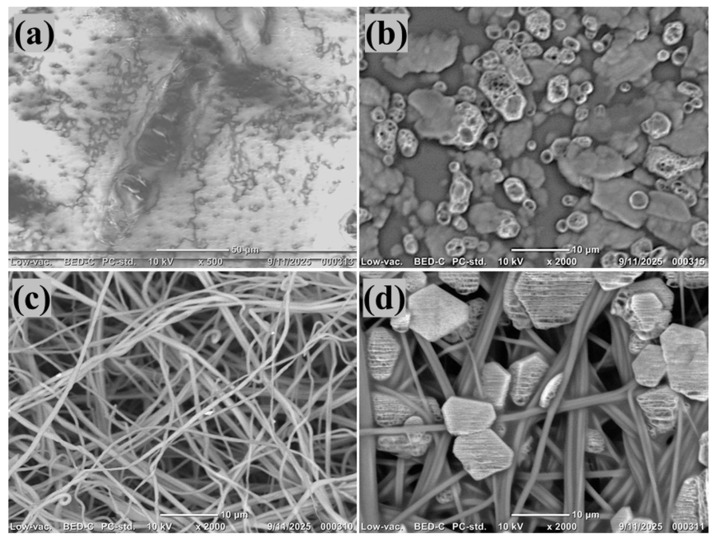 Figure 3
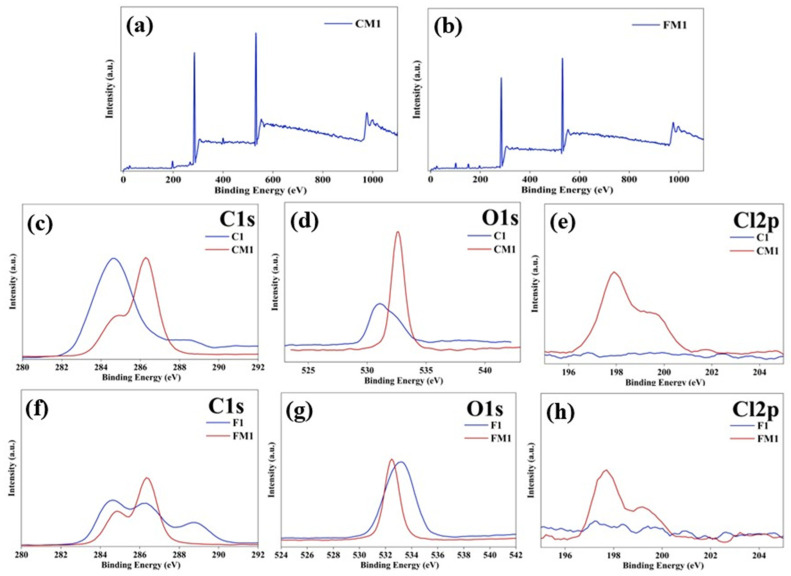 Figure 4
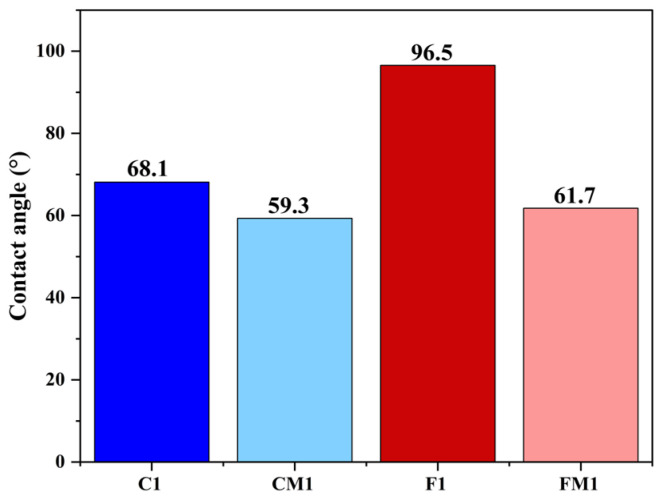 Figure 5
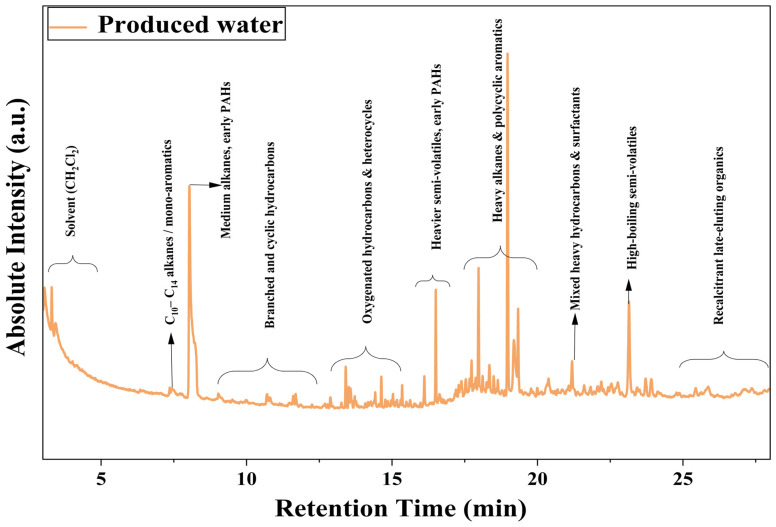 Figure 6
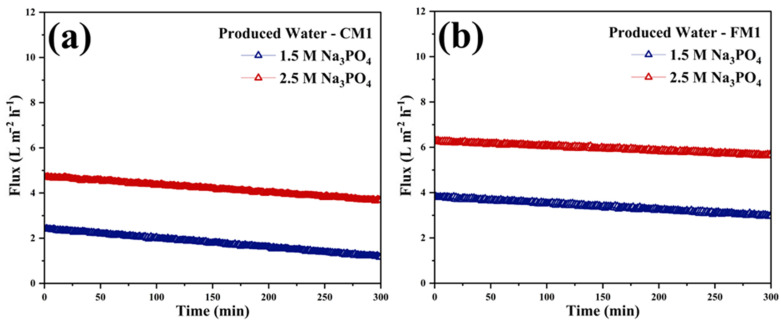 Figure 7
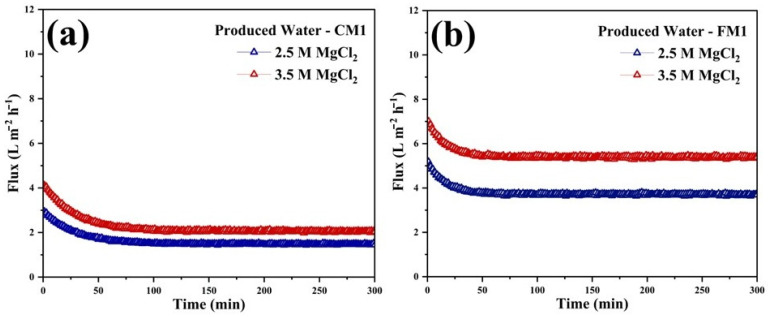 Figure 8
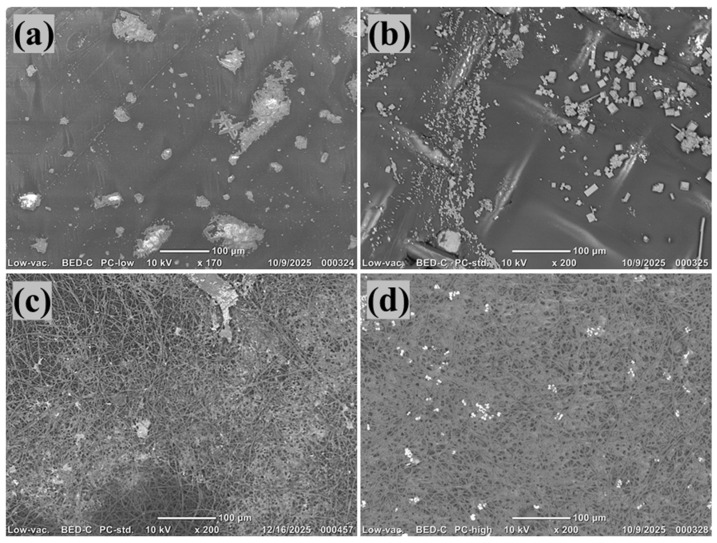 Figure 9
Peer Reviews
No public reviews on file for this paper yet. If you reviewed it on a platform where reviews are public (OpenReview, ICLR, NeurIPS, ICML), you can paste yours below so the community can read it here.
Videos
No videos yet. Explain this paper in a talk, walkthrough, or lecture? Add one.
Taxonomy
TopicsMembrane Separation Technologies · Membrane-based Ion Separation Techniques · Surface Modification and Superhydrophobicity