Pangenome-Guided Reverse Vaccinology and Immunoinformatics Approach for Rational Design of a Multi-Epitope Subunit Vaccine Candidate Against the Multidrug-Resistant Pathogen Chromobacterium violaceum: A Computational Immunopharmacology Perspective
Khaled S. Allemailem

TL;DR
This study designs a multi-epitope subunit vaccine against the drug-resistant bacterium Chromobacterium violaceum using computational methods to identify conserved antigens and predict immune responses.
Contribution
A novel pangenome-guided immunoinformatics pipeline for designing a multi-epitope vaccine candidate against MDR C. violaceum.
Findings
A 272-amino-acid multi-epitope vaccine construct showed strong antigenicity, stability, and non-toxicity.
Immune simulations predicted durable humoral and cellular responses with 89% population coverage.
Molecular docking with TLR4 showed high binding affinity (ΔG = −16.2 kcal/mol).
Abstract
Background: Chromobacterium violaceum is an emerging multidrug-resistant (MDR) Gram-negative bacterium associated with severe septicemia, abscess formation, and high mortality, particularly in immunocompromised individuals. Increasing antimicrobial resistance and the absence of approved vaccines underscore the urgent need for alternative preventive strategies. Traditional vaccine approaches are often inadequate against genetically diverse MDR pathogens, prompting the use of computational immunology and reverse vaccinology for vaccine design. Objectives: This study aimed to design and characterize a novel multi-epitope subunit vaccine (MEV) candidate against C. violaceum using a comprehensive pangenome-guided subtractive proteomics and immunoinformatics pipeline to identify conserved antigenic targets capable of eliciting strong immune responses. Methods: Comparative genomic analysis…
Genes, proteins, chemicals, diseases, species, mutations and cell lines named across the full text — each resolved to its canonical identifier and authoritative record.
Click any figure to enlarge with its caption.
 Figure 1
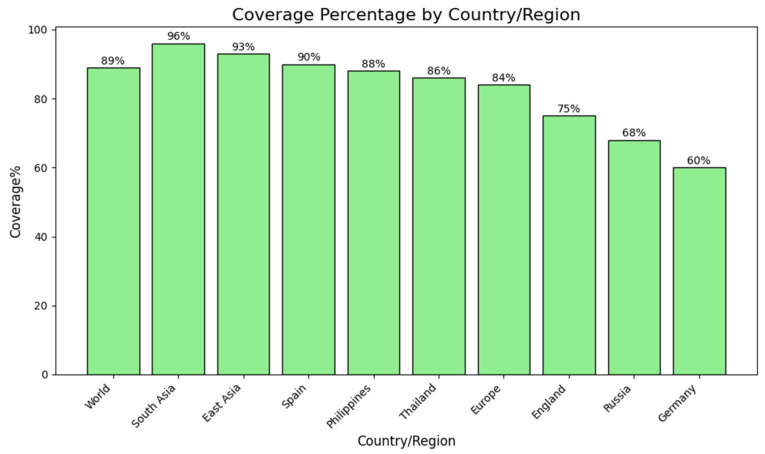 Figure 2
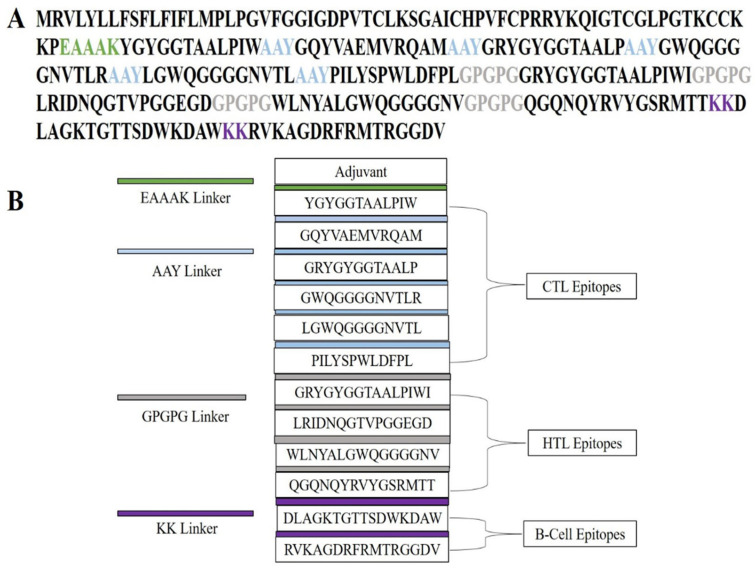 Figure 3
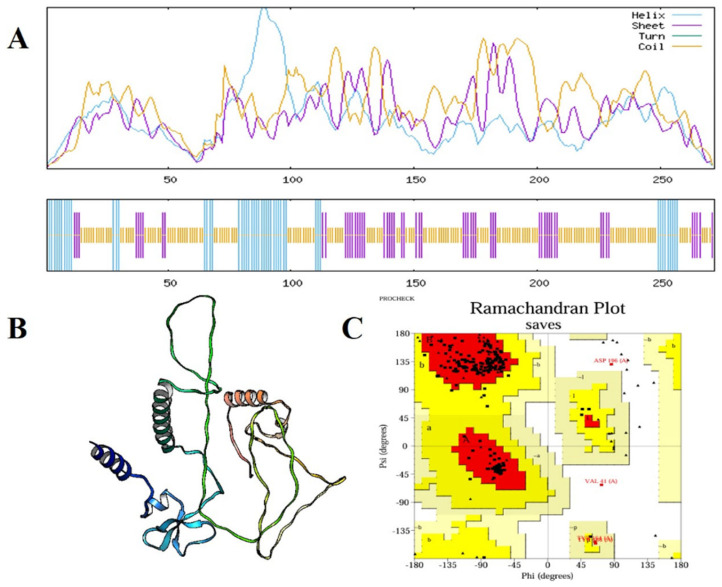 Figure 4
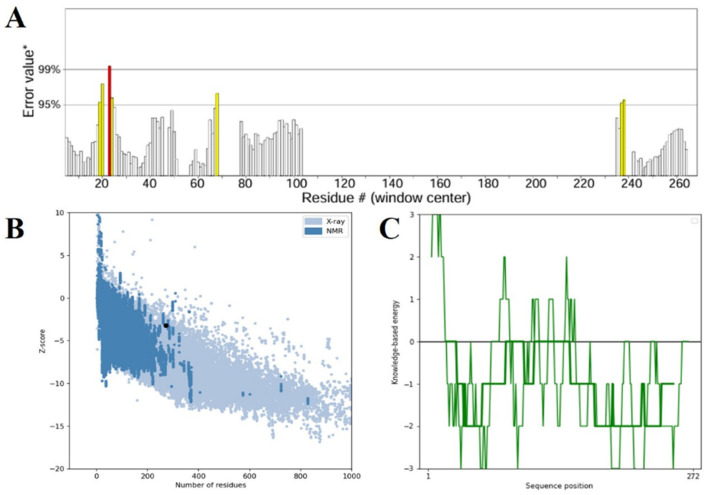 Figure 5
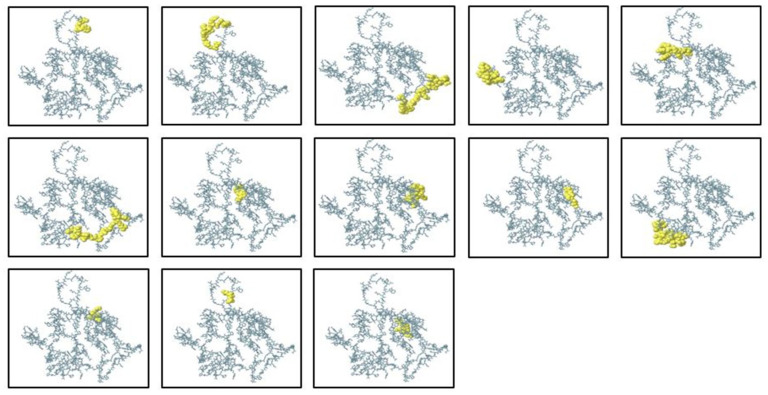 Figure 6
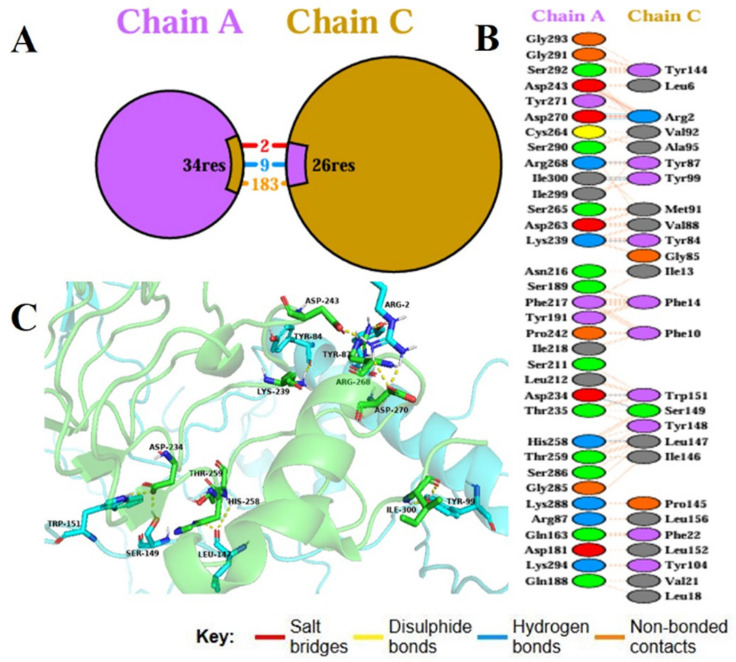 Figure 7
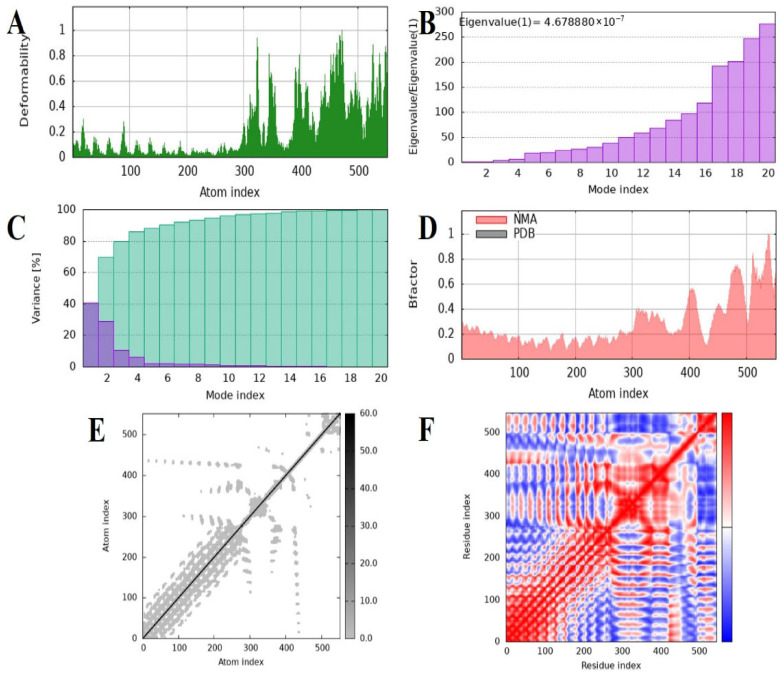 Figure 8
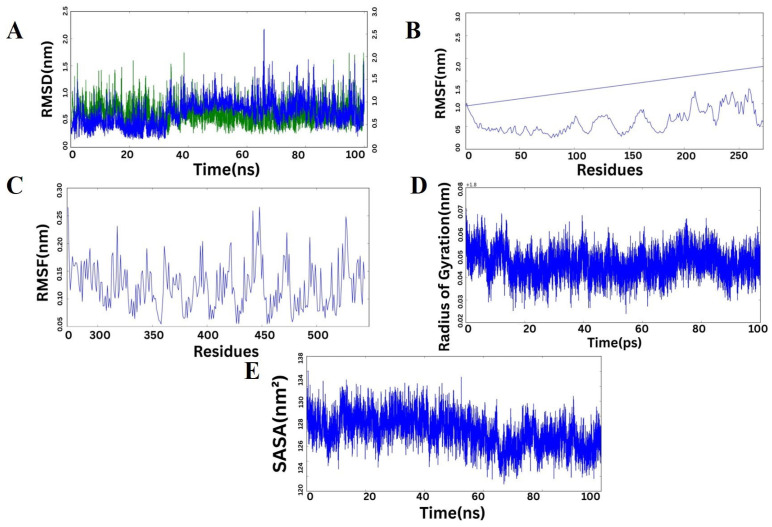 Figure 9
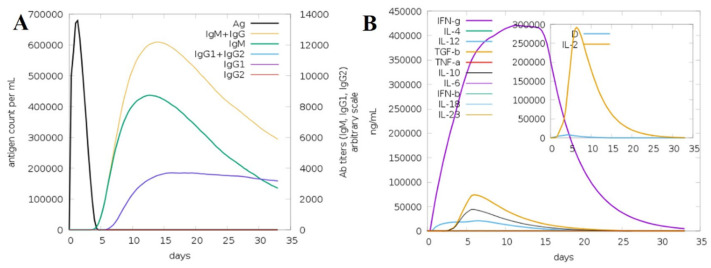 Figure 10
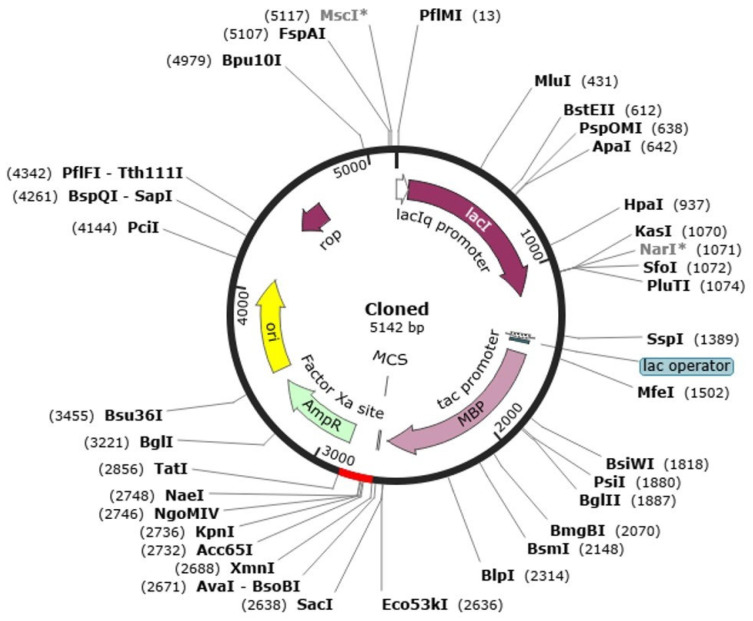 Figure 11
Peer Reviews
No public reviews on file for this paper yet. If you reviewed it on a platform where reviews are public (OpenReview, ICLR, NeurIPS, ICML), you can paste yours below so the community can read it here.
Videos
No videos yet. Explain this paper in a talk, walkthrough, or lecture? Add one.
Taxonomy
Topicsvaccines and immunoinformatics approaches · Microbial Metabolism and Applications · Cancer Research and Treatments