Factors Affecting the Treatment Heterogeneity of PPARγ and Pan-PPAR Agonists in Type 2 Diabetes Mellitus: A Systematic Review and Machine Learning-Based Meta-Regression Analysis
Xinlei Zhang, Yingning Liu, Ming Chu, Linong Ji, Xiantong Zou

TL;DR
This study identifies factors like female sex, younger age, and lower HDL-C levels that predict better treatment response to PPARγ and pan-PPAR agonists in type 2 diabetes.
Contribution
The study introduces a machine learning-based meta-regression approach to identify clinical predictors of treatment response to PPARγ and pan-PPAR agonists.
Findings
Female sex, younger age, and lower HDL-C levels are significantly associated with greater HbA1c reduction.
Lower HDL-C and higher female proportion are linked to greater FPG reduction with PPARγ and pan-PPAR agonists.
Meta-random forest models confirm these variables as top predictors of drug response.
Abstract
Background/Objectives: Significant heterogeneity in the treatment response to peroxisome proliferator-activated receptor γ (PPARγ) agonists exists, and predictive factors for their efficacy remain unclear. We aimed to assess the relationships between routinely available clinical features and the efficacy of PPARγ agonists and pan-PPAR agonists by meta-regression analysis. Methods: We searched PubMed, Embase, Cochrane Library, ClinicalTrials.gov and the WHO International Clinical Trials Registry Platform (ICTRP) and included randomised controlled trials involving type 2 diabetes patients with 12-week or longer treatment durations with PPARγ agonists or pan-PPAR agonists published before 11 November 2023 (PROSPERO registration number: CRD42024578987). We conducted mixed-effect meta-regression analyses between baseline variables and treatment response. Moreover, we developed a machine…
Genes, proteins, chemicals, diseases, species, mutations and cell lines named across the full text — each resolved to its canonical identifier and authoritative record.
Click any figure to enlarge with its caption.
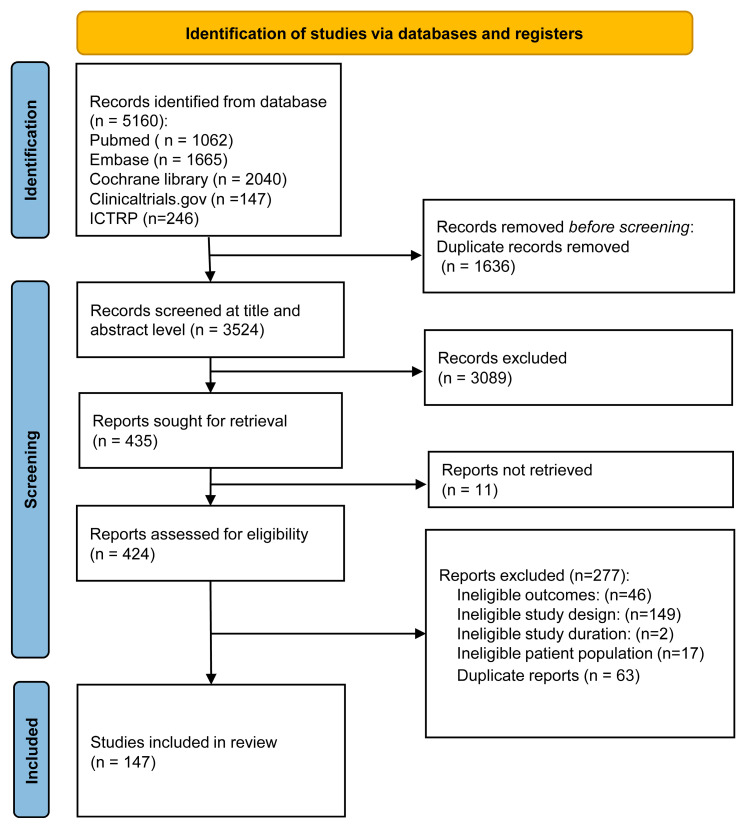 Figure 1
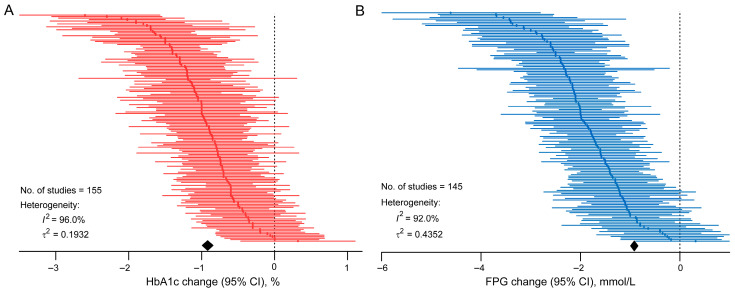 Figure 2
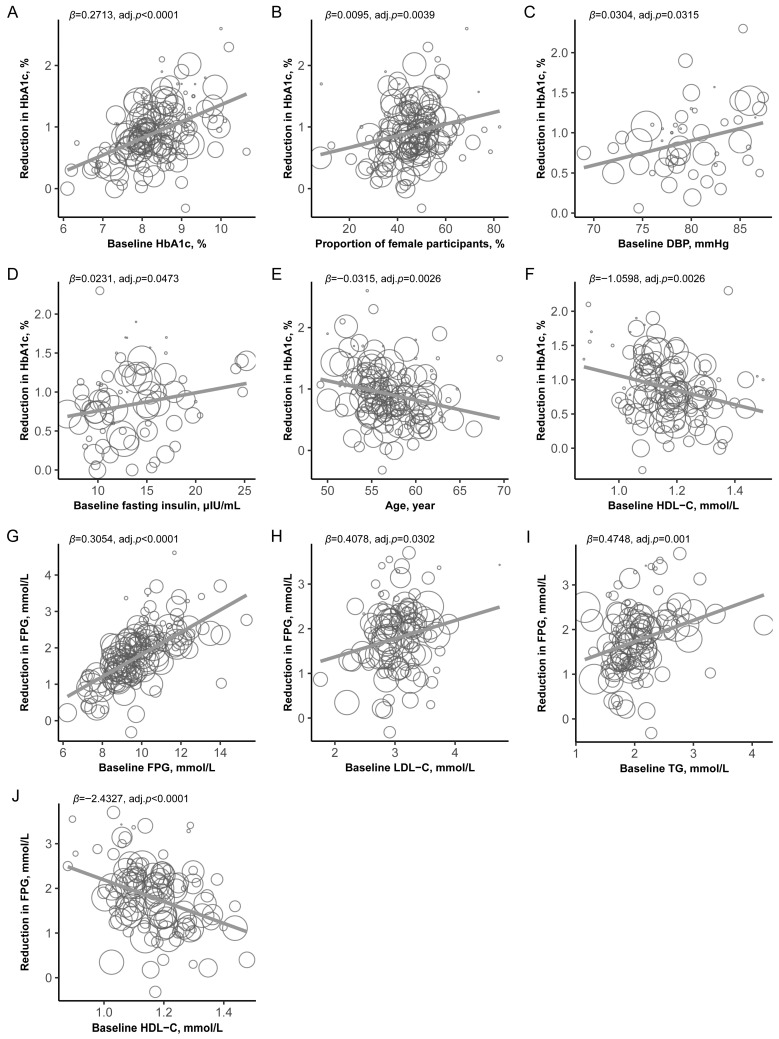 Figure 3
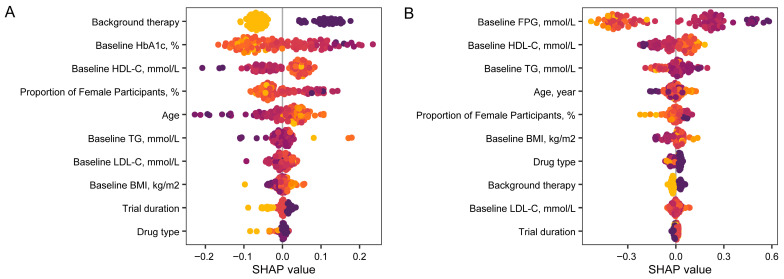 Figure 4
Peer Reviews
No public reviews on file for this paper yet. If you reviewed it on a platform where reviews are public (OpenReview, ICLR, NeurIPS, ICML), you can paste yours below so the community can read it here.
Videos
No videos yet. Explain this paper in a talk, walkthrough, or lecture? Add one.
Taxonomy
TopicsPeroxisome Proliferator-Activated Receptors · Cardiovascular Function and Risk Factors · Cardiovascular Disease and Adiposity