Iron Regulatory Mechanism IRE/IRP-like in Two Protozoa of Importance to Human Health, Entamoeba histolytica and Giardia duodenalis
Jesús Gabriel León-Beltrán, Sarita Montaño, Rossana Arroyo, Daniela Estrada-Ramírez, Nidia León-Sicairos, Adrián Canizalez-Román, María Angélica Sánchez-González, José Antonio Garzón-Tiznado, Claudia León-Sicairos

TL;DR
This review discusses how iron regulates gene expression in two harmful protozoa, Entamoeba histolytica and Giardia duodenalis, and explores a possible IRE/IRP-like mechanism in these parasites.
Contribution
The paper reviews evidence for an IRE/IRP-like iron regulatory mechanism in Giardia duodenalis, a novel possibility in this organism.
Findings
Stem-loop structures in mRNAs coding virulence proteins were identified in both parasites.
Iron levels influence the expression of virulence factors in Giardia duodenalis.
An IRE/IRP-like mechanism has been previously reported in Entamoeba histolytica.
Abstract
Protozoa use iron to grow, feed, and cause harm through elaborate mechanisms to obtain it from the host. In addition, expression of virulence genes is affected by iron. In Entamoeba histolytica, the parasite that causes amoebic dysentery and complications in human organs, our group have previously reported the presence of an IRE/IRP-like (Iron Responsive Element/Iron Regulatory Protein) mechanism. Giardia duodenalis is another parasite of medical interest that causes giardiasis, including nutrient malabsorption syndrome and dysbiosis, among other complications, such as anemia in children with giardiasis. Moreover, expression of many putative giardial virulence factors by free-iron levels has been reported. Recently, we have reported stem-loop structures in some mRNAs coding virulence proteins from both parasites. However, much remains to be studied about the role of iron in…
Genes, proteins, chemicals, diseases, species, mutations and cell lines named across the full text — each resolved to its canonical identifier and authoritative record.
Click any figure to enlarge with its caption.
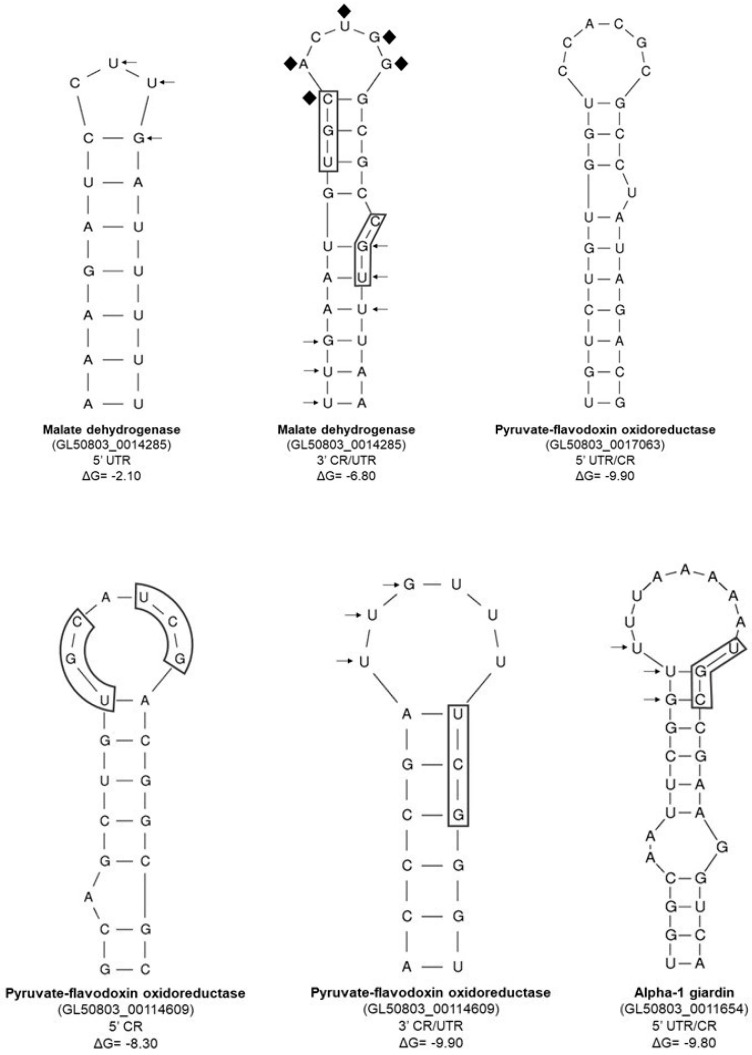 Figure 1
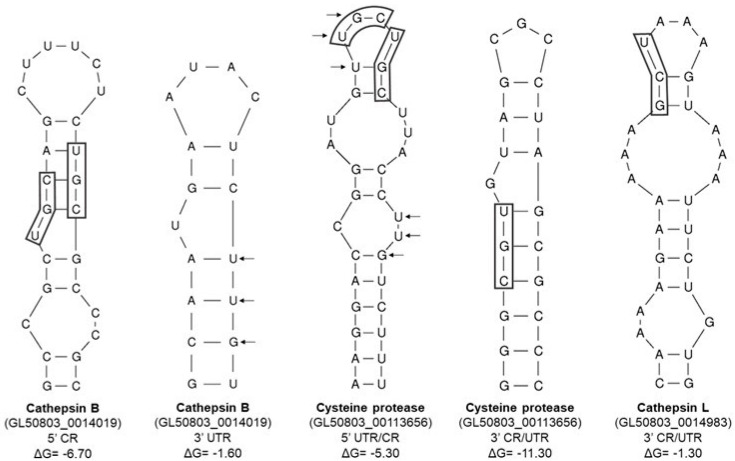 Figure 2
 Figure 3
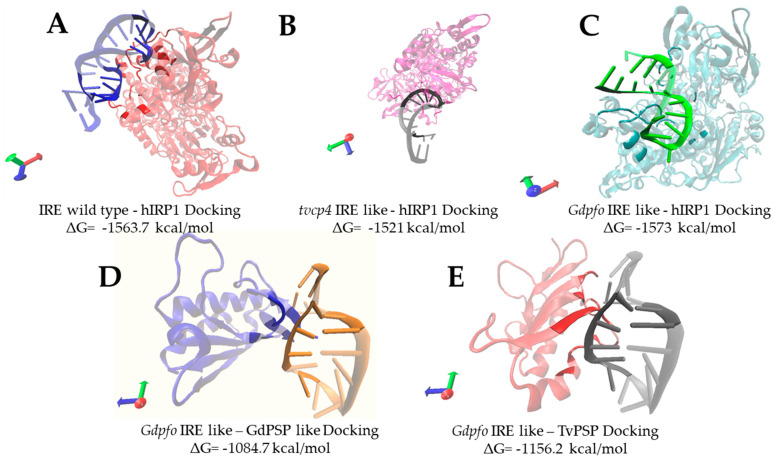 Figure 4
Peer Reviews
No public reviews on file for this paper yet. If you reviewed it on a platform where reviews are public (OpenReview, ICLR, NeurIPS, ICML), you can paste yours below so the community can read it here.
Videos
No videos yet. Explain this paper in a talk, walkthrough, or lecture? Add one.
Taxonomy
TopicsAmoebic Infections and Treatments · Parasitic Infections and Diagnostics · Parasites and Host Interactions