Potentiation of the Pharmacological Effects of an Aristolochia clematitis L. Extract by Loading into Liposomes Facilitating Release to HaCaT Cells
Laura Grațiela Vicaș, Nicole Alina Marian, Diana Haj Ali, Narcis Duteanu, Paula Svera, Cristina Dehelean, Ana-Maria Vlase, Olimpia-Daniela Frenț, Ioana-Lavinia Dejeu, Rodica Anamaria Negrean, Răzvan Mihai Oros, Luminița Fritea, Andreea Smeu, Mariana Eugenia Mureșan

TL;DR
This study shows that encapsulating an Aristolochia clematitis extract in liposomes improves its topical effectiveness and safety for skin cells.
Contribution
The novel approach of liposome encapsulation enhances the therapeutic potential of a plant extract while mitigating its toxic effects.
Findings
Liposome encapsulation achieved over 82% entrapment efficiency and controlled release of flavonoids.
The extract showed antimicrobial activity against several bacterial strains.
HaCaT cells tolerated the liposome-loaded extract with minimal viability reduction and no morphological changes.
Abstract
Background: Aristolochia clematitis L. (AC), a plant with diverse traditional uses, has gained increasing scientific interest due to its rich content of bioactive compounds such as flavonoids and polyphenols. However, its systemic use is limited by the presence of aristolochic acids, which are known for their nephrotoxic and carcinogenic potential. Methods: In this context, the present study investigates the therapeutic potential of A. clematitis extract by encapsulating it in liposomes with the aim of enhancing its topical efficacy. Results: The extract was characterized in terms of its flavonoid content (67.23 ± 0.33 mg QE/g DW (quercetin/dry plant material)) and polyphenols expressed as gallic acid equivalents (64.38 ± 0.16 mg GAE/g DW), as well as its antioxidant capacity using the reagents 1,1-diphenyl-2-picrylhydrazyl (DPPH − IC50 = 0.1619 mg/mL extract) and diammonium…
Genes, proteins, chemicals, diseases, species, mutations and cell lines named across the full text — each resolved to its canonical identifier and authoritative record.
Click any figure to enlarge with its caption.
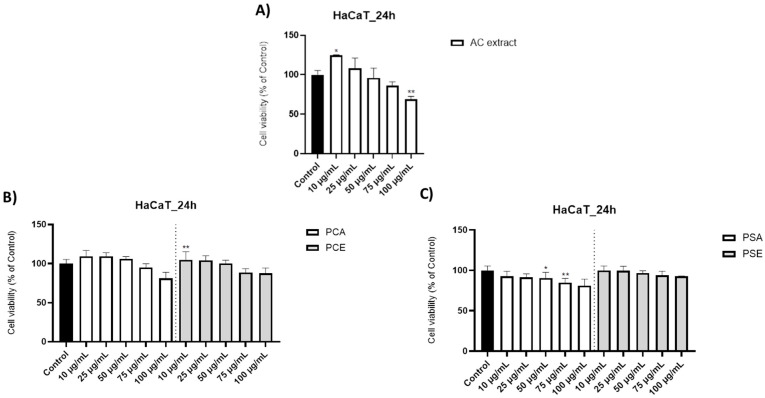 Figure 1
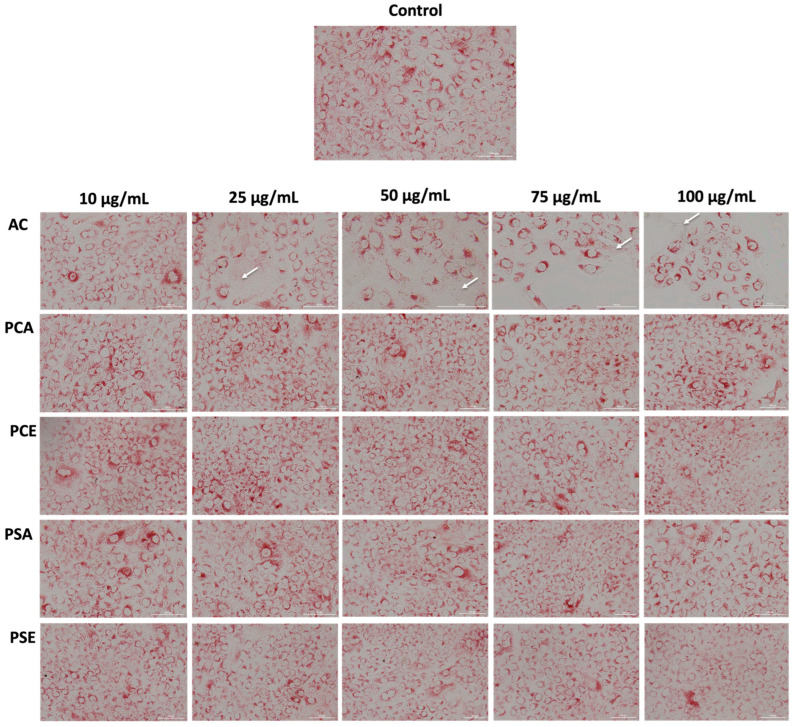 Figure 2
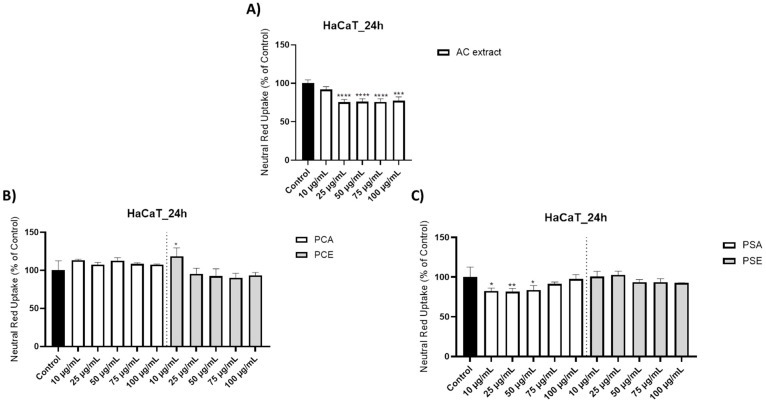 Figure 3
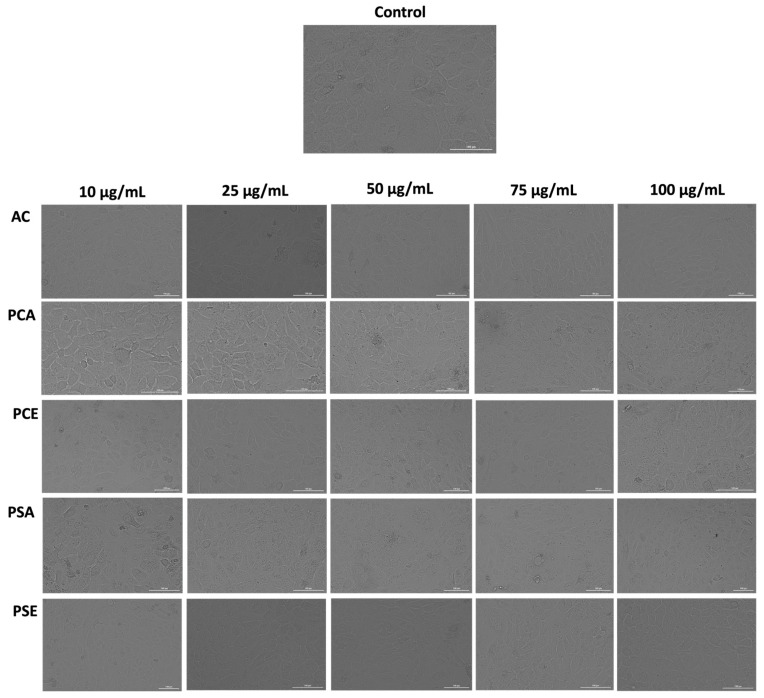 Figure 4
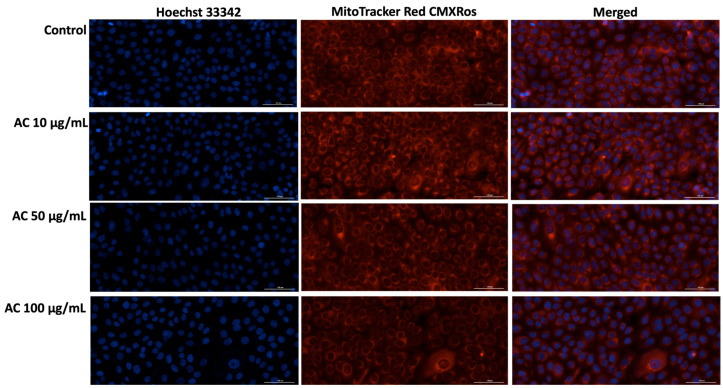 Figure 5
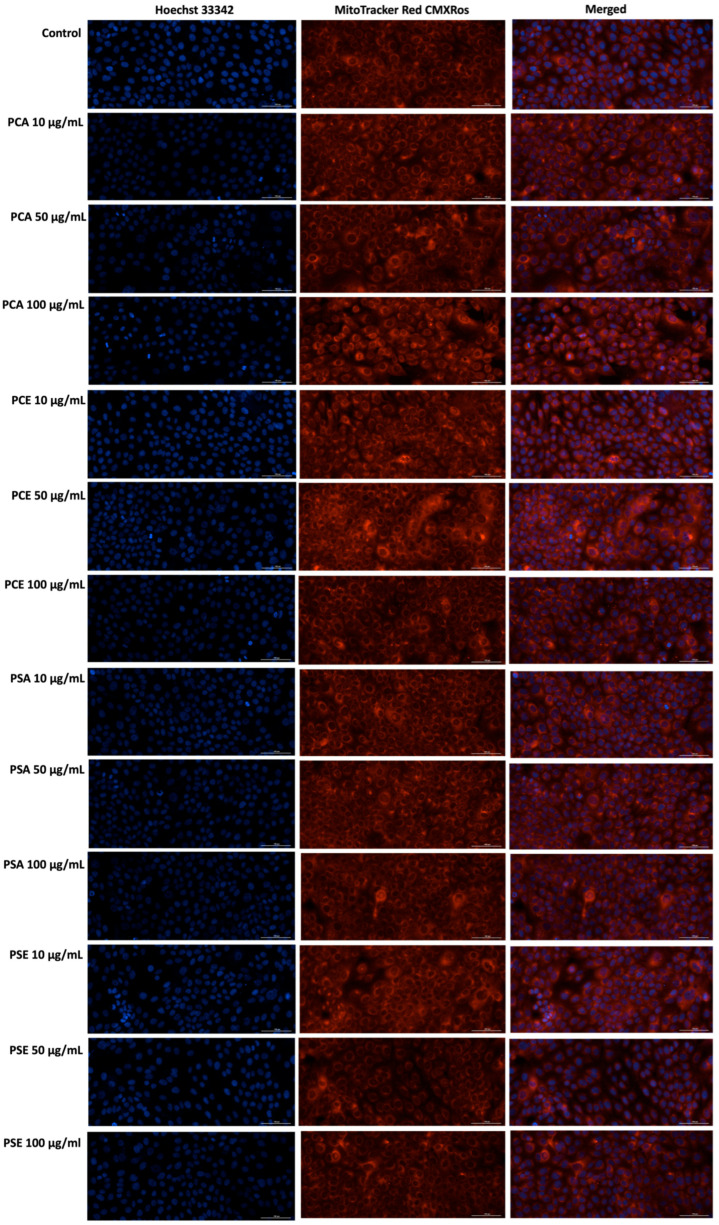 Figure 6
Peer Reviews
No public reviews on file for this paper yet. If you reviewed it on a platform where reviews are public (OpenReview, ICLR, NeurIPS, ICML), you can paste yours below so the community can read it here.
Videos
No videos yet. Explain this paper in a talk, walkthrough, or lecture? Add one.
Taxonomy
TopicsNephrotoxicity and Medicinal Plants · Traditional Chinese Medicine Analysis · Phytochemistry and Biological Activities