Combined Effects of Gallic Acid Supplementation and Physical Training on Body Composition and Biochemical Parameters in Obese Patients: A Randomized, Double-Blinded, Placebo-Controlled Clinical Trial
Bruna Kaicy Barbosa, Daniel Vinicius Alves Silva, Gislaine Candida Batista-Jorge, Berenilde Valéria de Oliveira Souza, Antônio Sérgio Barcala-Jorge, André Luiz Sena Guimarães, Alfredo Maurício Batista de Paula, João Marcus Oliveira Andrade, Sérgio Henrique Sousa Santos

TL;DR
This study found that combining gallic acid supplements with physical exercise can improve body composition and reduce abdominal fat in obese individuals.
Contribution
The novel contribution is demonstrating the combined effects of gallic acid supplementation and physical training on body composition and biochemical markers in obese patients.
Findings
Gallic acid plus exercise reduced waist-to-hip ratio and waist circumference in obese participants.
The combination led to decreased skinfold thickness at pectoral and abdominal sites.
Biochemical improvements, including increased albumin levels, were observed in trained obese individuals.
Abstract
Background/Objectives: Obesity has been linked to cardiometabolic alterations and deteriorated body composition. Gallic acid, a polyphenol with antioxidant properties, may influence these parameters; however, there is limited clinical data. The aim of this study was to evaluate the effects of gallic acid supplementation combined with physical exercise in obese individuals. Methods: A randomized, double-blind, placebo-controlled clinical trial with 150 participants recruited and divided into eight groups according to nutritional status (eutrophic or obese), supplementation (gallic acid 200 mg/day vs. placebo), and physical exercise (trained vs. untrained) for 12 weeks. Body composition, anthropometry, and serum biomarkers were assessed before and after the intervention. Data were analyzed using repeated-measures ANOVA. Results: A total of 107 participants completed the final assessment.…
Genes, proteins, chemicals, diseases, species, mutations and cell lines named across the full text — each resolved to its canonical identifier and authoritative record.
Click any figure to enlarge with its caption.
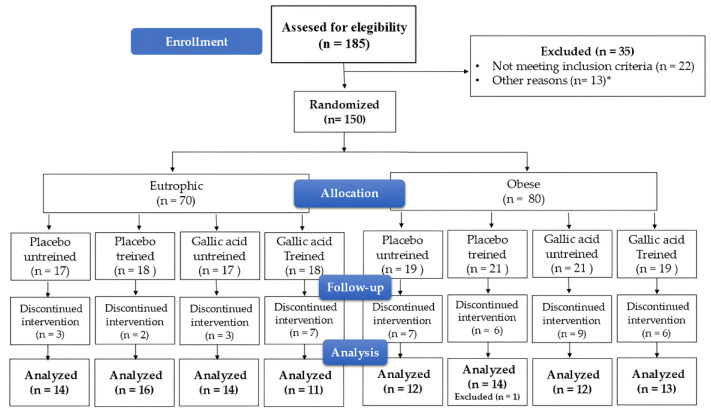 Figure 1
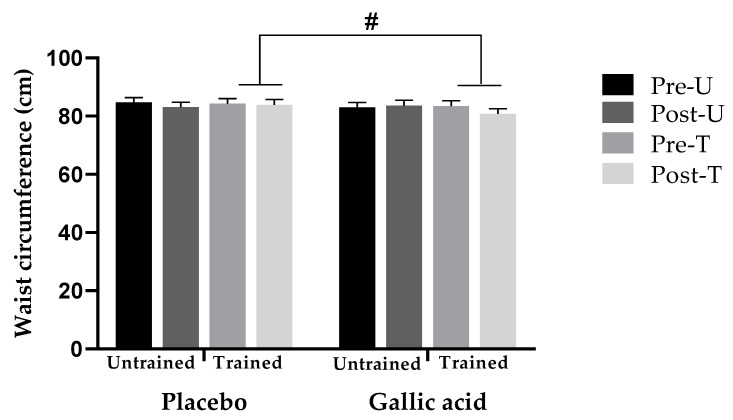 Figure 2
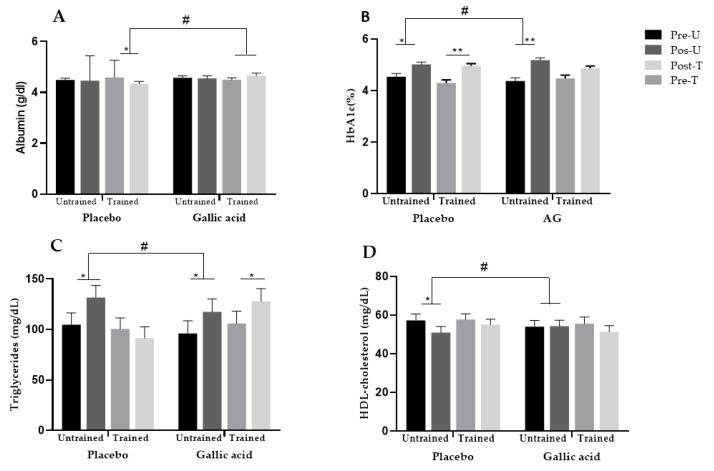 Figure 3
Peer Reviews
No public reviews on file for this paper yet. If you reviewed it on a platform where reviews are public (OpenReview, ICLR, NeurIPS, ICML), you can paste yours below so the community can read it here.
Videos
No videos yet. Explain this paper in a talk, walkthrough, or lecture? Add one.
Taxonomy
TopicsTannin, Tannase and Anticancer Activities · Phytochemicals and Antioxidant Activities · Tea Polyphenols and Effects