High Prevalence of Anthropometric-Only Obesity and Cardiometabolic Risk: Evidence from a Population-Based Study
Vilma Kriaučionienė, Asta Raskilienė, Lina Šnipaitienė, Dalia Lukšienė, Abdonas Tamošiūnas, Ričardas Radišauskas, Vaiva Lesauskaitė, Janina Petkevičienė

TL;DR
A new obesity definition using BMI and body measurements reveals a high prevalence of a hidden obesity type in Lithuania, linked to serious health risks.
Contribution
Introduces a new obesity classification combining BMI and anthropometric measures to better identify cardiometabolic risks.
Findings
36.1% of males and 22.7% of females had anthropometric-only obesity.
Anthropometric-only obesity was strongly linked to metabolic syndrome and diabetes.
BMI-plus-anthropometric obesity showed the highest cardiometabolic risk.
Abstract
Background/Objectives: The Lancet Commission proposes a new obesity definition that combines body mass index (BMI) with anthropometric measurements to distinguish adipose tissue excess more effectively. This study aims to determine the prevalence of obesity based on the new definition and to examine cardiometabolic risk factors and lifestyle habits across different obesity phenotypes in the urban population of Lithuania. Methods: This study was conducted among residents of Kaunas city from 2020 to 2024. A total of 3426 adults aged 25–69 years (57.1% of the random sample) were participated. Three individuals were excluded due to missing anthropometric data. Participants were categorized into three phenotypes: (1) no obesity (BMI < 30 kg/m2 and no or one elevated anthropometric measure, (2) anthropometric-only obesity (BMI < 30 kg/m2 and at least 2 elevated anthropometric measures), and…
Genes, proteins, chemicals, diseases, species, mutations and cell lines named across the full text — each resolved to its canonical identifier and authoritative record.
Click any figure to enlarge with its caption.
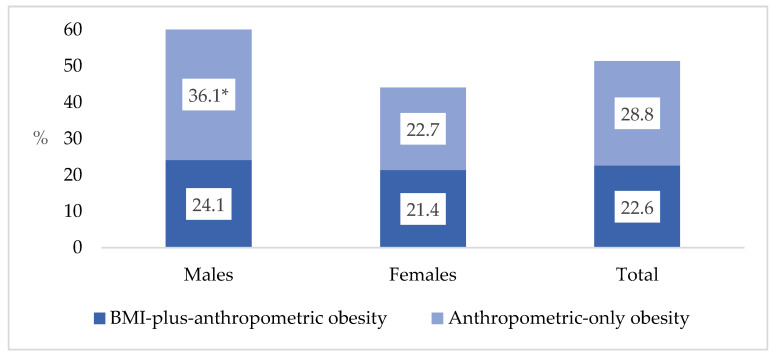 Figure 1
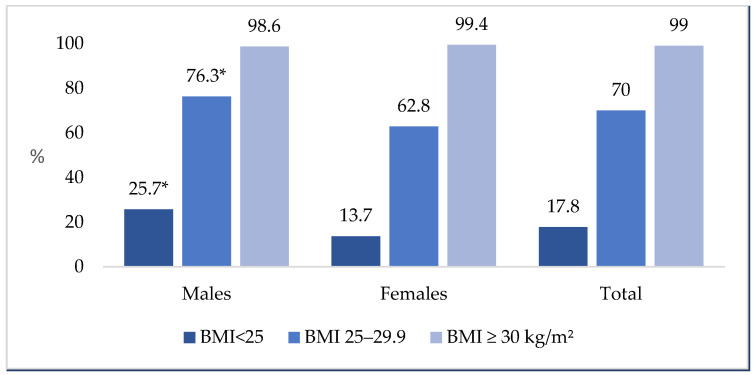 Figure 2
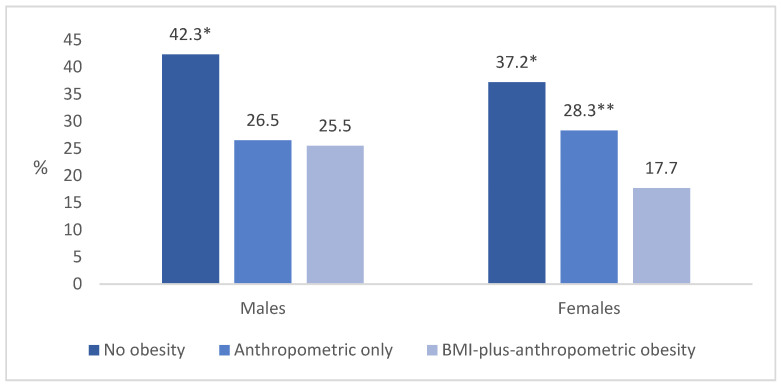 Figure 3
Peer Reviews
No public reviews on file for this paper yet. If you reviewed it on a platform where reviews are public (OpenReview, ICLR, NeurIPS, ICML), you can paste yours below so the community can read it here.
Videos
No videos yet. Explain this paper in a talk, walkthrough, or lecture? Add one.
Taxonomy
TopicsBody Composition Measurement Techniques · Adipose Tissue and Metabolism · Diabetes, Cardiovascular Risks, and Lipoproteins