Best Practices for the Nutritional Management of Infantile-Onset Lysosomal Acid Lipase Deficiency: A Case-Based Discussion
Fiona J. White, Javier de las Heras, Celia Rodríguez-Borjabad, Simon A. Jones, Alexander Y. Kim, Jenna Moore, Florian Abel, Laura Frank, Rosie Jones, Suresh Vijay

TL;DR
This paper discusses best practices for managing the rare genetic disorder infantile-onset LAL-D through nutrition and enzyme replacement therapy to improve survival and quality of life.
Contribution
The paper provides updated, case-based guidance for optimal nutritional management of infantile-onset LAL-D.
Findings
Combining enzyme replacement therapy with nutritional management improves growth, gut function, and liver health.
Substrate reduction therapy is essential for reducing systemic inflammation and improving survival.
A multidisciplinary team is necessary to manage the complex, multisystemic nature of LAL-D.
Abstract
Infantile-onset lysosomal acid lipase deficiency (LAL-D) (Wolman disease, historically) is a rare inherited, rapidly progressive disorder caused by pathogenic variants in the LIPA gene, which encodes the enzyme LAL. LAL is essential for the metabolism of cholesteryl esters and triglycerides. LAL deficiency leads to the accumulation of cholesteryl esters and triglycerides within the lysosomes, macrophages, and parenchymal cells in most tissue types, including those in the liver, gastrointestinal tract, and lymph nodes but excluding the central nervous system. Infants with rapidly progressive LAL-D present with gastrointestinal disturbance, adrenomegaly with calcification, hepatosplenomegaly, growth failure due to malabsorption, and systemic inflammation. If untreated, rapidly progressive LAL-D typically leads to death within the first year of life. Treatment takes the two-pronged…
Genes, proteins, chemicals, diseases, species, mutations and cell lines named across the full text — each resolved to its canonical identifier and authoritative record.
Click any figure to enlarge with its caption.
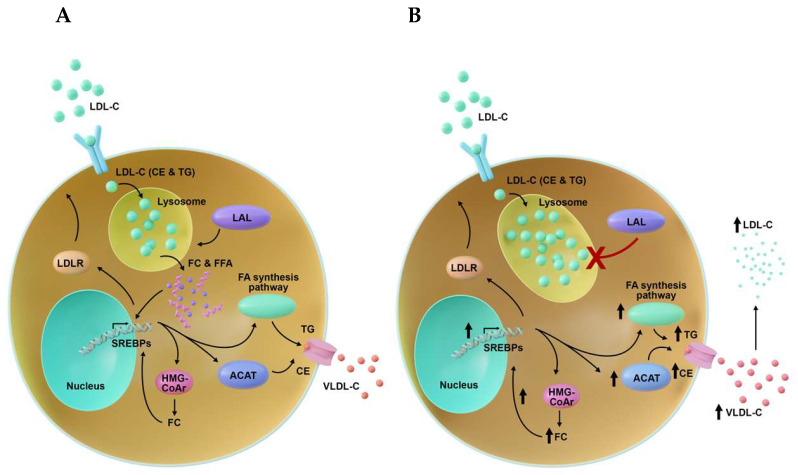 Figure 1
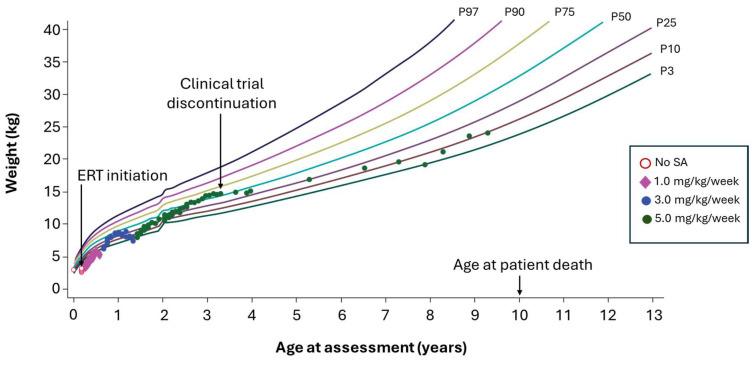 Figure 2
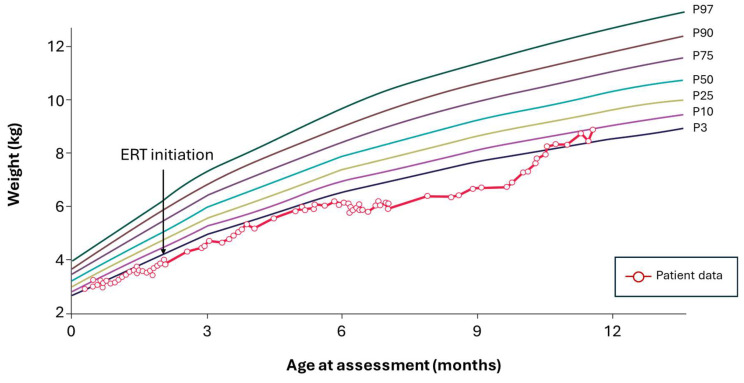 Figure 3
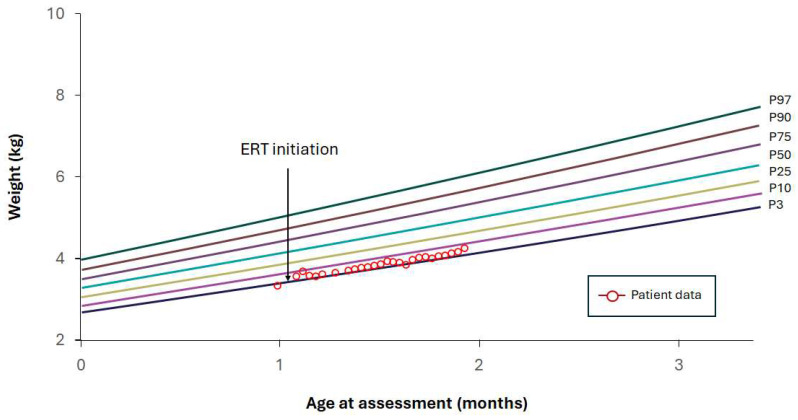 Figure 4
Peer Reviews
No public reviews on file for this paper yet. If you reviewed it on a platform where reviews are public (OpenReview, ICLR, NeurIPS, ICML), you can paste yours below so the community can read it here.
Videos
No videos yet. Explain this paper in a talk, walkthrough, or lecture? Add one.
Taxonomy
TopicsLysosomal Storage Disorders Research · Biomedical Research and Pathophysiology · Calcium signaling and nucleotide metabolism