Garlic-Derived S-allylcysteine Improves Functional Recovery and Neurotrophin Signaling After Brain Ischemia in Female Rats
Sandra Monserrat Bautista-Perez, Carlos Alfredo Silva-Islas, Maria-del-Carmen Cardenas-Aguayo, Obed-Ricardo Lora-Marín, Maria-del-Carmen Silva-Lucero, Arturo Avendaño-Estrada, Miguel A. Ávila-Rodríguez, Jacqueline V. Lara-Espinosa, Rogelio Hernández-Pando, Martha Menes-Arzate

TL;DR
Garlic compound SAC improves brain recovery after stroke in female rats by boosting cell growth and key brain signaling pathways.
Contribution
Demonstrates SAC's long-term recovery benefits in females via neurotrophin and signaling pathway activation post-stroke.
Findings
SAC reduced infarct area by 54.7% and improved motor deficits by 53.9%.
SAC increased Ki67-positive cells and enhanced neurotrophin levels in brain regions.
SAC activated TrkB, AKT, and ERK pathways in cortex and striatum.
Abstract
Background/Objectives: Ischemic stroke is a leading cause of death and disability, and neuroprotection therapies, or those that increase recovery, are not available. While the garlic-derived bioactive compound S-allyl cysteine (SAC) has shown neuroprotective properties, its subacute long-term effects remain underexplored, particularly in females. Methods: We evaluated whether SAC supports functional recovery after ischemia/reperfusion (IR), focusing on neurotrophin signaling, tropomyosin receptor kinase B (TrkB), protein kinase B (AKT), and extracellular signal-regulated kinase (ERK). Adult female Wistar rats underwent 1 h of ischemia and 15 days of reperfusion. SAC (100 mg/kg, i.p.) was administered at the onset of reperfusion and daily for 15 days. Motor and cognitive deficit tests were performed. Infarct area, Ki67, brain-derived neurotrophic factor (BDNF), vascular endothelial…
Genes, proteins, chemicals, diseases, species, mutations and cell lines named across the full text — each resolved to its canonical identifier and authoritative record.
Click any figure to enlarge with its caption.
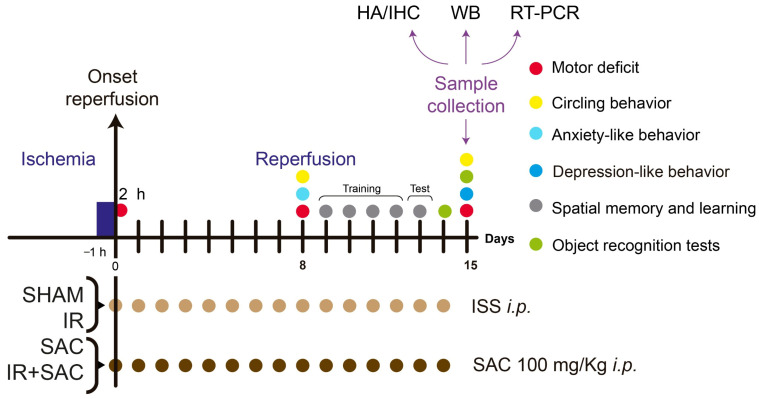 Figure 1
 Figure 2
 Figure 3
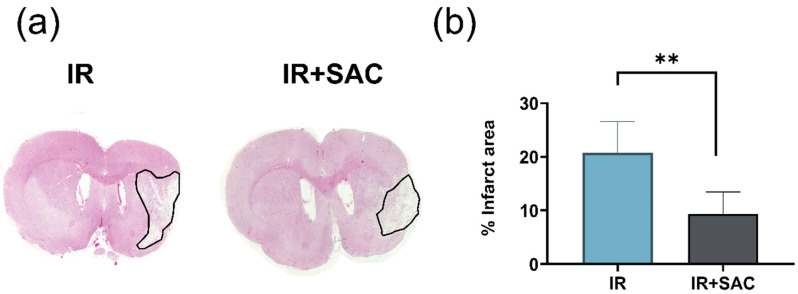 Figure 4
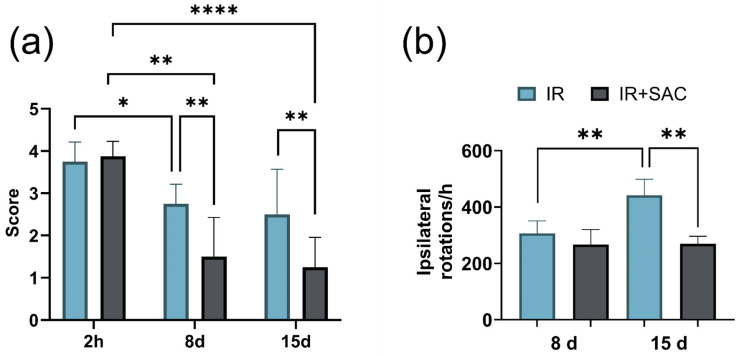 Figure 5
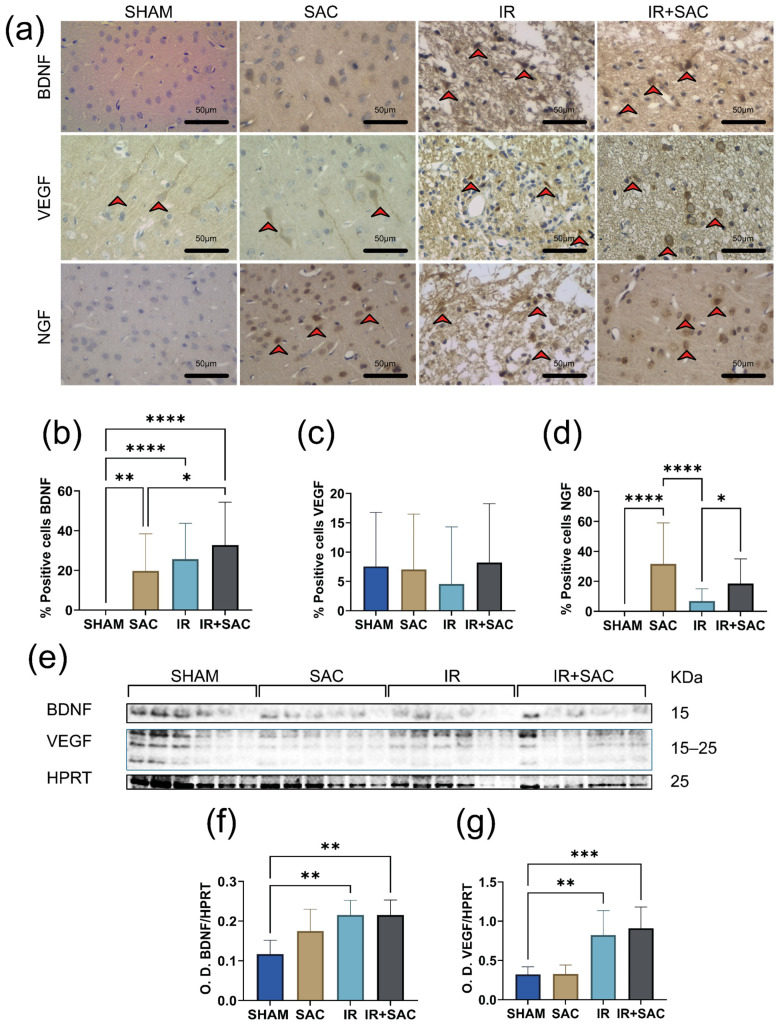 Figure 6
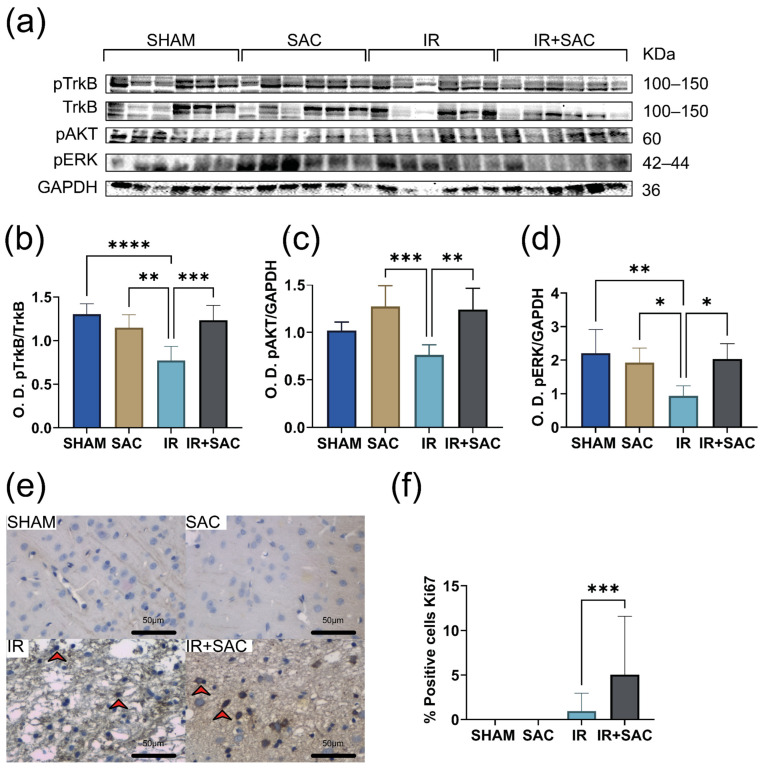 Figure 7
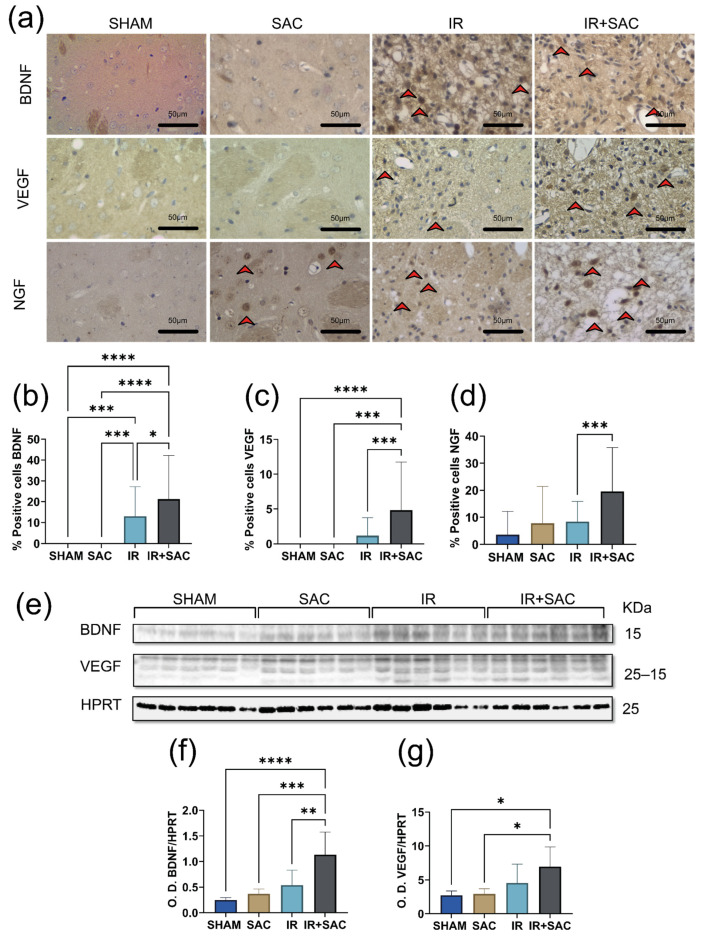 Figure 8
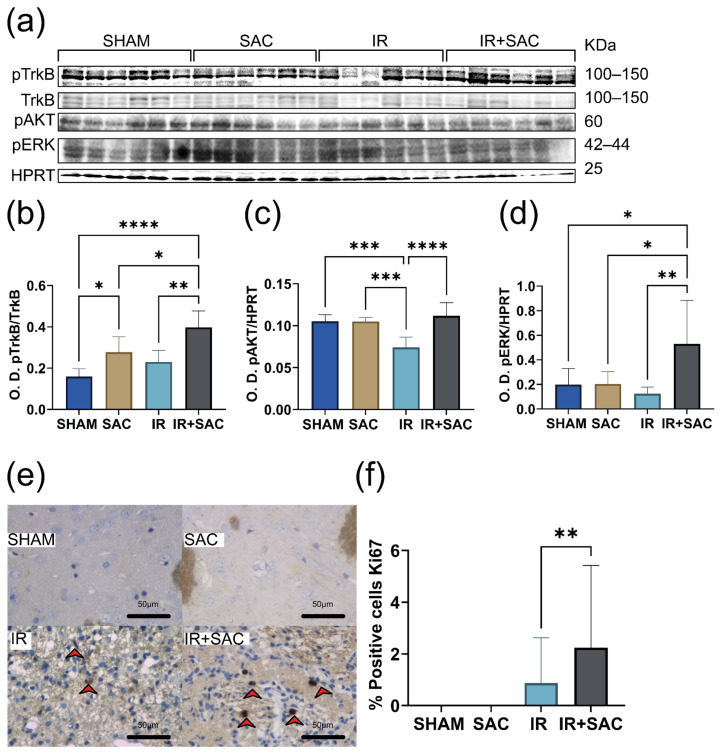 Figure 9
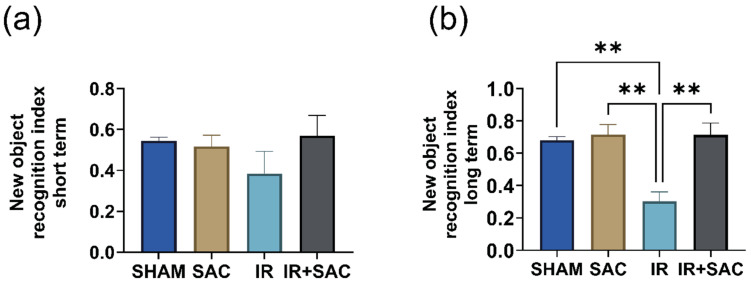 Figure 10
Peer Reviews
No public reviews on file for this paper yet. If you reviewed it on a platform where reviews are public (OpenReview, ICLR, NeurIPS, ICML), you can paste yours below so the community can read it here.
Videos
No videos yet. Explain this paper in a talk, walkthrough, or lecture? Add one.
Taxonomy
TopicsGarlic and Onion Studies · Bioactive Compounds in Plants · Hops Chemistry and Applications