Development of Novel Proline- and Pipecolic Acid-Based Allosteric Inhibitors of Dengue and Zika Virus NS2B/NS3 Protease
Josè Starvaggi, Carla Di Chio, Johannes Lang, Valentina Belgiovine, Daniela Trisciuzzi, Santo Previti, Christian Klein, Orazio Nicolotti, Salvatore Di Maro, Maria Zappalà, Roberta Ettari

TL;DR
This study develops new small molecule inhibitors targeting the NS2B/NS3 protease of dengue and Zika viruses, showing promising antiviral activity and selectivity.
Contribution
The paper introduces novel proline- and pipecolic acid-based allosteric inhibitors with improved cellular efficacy and selectivity for flaviviral proteases.
Findings
S-proline derivatives with trifluoromethyl groups showed high potency against dengue virus NS2B/NS3 protease.
R-configured pipecolic acid derivatives demonstrated strong cellular efficacy in a dengue virus reporter gene assay.
All compounds were non-toxic and selective for the viral protease over other serine proteases.
Abstract
Background: In this study, we report a novel series of proline- and pipecolic acid-based small molecules designed as allosteric inhibitors of the NS2B/NS3 serine proteases from dengue and Zika viruses, key targets in antiviral drug discovery. Results: Enzymatic studies revealed that S-proline derivatives bearing electron-withdrawing substituents on the aromatic ring, particularly that with a trifluoromethyl group in meta position (i.e., compound 3, IC50 = 5.0 µM), were the most potent against DENV NS2B/NS3, while nitro-substituted inhibitors were mostly effective only against the ZIKV protease. R-configured pipecolic acid-based derivatives were the only ones active against DENV NS2B/NS3, even if the mid-micromolar range; however, they demonstrated improved cellular efficacy since inhibitors 24 and 27 exhibiting strong activity in a DENV2 protease reporter gene assay (EC50 = 5.2 and 5.1…
Genes, proteins, chemicals, diseases, species, mutations and cell lines named across the full text — each resolved to its canonical identifier and authoritative record.
Click any figure to enlarge with its caption.
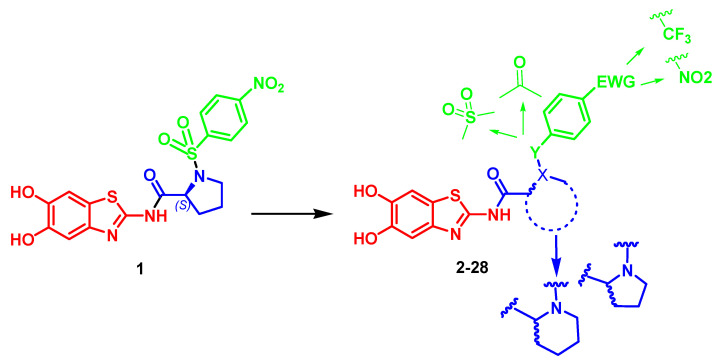 Figure 1
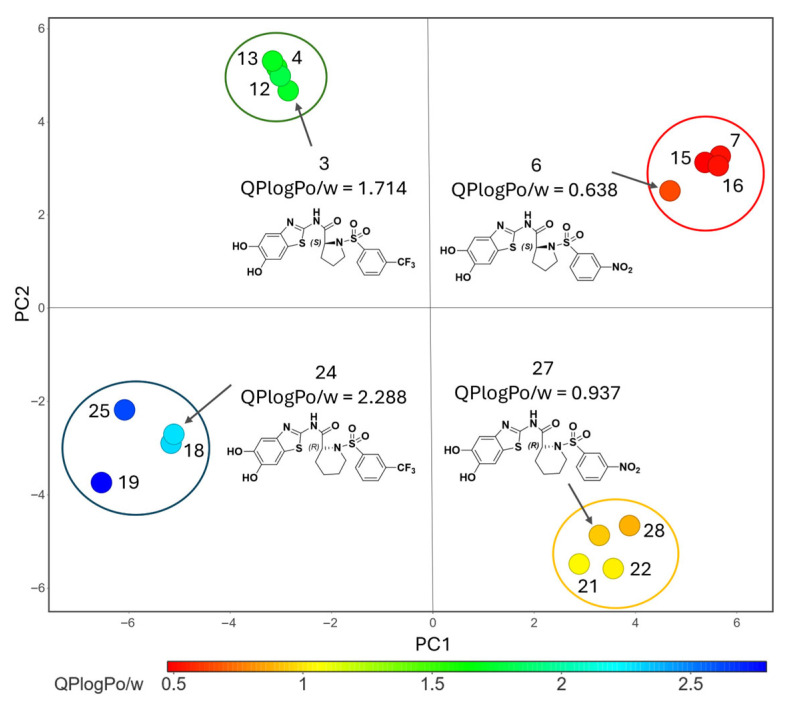 Figure 2
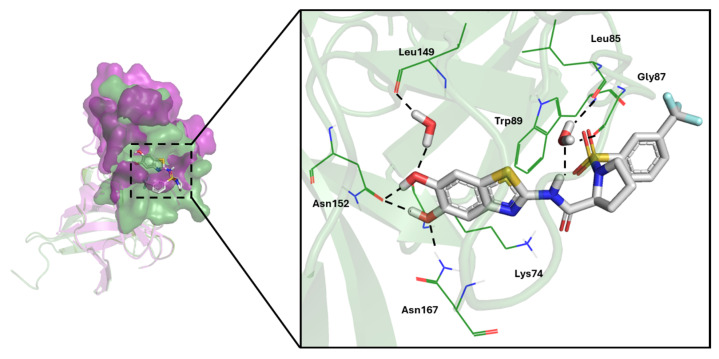 Figure 3
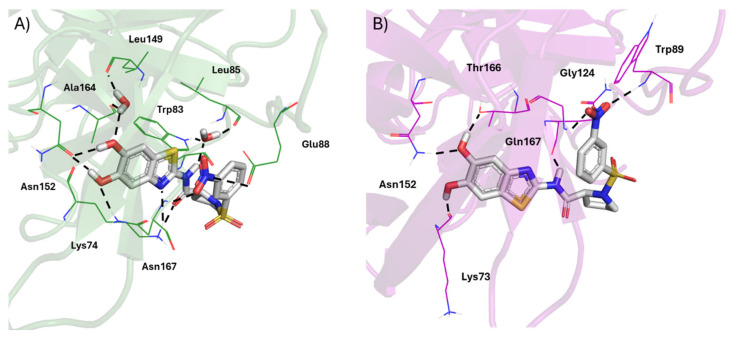 Figure 4
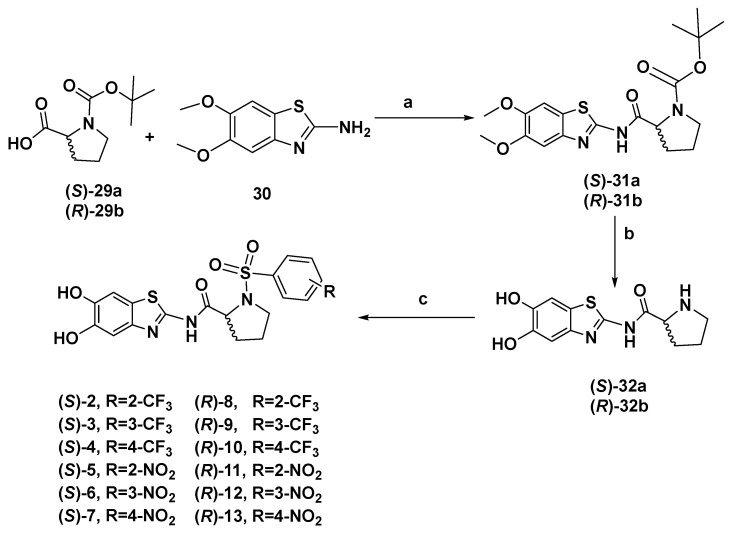 Figure 5
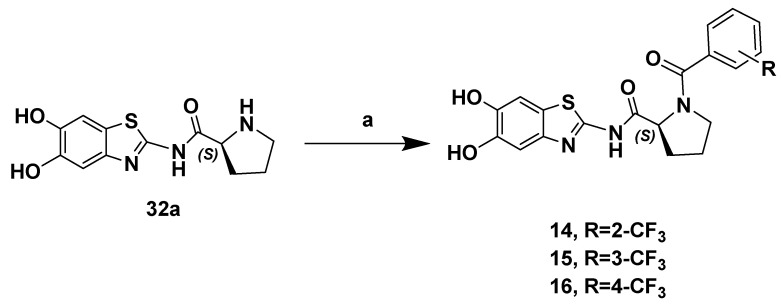 Figure 6
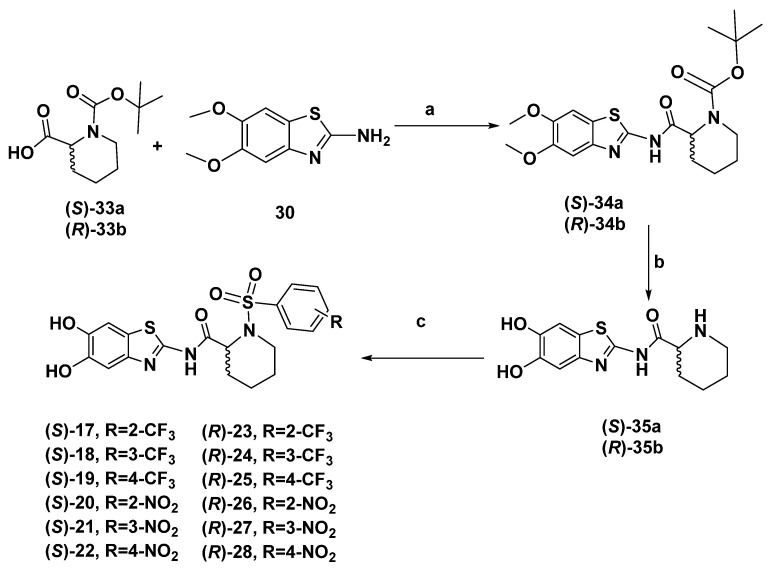 Figure 7
Peer Reviews
No public reviews on file for this paper yet. If you reviewed it on a platform where reviews are public (OpenReview, ICLR, NeurIPS, ICML), you can paste yours below so the community can read it here.
Videos
No videos yet. Explain this paper in a talk, walkthrough, or lecture? Add one.
Taxonomy
TopicsMosquito-borne diseases and control · Malaria Research and Control · Traditional and Medicinal Uses of Annonaceae