New Copper (II) Complexes Based on 1,4-Disubstituted-1,2,3-Triazole Ligands with Promising Antileishmanial Activity
João P. C. Nascimento, Natali L. Faganello, Karolina F. Freitas, Leandro M. C. Pinto, Amarith R. das Neves, Diego B. Carvalho, Carla C. P. Arruda, Sidnei M. Silva, Rita C. F. Almeida, Amilcar M. Júnior, Davi F. Back, Lucas Pizzuti, Sumbal Saba, Jamal Rafique

TL;DR
Scientists developed new copper complexes that show strong potential as treatments for leishmaniasis, a deadly parasitic disease.
Contribution
The study introduces novel copper (II) complexes with 1,4-disubstituted-1,2,3-triazole ligands showing high antileishmanial activity.
Findings
Complex 1 exhibited a 6-fold higher potency than amphotericin B and 33-fold higher than pentamidine against Leishmania amastigotes.
Complex 1 showed a selectivity index of 9.7, meeting criteria for a lead compound in drug development.
Both complexes demonstrated high stability in DMSO solution, suitable for biological testing.
Abstract
Background/Objectives: Leishmaniasis constitutes one of the most fatal parasitic diseases globally, adversely impacting the health of individuals residing in both intertropical and temperate zones. In these geographical areas, the administration of treatment is often inconsistent and largely ineffective with the available pharmaceuticals, as these exhibit more pronounced side effects than the therapeutic advantages they purport to provide. Methods: Consequently, the current investigation seeks to engage in molecular modeling of novel pharmacological candidates incorporating 1,2,3 disubstituted triazole moieties, coordinated with CuII metal centers, in pursuit of promising bioactive properties. Results: Two complexes were prepared and X-ray analysis revealed a comparable structural configuration surrounding the copper (II) atom. The planar square coordination geometry was elucidated…
Genes, proteins, chemicals, diseases, species, mutations and cell lines named across the full text — each resolved to its canonical identifier and authoritative record.
Click any figure to enlarge with its caption.
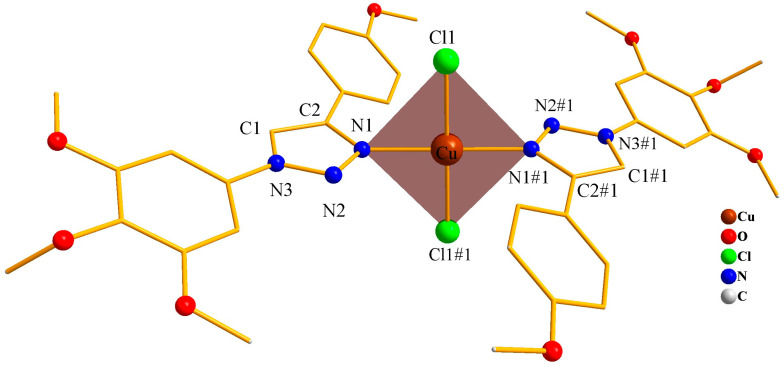 Figure 1
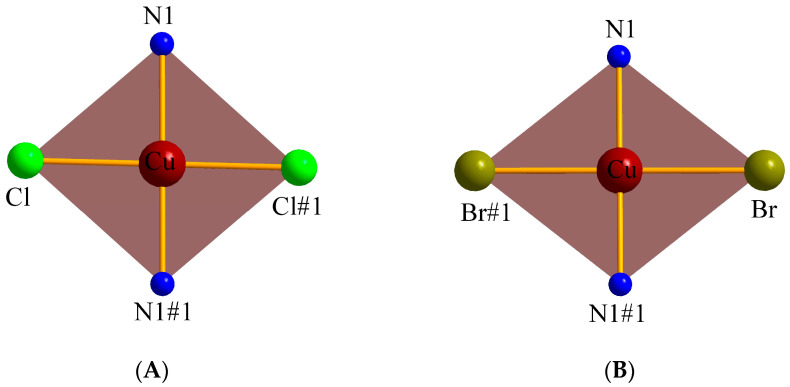 Figure 2
 Figure 3
 Figure 4
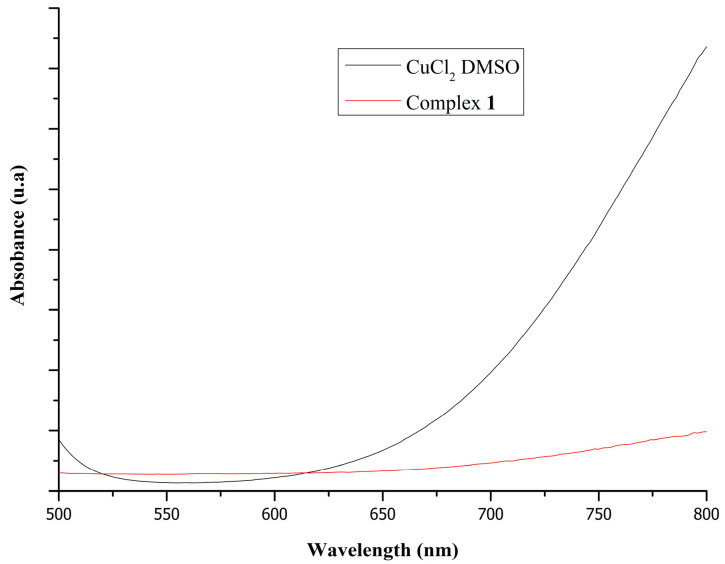 Figure 5
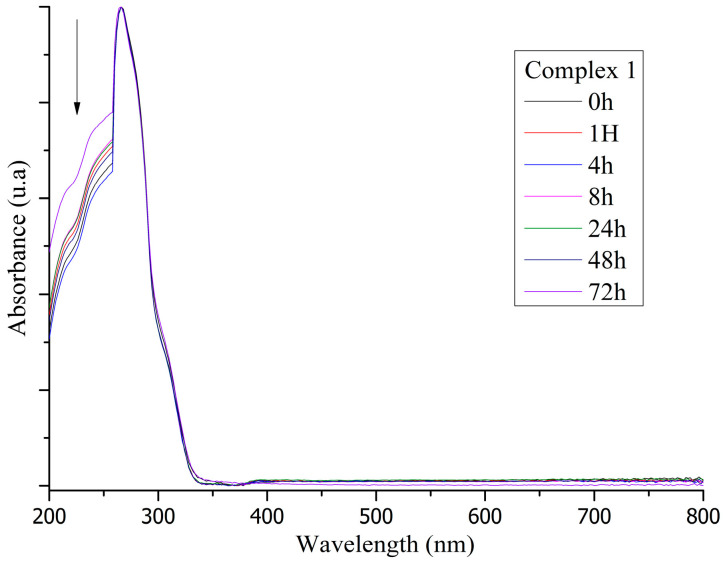 Figure 6
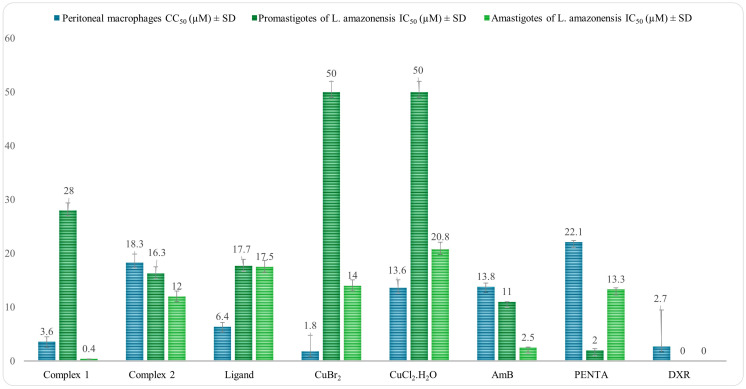 Figure 7
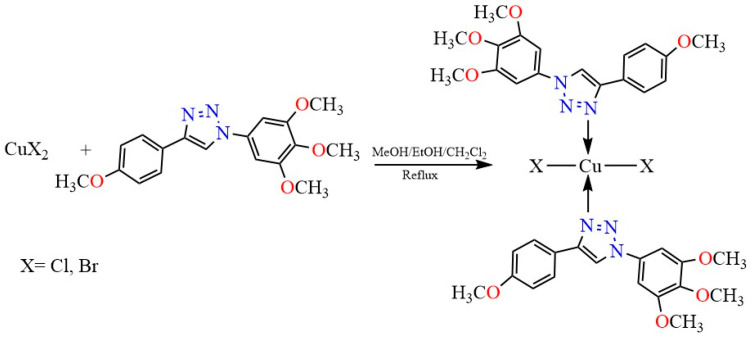 Figure 8
Peer Reviews
No public reviews on file for this paper yet. If you reviewed it on a platform where reviews are public (OpenReview, ICLR, NeurIPS, ICML), you can paste yours below so the community can read it here.
Videos
No videos yet. Explain this paper in a talk, walkthrough, or lecture? Add one.
Taxonomy
TopicsResearch on Leishmaniasis Studies · Enzyme function and inhibition · Synthesis and biological activity