Trypanocidal Activity of Dual Redox-Active Quinones: Trypanosoma cruzi Mitochondrion as a Target Organelle In Vitro and Anti-Inflammatory Properties In Vivo
Raquel B. Duarte, Victor F. S. Ramos, Juliana M. C. Barbosa, Gabriel M. Oliveira, Emilay B. T. Diogo, Renata G. Almeida, Alastair J. J. Lennox, Eufrânio N. da Silva Júnior, Yasmin Pedra-Rezende, Rubem F. S. Menna-Barreto

TL;DR
This study explores new quinone compounds that show strong trypanocidal activity and reduced toxicity compared to current treatments for Chagas disease.
Contribution
The study introduces dual redox-active quinones with mitochondrial targeting and anti-inflammatory properties for Chagas disease.
Findings
NQ1 and NQ2 showed higher trypanocidal activity than benznidazole with IC50 values between 0.8 to 3.1 µM.
NQ1 caused mitochondrial damage and ROS production in T. cruzi and reduced parasitemia and myocarditis in vivo.
Combining NQ1 with benznidazole showed additive effects, suggesting potential for improved treatment protocols.
Abstract
Chagas disease is caused by the protozoan Trypanosoma cruzi, and its current treatment is limited to the use of two nitroderivatives, benznidazole (Bz) and nifurtimox; however, their toxicity often leads to discontinuation, justifying the search for new therapeutic options. The biological activity of quinones has long shown efficacy towards pathogenic microorganisms. In our previous investigations, two naphthoquinones combining ortho- and para-quinoidal moieties exhibited remarkable trypanocidal activity and presented low toxicity to host cells. Here, these two active compounds were further assessed. On trypomastigotes and epimastigotes, brominated (NQ1) and chlorinated (NQ2) nor-beta-lapachone-derived 1,2,3-triazoles were more active than Bz, presenting IC50/24 h values in the range of 0.8 to 3.1 µM. NQ1-treated epimastigotes showed a mitochondrial impairment and reactive oxygen…
Genes, proteins, chemicals, diseases, species, mutations and cell lines named across the full text — each resolved to its canonical identifier and authoritative record.
Click any figure to enlarge with its caption.
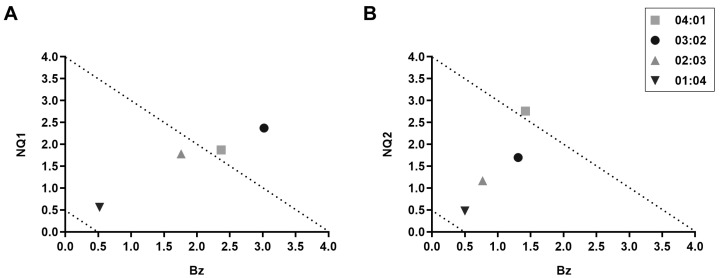 Figure 1
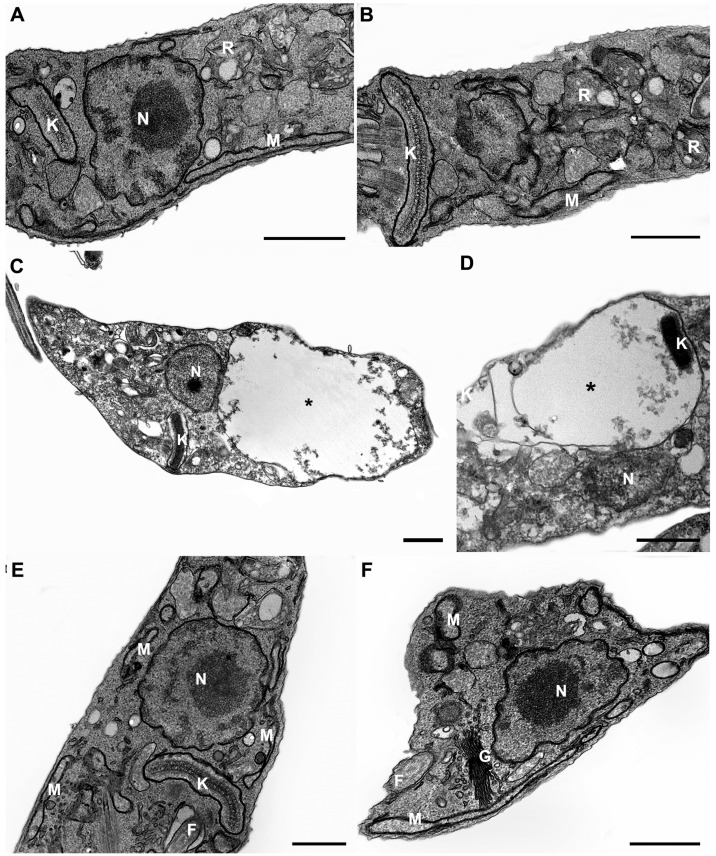 Figure 2
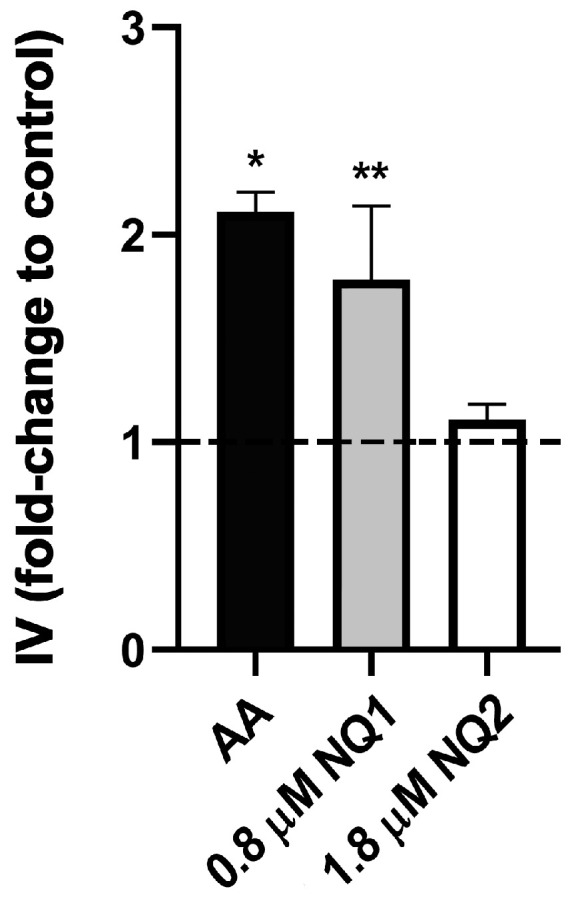 Figure 3
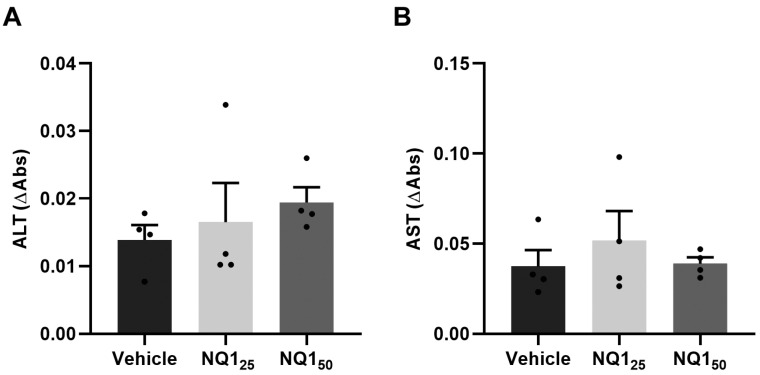 Figure 4
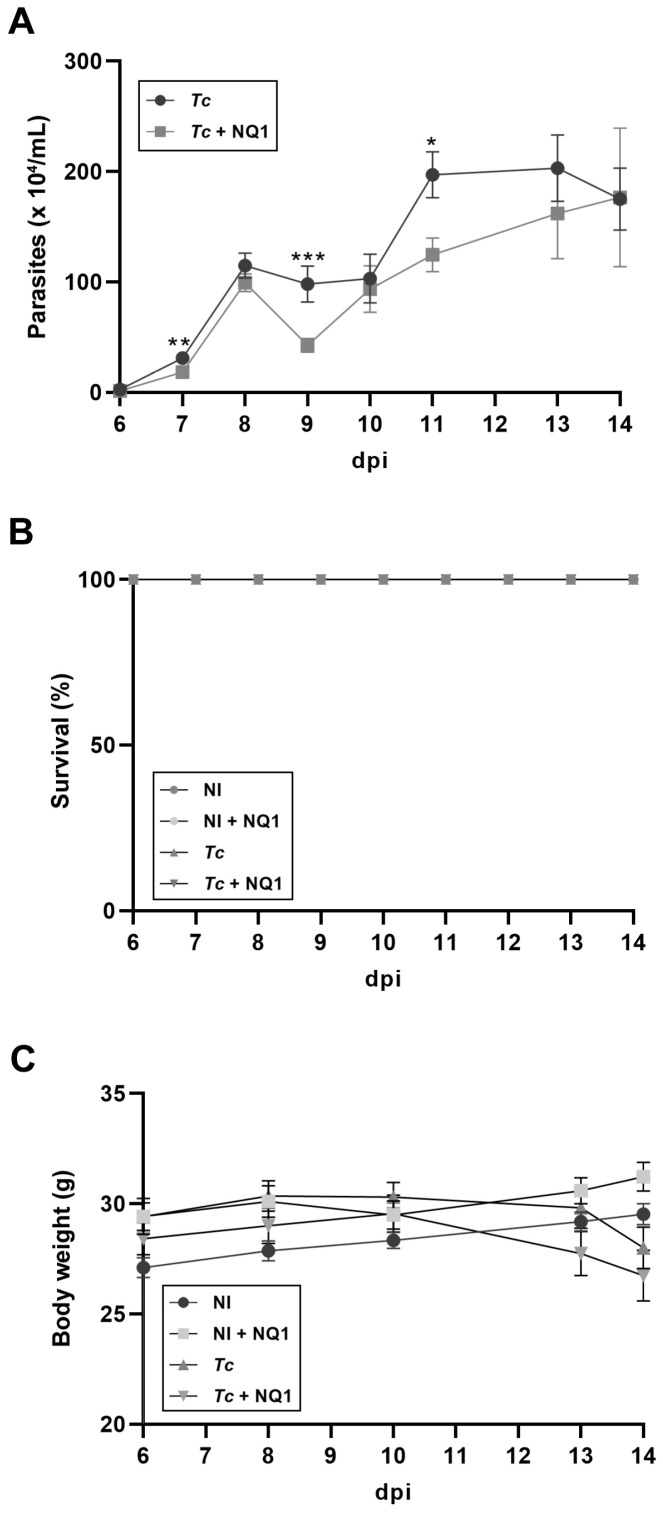 Figure 5
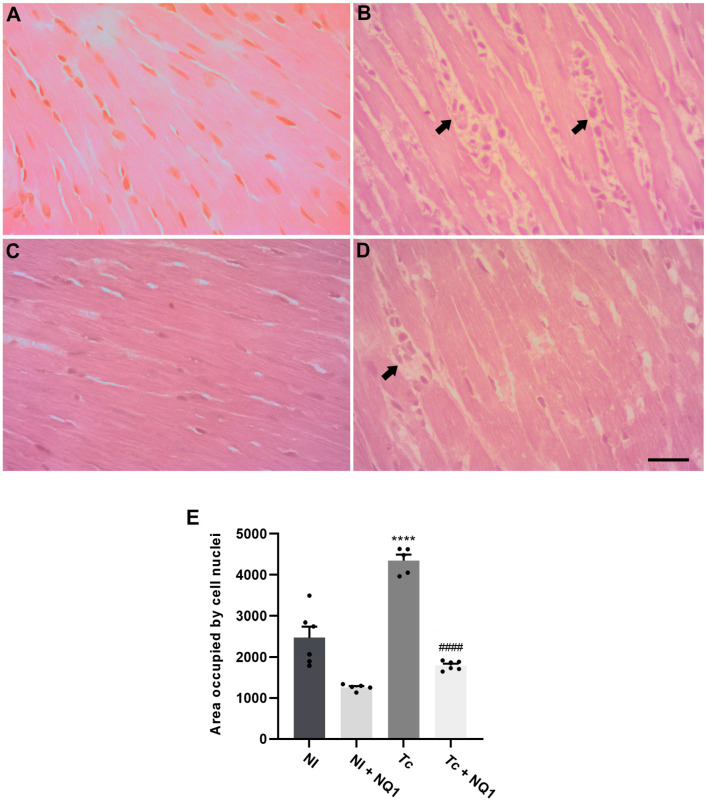 Figure 6
 Figure 7
 Figure 8
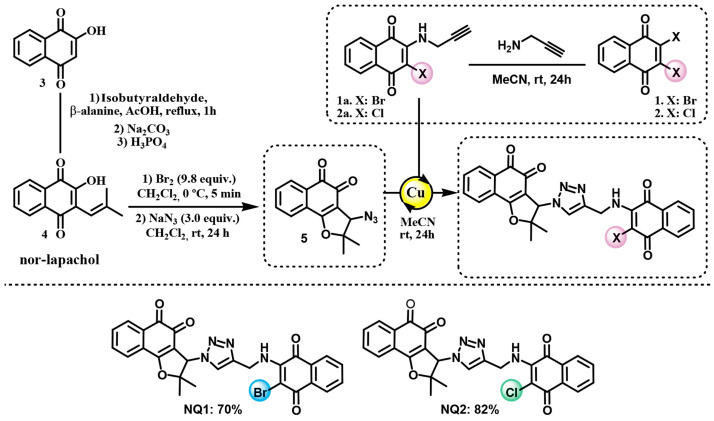 Figure 9
Peer Reviews
No public reviews on file for this paper yet. If you reviewed it on a platform where reviews are public (OpenReview, ICLR, NeurIPS, ICML), you can paste yours below so the community can read it here.
Videos
No videos yet. Explain this paper in a talk, walkthrough, or lecture? Add one.
Taxonomy
TopicsBioactive Compounds and Antitumor Agents · Trypanosoma species research and implications · Morinda citrifolia extract uses