Ligustilide: A Phytochemical with Potential in Combating Cancer Development and Progression—A Comprehensive and Critical Review
Victória Dogani Rodrigues, Mayara Longui Cabrini, Eliana de Souza Bastos Mazuqueli Pereira, Manuela dos Santos Bueno, Virgínia Maria Cavallari Strozze Catharin, Jesselina Francisco dos Santos Haber, Rachel Gomes Eleutério, Lidiane Indiani, Vitor Cavallari Strozze Catharin

TL;DR
Ligustilide, a plant compound, shows promise in fighting cancer by inhibiting tumor growth and overcoming drug resistance.
Contribution
This paper provides a comprehensive and critical review of Ligustilide's anticancer mechanisms and potential therapeutic applications.
Findings
Ligustilide inhibits cancer cell proliferation and induces apoptosis.
(Z)-Ligustilide enhances drug sensitivity and modulates epigenetic regulation.
Further research is needed to optimize Ligustilide's pharmacokinetics and bioavailability.
Abstract
Cancer remains one of the leading global health challenges, with increasing resistance to conventional therapies hindering treatment efficacy. Ligustilide, a bioactive compound derived from Ligusticum chuanxiong, has garnered attention for its multifaceted pharmacological properties, including anti-inflammatory, neuroprotective, and anticancer effects. This review comprehensively examines Ligustilide and its isomer, (Z)-Ligustilide, focusing on their anticancer potential across various cancer types. Ligustilide exerts its therapeutic effects through multiple mechanisms, including inhibition of cell proliferation, induction of apoptosis, and modulation of autophagy. Additionally, (Z)-Ligustilide has been shown to enhance drug sensitivity and modulate epigenetic regulation, providing a novel approach to overcoming chemoresistance. Despite promising preclinical results, the precise…
Genes, proteins, chemicals, diseases, species, mutations and cell lines named across the full text — each resolved to its canonical identifier and authoritative record.
Click any figure to enlarge with its caption.
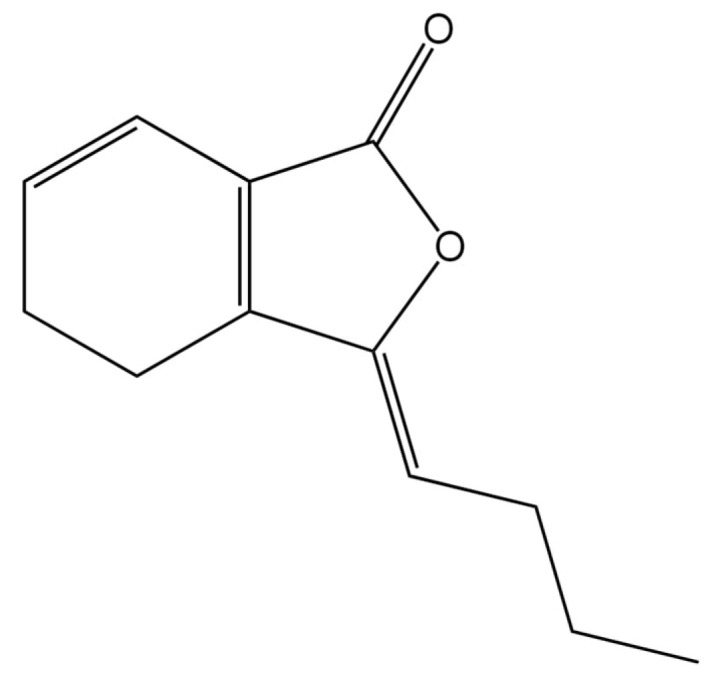 Figure 1
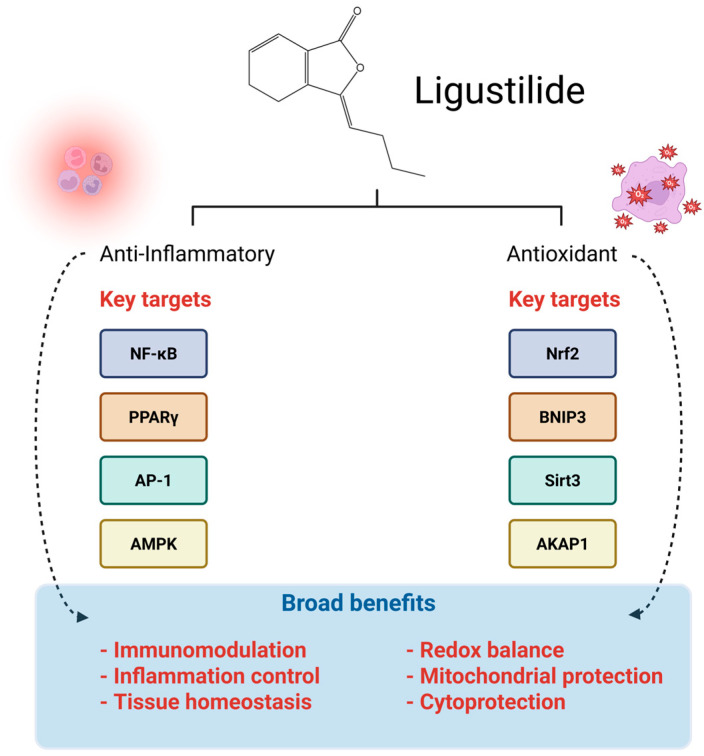 Figure 2
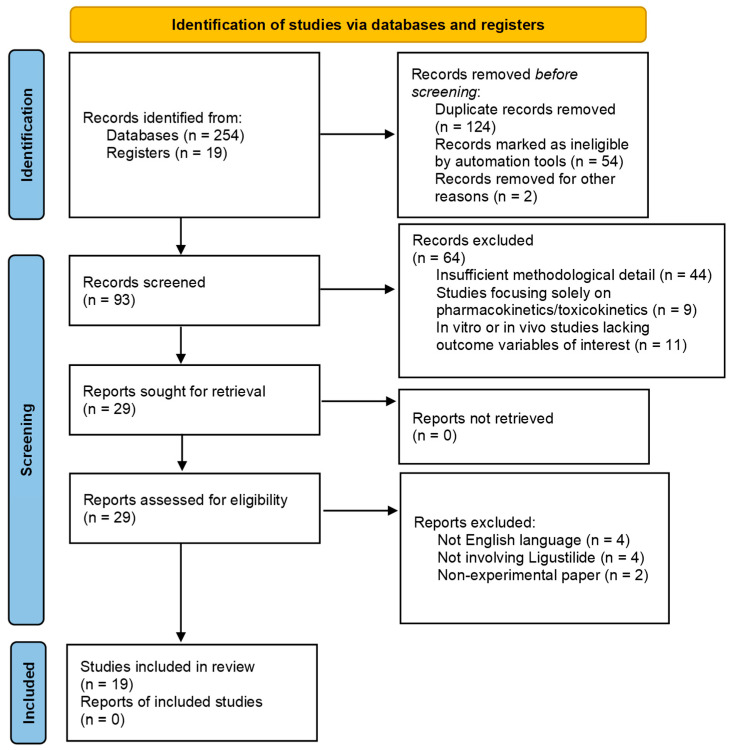 Figure 3
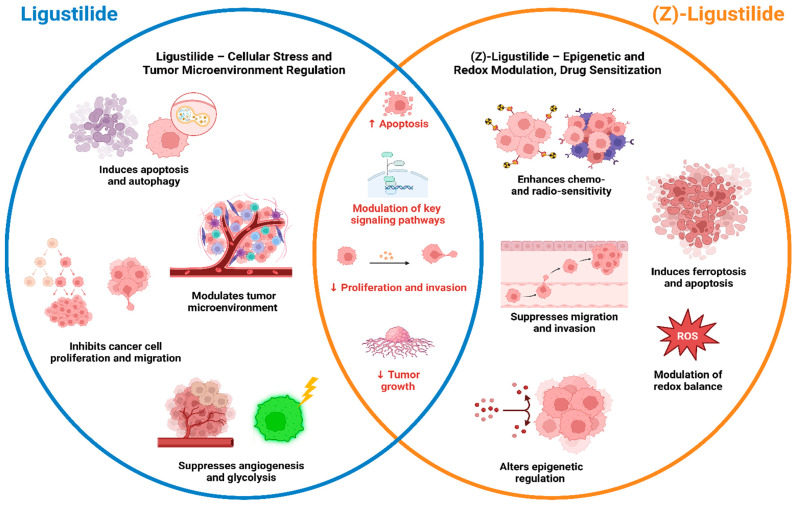 Figure 4
Peer Reviews
No public reviews on file for this paper yet. If you reviewed it on a platform where reviews are public (OpenReview, ICLR, NeurIPS, ICML), you can paste yours below so the community can read it here.
Videos
No videos yet. Explain this paper in a talk, walkthrough, or lecture? Add one.
Taxonomy
TopicsTraditional Chinese Medicine Analysis · Andrographolide Research and Applications · Neurological Disease Mechanisms and Treatments