From Traditional Medicinal Plant to Modern Pharmacotherapy: A Comprehensive Review of the Bioactive Compounds and Health Applications of Eucommia ulmoides
Wanting Xie, Yubo Xiao, Pan Xu, Hui Zheng, Xianping Zeng, Yuhang Wu, Jiani Jiang, Fan Jia, Jianye Yan, Tao Zheng, Yong Yang

TL;DR
This paper reviews the medicinal and health benefits of Eucommia ulmoides, a traditional Chinese plant, and suggests ways to better utilize its various parts for modern applications.
Contribution
The paper systematically summarizes the chemical composition and health benefits of multiple parts of E. ulmoides for high-value utilization.
Findings
E. ulmoides contains bioactive compounds like lignans and flavonoids with anti-inflammatory and antioxidant effects.
The plant's bark, leaves, flowers, and seeds show potential for use in health foods and natural medicines.
Future research should focus on synergistic mechanisms and standardized quality evaluation systems for broader applications.
Abstract
Eucommia ulmoides Oliv. (E. ulmoides), an endemic tree species in China, holds significant value in traditional Chinese medicine industry and health food. The plant is rich in diverse bioactive compounds, including lignans, iridoids, flavonoids, polysaccharides, E. ulmoides gum, amino acids, and minerals. These components contribute to a range of pharmacological activities such as anti-inflammatory, antioxidant, antihypertensive, immunomodulatory, and bone-protective effects, which support its long-standing traditional use and emerging clinical and adjunctive applications. While current research has predominantly focused on the bark and leaves, other parts, such as flowers, seeds, stems and roots, remain underexplored despite their substantial potential for medicinal and edible applications. Based on the recent literature, this paper systematically summarized the chemical composition,…
Genes, proteins, chemicals, diseases, species, mutations and cell lines named across the full text — each resolved to its canonical identifier and authoritative record.
Click any figure to enlarge with its caption.
 Figure 1
 Figure 2
 Figure 3
 Figure 4
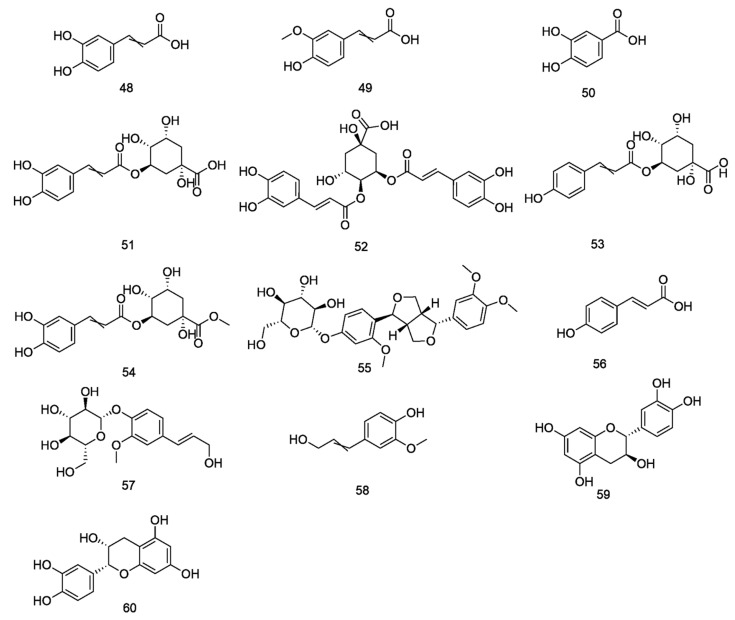 Figure 5
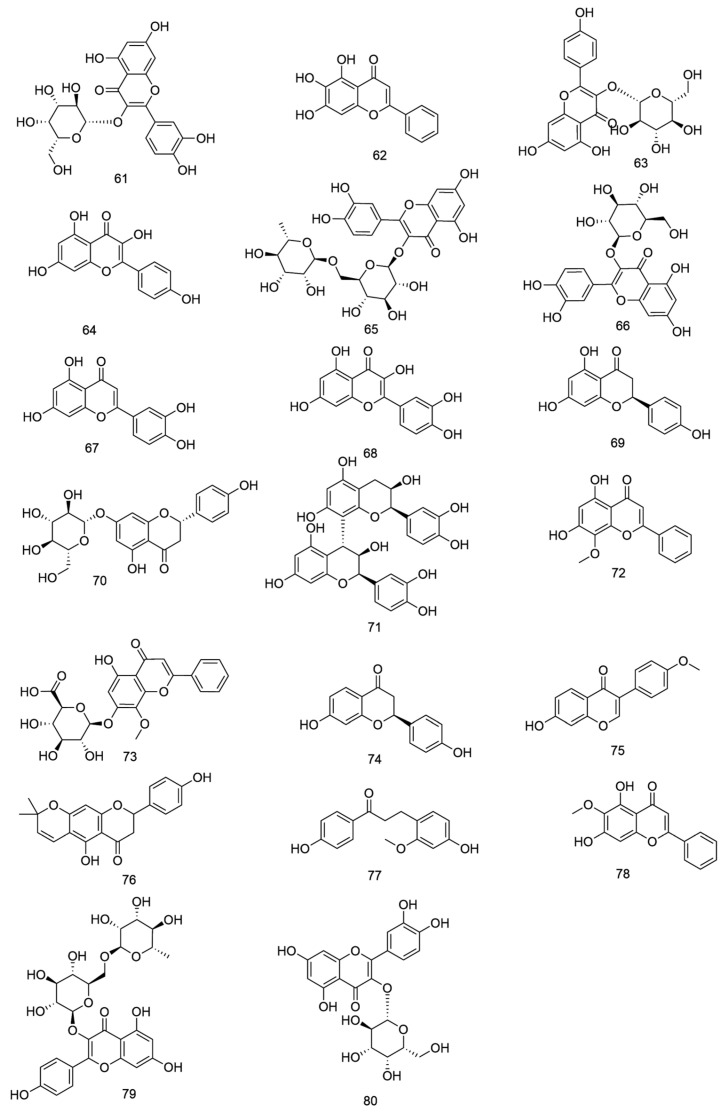 Figure 6
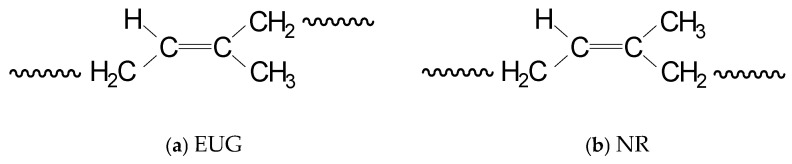 Figure 7
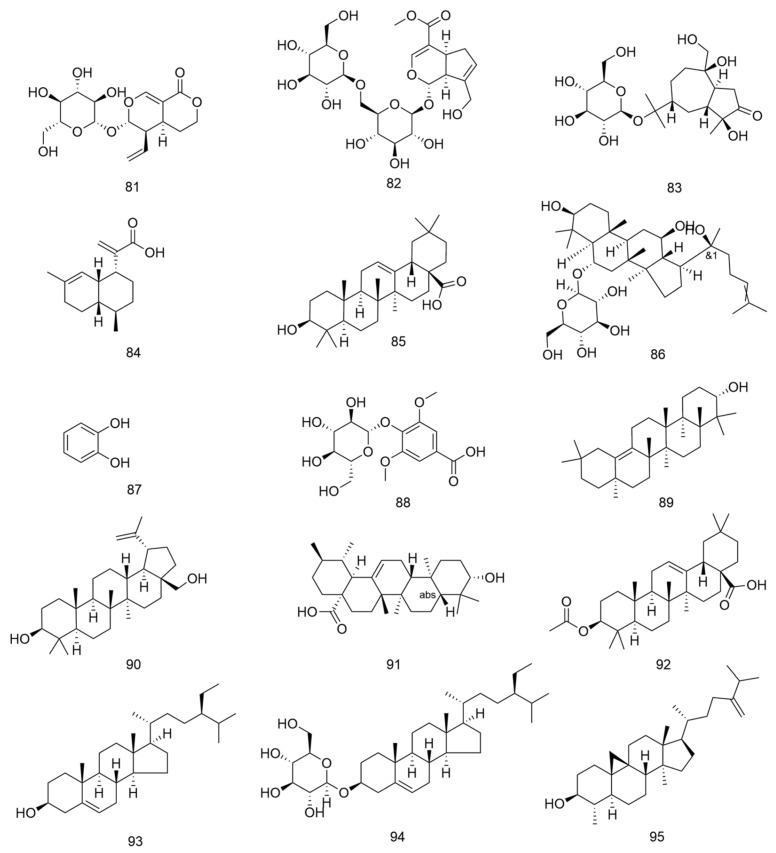 Figure 8
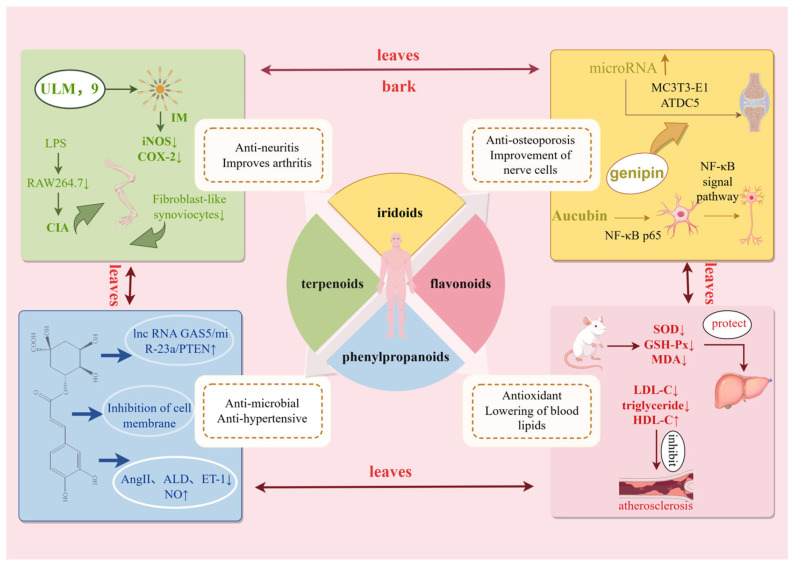 Figure 9
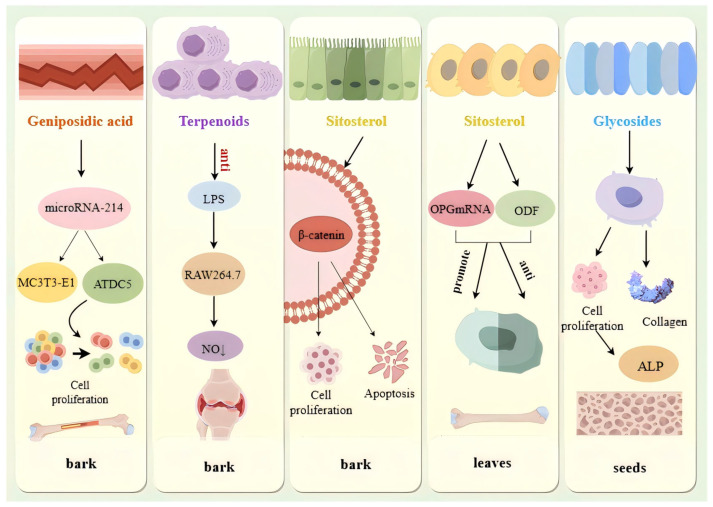 Figure 10
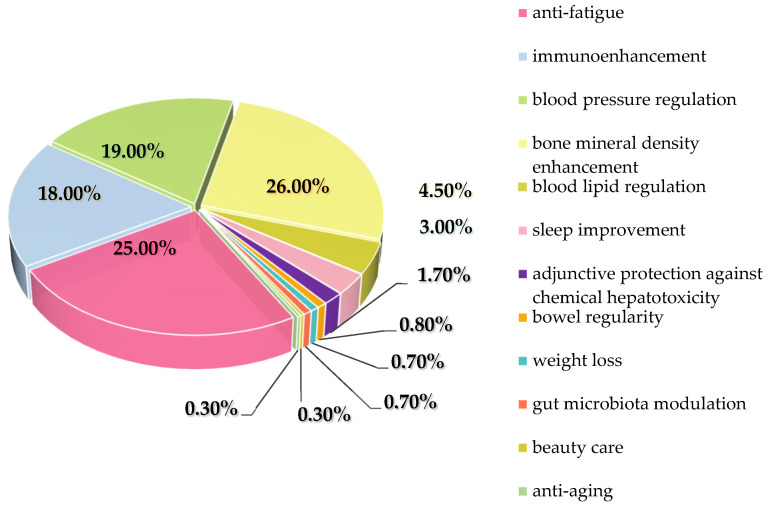 Figure 11
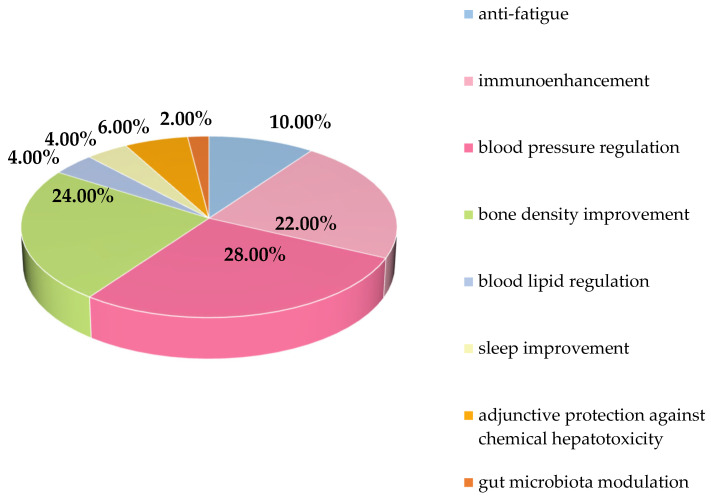 Figure 12
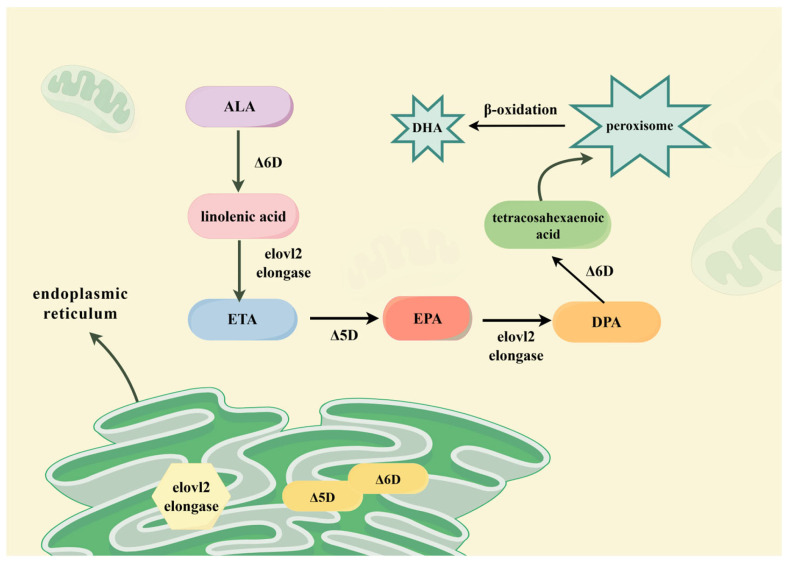 Figure 13
Peer Reviews
No public reviews on file for this paper yet. If you reviewed it on a platform where reviews are public (OpenReview, ICLR, NeurIPS, ICML), you can paste yours below so the community can read it here.
Videos
No videos yet. Explain this paper in a talk, walkthrough, or lecture? Add one.
Taxonomy
TopicsPhytochemistry and Biological Activities · Plant-derived Lignans Synthesis and Bioactivity · Ginkgo biloba and Cashew Applications