Induction and Regeneration of Microspore-Derived Embryos for Doubled Haploid Production in Cabbage (Brassica oleracea var. capitata)
Su Bin Choi, Suk Yeon Mo, Han Yong Park

TL;DR
This study optimizes methods to produce doubled haploid cabbage plants using microspore culture, which can speed up breeding.
Contribution
The study establishes an efficient system for microspore-derived embryo regeneration and doubled haploid production in cabbage.
Findings
Optimal flower bud size (4.0 ± 0.5 mm) maximized microspore yield and embryo formation.
Heat shock treatment at 32.5 °C for 24–48 h was crucial for embryogenesis.
50% of regenerated plants were spontaneous doubled haploids with no genetic polymorphism.
Abstract
Cabbage (Brassica oleracea L. var. capitata) is an important leafy vegetable crop, and the development of homozygous parental lines is essential for F1 hybrid breeding. Isolated microspore culture (IMC) provides a rapid approach for producing haploid and doubled haploid (DH) lines. However, its efficiency in cabbage remains highly dependent on genotype, donor plant growth conditions, and culture conditions. This study aimed to optimize key factors affecting microspore embryogenesis and plant regeneration in a Korean green cabbage (‘SJ-Ca 13’) and to evaluate the ploidy and genetic characteristics of regenerated plants. Microspore yield and embryogenesis were strongly influenced by flower bud size. Bud size of 4.0 ± 0.5 mm yielded the highest number of microspores (4.17 × 10⁴ per bud) and exclusively produced microspore-derived embryos (2.33 embryos per Petri dish), whereas smaller or…
Genes, proteins, chemicals, diseases, species, mutations and cell lines named across the full text — each resolved to its canonical identifier and authoritative record.
Click any figure to enlarge with its caption.
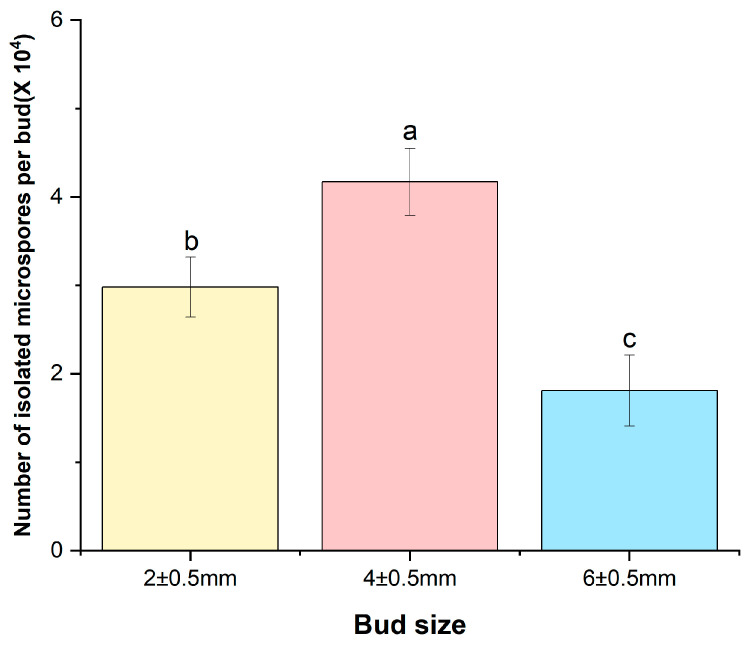 Figure 1
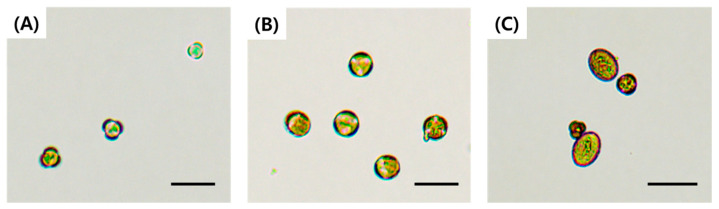 Figure 2
 Figure 3
 Figure 4
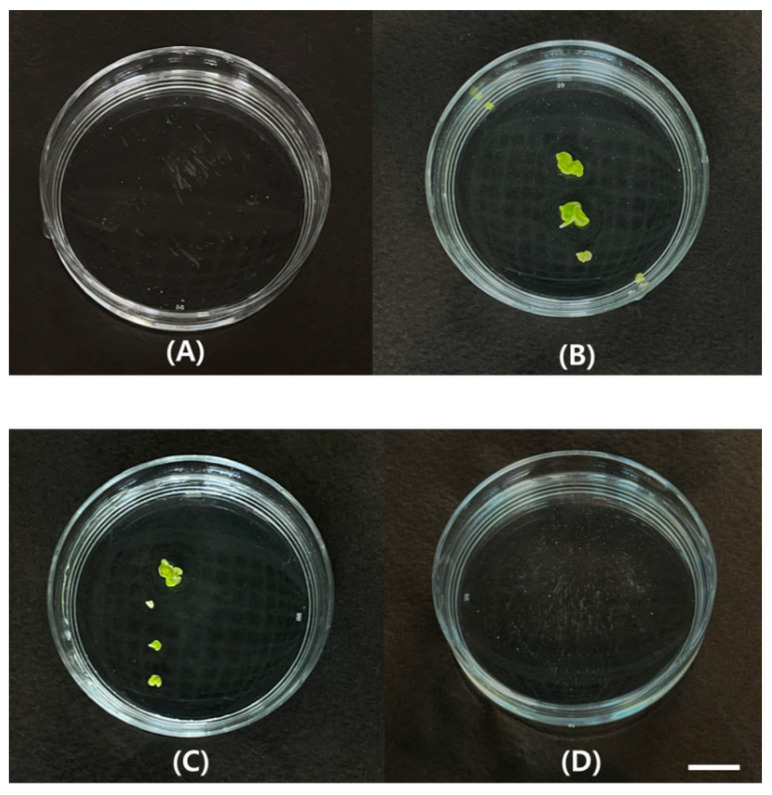 Figure 5
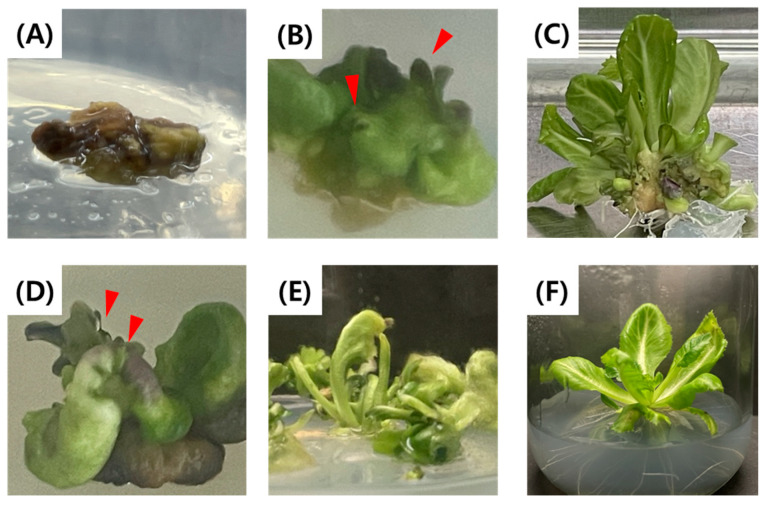 Figure 6
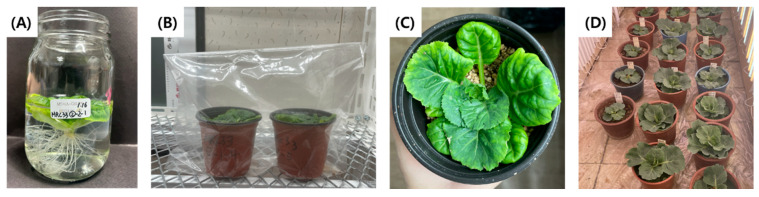 Figure 7
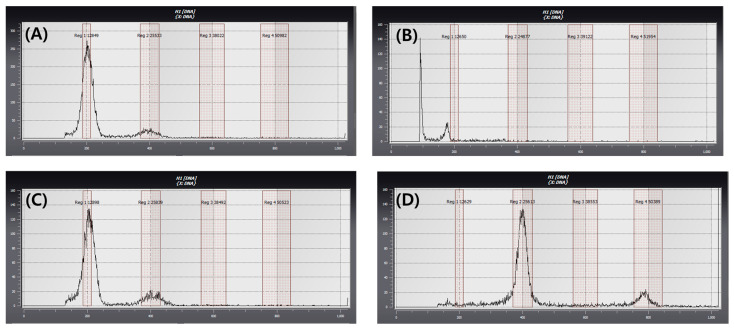 Figure 8
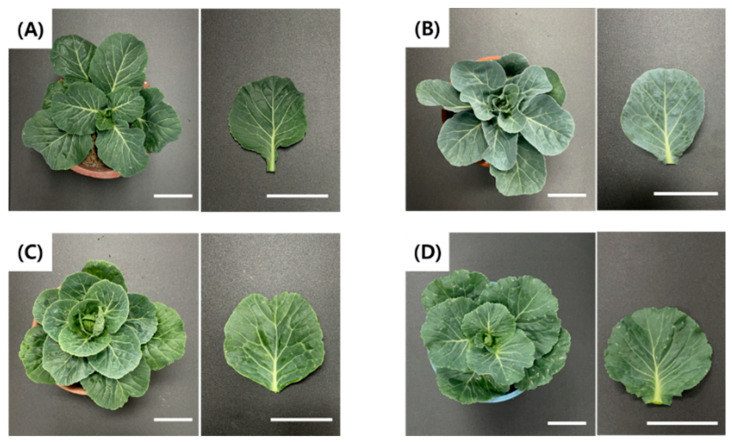 Figure 9
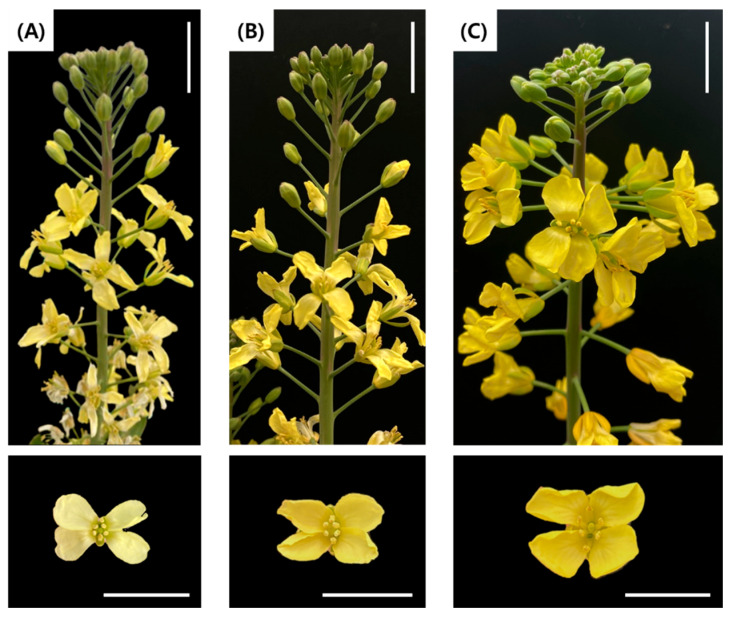 Figure 10
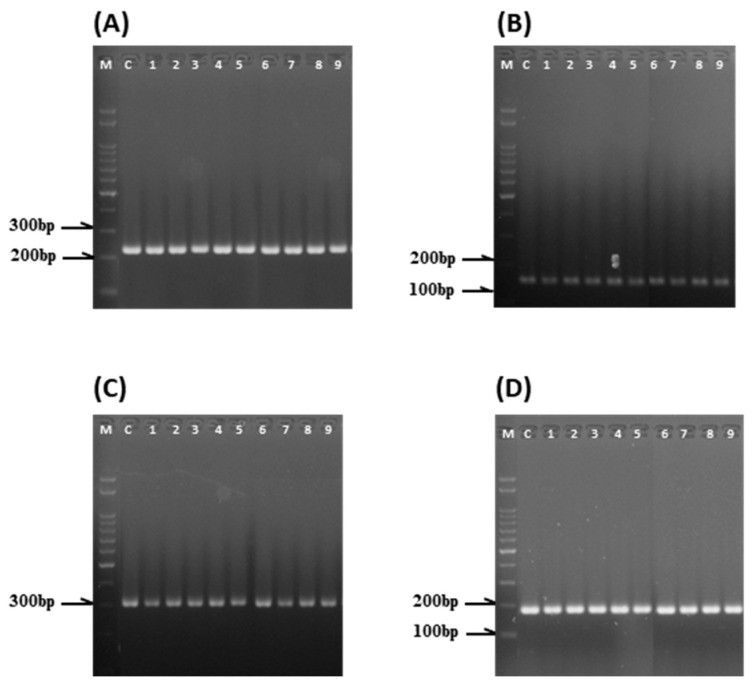 Figure 11
Peer Reviews
No public reviews on file for this paper yet. If you reviewed it on a platform where reviews are public (OpenReview, ICLR, NeurIPS, ICML), you can paste yours below so the community can read it here.
Videos
No videos yet. Explain this paper in a talk, walkthrough, or lecture? Add one.
Taxonomy
TopicsPlant tissue culture and regeneration · Plant Disease Management Techniques · Transgenic Plants and Applications