Natural Protective Mechanisms of Cucumis callosus Leaves in Escherichia Species-Induced Urinary Tract Infection: An Integrated In Silico and In Vivo Study
Meenal Sahu, Tripti Paliwal, Radhika Joshi, Arya Kuhu Vishwapriya, Namita Misra, Smita Jain, Gautam Singhvi, Gulshan Kumar, Devesh U. Kapoor, Dipjyoti Chakraborty, Swapnil Sharma

TL;DR
Cucumis callosus leaves show antibacterial and protective effects against urinary tract infections caused by Escherichia species, both in computer models and animal studies.
Contribution
This is the first study to investigate Cucumis callosus leaf fractions for treating Escherichia-induced UTIs using an integrated in silico, in vitro, and in vivo approach.
Findings
Chloroform fraction F1 of Cucumis callosus leaves showed potent antibacterial activity against uropathogenic Escherichia species.
Molecular docking confirmed the binding of F1 compounds to bacterial resistance enzymes like AmpC β-lactamase and carbapenemases.
In vivo studies showed F1 reduced bacterial load and inflammation in infected rats, with histopathological evidence of tissue protection.
Abstract
Leaves of Cucumis callosus, traditionally employed in Ayurvedic medicine for the treatment of urinary disorders, were investigated in depth for their therapeutic potential against bacterially induced urinary tract infection (UTI) for the first time. The present work is the first to explore the antibacterial activity of C. callosus leaf fractions with an integrative in silico, in vitro, and in vivo approach. Through bioassay-guided fractionation, the chloroform fraction (F1) was identified as the most active, exhibiting potent activity against Uropathogenic Escherichia spp. species. Liquid chromatography–mass spectrometry (LC-MS) analysis of F1 revealed the presence of bioactive compounds, including stigmasterol, 1,2,3,4-tetrahydroisoquinoline, lactose, hydroxy(mesityl)acetic acid, and 2,4-di-tert-butylphenol. Molecular docking studies validated the strong binding affinities of these…
Genes, proteins, chemicals, diseases, species, mutations and cell lines named across the full text — each resolved to its canonical identifier and authoritative record.
Click any figure to enlarge with its caption.
 Figure 1
 Figure 2
 Figure 3
 Figure 4
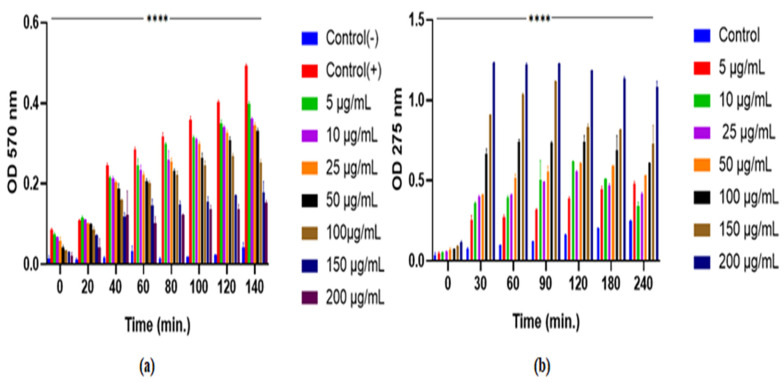 Figure 5
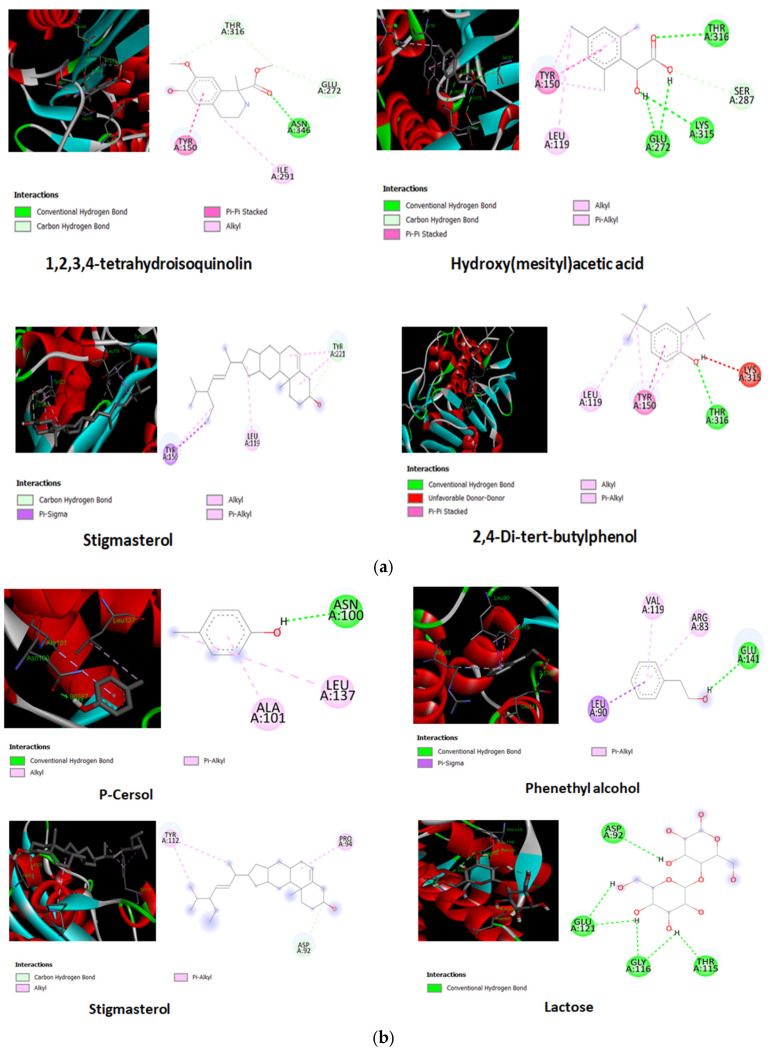 Figure 6
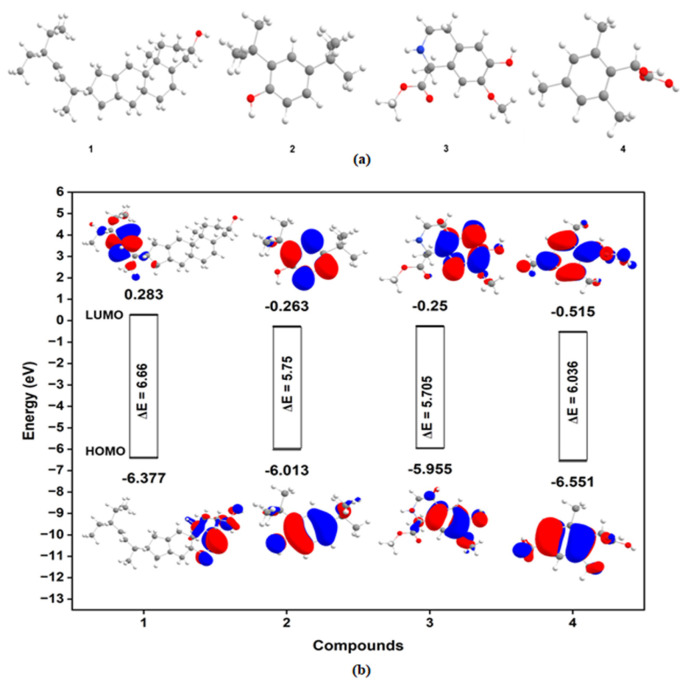 Figure 7
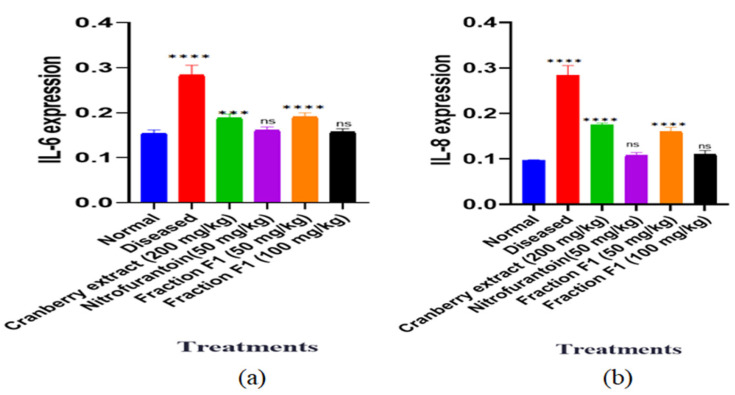 Figure 8
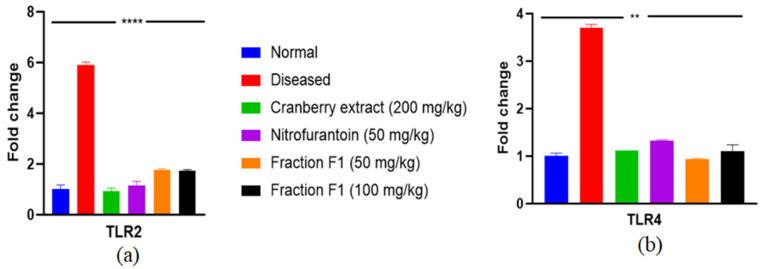 Figure 9
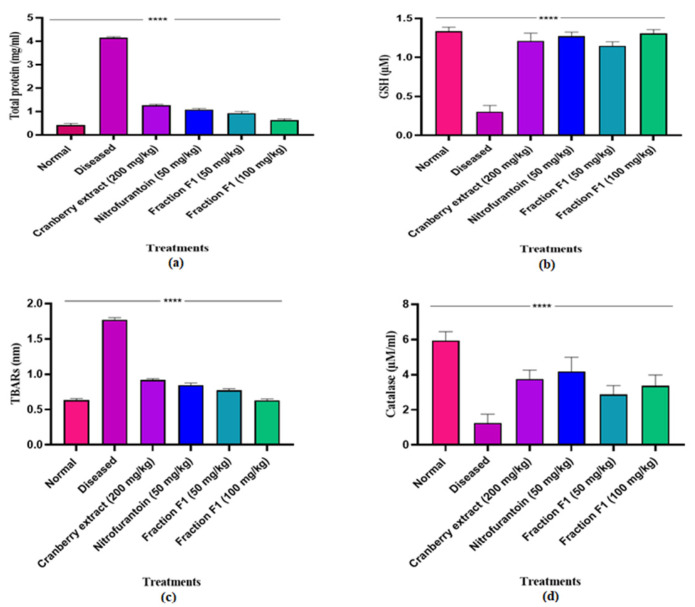 Figure 10
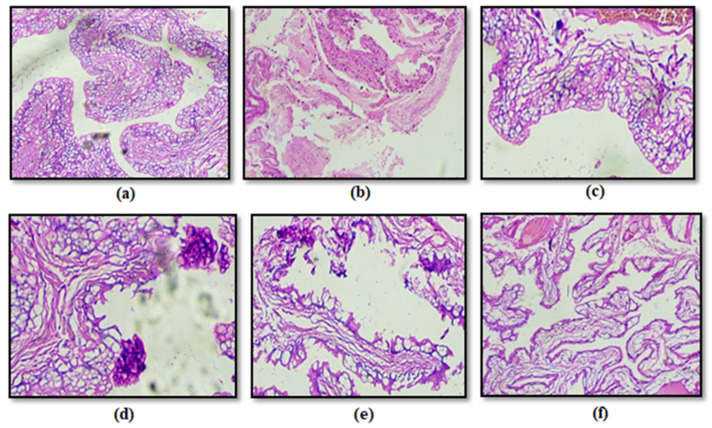 Figure 11
Peer Reviews
No public reviews on file for this paper yet. If you reviewed it on a platform where reviews are public (OpenReview, ICLR, NeurIPS, ICML), you can paste yours below so the community can read it here.
Videos
No videos yet. Explain this paper in a talk, walkthrough, or lecture? Add one.
Taxonomy
TopicsAdvances in Cucurbitaceae Research · Wood and Agarwood Research · Ethnobotanical and Medicinal Plants Studies