In Silico Investigation of Amidine-Based BACE-1 Inhibitors Against Alzheimer’s Disease: SAR, Pharmacokinetics, Molecular Docking and Dynamic Simulations
Vaibhav Gandhi, Varun Dewaker, Uma Agarwal, Vaishali M. Patil, Sung Taek Park, Hyeong Su Kim, Saroj Verma

TL;DR
This study uses computer modeling to design new BACE-1 inhibitors that could help treat Alzheimer's disease by blocking amyloid-β plaque formation.
Contribution
A novel amidine-based BACE-1 inhibitor, compound 9.7, was identified through in silico methods as a selective and stable candidate for Alzheimer’s treatment.
Findings
Compound 9.7 showed favorable pharmacokinetic properties and stable binding interactions with BACE-1.
MD simulations confirmed stable interactions with key residues ASP32, TRP115, and PHE108 in BACE-1.
Compound 9.7 outperformed the reference compound verubecestat in binding stability and selectivity.
Abstract
Background/Objective: Alzheimer’s disease (AD) is characterized by the accumulation of amyloid-β plaques, derived from the amyloid precursor protein through sequential cleavage by β-secretase 1 (BACE-1) and γ-secretase. BACE-1 is therefore a key drug target for designing of selective inhibitors to avoid off-target effects associated with BACE-2 inhibition. The objective of this study was to design novel BACE-1 inhibitors using a structure-based drug design approach. Methods: A focused compound library was designed based on the SAR of N-(4-fluorophenyl)formamide derivatives. In silico ADME predictions were performed to assess pharmacokinetic suitability. Compounds showing favorable ADME profiles were subjected to molecular docking against the BACE-1 enzyme. The top-scoring hit, compound 9.7 (−5.48 (kcal/mol), was further evaluated using a 200 ns MD simulation to assess the stability of…
Genes, proteins, chemicals, diseases, species, mutations and cell lines named across the full text — each resolved to its canonical identifier and authoritative record.
Click any figure to enlarge with its caption.
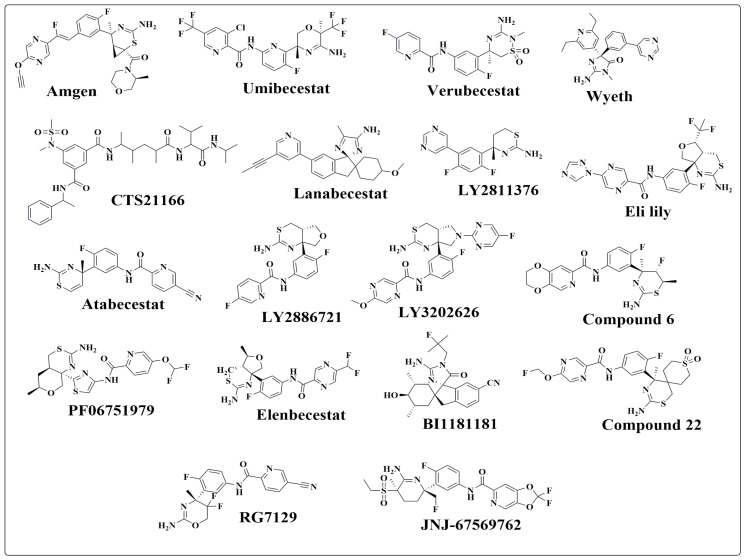 Figure 1
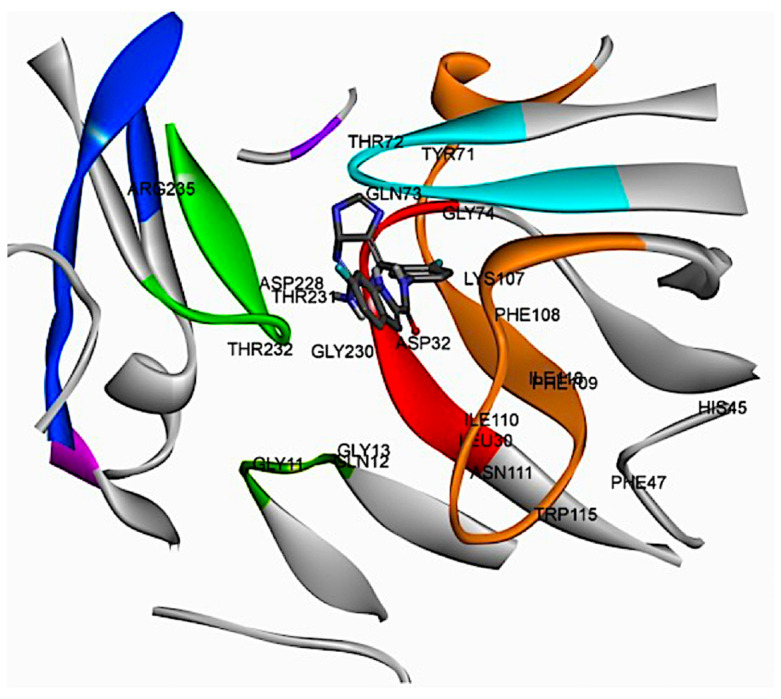 Figure 2
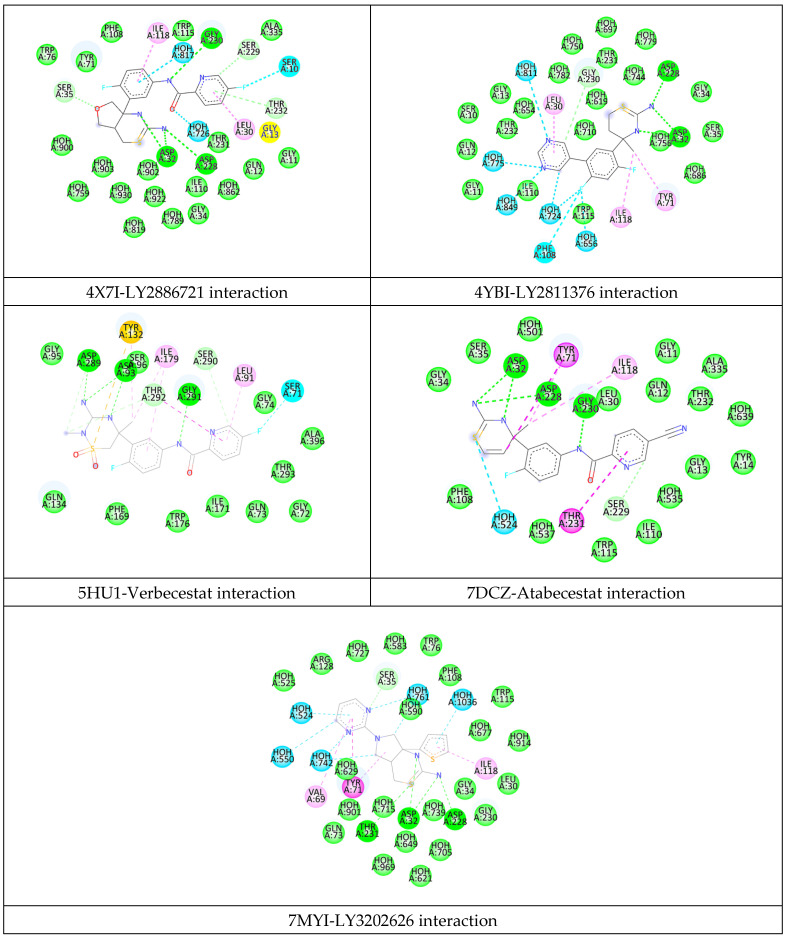 Figure 3
 Figure 4
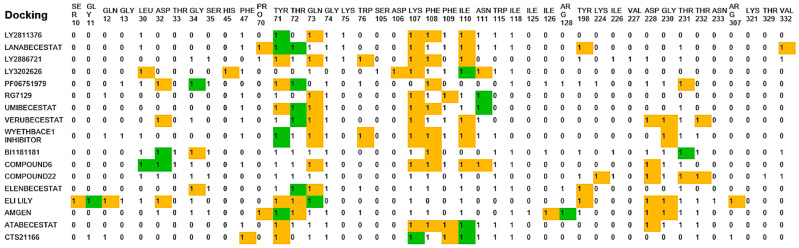 Figure 5
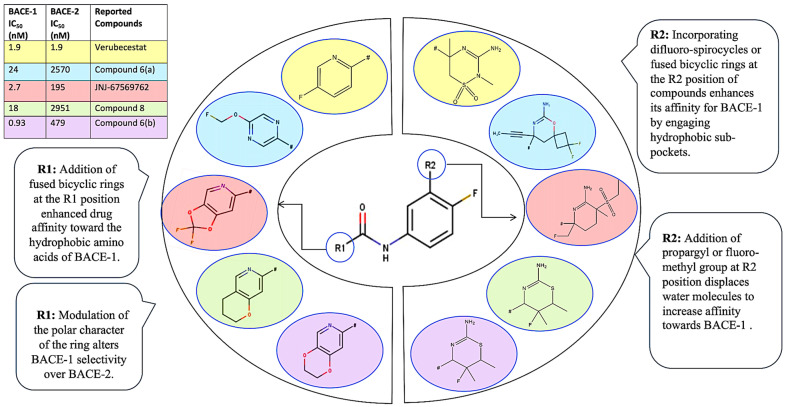 Figure 6
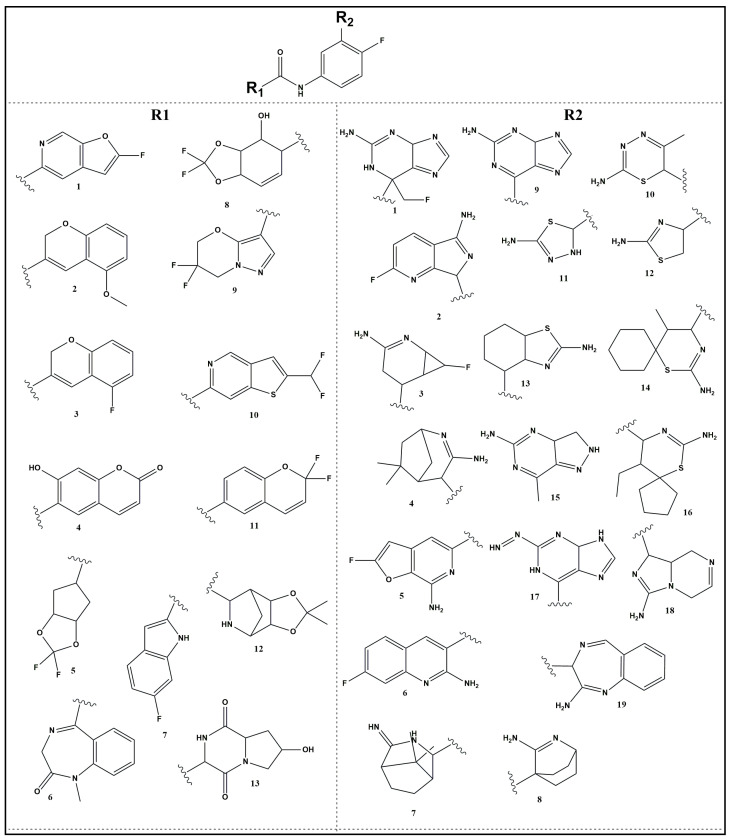 Figure 7
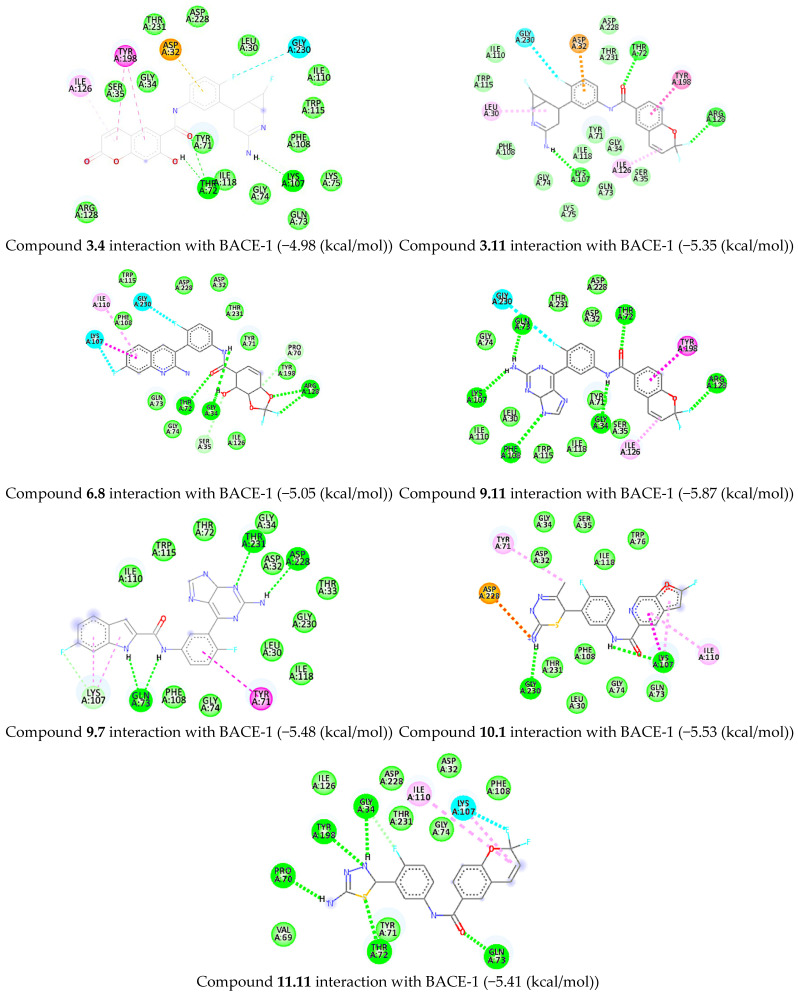 Figure 8
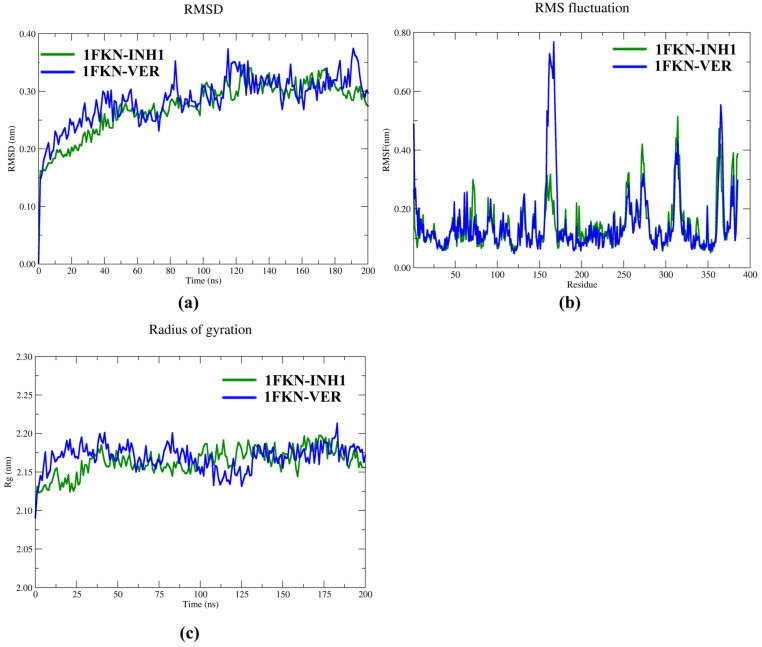 Figure 9
 Figure 10
 Figure 11
 Figure 12
 Figure 13
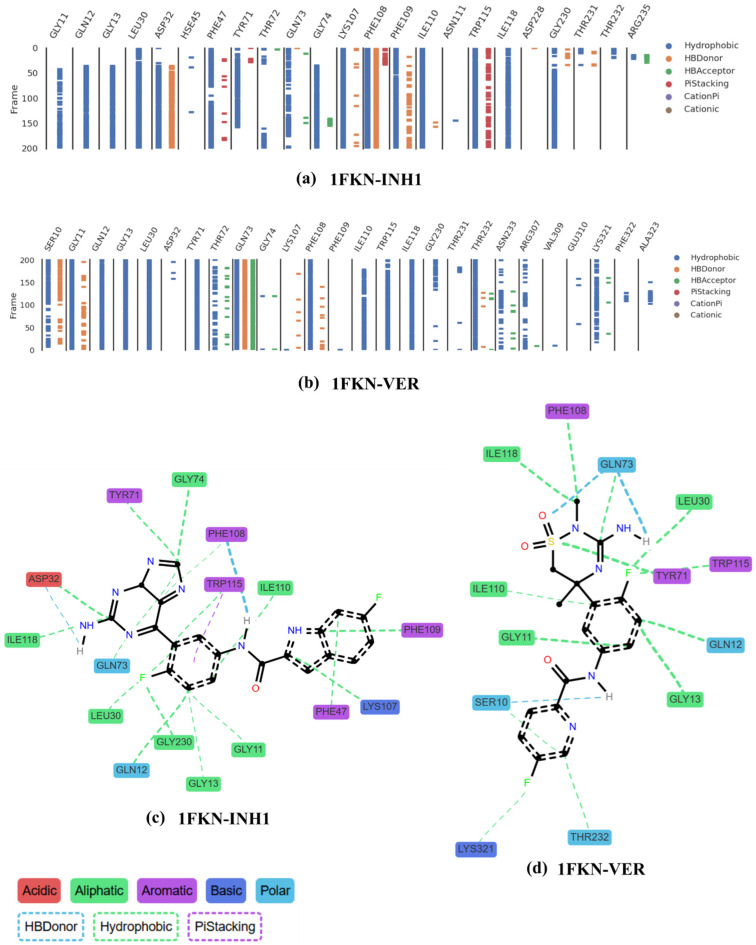 Figure 14
Peer Reviews
No public reviews on file for this paper yet. If you reviewed it on a platform where reviews are public (OpenReview, ICLR, NeurIPS, ICML), you can paste yours below so the community can read it here.
Videos
No videos yet. Explain this paper in a talk, walkthrough, or lecture? Add one.
Taxonomy
TopicsCholinesterase and Neurodegenerative Diseases · Alzheimer's disease research and treatments · Computational Drug Discovery Methods