Sitagliptin Potentiates the Anticancer Activity of Doxorubicin Through ROS-Driven Apoptosis and MMP/TIMP Regulation in HeLa Cells
Aşkın Evren Güler, Mehmet Cudi Tuncer, İlhan Özdemir

TL;DR
This study shows that combining sitagliptin with doxorubicin improves cancer treatment by increasing cell death and reducing cancer spread in cervical cancer cells.
Contribution
The study reveals a synergistic effect of sitagliptin and doxorubicin through ROS-driven apoptosis and regulation of metastasis-related proteins in cervical cancer cells.
Findings
The combination of sitagliptin and doxorubicin significantly reduced cell viability and showed synergistic interaction.
Combined treatment increased ROS production and apoptosis rates, with elevated caspase-8 and caspase-9 activities.
The drug combination suppressed cell migration and invasion, and reduced MMP and TIMP levels independently of cell death.
Abstract
Background/Objectives: Cervical cancer remains a major global health challenge, and treatment resistance limits the long-term success of chemotherapy. Drug repurposing strategies offer new opportunities for improving therapeutic outcomes by combining existing agents with established chemotherapeutics. Sitagliptin, a DPP-4 inhibitor commonly used in type 2 diabetes, has recently gained attention for its potential anticancer effects. This study aimed to investigate the cytotoxic, apoptotic, and anti-metastatic effects of sitagliptin and doxorubicin, individually and in combination, on human cervical cancer cells (HeLa), and to determine whether their combined use exerts a synergistic anticancer effect. Methods: HeLa cells were treated for 48 h with increasing concentrations of sitagliptin, doxorubicin, or their combination. Cell viability was assessed using the MTT assay. Apoptosis was…
Genes, proteins, chemicals, diseases, species, mutations and cell lines named across the full text — each resolved to its canonical identifier and authoritative record.
Click any figure to enlarge with its caption.
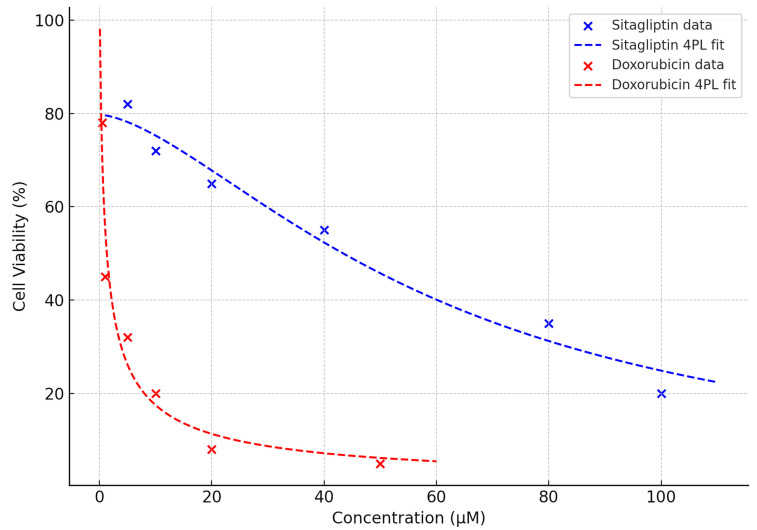 Figure 1
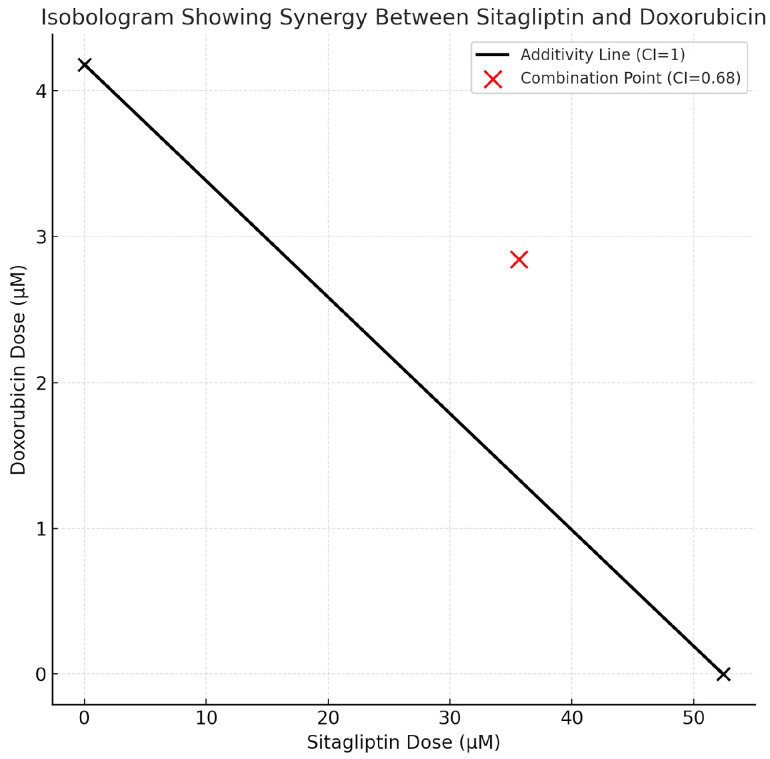 Figure 2
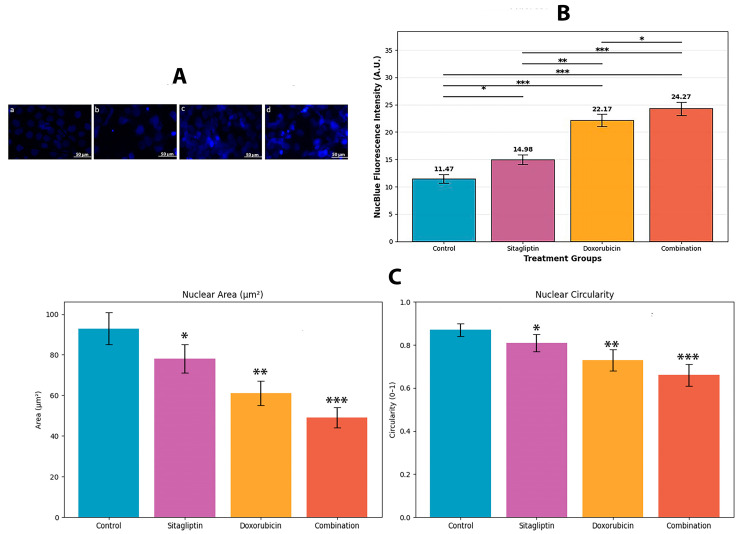 Figure 3
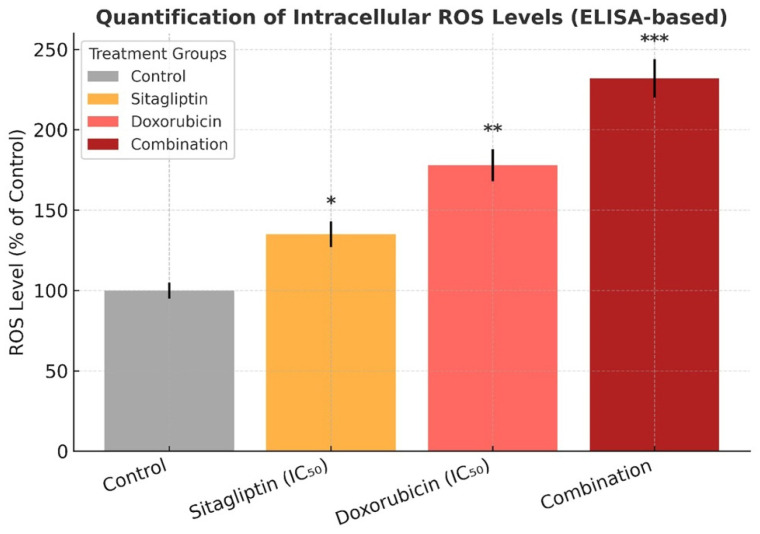 Figure 4
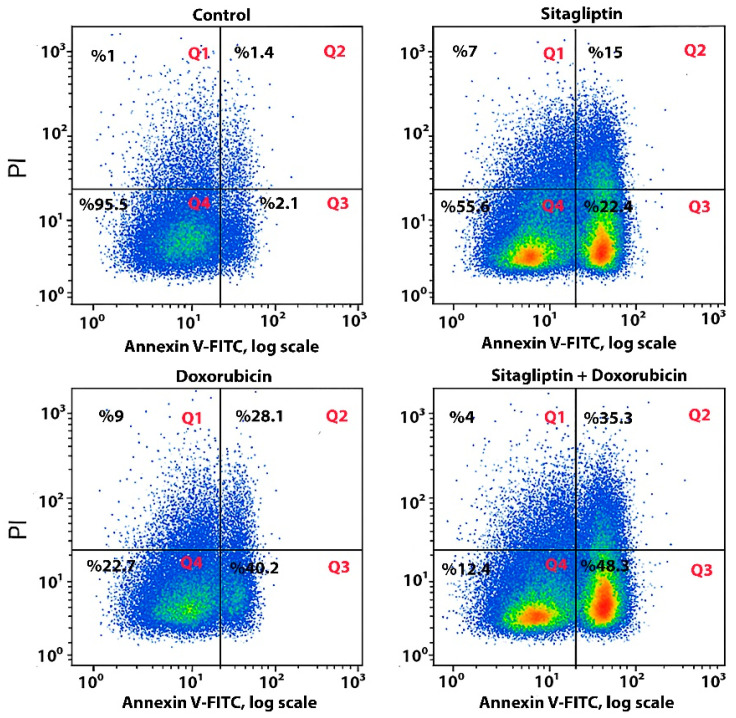 Figure 5
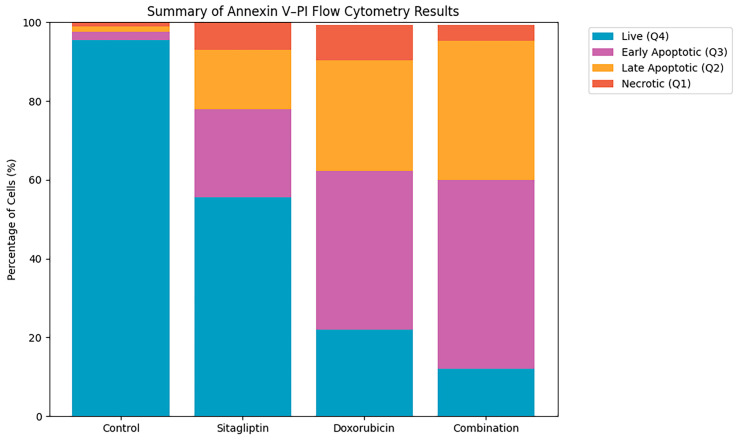 Figure 6
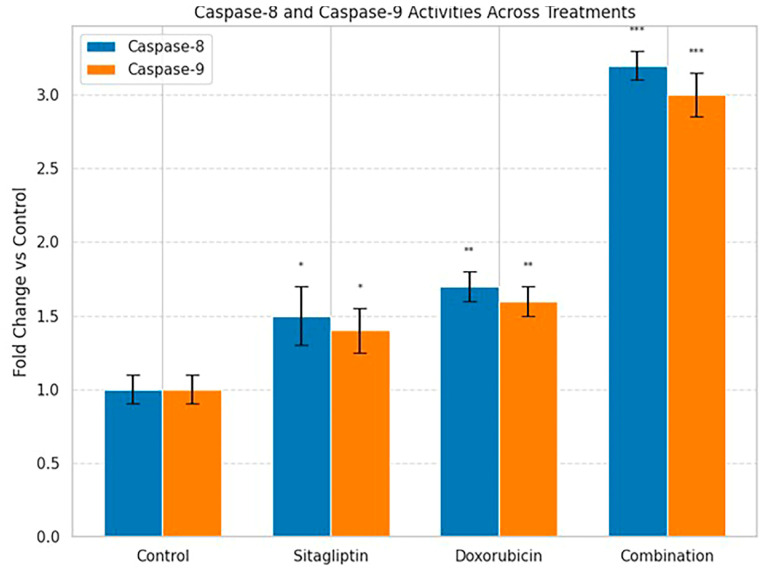 Figure 7
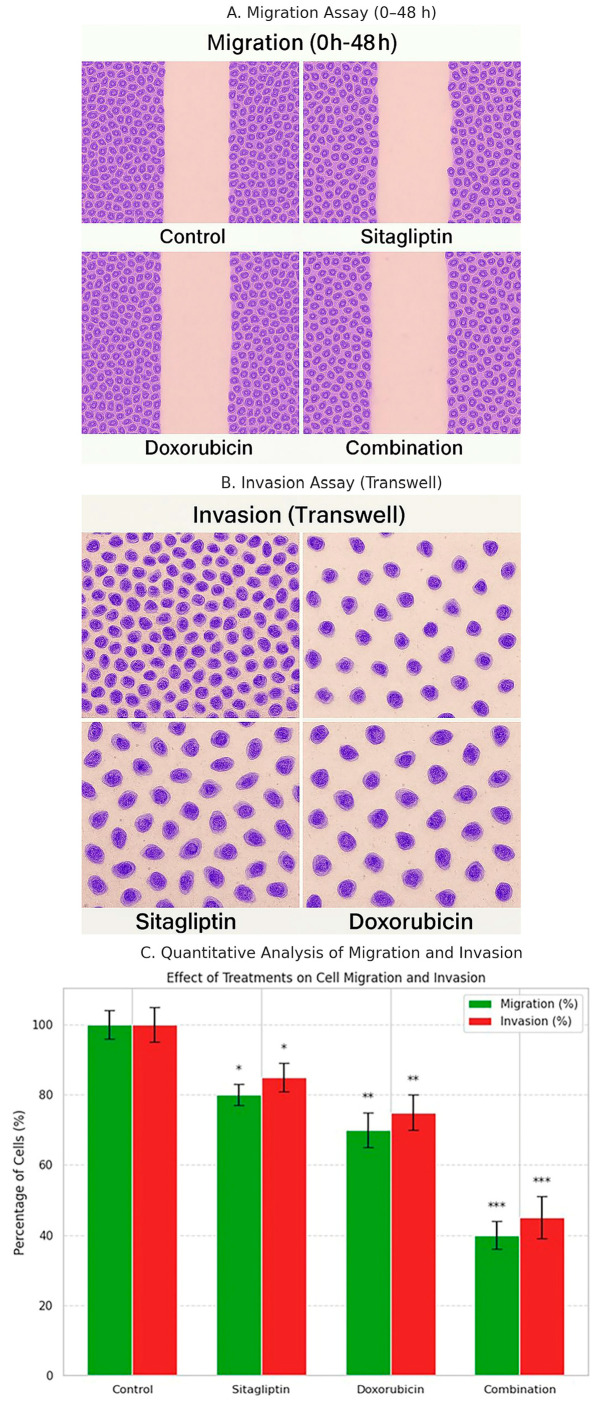 Figure 8
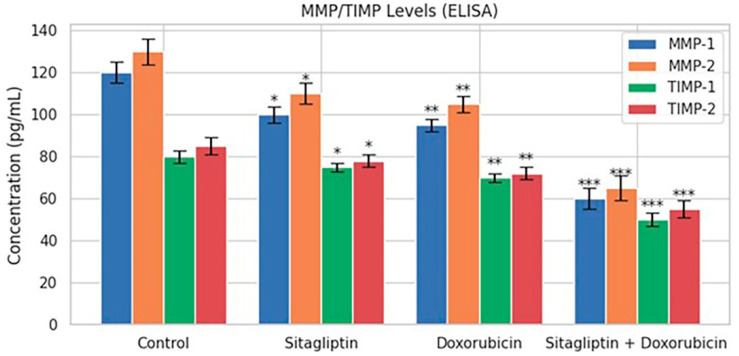 Figure 9
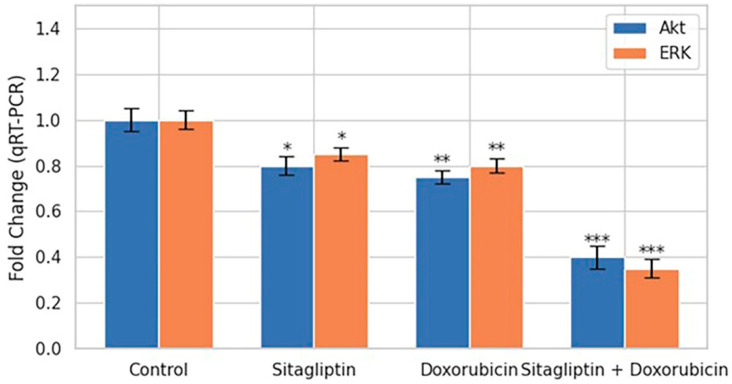 Figure 10
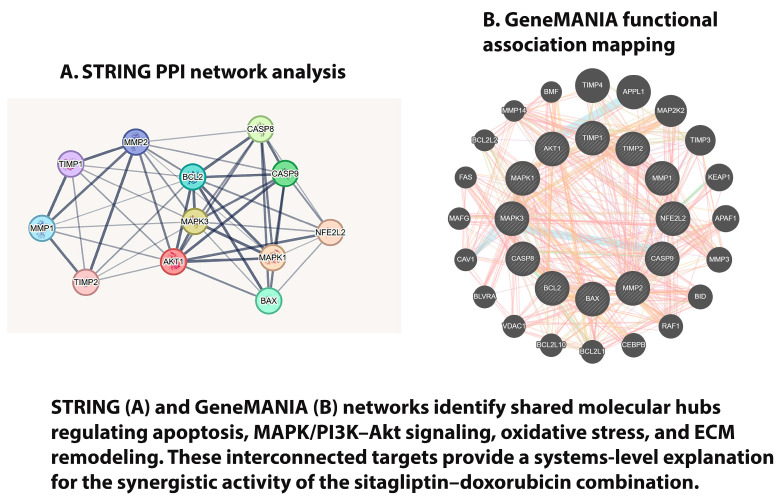 Figure 11
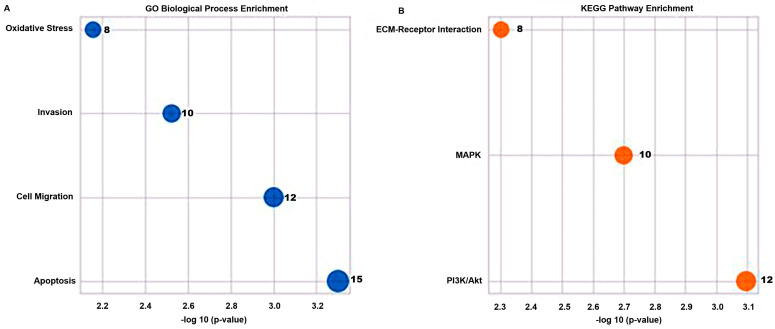 Figure 12
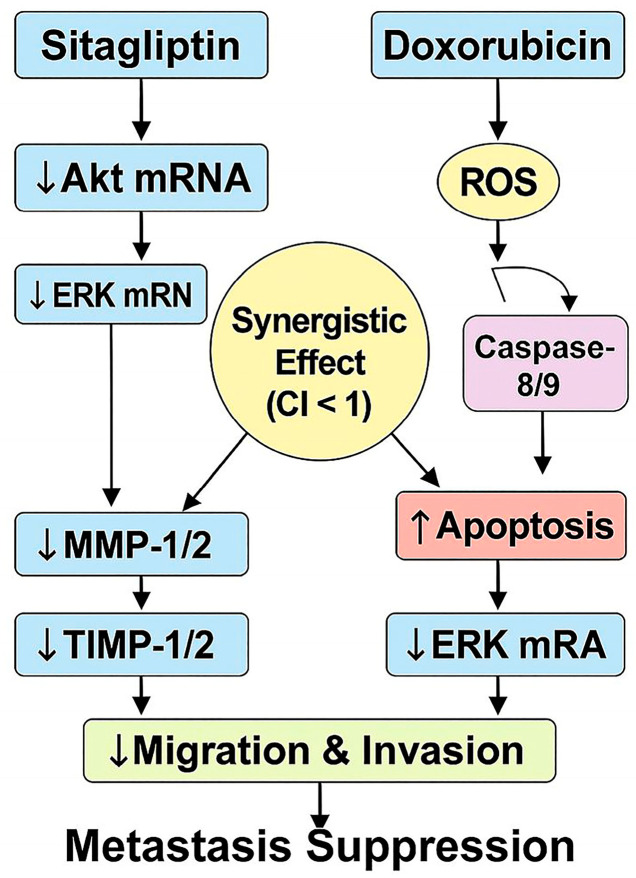 Figure 13
Peer Reviews
No public reviews on file for this paper yet. If you reviewed it on a platform where reviews are public (OpenReview, ICLR, NeurIPS, ICML), you can paste yours below so the community can read it here.
Videos
No videos yet. Explain this paper in a talk, walkthrough, or lecture? Add one.
Taxonomy
TopicsDiabetes Treatment and Management · Peptidase Inhibition and Analysis · Cancer, Lipids, and Metabolism