Optimal Branch Bending Angle for Korla Fragrant Pear: A Multi-Trait Physiological Trade-Off Framework
Ablah Niyaz, Mansur Nasir, Shikui Zhang, Shaopeng Wang, Cuihui Min, Guoquan Fan, Dilraba Muhtar, Xianbiao Ma, Mirigul Tunyaz, Lihong Yao, Ruizhe Wang, Tianming He, Juan Song, Mayira Eziz

TL;DR
An 80° branch bending angle improves fruit quality and yield in Korla fragrant pear by balancing plant physiology and hormone signaling.
Contribution
Identifies the optimal 80° bending angle for Korla fragrant pear through a multi-trait physiological trade-off framework.
Findings
An 80° angle maximized fruit set and bud soluble sugar content compared to other angles.
The 80° angle improved leaf area, chlorophyll content, and mineral concentrations, enhancing source capacity.
Hormonal analysis showed an 80° angle triggered a beneficial GA4/GA7 surge and sustained IAA-zeatin signaling.
Abstract
The optimal branch bending angle for Pyrus sinkiangensis Yü (Korla fragrant pear) remains undefined. In this study, the optimal angle was determined by integrating the phenological, nutritional, hormonal, and fruit-quality responses across a 15-day bloom window. Four branch angles (40°, 60°, 80°, and 100°) were applied to 8-year-old trees in spring 2022, and flowering dynamics, bud carbon/nitrogen status, leaf morphology/mineral content, fruiting-shoot architecture, endogenous hormones, and fruit quality were comprehensively evaluated. The 80° angle maximized the fruit set (11.77%) and bud soluble sugar content (8.84 mg/g DW), significantly outperforming the other angles (p < 0.05). The flowering rate peaked at 100° (7.89%) but was statistically comparable to that at 60° and 80° (p > 0.05); calyx removal was greatest at 60° (73.33%), with no significant difference from that at 80° (71%,…
Genes, proteins, chemicals, diseases, species, mutations and cell lines named across the full text — each resolved to its canonical identifier and authoritative record.
Click any figure to enlarge with its caption.
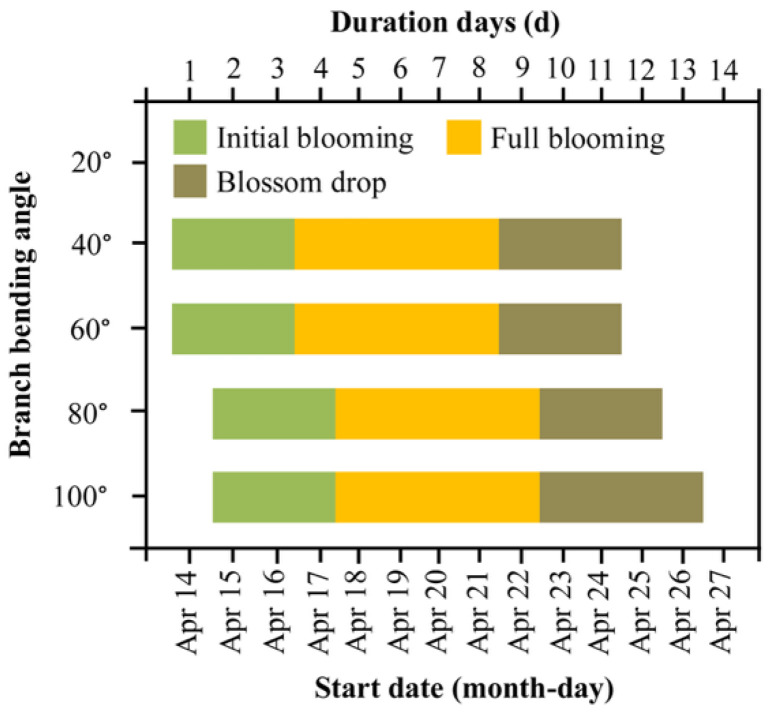 Figure 1
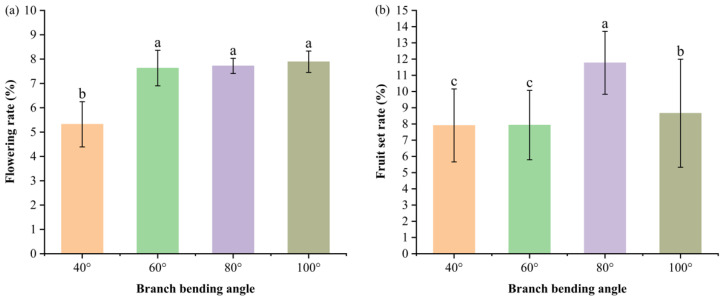 Figure 2
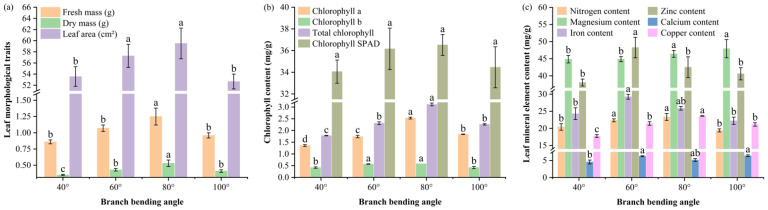 Figure 3
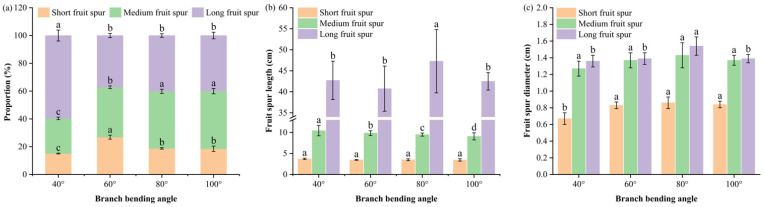 Figure 4
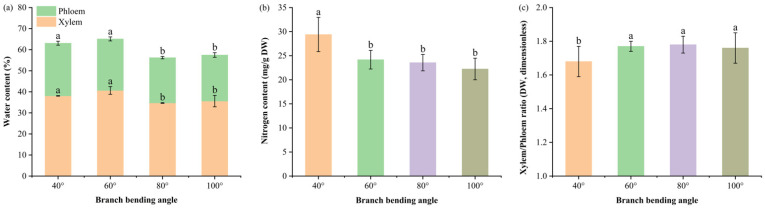 Figure 5
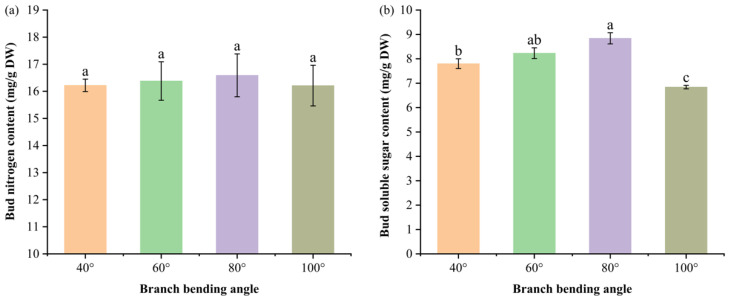 Figure 6
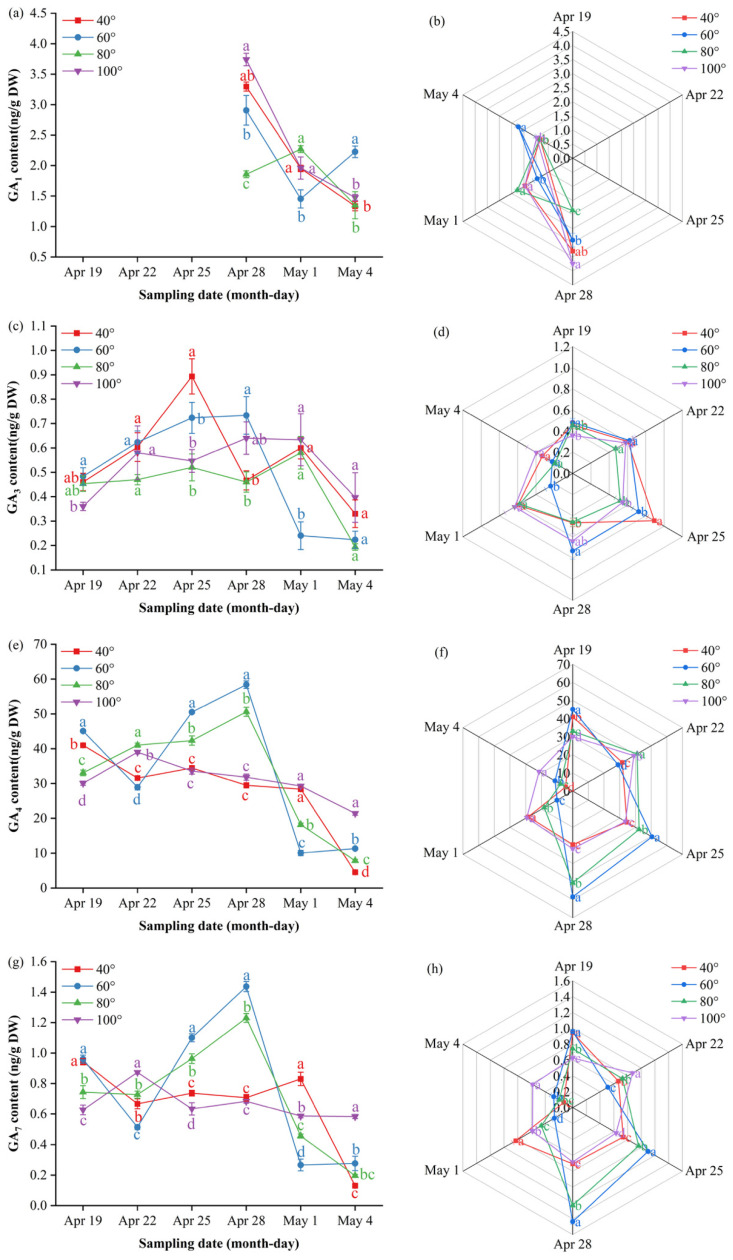 Figure 7
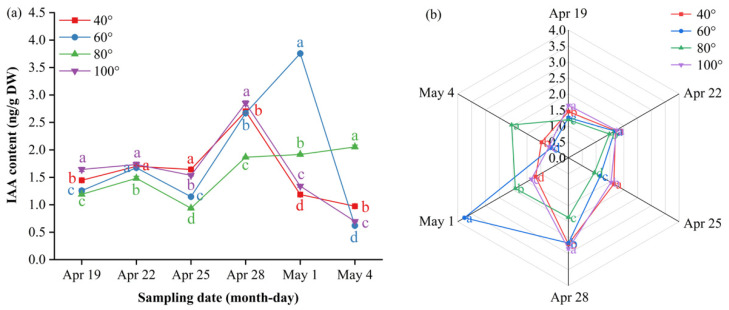 Figure 8
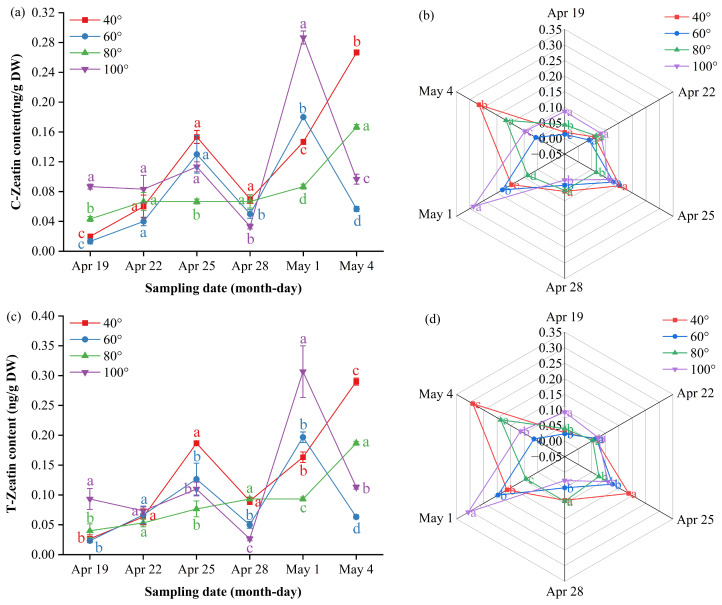 Figure 9
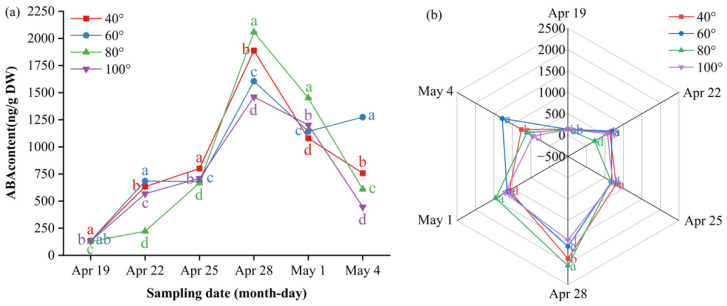 Figure 10
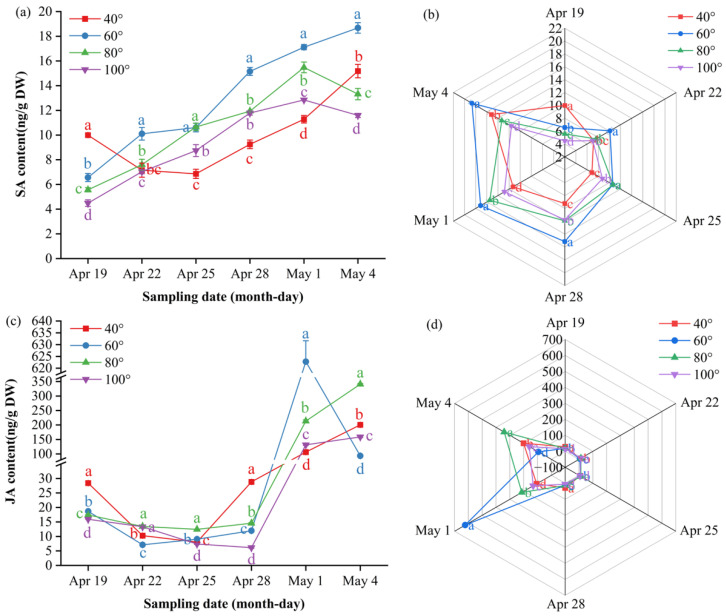 Figure 11
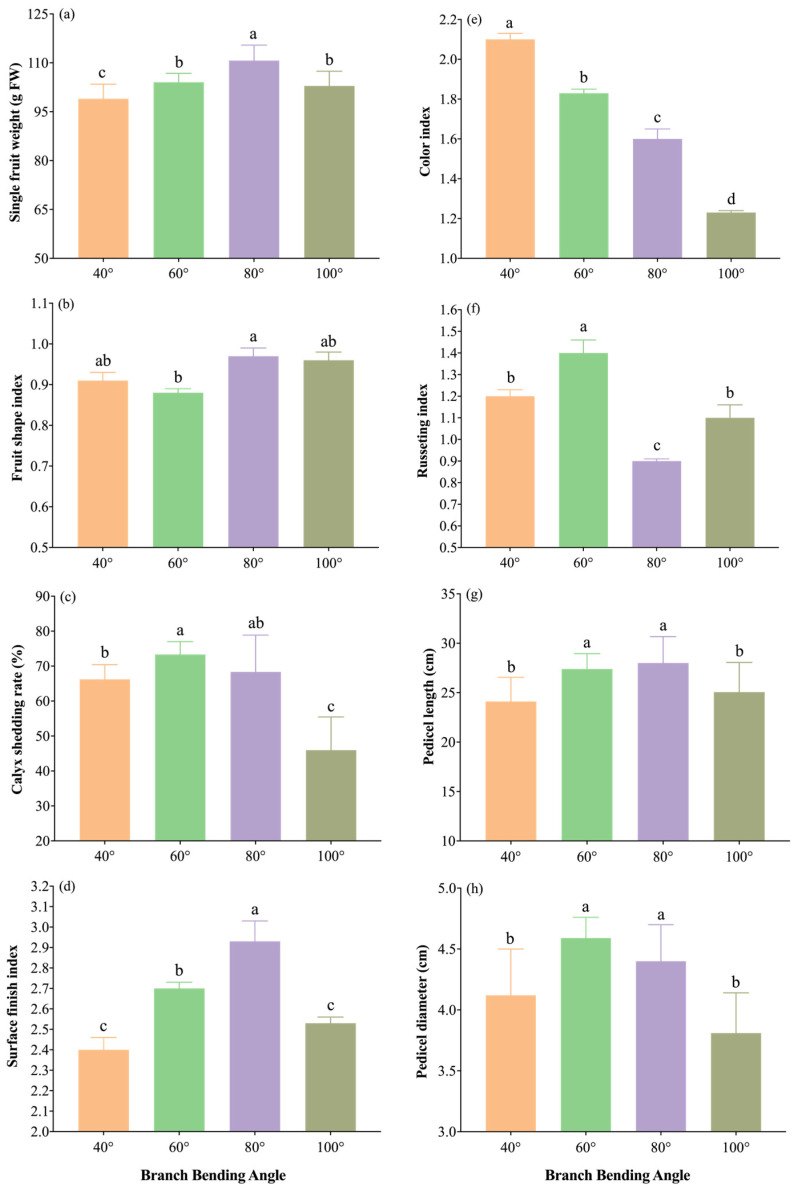 Figure 12
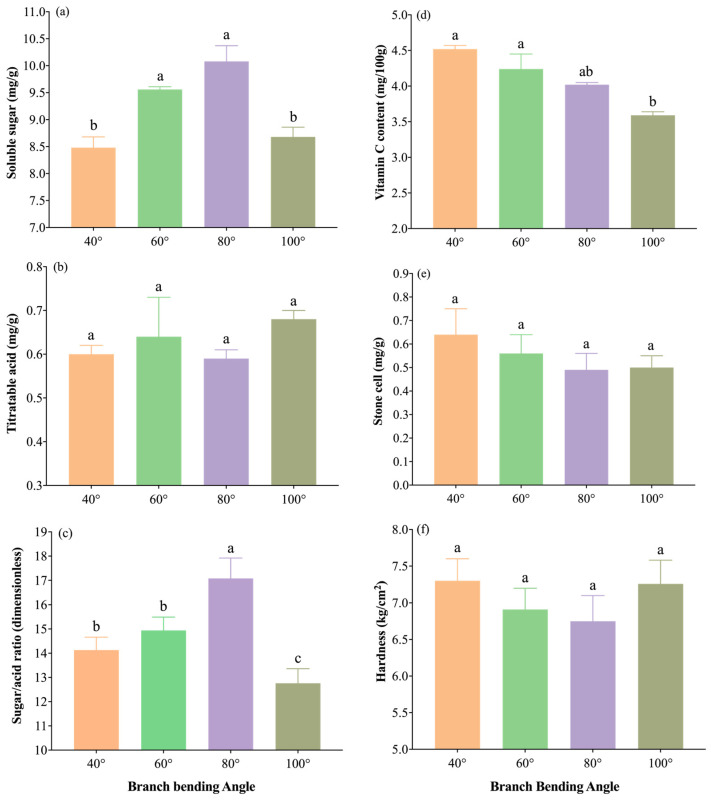 Figure 13
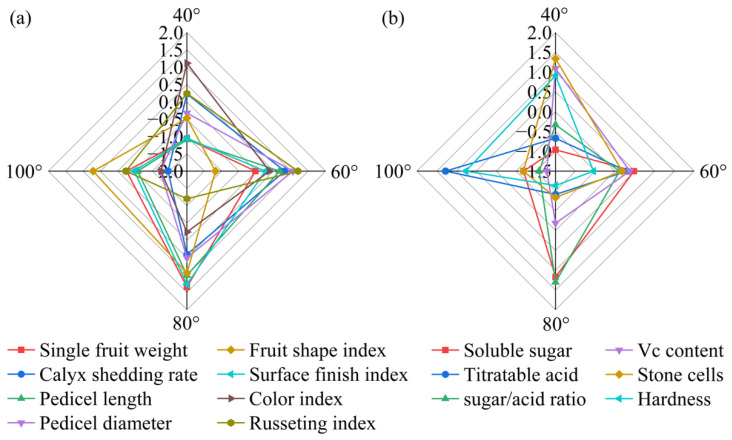 Figure 14
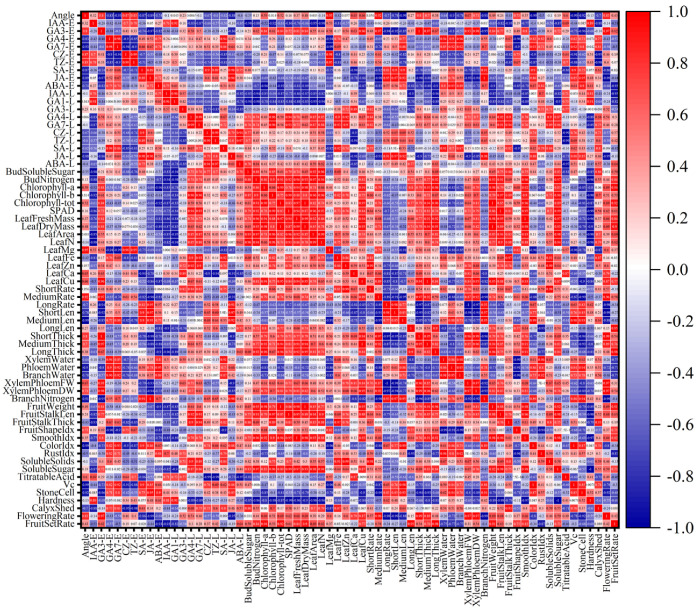 Figure 15
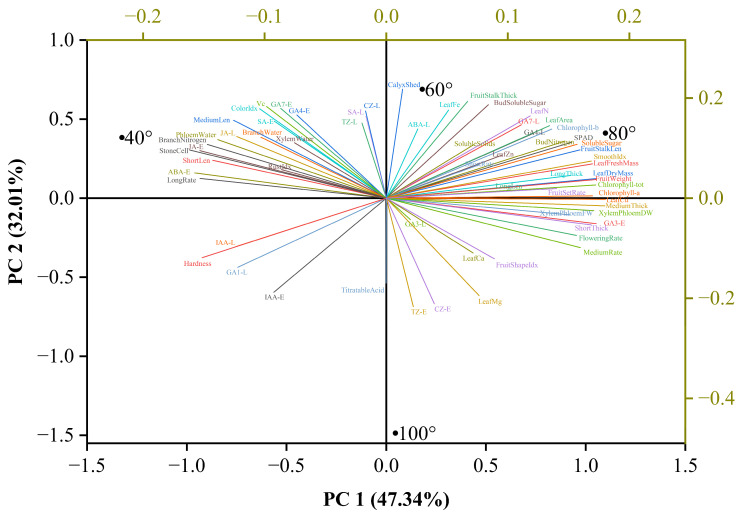 Figure 16
Peer Reviews
No public reviews on file for this paper yet. If you reviewed it on a platform where reviews are public (OpenReview, ICLR, NeurIPS, ICML), you can paste yours below so the community can read it here.
Videos
No videos yet. Explain this paper in a talk, walkthrough, or lecture? Add one.
Taxonomy
TopicsPlant Physiology and Cultivation Studies · Plant Surface Properties and Treatments · Berry genetics and cultivation research